Tag Archives | holiness

The Fear of God

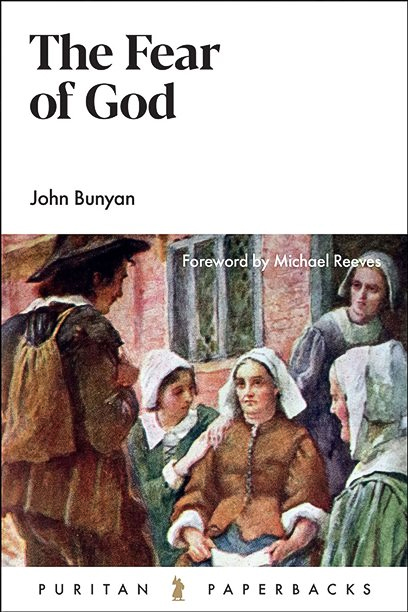
Having completed the book “The Fear of God” by John Bunyan, I have taken notes on the subject matter as it is of necessary and pressing personal interest. The book, published by Banner of Truth Trust, is available on the market (ISBN: [978-84871-818-0]) and is part of the Puritan Paperback series, specifically number 54. These notes aim to highlight key themes and insights from Bunyan’s work, which is also included in “A TREATISE ON THE FEAR OF GOD — WHAT IT IS, AND HOW DISTINGUISHED FROM THAT WHICH IS NOT SO,” edited by George Offor and now in the public domain.

Introduction

The text explores John Bunyan’s teaching on the fear of God as a deep, reverent awe before God’s presence, name, Word, and worship. True fear recognizes God’s infinite holiness, majesty, and mercy, producing humility, trembling joy, and careful obedience, especially in how believers speak of Him, hear His Word, and approach worship.

It distinguishes godly, Spirit-wrought fear from various counterfeit fears: natural conscience, misapprehension, superstition, legalism, and Satan-forged fear that drives people from God or leaves them in empty, formal religion. Genuine fear draws the soul toward God in repentance, faith, and filial reverence, while false fear either despairs, rebels, or treats worship as casual and man-shaped rather than governed by God’s Word.

This call to fear God isn’t just a one-off idea tucked away in some obscure passage; it’s something the Bible keeps coming back to, over and over again. Whether it’s Ecclesiastes telling us that fearing God and keeping His commandments is the whole point of life, or Peter reminding believers to live in reverent fear because God judges impartially, the message is consistent. We’re talking about the Creator of everything here—the divine person who holds the universe together by His word, who sees everything we do, whether good or bad. He’s not some distant person we can ignore; He is always present, always watching, and He will either be our Savior or our Judge. So it is only reasonable to take this seriously. Fearing God is not merely being afraid; it is holding Him in awe, submitting to His authority, and allowing that reverence to govern the way we live.

And here’s the thing: this kind of fear isn’t just one more item on a spiritual to-do list; it’s what gives meaning to everything else we do. It’s like the seasoning that brings out the flavor in everything else. Hebrews puts it plainly: we need grace so that we may serve God acceptably, with reverence and godly fear. But since the word “fear” can mean different things depending on where you find it in the Bible, it’s worth taking time to understand what kind of fear we’re being called to. Sometimes it points directly to God Himself as the One we fear; other times it describes the reverence we have for His Word and how it guides us. Either way, it remains a crucial part of living a life that honors Him.

Book Review
The book is divided into six sections. While it can be a dense read, this is typical of Bunyan’s writing and reflects his Puritan perspective. At times his thoughts are hard to follow because he covers a broad range of principles, making it challenging to stay focused on the main subject. It’s understandable to wish he would get straight to the point in certain places, but that’s not how this book is meant to be read. It is designed for slow, careful reflection. As a treatise, it explores a wide range of biblical teachings that help believers understand how to think about the fear of God and how to live in that fear in a way that honors their Creator.

I. God Himself: The Object of Holy Fear

Chapter title of the 1854 Edition from George Offor, Bunyan’s work first published in 1679: This Word Fear as Taken for God Himself

God Himself as the object of fear, particularly His dreadful majesty, presence, name, and worship. He explains why even the revelation of God’s goodness and forgiveness produces reverent trembling.

This section examines why God Himself is the object of holy fear and why that fear is essential to everything we do in His service. Bunyan begins with the true and living God, the Creator and Sustainer of all things, whose majesty is beyond human comprehension and whose presence extends throughout heaven and earth. Nothing escapes His knowledge or authority. He describes the fear of God as the highest duty, not because it replaces other duties, but because it must accompany them all. Without godly fear, even our religious duties cannot be acceptable worship before Him (Hebrews 12:28).

Bunyan identifies three reasons God’s presence is dreadful. First, His infinite greatness and majesty reveal the immense difference between God and His creatures. The experiences of Jacob, Daniel, and others demonstrate that an encounter with God’s presence, even when gracious, produces profound reverence and trembling (Genesis 28:16–17; Daniel 10:8–17). Second, His presence reveals our corruption and unworthiness. What may appear righteous or commendable in ourselves becomes insignificant when confronted with His holiness. Daniel’s strength failed, Isaiah recognized his uncleanness, and Job repented in dust and ashes (Isaiah 6:5; Job 42:5–6). Third, and perhaps most strikingly, God’s goodness and mercy do not diminish this fear but deepen it. The knowledge that such a great and holy God should extend forgiveness and mercy to sinners produces an even greater awareness of His majesty and our unworthiness. We are therefore called to rejoice with trembling, receiving His forgiveness with gratitude while remaining conscious of the holiness of the One who forgives (Psalm 2:11; Hosea 3:5).

Bunyan next considers the name of God, explaining that His name expresses His nature and therefore must be regarded with the same reverence due to God Himself. His holiness, power, goodness, justice, and mercy are revealed through His name, making its careless or profane use a serious matter. This extends beyond blasphemy or false oaths to the manner in which we speak of God, invoke His name, profess to belong to Him, and conduct ourselves as Christians. His name is holy and reverend, and those who name Christ are called to depart from iniquity (Psalm 111:9; 2 Timothy 2:19).

The section concludes with what I consider one of its most searching subjects: the fear of God in worship. Bunyan argues that worship is especially dreadful because it is offered directly to God, who is present among His people, jealous concerning His worship, and attentive to both its substance and manner. His examples of Nadab and Abihu, Eli’s sons, Uzzah, Ananias and Sapphira, and the judgments at Corinth demonstrate the seriousness of approaching God without proper reverence or obedience (Leviticus 10:1–3; 1 Corinthians 11:27–32). These accounts are not presented merely as historical warnings but as reasons to examine how we ourselves approach Him. Bunyan consequently rebukes those who neglect worship altogether, those who attend outwardly without engaging their hearts, and those who disregard whether their worship accords with God’s requirements.

What I take from this section is that the fear of God is neither an occasional religious feeling nor something confined to moments of extraordinary spiritual experience. It belongs to our understanding of who God is and should govern our response to His presence, our use of His name, and every act of worship. His goodness invites us to draw near, while His holiness requires that we do so with reverence, humility, sincerity, and obedience. The central concern is not simply that we worship God, but that we approach Him as the holy God He has revealed Himself to be, remembering His declaration: “I will be sanctified in them that come nigh me” (Leviticus 10:3).

II. God’s Word: The Rule and Guide of Holy Fear

Chapter title of the 1854 Edition from George Offor, Bunyan’s work first published in 1679: Of This Word Fear as It Is Taken for the Word of God

The written Word of God as the rule and director of godly fear. Bunyan emphasizes its divine authority, eternal truth, power to judge, and the necessity of trembling at and obeying it.

In this section, Bunyan explains how the fear of the Lord is also understood as the written Word of God, which serves as the rule and guide by which we learn to fear Him rightly. Drawing from Psalm 19:7–9, he identifies the fear of the Lord with God’s law, testimonies, statutes, commandments, and judgments. Scripture is therefore not merely something to be studied or acknowledged, but the authoritative revelation through which we learn who God is, what He requires, and how we are to live before Him. Without its instruction, we cannot know how to fear the Lord in a saving way. Those who receive His Word with humility and trembling are regarded favorably by God, as demonstrated through Josiah’s response to the law, those who heeded God’s warning in Egypt, and those who gathered with Ezra in repentance over Israel’s transgressions (Isaiah 66:2; Exodus 9:20–25; Ezra 9:4).

Bunyan identifies three reasons the Word of God is itself fearful. First, it comes from God Himself, bearing the authority and majesty of its divine Author. The prophets spoke in His name, declaring what the Lord had spoken, and their words were to be received accordingly. Second, its subject matter concerns our eternal condition. Its doctrines, promises, warnings, commandments, and judgments reveal what awaits us beyond this life, including eternal glory and eternal condemnation. Christ Himself declares that the Word He has spoken will judge us at the last day (John 12:48). Third, God’s Word is fearful because of its absolute truth and faithfulness. It cannot be broken, overturned, or rendered ineffective by human opposition. Heaven and earth will pass away, but His words will not pass away (Matthew 24:35; John 10:35). These considerations establish why Scripture must govern our understanding, affections, decisions, conduct, and worship.

Bunyan places particular emphasis on the consequences of losing reverence for God’s Word. He identifies this neglect as the underlying cause of disorder in the heart, personal conduct, conversation, and Christian fellowship. To disregard Scripture is to turn away from the standard by which God instructs and judges us, leaving our desires, opinions, and inclinations to govern our lives. Conversely, reverence for the Word restrains us from sin and directs us toward obedience. The distinction is expressed in Proverbs 13:13: those who despise the Word face destruction, while those who fear the commandment receive its promised reward.

The section concludes with three serious warnings. The first concerns those who reject God’s Word and instead follow the desires of the flesh, the eyes, and the pride of life. Bunyan describes their conduct as rebellion, comparing it with those in Jeremiah’s day who openly refused to obey the Lord (Jeremiah 44:16). The second concerns those who esteem human approval, pleasure, or threats above the authority of Scripture. Even when they acknowledge God’s Word outwardly, they surrender their obedience when confronted with opposition, recalling Christ’s warning against being ashamed of Him and His words (Mark 8:38). The third concerns those who openly mock, despise, or seek to undermine Scripture’s divine authority. Bunyan warns that the apparent delay of judgment must not be mistaken for its absence, since the very Word they reject will ultimately stand in judgment against them (2 Chronicles 36:15; John 12:48).

What I take from this section is that the fear of God cannot be separated from our regard for His written Word. To fear God is to receive His Word as true, authoritative, enduring, and binding upon our lives, even when it confronts our desires, exposes our sins, or places us at odds with the opinions of others. Reverence for Scripture is demonstrated not simply by professing its authority, but by submitting to its instruction, heeding its warnings, trusting its promises, and ordering our lives accordingly. Bunyan’s central concern is that we recognize the authority of the One who speaks through Scripture and learn to fear His Word above every competing influence, remembering that it is both the guide of our present lives and the standard by which we will ultimately be judged.

III. Distinguishing Natural, Ungodly, and Temporary Fear of God

Chapter title of the 1854 Edition from George Offor, Bunyan’s work first published in 1679: Of Several Sorts of Fear of God in the Heart of the Children of Men

Three forms of fear distinguished from lasting, saving fear: natural fear arising from human understanding, ungodly fear arising under divine dealings, and a genuine but temporary fear associated with conviction of sin. Bunyan also examines the difference between initial conviction, adoption, fatherly chastisement, and deceptive fears.

Bunyan begins this section by distinguishing several kinds of fear that may exist in the human heart, not all of which constitute the true and lasting fear of God. The first arises from the light of nature, through which men possess some knowledge of God and a moral awareness that restrains their conduct toward others. Abraham’s concern that there was no fear of God among the people of Gerar illustrates how the absence of this natural restraint leaves men vulnerable to their sinful desires (Genesis 20:11). Such fear may encourage honesty, justice, and reasonable conduct, but it is not necessarily the saving fear produced by God’s grace. This distinction is important because an outwardly moral life, or even an acknowledgment of God’s existence and authority, does not establish that a person possesses the godly fear which accompanies eternal life.

The second kind is an ungodly fear arising from God’s dealings with men, particularly when they become conscious of His judgments. Bunyan identifies several ways this fear manifests itself. It produces resentment and resistance against God, as demonstrated by the Israelites in the wilderness; it causes sinners to flee from His presence, as Adam did after his disobedience; and it may discourage religious duties, as illustrated by the servant who buried his talent because he regarded his master as harsh (Genesis 3:10; Exodus 14:11–13; Matthew 25:24–25). More seriously, this fear can prevent men from trusting wholly in Christ’s righteousness for justification, leading them instead to depend partly upon their own works. It may also produce invented religious practices intended to appease God, rather than obedience to what He has revealed. Bunyan’s warning is that fear itself is not evidence of holiness. When it produces unbelief, rebellion, spiritual inactivity, or reliance upon human works and traditions, it demonstrates a false understanding of God rather than a heart reconciled to Him.

The third kind is especially significant because Bunyan describes a fear that is genuinely godly, yet is intended to continue only for a time. It arises when the Holy Spirit, working through the law as the Spirit of bondage, awakens sinners to the reality of their guilt and the condemnation they justly deserve. The three thousand at Pentecost, the Philippian jailer, and Paul demonstrate the distress that follows such conviction and the urgent desire to be saved (Acts 2:37; 16:29–30; 9:1–19). This fear is good because it brings the sinner to acknowledge God’s righteous judgment, confess sin, abandon confidence in personal merit, and seek mercy from God. Bunyan describes the sinner as brought low before Him, unwilling to be satisfied with anything less than forgiveness and cleansing from God Himself. Yet this fear of eternal condemnation is not intended to remain after the sinner has received Christ by faith. Its purpose is fulfilled when the Holy Spirit brings the soul from conviction under the law into the assurance of salvation through the gospel (Romans 3:20; 8:15).

Bunyan concludes with an extended distinction between the Spirit of bondage and the Spirit of adoption. Once a person has been brought into Christ and received the Spirit of adoption, the former fear of eternal condemnation no longer has a rightful foundation, for the believer now stands in Christ’s righteousness rather than under the condemnation of the law (Romans 8:1, 15). Bunyan argues that renewed fears of damnation in such a believer arise from deception, unbelief, and mistaken apprehensions of God’s dealings, not from the Holy Spirit repeating His former work of bondage. Nevertheless, adoption does not remove the necessity of fearing God or the seriousness of sin. God remains a holy Father who may severely chastise His children, withdraw the comfort of His presence, and bring them into deep distress for their disobedience. The experiences of Job, David, and the church in Lamentations show that even under grievous affliction, God’s people must continue to trust Him rather than conclude that they have been abandoned. What I find central to this distinction is that the Christian is not delivered from the fear of God, but from the fear of condemnation. The fear that remains is that of a child toward his Father, grounded in His wisdom, power, omnipresence, holiness, and goodness. It leads not to fleeing from God, but to repentance, obedience, confidence in His mercy, and reverence before Him (1 Peter 1:14–17; Hosea 3:5).

IV. The Grace of Godly Fear: Its Nature, Sources, and Fruits

Chapter title of the 1854 Edition from George Offor, Bunyan’s work first published in 1679: Of the Grace of Fear More Immediately Intended in the Text

The enduring, Spirit-given grace of godly fear. Bunyan describes its scriptural character, the spiritual realities from which it arises—including faith, repentance, and God’s mercy—and the many fruits it produces in Christian character and conduct.

Bunyan begins by describing the lasting fear of God as a grace bestowed upon the believer through the Holy Spirit. Unlike the fear of condemnation that accompanies the Spirit’s work of bondage, this fear belongs to those who have received the Spirit of adoption and now approach God as their Father. Bunyan calls it a precious treasure, a fruit of God’s eternal love, and a grace that makes a person excellent in His sight. Job is presented as an example, not simply because he possessed knowledge of God’s will, but because he sincerely obeyed Him and departed from evil (Job 1:8). This fear softens the heart and maintains reverence for God’s mercy and judgments. Bunyan further describes it as the beginning of knowledge and wisdom, a hatred of evil, a fountain of life, and the instruction of wisdom (Proverbs 1:7; 14:27; 15:33). It enables the believer to recognize what is pleasing to God, depart from sin, and maintain a proper regard for Him in both understanding and conduct.

Bunyan next looks at the sources from which this grace of fear proceeds. He identifies eleven, beginning with God’s distinguishing love and everlasting covenant, through which He promises to place His fear within the hearts of His people so that they will not finally depart from Him (Jeremiah 32:38-40). This fear requires a new heart, receives its instruction through the lasting impression of God’s Word, and grows through faith and genuine repentance. Noah demonstrates the connection between faith and fear when he responds to God’s warning by preparing the ark (Hebrews 11:7). Bunyan also emphasizes that godly fear arises from the recognition of God’s goodness and forgiveness, for there is forgiveness with Him that He may be feared (Psalm 130:3-4). It is further nourished by considering God’s judgments, remembering our former conviction of sin, receiving answers to prayer, and recognizing that God knows every thought and movement of the heart. Finally, the knowledge that God judges impartially according to each person’s works calls the believer to pass the time of his earthly life in fear (1 Peter 1:17).

Having established what produces godly fear, Bunyan turns to its fruits, identifying fourteen ways it becomes evident in the Christian life. It first produces reverence for God’s person, name, and glory, together with a sincere concern whenever His honor is disregarded. It also produces watchfulness over the heart, speech, conduct, and temptations that threaten obedience. Those who fear God are moved to speak together concerning His name and works, encouraging one another in holiness, while approaching His ordinances with proper reverence (Malachi 3:16; Psalm 5:7). Godly fear also produces self-denial. Nehemiah refused to exploit the people under his authority because he feared God, and Paul willingly set aside lawful liberties rather than become an occasion of stumbling to others. Bunyan then connects this fear with singleness of heart, in which obedience is rendered sincerely for God’s sake rather than for human approval or personal advantage. It also produces compassion toward those in distress, as demonstrated by Obadiah, who protected and fed God’s prophets despite the danger posed by Jezebel (Nehemiah 5:15; 1 Kings 18:3-4).

The remaining fruits concern prayer, obedience, humility, hope, and the enlargement of the heart. Bunyan identifies fervent and continual prayer as an inseparable effect of godly fear, using Cornelius as an example of a man who feared God, gave generously, and prayed continually (Acts 10:1-2). Abraham demonstrates its power to surrender even what is most precious when God commands it, as seen in his willingness to offer Isaac (Genesis 22:12). Godly fear also restrains spiritual pride, keeps us conscious of our need for mercy, and makes us willing to receive correction and instruction. Rather than extinguishing hope, it directs the soul toward God’s mercy in Christ, for the Lord takes pleasure in those who fear Him and hope in His mercy (Psalm 147:11). This fear also encourages the conscientious use of the means God has appointed for holiness and salvation. Bunyan is careful to distinguish such diligence from any claim that works can purchase eternal life. True faith and hope are accompanied by obedience, delight in God’s commandments, and a heart enlarged toward God, His ways, His people, and the salvation of others (Psalm 112:1; Isaiah 60:5).

What I take from this section is Bunyan’s distinction between fear as a passing response to judgment and fear as an enduring grace established within the heart by God Himself. It is not produced by human determination, nor is it measured merely by outward religious duties. It arises from God’s gracious work, is nourished by His Word, faith, repentance, and the knowledge of His mercy, and is made evident through the character and conduct of those who possess it. Its effects appear throughout the Christian life, over worship, prayer, personal holiness, relationships with others, and obedience to God’s commandments. Most importantly, this fear does not stand opposed to the believer’s love for God or hope in His mercy. Bunyan presents them as closely joined. The believer fears God as a child fears his Father, with a heart made tender toward His holiness, grateful for His goodness, and increasingly willing to do His will.

V. The Promised Blessings of Those Who Fear the Lord

Chapter title of the 1854 Edition from George Offor, Bunyan’s work first published in 1679: Of the Privileges of Them That Thus Do Fear the Lord

The particular promises and privileges belonging to those who fear the Lord, including divine guidance, protection, mercy, provision, salvation, and blessing. Bunyan distinguishes these promised privileges from the inward fruits discussed in Section IV.

In this section, Bunyan turns from the fruits of godly fear to the particular privileges God has promised to those who possess it. While the preceding section examined what this grace produces within the believer, here he identifies thirteen blessings belonging to those who fear the Lord. The first is the privilege of trusting in God, who promises to be their help and shield against the assaults of the enemy and the world (Psalm 115:11). God also undertakes to teach and guide them in the way they have chosen, preserving them from ignorance and the deceit of those who would turn them aside (Psalm 25:12). This instruction includes the privilege of knowing His presence and receiving the revelation of His covenant. Bunyan gives specific attention to the secret of the Lord, identifying it with Christ Himself, in whom are hidden the treasures of wisdom and knowledge. Those who fear God are therefore brought to know Christ and their own interest in the everlasting covenant established in Him (Psalm 25:14; Colossians 2:3, 9).

Bunyan next describes God’s continual care and protection over those who fear Him. His eye remains upon them, not to seek their destruction, but to preserve, instruct, and deliver them from spiritual and eternal death (Psalm 33:18–19). He also promises that they shall lack no good thing, though Bunyan carefully explains that what is good for a believer must be determined by God rather than by outward circumstances. Health or sickness, riches or poverty, life or death may serve the believer’s good according to God’s wisdom (Psalm 34:9–10). Another privilege is the ministry of angels, whom God appoints to encamp around and deliver those who fear Him. Bunyan recalls the protection of Elisha and Hezekiah, together with other accounts of angelic intervention, to demonstrate that the servants of God are not without heavenly assistance (Psalm 34:7). Beyond this protection, the salvation of God is always near them, delivering them from their spiritual enemies, particularly sin, Satan, and death. Bunyan emphasizes that God’s children are never left alone, whether in temptation, affliction, sickness, or approaching death, because His saving grace remains near them (Psalm 85:9).

The privileges continue with God’s everlasting mercy, His fatherly compassion, His willingness to hear prayer, and His pleasure in those who fear Him. Bunyan describes the mercy of God as extending from everlasting to everlasting, covering and preserving His people through every trial and beyond the present world (Psalm 103:17). This mercy is accompanied by the compassion of a Father who pities His children, understands their infirmities, and sympathizes with them in their afflictions (Psalm 103:13). God also promises to hear their cries and fulfill their desires (Psalm 145:19). Bunyan places particular emphasis upon the believer’s desire for salvation, deliverance from temptation, freedom from sin, and the final enjoyment of God’s presence. Though these things may require patient waiting, their fulfillment rests upon God’s promise. He further declares that the Lord takes pleasure in those who fear Him, regarding their sincere obedience, prayers, and efforts to serve Him with delight (Psalm 147:11). Even their imperfect attempts are received with fatherly tenderness, as illustrated by Christ’s regard for the widow who offered her two mites. The value of such service is not measured merely by its outward greatness, but by the reverence and sincerity with which it is offered.

Bunyan concludes with the promise that God’s blessing belongs to all who truly fear Him, both small and great (Psalm 115:13). He applies this distinction to those who possess little standing in the world, to children, and to those who are comparatively small in spiritual gifts or grace. None are excluded from the promised blessing on account of their weakness or obscurity. The least among God’s people share with the greatest in the same eternal life, salvation, and glory. Bunyan then presents Psalm 128 as a psalm particularly suited to those who fear the Lord, celebrating the blessings of walking in His ways, the enjoyment of one’s labor, the household, succeeding generations, and the peace of God’s people. Finally, he answers the objection that perfect love casts out fear (1 John 4:18). He distinguishes the tormenting fear associated with condemnation from the gracious, childlike fear that belongs to those who have received the Spirit of adoption. The former is cast out by love, but the latter remains and adorns the believer’s life and worship. I understand Bunyan’s conclusion to be that the fear of God does not deprive the Christian of comfort, confidence, or love. Rather, the one who truly fears the Lord is granted extraordinary privileges through God’s promises, together with the assurance that His mercy, protection, guidance, and salvation will not fail.

VI. The Fear of God Applied: Self-Examination, Growth, and Encouragement

Chapter title of the 1854 Edition from George Offor, Bunyan’s work first published in 1679: The Use of This Doctrine

The practical application of the entire doctrine. Bunyan calls readers to examine themselves, exhorts believers to increase in godly fear, identifies what encourages and hinders its growth, comforts those who possess it, and warns against hypocrisy.

In this final section, Bunyan brings his thoughts on the fear of God to their practical application, beginning with the necessity of examining ourselves to determine whether this grace is truly present in our hearts. He reminds us that no one possesses godly fear by nature, for it proceeds from a new heart, faith, repentance, and the work of God’s grace. Its presence cannot be established merely by religious profession or an outward appearance of obedience. Bunyan identifies twelve characteristics that reveal its absence, including pride, covetousness, gluttony, lying, hostility toward God’s people, disregard for His judgments, and a failure to humble ourselves over sin. He also warns against seeking God’s help during affliction only to return to disobedience when relief comes. His concern is that we examine not only what we profess, but what governs our affections, conduct, and obedience. Fear produced by circumstances or the threat of punishment may restrain sinful behavior temporarily without producing love for God or willing submission to Him. We must therefore examine our hearts alongside the Word of God, distinguishing sincere godly fear from an outward profession that lacks its inward reality.

Bunyan then exhorts those who already fear God to grow continually in this grace. He explains that although every true believer possesses godly fear, its strength differs among believers, as illustrated by Obadiah, who feared the Lord greatly (1 Kings 18:3). The possession of this grace should never become a reason for complacency. Bunyan presents numerous reasons for seeking its increase, beginning with God’s distinguishing love in granting such a precious gift. Growth in godly fear preserves us from many sins, strengthens our obedience, exercises the other graces of the Spirit, and promotes the perfection of holiness (2 Corinthians 7:1). It produces wisdom, humility, a tender conscience, and greater boldness before God and men. Bunyan also associates its increase with faithfulness in our responsibilities, deliverance from spiritual dangers, and usefulness in turning others away from iniquity. His repeated encouragement is that we should not be satisfied merely to possess this grace, but should cultivate it so that our lives increasingly demonstrate its presence.

Bunyan next provides thirteen directions for growing in godly fear. He begins by insisting that we distinguish carefully between true, lasting godly fear and those forms of fear that are either ungodly or intended to continue only for a time. In particular, believers who have received the Spirit of adoption must resist the return of slavish fears of condemnation, which undermine faith and disturb the assurance given through Christ. Instead, Bunyan directs us toward a fuller understanding of the new covenant, the promises of salvation, and the evidence of God’s gracious work within our hearts. We are to strengthen faith, remember God’s former mercies, and meditate upon His goodness, recognizing that His promises encourage the growth of filial fear rather than diminish it (Hosea 3:5). Bunyan also instructs us to remember God’s judgments upon the hypocritical and the disobedient, consider the excellencies and privileges of godly fear, and pray earnestly for its increase. He concludes these directions by urging us to devote ourselves to contemplating God and reverencing His name, Word, and worship. The practice of godly fear therefore requires deliberate attention to what God has revealed, continued dependence upon His grace, and the exercise of those spiritual duties through which this fear is strengthened.

Having explained how godly fear grows, Bunyan identifies ten things that hinder its increase. Foremost among them is hardness of heart, which makes the soul increasingly resistant to conviction, repentance, and obedience. A prayerless heart likewise deprives this grace of its proper nourishment, while levity, covetousness, and unbelief weaken the soul’s regard for God. He further warns against forgetfulness, particularly the neglect of remembering God’s mercies, patience, and judgments. Murmuring against His providence is especially dangerous because it places our judgment above His wisdom and righteousness. Pride, contentiousness, and envy are equally destructive, whereas meekness and humility provide suitable ground for godly fear to flourish. Bunyan concludes these warnings by addressing the deliberate hardening of the heart against convictions concerning particular duties, such as prayer, charity, and self-denial. Such convictions ought to be received rather than resisted, for they help preserve tenderness of heart and obedience before God. His instruction throughout is that we must guard the inward condition of the soul, recognizing how readily our own sins and dispositions can obstruct the growth of this grace.

Bunyan concludes with encouragement for those who possess godly fear, followed by a final warning against hypocrisy. He reminds believers that this grace belongs to God’s everlasting covenant and has been placed within their hearts to preserve them from final apostasy (Jeremiah 32:40). Its strength may differ considerably among believers, yet even the smallest genuine measure is evidence of spiritual life. Bunyan compares godly fear to the pulse of the body: some pulses beat strongly and others weakly, but where the pulse remains, life is present. He further explains that sincere desires to fear God arise from grace already present within the soul, and that God does not despise those desires (Nehemiah 1:11).

This encouragement extends to believers who lack wealth, ability, learning, or opportunities for outward service, for they may nevertheless fear, love, and believe in God, even in sickness or confinement. Worldly distinction is therefore no measure of the blessedness belonging to those who fear Him. Yet Bunyan ends with a severe warning to hypocrites, who seek the appearance of godliness before men while remaining strangers to its inward reality. Outward obedience, religious activity, and public reputation cannot replace the fear of God within the heart. What I find most important in this concluding section is Bunyan’s insistence that godly fear must be present, diligently cultivated, and preserved from everything that weakens it. It is the inward grace that accompanies sincere obedience, guards the believer against departing from God, and distinguishes those who truly belong to Him from those who possess only the appearance of religion.

Reflections

When we talk about fearing God, it’s not about being scared of some unpredictable power. It’s about deep respect and awe for the one true, living God, the Creator of everything from galaxies to the breath in your lungs. He holds it all together by His word. Hebrews 12:29 says, “Our God is a consuming fire.” That’s intense, but it’s meant to remind us of His holiness and majesty, not drive us away in terror. Isaiah 40:15 paints the picture perfectly: “Behold, the nations are as a drop of a bucket and are counted as the small dust of the balance.” To revere God, then, is to acknowledge that He is immeasurably greater than we can imagine and worthy of our obedience and worship.

This extended thinking centers on the truth that the fear of the Lord is not merely an emotion or posture, but the recognition of God Himself as both fearsome and worthy of reverence in all His self-revelation. This highlights the importance of reverence, helping the audience appreciate the deep respect owed to God’s self-revelation in His presence, His name, and His worship. The term “fear,” as used in Scripture, is sometimes a direct synonym for God Himself, as in Jacob’s invocation of the “Fear of Isaac.”

We should understand how God’s glorious presence produces trembling and dread in the soul, not because of terror alone, but because of the overwhelming majesty of divine revelation. Instances from Jacob’s visions, Daniel’s trembling, and Isaiah’s undone spirit reveal that even in mercy, God’s nearness exposes man’s creatureliness and corruption. The brighter the revelation, the more the soul is driven to both humility and adoration, trembling with joy at mercy undeserved.

The same fear is in God’s name because His name reveals His nature: majestic, holy, powerful, and jealous. The believer must carry an inward gravity when speaking of or even thinking upon the name of the Lord, especially in acts of religious devotion. With examples of divine judgment upon Nadab and Abihu, Uzzah, and Ananias and Sapphira, to trifle with God’s ordinances is to invite holy wrath. He rebukes those who do not worship, those who worship formally but without heart, and those who worship according to human invention rather than divine command. To rightly fear God is not to shrink from Him in abject terror, but to draw near in awe-struck reverence, brokenness, and purity, rejoicing in His mercy with trembling, and fearing His name as the beginning of wisdom and the fountain of all true worship.

About Fear & Dread

A. His Presence

Even when God is present in the most loving, merciful, and comforting way, that presence brings a settled peace. Because God is infinitely holy, His nearness doesn’t just soothe; it also humbles, sobers, and fills a person with deep reverence and assurance. This mixture of peace and fear should remind us of God’s majesty and inspire both trust and reverence.

1. What Causes Holy Fear

Specific CauseBiblical EmphasisMain Passages
God’s greatness and majestyDivine glory overwhelms us as creaturesRev 1:17; Job 13:21–22; Gen 28:10–17; Gen 32:30; Dan 10:16–17
God reveals man to himselfDivine light exposes corruption and uncleannessDan 10:8,16; Isa 6:5; Job 42:5–6
God’s goodness and mercyForgiveness and goodness produce deep reverenceHos 3:5; Jer 5:22; Jer 33:8–9; Ps 2:11; Ezek 16:63

2. What it means to “dread” the LORD

The command, “Sanctify the Lord of hosts himself; and let him be your fear, and let him be your dread” (Isaiah 8:13), stands naturally within this entire biblical pattern. The passage does not call the believer to regard God as evil, cruel, or repulsive, but to recognize Him as the supreme and overwhelming reality before whom all lesser fears collapse. The dread spoken of is the fitting response of the creature before the Creator, of the finite before the Infinite, of the impure before absolute holiness, and yet also of the beloved before immeasurable goodness and mercy.

This is why Scripture repeatedly joins attraction to God with trembling before Him, emphasizing reverence and awe in response to divine majesty. Jacob, after receiving promises of mercy and covenant blessing, awoke and cried, “Surely the Lord is in this place,” and “he was afraid, and said, How dreadful is this place!” (Genesis 28:16–17). The fear arose not from rejection, but from the realization that he had encountered divine reality itself. Likewise, Isaiah, upon seeing “the King, the Lord of hosts,” did not become casual or self-assured, but cried, “Woe is me! for I am undone” (Isaiah 6:5). Daniel, though addressed as “greatly beloved,” found that “there remained no strength” in him before the heavenly vision (Daniel 10:8, 16–17). John, the beloved disciple himself, “fell at his feet as dead” when he saw the glorified Christ (Revelation 1:17). In every case, the fear is the natural response to unveiled majesty, illustrating the biblical theme of reverence and awe before God’s majesty.

Yet Scripture presses even further, showing that mercy itself intensifies this holy fear and that divine kindness deepens reverence. “They shall fear the Lord and his goodness” (Hosea 3:5). The soul trembles not only because God is holy, but because this infinitely holy God shows mercy to the unworthy. Job says, “Now mine eye seeth thee; wherefore I abhor myself and repent in dust and ashes” (Job 42:5–6). Jeremiah declares concerning forgiveness, “They shall fear and tremble for all the goodness and for all the prosperity that I procure unto it” (Jeremiah 33:9). Thus, divine goodness does not dissolve reverence; it deepens it. The greater the revelation of mercy, the greater the awareness of the immeasurable distance between God’s purity and the creature’s unworthiness.

This is why Scripture can command both joy and trembling together: “Serve the Lord with fear, and rejoice with trembling” (Psalm 2:11). The fear of the Lord is therefore not the opposite of love, desire, communion, or delight. Instead, it reveals how love approaches infinite holiness, desire faces absolute majesty, and communion with the self-existent God evokes reverence. The soul longs for Him because He is its highest good, yet trembles because He is infinitely weightier, purer, truer, and more real than itself, illustrating the coexistence of joy and trembling in divine reverence.

Accordingly, to “let Him be your fear” means to allow God Himself—His presence, His Word, His holiness, His authority, His goodness, and His majesty—to become the controlling reality of the heart. For instance, Abraham’s reverence before God (Genesis [xx]) and Daniel’s humility in the presence of the angel (Daniel [xx]) exemplify this holy fear. All lesser fears are displaced when the soul apprehends the greatness of God. “Fear ye not me? saith the Lord; will ye not tremble at my presence?” (Jeremiah 5:22). This fear is not slavish terror driving the soul away from God, but holy reverence drawing the soul into humility, obedience, worship, repentance, and trembling joy before Him.

B. His Name

1. God’s Name Reveals God’s Nature

The author reasons that the name of God is fearful because it expresses who God truly is. A name distinguishes and identifies, but God’s name uniquely reveals His attributes and nature. Therefore, when Scripture speaks of fearing God’s name, it is speaking of reverence toward the majesty, holiness, goodness, power, eternity, and justice revealed in that name. The fear belongs not merely to the word itself, but to the divine reality the name declares.

2. God’s Name Is the Object of Reverent Fear

Because God’s name reveals His nature, it must always be approached with reverence, awe, and sobriety. The author presents the fear of God’s name as a continual duty of the believer and as a mark of a gracious heart. This fear is not confined to formal worship alone, but extends to every occasion in which God’s name is spoken, heard, remembered, preached, prayed, or discussed.

3. Religious Use of God’s Name Requires Sobriety

The author places particular emphasis upon the use of God’s name in religious duties such as preaching, prayer, and holy conversation. He warns against lightness, vanity, or careless speech in sacred matters. The greater the holiness of the context, the greater the required reverence. To speak of God while maintaining a frivolous or careless spirit is presented as inconsistent with true fear of the Lord.

4. To Use God’s Name Lightly Is to Profane It

The passage teaches that the irreverent use of God’s name is not a minor matter but rather profanation. Light speech, false swearing, vain appeals to God, blasphemy, and fraudulent use of His name are all treated as violations against the honor due to Him. Since the name expresses God’s own nature, misuse of the name becomes dishonor directed toward God Himself.

5. God Judges the Profaning of His Name

Scripture warns of judgment against those who misuse the name of God. Scripture is cited to show that God is jealous for the honor of His name and will not hold guiltless those who take it in vain. False oaths, deceptive appeals to divine witness, and blasphemous speech are presented as serious offenses that place a person under divine judgment.

WarningCentral PointEmphasisReference
1. God’s Name Reveals God’s NatureGod’s name expresses His nature and attributesHoliness, majesty, mercy, justice, eternityDeuteronomy 28:58; Psalm 111:9; Exodus 34:6–7
2. God’s Name Is the Object of Reverent FearBelievers are to fear and revere God’s name continuallyAwe, reverence, fear, worshipPsalm 86:11; Psalm 102:15; Isaiah 59:19; Malachi 1:14; 1:6; 4:2; Revelation 11:18
3. Sacred Use Requires SobernessGod’s name must not be used lightly in worship or holy dutiesPrayer, preaching, holy conversation2 Timothy 2:19
4. Light Use of God’s Name Is ProfanationCareless or false use of God’s name dishonors HimVanity, blasphemy, false oaths, fraudExodus 20:7; Leviticus 20:3
5. God Judges the Profaning of His NameGod punishes those who misuse His nameDivine jealousy and judgmentJeremiah 14:14–15; Ezekiel 20:39; Exodus 20:7

C. His Worship and Service

Worship and service of God are dreadful and fearful because they belong to God Himself, whose presence and name are already established as glorious, holy, weighty, and fearful. Worship is therefore never treated as casual, light, common, or merely an outward activity. David approaches the house of God conscious of mercy, yet also conscious of fear: “But as for me, I will come into thy house in the multitude of thy mercy, and in thy fear will I worship toward thy holy temple” (Psalm 5:7). Likewise, worship is repeatedly joined to trembling reverence: “Serve the Lord with fear” and “rejoice with trembling” (Psalm 2:11). Even praise itself is described in fearful terms when Moses declares, “Who is a God like unto thee, glorious in holiness, fearful in praises, doing wonders?” (Exodus 15:11). Thus, every part of divine service is to be conducted “with reverence and godly fear,” as believers are exhorted to cleanse themselves from “all filthiness of the flesh and spirit, perfecting holiness in the fear of God” (2 Corinthians 7:1; Hebrews 12).

We have several reasons why worship is fearful. First, worship is fearful because it is rendered to God. All service naturally carries fear according to the greatness of the one being served, whether princes, masters, or fathers.

Since divine worship is directed toward the infinitely great and dreadful God, His worship must necessarily carry the greatest reverence and dread. Second, God Himself is present among His worshippers. Christ says, “When two or three of you are gathered together in my name, I am there,” and in the vision of the churches He walks “in the midst of the seven golden candlesticks” with eyes “like a flame of fire” and a countenance “like the sun” (Revelation 1:13). Worship therefore happens under God’s direct gaze. He is jealous concerning His worship. In the second commandment, He warns, “I the Lord thy God am a jealous God” (Exodus 20), showing that both the matter and manner of worship stand under His holy scrutiny.

The preacher then strengthens the warning by recalling judgments God executed upon those who approached His worship without godly fear. Nadab and Abihu offered “false fire” before the Lord and were consumed by fire from heaven because God declared, “I will be sanctified in them that come nigh me” (Leviticus 10:1–3). Eli’s sons, who ministered carelessly in holy things, were slain in one day (1 Samuel 2). Uzzah died before the Lord for touching the ark unadvisedly when it was forsaken by the men carrying it (1 Chronicles 13:9–10). Ananias and Sapphira were struck dead in the church for lying before God because they lacked proper fear of His majesty, name, and worship (Acts 5). These judgments demonstrate that God’s worship is not to be treated as common, for His name rests upon His ordinances, His eye remains upon His worshippers, and His wrath abides against those who worship without fear.

We must then conclude that, next to God’s own nature and name, His instituted worship is the most dreadful thing under heaven. The worshipper stands before holy God Himself, under His direct observation, within ordinances bearing His name, and under warnings of judgment against irreverence.

This same principle explains why some at Corinth were judged for abusing the Lord’s Supper, being “cut off” or chastened by God Himself because they approached holy ordinances improperly (1 Corinthians 11:27–32). Worship is therefore not a casual religious activity, but a holy engagement before God’s dreadful presence, requiring reverence, sobriety, holiness, and joyful solemnity.

The LORD must be Worshipped Reverently

To fear God in worship is to come consciously before the living and dreadful being of God with the whole inward person subdued beneath His holiness, greatness, goodness, and presence. Worship is not merely outward participation in sacred acts, nor merely attendance within religious assemblies, but the soul’s reverent engagement before God Himself, who is present among His worshippers and jealous concerning His worship. The worshipper approaches not lightly, casually, or mechanically, but with deep awareness that He is a consuming fire (Hebrews 12:29), as He has declared, “I will be sanctified in them that come nigh me” (Leviticus 10:3).

The fear of God in worship begins inwardly within the heart. It is not enough for the lips to move, for prayers to be spoken, for psalms to be sung, or for forms to be observed. The soul itself must apprehend God as holy, weighty, glorious, and present. Therefore, worship must proceed “in spirit and in truth” (John 4:24), with the heart making melody unto the Lord (Ephesians 5:19). To sing before God while the heart wanders is not true worship. To pray before God while remaining untouched by reverence is dangerous presumption. The worshipper must therefore come with inward sincerity, spiritual attentiveness, contrition, and holy awe, trembling before God’s Word as Isaiah declares: “To this man will I look, even to him that is poor and of a contrite spirit, and trembleth at my word” (Isaiah 66:2).

This fear also affects the manner of worship. As earthly servants fear kings and masters, how much more should the creature fear the eternal God, whose eyes are “like a flame of fire” as He walks among His churches (Revelation 1:13–14). Thus, prayer, praise, hearing the Word, confession, and thanksgiving must be performed with reverence and godly fear (Hebrews 12:28). Even joy before God must remain within a deep reverence: “Serve the Lord with fear and rejoice with trembling” (Psalm 2:11).

Yet this fear is not terror of evil, nor flight from God. Repeatedly, we join fear with mercy, love, forgiveness, and longing for God. The soul fears because God is infinitely holy and yet receives sinners in mercy. Thus, believers “fear the Lord and his goodness” (Hosea 3:5). The worshipper rejoices in pardon while simultaneously becoming more conscious of personal unworthiness. Therefore, true worship produces both delight and brokenness: a joyful heart and a reverent spirit standing side by side before His divine presence.

Accordingly, to fear God in worship is to approach every act of divine service with:

  • Inward sincerity,
  • Deep reverence,
  • Submission to God’s Word,
  • Consciousness of divine presence,
  • Hatred of hypocrisy,
  • Holy sobriety,
  • Spiritual attentiveness,
  • Repentance,
  • Gratitude for mercy,
  • Heartfelt awareness of God’s holiness and majesty

To worship in which God is no longer known as holy, glorious, fearful, present, authoritative, and ultimate is a recurring source of ruin in Scripture.

Worship, Reverence, and Holy Fear in Scripture

Liturgical / Worship ElementAnglican / Caroline Westminster / Puritan Strongly affirmed as central to worship and the Daily Office
Public Reading of ScriptureStrongly affirmed as central to worship and Daily OfficeStrongly affirmedSupports: 1 Timothy 4:13; Colossians 4:16
Preaching / SermonEssential component of worshipCentral and primary element of worshipSupports: 2 Timothy 4:2; Romans 10:14–17
Prayer in WorshipStrongly affirmed, including written and collected prayersStrongly affirmed, but preference for free prayer over imposed formsSupports: 1 Timothy 2:1–2; Philippians 4:6
Set / Written PrayersAffirmed as lawful and spiritually usefulPermitted by some, viewed cautiously by others if imposedSupports use by Anglicans: Matthew 6:9–13; Psalm numerous written prayers. Concerns raised from: Isaiah 29:13; Matthew 15:8–9
The Lord’s Prayer in Fixed UseRegularly recited liturgicallyAccepted, though some objected to rigid repetitionSupports: Matthew 6:9–13; Luke 11:2
Creeds Recited PubliclyStrongly affirmedGenerally accepted doctrinally, less emphasized liturgicallySupports: Romans 10:9–10; 1 Timothy 6:12
Psalm SingingStrongly affirmedStrongly affirmed; often exclusive psalmody historicallySupports: Ephesians 5:19; Colossians 3:16
Hymns Beyond PsalmsAcceptedHistorically disputed among Puritans/ReformedSupports use positively: Colossians 3:16 (“hymns” and “spiritual songs”)
Responsive Readings / ResponsesCommon and encouragedOften minimized or absentGeneral support from ordered congregational worship: Nehemiah 8:6; 1 Corinthians 14:26
Kneeling in WorshipStrongly encouraged, especially at CommunionEncouraged as a reverential postureSupports: Psalm 95:6; Philippians 2:10
Bowing / Bodily ReverenceOften treated cautiously as a potential ceremonial excessGenerally rejected except the Lord’s DaySupports: Psalm 95:6. Concerns about externalism: Isaiah 29:13
Church Calendar / Holy DaysStrongly affirmedFamily and private prayer are emphasized more than fixed officesAnglican support from ordered remembrance and feast patterns: Leviticus 23. Puritan objections from: Galatians 4:10; Colossians 2:16
Daily Office / Fixed Prayer HoursStrongly affirmedOften rejected as an unnecessary human ceremonySupports: Psalm 55:17; Acts 3:1
Vestments / Ceremonial GarmentsAccepted as lawful and reverentFrequently viewed cautiously as a distraction or human inventionAnglican support from OT priestly worship: Exodus 28. Puritan concern from simplicity/regulative instinct
Liturgical Responses (“Amen,” etc.)Common and encouragedAccepted in moderationSupports: 1 Corinthians 14:16; Nehemiah 8:6
Sacramental CentralityEucharist highly centralWord/preaching is generally more central, though sacraments are affirmedSupports: 1 Corinthians 11:23–26; Matthew 28:19
Frequent CommunionOften encouraged historicallyVaried; sometimes less frequentSupports: Acts 2:42
Use of Beauty / OrnamentationOften viewed as assisting reverence and holinessAnglican appeal: Psalm 96:9 (“beauty of holiness”). Puritan concern for simplicity and avoidance of idolatrous excessPermitted but often within an ordered structure
Fixed Liturgical OrderStrongly affirmedOrder affirmed, but imposed forms often resistedSupports: 1 Corinthians 14:40
Extemporaneous PrayerPermitted but often within ordered structureStrongly emphasizedSupports: Romans 8:26
Regulative Principle of WorshipGenerally rejected in strict Puritan formStrongly affirmedWestminster appeals to: Deuteronomy 12:32; Leviticus 10:1–3
Normative Principle of Worship (what Scripture does not forbid may be lawful)Broadly affirmedGenerally rejectedAnglican reasoning from Christian liberty, prudence, and order: 1 Corinthians 14:40
Fear and Reverence in WorshipStrongly affirmedStrongly affirmedSupports: Hebrews 12:28–29; Psalm 2:11; Isaiah 66:2
Worship Without Heart Reverence ForbiddenStrongly affirmedStrongly affirmedForbids: Isaiah 29:13; Matthew 15:8–9

The Profanity of False Fear & Worship

All points revolve around the same central deficiency: no fear of God, false fear, outward worship without inward reverence, or worship shaped by human custom rather than holy awe.

  • Those Who Do Not Truly Fear God
  • Those Who Lack the Fear of God
  • False Worshippers and Profaners of God
  • Those Who Worship Without Holy Fear
  • Those Who Stand Condemned for Irreverent Worship
  • The Ungodly and Hypocritical in Worship
  • Those Whose Worship God Rejects
  • Those Who Profane the Worship of God
  • Those Whose Fear of God Is False
  • The Fearless, Hypocritical, and Vain in Worship

These are irreverent worshippers, vain worshippers, hypocritical worshippers, profaners of worship, godless worshippers, empty worshippers, formal without fear, fearless before God, corrupt worshippers, of heartless religion, false worship, and fear.

1. Those who do not worship God at all

Indicted for their utter disinterest in the Most High. They neither seek Him in private nor in public, and thus show no reverence for His majesty. Scripture speaks directly against such neglect: “Pour out thy fury upon the heathen that know thee not, and upon the families that call not on thy name” (Jeremiah 10:25). Likewise, the psalmist declares, “Pour out thy wrath upon the heathen that have not known thee, and upon the kingdoms that have not called upon thy name” (Psalm 79:6). Upon such negligent souls and households, the warning of divine judgment rests heavily.

2. Those who merely attend worship with their bodies but not their hearts

Sharply reproved as profaners of sacred assemblies. Many enter places of worship outwardly, yet come without true fear, love, or intention to honor God, treating holy things lightly or using them for social and carnal purposes. Against such empty attendance, Scripture warns: “This people draweth nigh unto me with their mouth, and honoureth me with their lips; but their heart is far from me” (Matthew 15:8). Likewise, the Lord rebukes those who tread His courts without sincerity: “Who hath required this at your hand, to tread my courts?” (Isaiah 1:12). Such irreverent participation is presented not as true worship, but as hypocrisy standing under judgment.

3. Those who worship God carelessly or by perfunctory effort

Denounced as hypocrites whose religion is outward and empty. Though their lips speak reverently, their hearts remain distant from God, and their fear is merely inherited from human custom and tradition rather than born from truth and holy reverence. The Lord declares, “Their fear toward me is taught by the precept of men” (Isaiah 29:13). Christ repeats this condemnation: “In vain they do worship me, teaching for doctrines the commandments of men” (Matthew 15:9). Therefore, God promises to expose and overthrow such false religion: “I will proceed to do a marvelous work among this people… for the wisdom of their wise men shall perish” (Isaiah 29:14). Their worship may appear religious before men, but before God it is vain and condemned.

Absence, Indifference, and Rebellion

Scripture treats this condition as one of the deepest forms of spiritual blindness and disorder because it strikes at the recognition of God as God. The warnings are not merely against isolated immoral acts, but against the collapse of proper perception, reverence, and response toward the divine majesty. When God is no longer apprehended as holy, weighty, authoritative, and ultimate, Scripture presents the result as inevitable corruption in worship, thought, morality, and life. God is no longer known as holy, serious, solemn, authoritative, and ultimate.

ConditionRepresentative Biblical PassagesScriptural Emphasis
UngodlinessRomans 1:18; Titus 2:12Ungodliness is presented as living contrary to the reality, authority, and holiness of God. Romans speaks of “all ungodliness and unrighteousness of men,” while Titus calls believers to deny “ungodliness and worldly lusts.”
Contempt of God2 Samuel 12:9–10, 14; Psalm 10:13David is told, “Wherefore hast thou despised the commandment of the Lord?” and later, “because by this deed thou hast given great occasion to the enemies of the Lord to blaspheme.” Psalm 10:13 asks, “Wherefore doth the wicked contemn God?”
GodlessnessEphesians 2:12; Psalm 14:1Ephesians describes those “without God in the world.” Psalm 14 begins, “The fool hath said in his heart, There is no God.” This is not merely intellectual denial, but life lived apart from reverence toward God.
Hardness of HeartHebrews 3:12–13; Exodus 7:13; Mark 6:52Hebrews warns against “an evil heart of unbelief.” Pharaoh’s hardened heart in Exodus becomes a central biblical example of resistance to God. Mark notes concerning the disciples, “their heart was hardened.”
Rebellion Against God1 Samuel 15:23; Jeremiah 5:22–23; Nehemiah 9:26“Rebellion is as the sin of witchcraft.” Jeremiah describes a people who “have a revolting and a rebellious heart.” Nehemiah recounts that Israel “rebelled against thee, and cast thy law behind their backs.”
Despisal of GodNumbers 14:11; Malachi 1:6–7; Luke 10:16God asks, “How long will this people provoke me?” Malachi records the priests despising God’s name. Christ says, “He that despiseth me despiseth him that sent me.”
Practical Atheism (even while outwardly religious)Titus 1:16; Isaiah 29:13; Matthew 15:8–9Titus says, “They profess that they know God; but in works they deny him.” Isaiah and Christ both condemn those who honor God outwardly while their hearts remain far from Him. This is a functional denial of God beneath outward religion.

Fearing God’s Word

The term “fear of the Lord” is shown, in specific biblical contexts, to refer to the written Word of God itself. The preacher establishes this chiefly through Psalm 19:7–9, where “the law of the Lord,” “the testimony of the Lord,” “the statutes of the Lord,” “the commandment of the Lord,” and “the fear of the Lord” are all placed together as parallel descriptions of the same divine revelation: “The fear of the Lord is clean, enduring for ever” (v. 9).

In this explanation, “the fear of the Lord” is treated not merely as an inward emotion, but as another designation for the pure, enlightening, righteous, and enduring Word itself. This understanding is reinforced by Moses’ command that Israel diligently teach God’s statutes to their children “that thou mightest fear the Lord thy God, to keep all his statutes and his commandments” (Deuteronomy 6:1–2, 6–7), showing that fear is learned through continual exposure to and obedience toward the revealed Word. The same pattern appears in Isaiah’s prophecy concerning Christ, who “shall smite the earth with the rod of his mouth” (Isaiah 11:4), understood here as the authoritative power of the Word proceeding from Him. Thus, the Word is elevated not merely as instruction, but as the instrument through which true and saving fear is formed, governed, and directed. Those who tremble at that Word are especially commended by God: “to this man will I look, even to him that is poor and of a contrite spirit, and trembleth at my word” (Isaiah 66:2). Likewise, reform and spiritual understanding consistently arise among those who fear the Word itself. King Josiah humbled himself when he heard “the words of the book of the law” and trembled before God (2 Kings 22:11, 19), and Ezra gathered those “that trembled at the words of the God of Israel” (Ezra 9:4). In each case, the fear of God is inseparably tied to reverence before His revealed Word.

The message deepens as the Word is further described as “fearful” because of its subject matter, divine origin, and absolute truthfulness. It speaks not of temporary things, but of eternal realities: life or death, salvation or judgment, heaven or destruction. Scripture declares, “The word that I have spoken, the same shall judge him in the last day” (John 12:48), and again, “the fear of the Lord is clean, enduring forever” (Psalm 19:9). The Word is immovable and unbreakable: “Heaven and earth shall pass away, but my words shall not pass away” (Matthew 24:35), and “the scripture cannot be broken” (John 10:35). No person can evade its authority, for it remains fixed as the final standard by which all men shall be measured.

The warning is therefore against those who walk according to their own wills and desires rather than according to the revealed Word, echoing the condemnation of those who “despised the word of the Holy One of Israel” (Isaiah 5:24) and those who “cast the law of the Lord behind their backs” (Nehemiah 9:26). To disregard, twist, diminish, or set aside the Word is to despise the fear of the Lord itself and thereby invite judgment. Reverence toward the Word is therefore not optional, but foundational to rightly fearing God. The preacher insists that spiritual disorder arises wherever men cease trembling before the written Word and instead follow human tradition, preference, or religious custom. Against this stands the enduring authority of Christ Himself, who rebuked those who made “the commandment of God of none effect by your tradition” (Matthew 15:6). It is necessary and critical to understand that faithful obedience to Scripture is the only path of safety, because Christ alone saves, and His Word will stand as the measure in the Day of Judgment.

Godly & Ungodly Fear

Before addressing fear as a grace wrought by the Holy Spirit in the hearts of God’s people, John Bunyan distinguishes it from other kinds of fear common to mankind. Because man, as a rational being, bears a natural awareness of God, he often experiences various forms of fear toward God that are not necessarily saving or spiritual. The author identifies three such types: first, a fear that arises from natural reason and conscience; second, a fear that comes in response to God’s temporal dealings or judgments, though it does not result in salvation; and third, a godly fear that may appear in the hearts of some but does not endure to the end. These distinctions serve to separate true, Spirit-wrought fear from lesser or passing imitations before the genuine grace is more fully examined.

A. Fear by Human Reason

This is a natural fear of God that arises not from saving grace but from the light of reason inherent in all people. This fear appears when people behave justly and conscientiously toward one another, avoiding harm to others as they would not wish harm upon themselves. Abraham referenced this form of fear when he assumed the Philistines lacked it, fearing they might kill him to seize his wife; he judged that they had suppressed this natural conscience-driven fear in favor of pursuing their lusts. Thus, even among the unregenerate, a residual sense of moral awareness derived from natural law can be termed a rudimentary fear of God.

B. Fear by Misapprehension

This type is outlined in five forms of ungodly fear that arise not from true reverence but from distorted views of God’s justice and mercy (Gen. 3:8–10; Ex. 20:18–21). Such fear may cause rebellion under judgment (Rev. 16:9–11), withdrawal from God’s presence due to guilt (Gen. 3:8; Luke 5:8), religious apathy masked by discouragement (Num. 14:1–4; Heb. 3:12–19), legalistic striving from distrust in grace (Gal. 3:1–3; Rom. 10:1–4), or superstitious invention to soothe the conscience (Ex. 32:1–8; 1 Kings 12:26–33). Though prompted by divine revelation or conviction, each fear ultimately leads the soul away from repentance, trust, and godly worship (Isa. 8:12–13; 2 Cor. 7:10; Rom. 8:15).

1. Fear by Judgment — Murmuring Under the Rod
This fear arises from God’s chastening hand, yet instead of repentance, it produces resentment and rebellion. Like the Israelites in the wilderness, it acknowledges God’s power but not His goodness, leading to murmuring rather than worship.

2. Fear by Guilt — Hiding From God’s Presence
Seen in Adam and the Israelites at Sinai, this slavish fear drives the soul away from God under the weight of sin. It distorts God’s character, making Him appear only as a destroyer rather than a redeemer, and causes the sinner to flee rather than return in contrition.

3. Fear by Discouragement — Paralysis Within Religion
This fear causes a person to remain in the outward form of godliness without its power. Like the slothful servant, it leads to spiritual negligence, convinces the heart that God is too severe, and excuses disobedience through a defeated conscience.

4. Fear by Legalism — Distrust of Grace Alone
Such fear distrusts the sufficiency of Christ’s righteousness and seeks security in works of the law. As in the case of the Jews who sought righteousness apart from faith, it reveals unbelief disguised as devotion and leads to condemnation rather than peace.

5. Fear by Superstition — Adding to God’s Word
This fear invents rituals and extra-biblical duties in an effort to appease God, demonstrating a conscience not cleansed by the gospel. Like the Samaritans who “feared the Lord and served their own gods,” it produces a double-minded worship rooted in insecurity rather than truth.

Fear that does not proceed from faith, even when prompted by divine truth, is not godly fear but a distorted, dangerous counterfeit.

C. Fear by Conviction

This type describes a temporary but godly fear of damnation awakened in the heart by the Holy Spirit through the ministry of the law. It arises when the person becomes aware of their condemned state before God and responds with alarm, self-abasement, and pleading for mercy. Though this fear is initially good and necessary to bring the soul to repentance, it is ultimately displaced by the Spirit of adoption, as faith in Christ replaces dread of judgment with filial confidence and love. This is fear by convicting grace.

1. Fear from Sound Awakening (Initial Conviction)
This godly fear arises from the Spirit’s conviction through the Word of wrath. The soul, seeing God’s justice and its own damnable condition, rightly fears the thought of eternal judgment. It is evidenced in those who, like the jailer or the Pentecost crowd, cry out for salvation under deep awareness of guilt.

2. Fear Wrought by the Spirit of Bondage
This fear is a direct work of the Holy Spirit, convicting the heart through the law and awakening the conscience to its enslaved state under sin, death, and satanic enmity. The Spirit holds the soul under this fear as long as is necessary to bring about brokenness and readiness for gospel grace.

3. Fear that Produces Humility and Self-Judgment
This fear brings contrition, a sense of personal unworthiness, sorrow for sin, and humble petitions for mercy. It leads the soul to bow low before God, acknowledging guilt and seeking cleansing and pardon with tears, grief, and fear.

4. Fear that Rejects False Comforts
This kind of fear refuses superficial consolations or self-devised methods of peace. The soul will not be content with anything short of a full and free cleansing by God Himself, rejecting all hypocritical or shallow remedies for guilt.

5. Fear that Ends Upon Gospel Revelation
Although godly at first, this fear ceases to function properly once the Spirit reveals Christ and the soul receives Him by faith. Afterward, this particular fear, focused on damnation, gives way to filial fear and love, for the soul now rests in adoption and no longer trembles under the curse.

This temporal godly fear is thus a divinely ordained preparatory work that humbles and convicts, yet is not permanent. Its end is to drive the person to Christ, after which the Spirit no longer ministers fear of condemnation but the assurance of sonship.

D. The Ways of Fear

Here are eight points that collectively distinguish the nature, origin, and effects of ungodly fear, in contrast to holy reverence proper to true regeneration. First, the Spirit of God cannot instill ungodly fear, because His work leads to repentance and filial confidence, not terror that drives the soul from grace. Such fear is instead evil because it manipulates the conscience to despair and distance from God, often by distorting divine justice or magnifying the guilt of sin beyond hope. This diabolical fear estranges the heart from God, rather than drawing it in contrition toward Him.

To resist such temptation, the believer must be prepared with a sober understanding of God’s mercy and promises, while remaining watchful against errors in judgment and spiritual discernment. Even the saints, when burdened by affliction or the apparent withdrawal of God’s presence, have struggled with fear and confusion. Yet their conduct under such trials demonstrates that perseverance amid fear is not incompatible with genuine faith. Such fears may be intensified by isolation, the misapplication of Scripture, or a troubled conscience, leading to spiritual discouragement and mistaken conclusions about God’s dealings with His children. Nevertheless, believers must learn to fear His rod rightly, not as servants condemned under wrath, but as children receiving their Father’s loving correction. Five considerations help restore this childlike fear: remembering God’s fatherly care, trusting the tenderness of His covenant promises, considering the example of Christ, reflecting upon the experiences of faithful believers, and recognizing that holy fear draws the soul toward God’s presence rather than away from Him.

1. Why God Rejects Ungodly Fear

The fear of damnation, first awakened in the soul by the Holy Spirit through the spirit of bondage, is not meant to remain throughout the believer’s life. When a person comes to Christ through faith and receives forgiveness, the Spirit’s work changes from conviction under the law to the assurance of adoption. This change is permanent. The Spirit does not bring a person into the grace of Christ only to return him to the condemnation from which he has been delivered. To do so would contradict the promises of the gospel and the Spirit’s own testimony. Having assured the believer that he is a child of God and no longer under condemnation, the Spirit will not later deny that assurance by renewing the threats of eternal wrath. Such a reversal would make God’s dealings with His children contradictory.

The believer’s security therefore rests not upon changing feelings or circumstances, but upon God’s everlasting covenant, established through the blood of Christ and confirmed by the Holy Spirit. Under this covenant, God promises to remember the believer’s sins no more unto condemnation. The Spirit cannot therefore return to His former work of producing the fear of damnation after bringing the soul into the assurance of adoption. Believers may still experience severe fear, doubt, and spiritual distress through personal weakness or the assaults of diabolical enemies, but these fears do not arise from the Spirit renewing His former work of bondage. God does not reverse His promises or undo what He has accomplished in salvation. Once the believer has received the Spirit of adoption, he is no longer brought again under the spirit of bondage to fear. His relationship with God is now that of a child to his Father, rather than a condemned person awaiting judgment.

2. The Formation of Satanic Fear

The fear of damnation that arises after a believer has received the Spirit of adoption does not come from God, but from spiritual enemies seeking to weaken the believer’s assurance and contradict the testimony of the Holy Spirit. Such fear is false for three reasons. First, it is without foundation, because the believer has already been justified, received the Spirit’s testimony, and been delivered from condemnation. Second, it comes at the wrong time. Before conversion, the fear of judgment may awaken a person to repentance, but after adoption, it threatens the peace Christ has established. Third, its effects reveal its nature. The fear produced by the Holy Spirit leads to an honest acknowledgment of sin, repentance, and a return to God. False fear, however, leads the believer to question or deny his standing as a child of God and the sufficiency of Christ’s saving work. Rather than drawing the soul toward God’s mercy, it drives the believer toward doubt, distress, and separation from the comforts of grace.

These spiritual adversaries aim to confuse the believer about God’s work of salvation. Before conversion, they encourage the person to presume upon God’s favor without repentance or faith. After conversion, when the Spirit has testified to the believer’s adoption, they seek to convince him that he remains condemned. In both cases, the intention is to turn the soul away from the truth. These fears do not encourage genuine repentance or renewed confidence in Christ; instead, they produce discouragement, despair, and withdrawal from communion with God. They must therefore be distinguished from the correction of a heavenly Father, which calls His children to repentance and obedience without placing them again under eternal condemnation. The believer’s assurance rests upon what God has accomplished and promised through Christ, not upon fears that contradict the Spirit’s testimony. Having received the Spirit of adoption, the believer stands under grace as a child of God, and not under the condemnation from which Christ has delivered him.

3. Fear That Drives Away

Even after receiving the Spirit of adoption, believers may experience severe fears that disturb their peace and assurance in Christ. Such fears can lead them to doubt the work of grace in their lives, question the spiritual comfort they once enjoyed, struggle in prayer, and lose confidence in the promises of the gospel. They may produce despair, make the heart unresponsive to God’s Word, provoke blasphemous thoughts, and tempt the believer to abandon spiritual duties. These fears bear the marks of evil spiritual influences because they contradict what God has already accomplished. They have no rightful foundation in a soul that has been justified and adopted through Christ. Unlike the fear that first awakened the sinner to his guilt and need for salvation, these later fears do not lead toward repentance and faith, but toward confusion, false conclusions, and withdrawal from God’s grace.

The distinction lies in the believer’s standing before God. Before conversion, the fear of condemnation was justified because the person remained outside Christ and under the judgment of the law. After receiving the Spirit of adoption, however, that same fear no longer has a proper foundation. Even serious sins committed after conversion do not return the believer to the condemnation from which Christ has delivered him. Such sins may bring severe consequences and fatherly correction, but the Spirit of bondage is not sent again to renew the fear of eternal wrath. God’s covenant remains secure, and His chastisement is the discipline of a Father rather than the sentence of a condemning judge. Psalm 89 affirms that although God may visit His children’s transgressions with the rod, He will not withdraw His lovingkindness or break His covenant with them.

Even when Israel sinned grievously, God’s people were instructed through Moses, Jeremiah, and Samuel to remember their relationship with Him and continue calling upon Him as their Father. Their sins required repentance, and His correction was not to be taken lightly, but neither were they to conclude that His covenant faithfulness had ceased. Likewise, believers must not mistake affliction or chastisement for final rejection, nor allow evil spiritual adversaries to persuade them that they have returned to bondage and condemnation. They are to acknowledge their sins, receive God’s correction, and continue approaching Him with the reverence and confidence proper to His children. Their assurance rests upon His promises and covenant faithfulness rather than upon changing emotions or the severity of their circumstances.

Yet the assurance of God’s faithfulness must never become an excuse for deliberate or habitual sin. Those who presume upon grace while willingly indulging their sinful desires reveal that they have not truly received the Spirit of adoption. Genuine sonship produces love for God, reverence for His holiness, and a sincere desire to obey Him. The security of the believer does not remove the seriousness of sin or the necessity of repentance. Rather, it establishes the proper relationship in which repentance and obedience take place. The child of God fears offending his Father, receives correction with humility, and seeks to walk faithfully before Him. To appeal to the permanence of God’s covenant as permission for lawlessness is not evidence of spiritual freedom, but of a heart still estranged from the grace it claims to possess.

4. Guarding Against Ungodly Fear

Lorem ipsum dolor sit amet, consectetur adipiscing elit, sed do eiusmod tempor incididunt ut labore et dolore magna aliqua. Ut enim ad minim veniam, quis nostrud exercitation ullamco laboris nisi ut aliquip ex ea commodo consequat. Duis aute irure dolor in reprehenderit in voluptate velit esse cillum dolore eu fugiat nulla pariatur. Excepteur sint occaecat cupidatat non proident, sunt in culpa qui officia deserunt mollit anim id est laborum.

5. Saints Under Godly Affliction

Lorem ipsum dolor sit amet, consectetur adipiscing elit, sed do eiusmod tempor incididunt ut labore et dolore magna aliqua. Ut enim ad minim veniam, quis nostrud exercitation ullamco laboris nisi ut aliquip ex ea commodo consequat. Duis aute irure dolor in reprehenderit in voluptate velit esse cillum dolore eu fugiat nulla pariatur. Excepteur sint occaecat cupidatat non proident, sunt in culpa qui officia deserunt mollit anim id est laborum.

6. Satan’s Workings Through Fear

Lorem ipsum dolor sit amet, consectetur adipiscing elit, sed do eiusmod tempor incididunt ut labore et dolore magna aliqua. Ut enim ad minim veniam, quis nostrud exercitation ullamco laboris nisi ut aliquip ex ea commodo consequat. Duis aute irure dolor in reprehenderit in voluptate velit esse cillum dolore eu fugiat nulla pariatur. Excepteur sint occaecat cupidatat non proident, sunt in culpa qui officia deserunt mollit anim id est laborum.

7. God’s People and His Chastisement

God’s children remain subject to His correction, even after receiving the Spirit of adoption. Although sin cannot dissolve their relationship with Him as their Father, it may bring severe chastisement and the loss of the comfort they previously enjoyed. God may withdraw the sense of His presence, bring former sins painfully to remembrance, burden the conscience with guilt, or permit deep spiritual darkness and distress. His correction may extend to physical suffering, the loss of usefulness in His service, and even death. These judgments demonstrate that salvation does not make sin less serious or remove the necessity of fearing God. His children must therefore guard against disobedience, recognizing that His fatherly discipline may be exceedingly grievous without becoming a sentence of eternal condemnation (Hebrews 12:5–11; Psalm 89:30–33).

The experiences of Job, David, Heman, and the afflicted people of God in Lamentations demonstrate how believers may endure profound anguish while continuing to trust in the Lord. Job suffered greatly yet declared his confidence in God. David mourned the loss of the joy of salvation yet still addressed God as his Savior. Heman cried out from overwhelming distress yet continued to call upon the God of his salvation. Even amid the devastation described in Lamentations, hope remained because the Lord was still the portion of His people (Job 23:10; Psalm 51:12–14; Psalm 88:1; Lamentations 3:24). Such examples establish that severe chastisement must not be mistaken for the loss of adoption. The believer must acknowledge sin, submit to God’s correction, and reject fears that falsely claim the Father has abandoned him.

8. Toward Childlike Godly Fear

The fear appropriate to God’s children is not the terror of slaves awaiting condemnation, but the reverence of those who recognize both the holiness and authority of their Father. Such fear leads to humble submission under His correction, an honest confession of sin, and continued confidence in His mercy. Five considerations strengthen this childlike fear. First, God Himself requires it, knowing better than His children how to preserve them from sin through His commandments and instruction (Deuteronomy 17:18–19). Second, His power is immeasurable, and even His fatherly correction is beyond the strength of man to resist (Luke 12:4–5). Third, His presence extends everywhere, so no thought, action, or hidden conduct escapes His knowledge (Jeremiah 23:24). Fourth, His holiness requires that His children depart from their former desires and pursue holiness in every part of life, remembering that their Father judges impartially according to their works (1 Peter 1:14–17). Fifth, His goodness and mercy provide a further reason to fear Him. The believer who has been delivered from condemnation should remember the undeserved kindness of God and respond with gratitude, obedience, and reverence throughout life. His goodness does not lessen holy fear, but gives it greater depth, for His people are called to fear both the Lord and His goodness (Hosea 3:5).

9. Spirit-wrought Fear

The Holy Spirit produces and sustains true, lasting godly fear. It differs from the fear of condemnation experienced under the spirit of bondage because it belongs to those who have received the Spirit of adoption and enjoy the liberty of God’s children. The same Spirit who first awakened the person to his guilt now establishes within the believer a reverent and willing submission to God as Father. This fear does not arise merely from natural conscience, personal determination, or anxiety over punishment. It is a work of divine grace, through which the heart is made tender toward God’s holiness, attentive to His Word, and willing to walk in His ways (Hebrews 12:28; Isaiah 11:2). It is also a gift of God’s everlasting covenant, in which He promises to place His fear within the hearts of His people so that they will not finally depart from Him (Jeremiah 32:38–40). The Spirit therefore remains the author and sustainer of this fear, preserving the believer in obedience while strengthening the relationship of love, reverence, and confidence that belongs to adoption.

10. Fear as a Grace

Godly fear is a precious grace, belonging to those whom God has received as His children. It is described as God’s treasure because of its excellence, rarity, and worth in His sight (Isaiah 33:6). It distinguishes the upright from those who merely possess outward knowledge or religious profession, as demonstrated in Job, whose reverence for God was accompanied by sincere obedience and departure from evil (Job 1:8). This fear is not measured simply by what a person knows of God’s commandments, but by the willingness to submit to them. It softens the heart, maintains a proper awareness of God’s majesty, and produces reverence for both His mercies and His judgments. It also prepares the heart for acceptable worship, giving sincerity and spiritual weight to the duties performed before Him.

Godly fear is further described as the beginning of knowledge and wisdom because it makes the soul willing to receive God’s instruction and seek a fuller understanding of His ways (Proverbs 1:7; Psalm 111:10). It produces a hatred of evil, moving the believer to resist sinful desires rather than cherish or excuse them (Proverbs 8:13; 16:6). Although sin remains present, its influence is opposed through watchfulness, prayer, and the desire for holiness. This fear is also a fountain of life, continually directing the soul away from the snares of death and toward the mercy of God in Christ (Proverbs 14:27). As the instruction of wisdom, it governs the believer’s judgment, conduct, and use of knowledge, bringing greater order to the inward life and guiding relationships with others (Proverbs 15:33). Godly fear therefore reaches beyond the experience of reverence alone. It shapes the understanding, restrains the affections, strengthens obedience, and directs the whole person toward a life pleasing to God.

Conclusion

The Fear of God and the Desire for Holiness

Having finished this study, I find myself thinking less about how much I have learned and more about how I stand before God. I have spent years reading Scripture, studying theology, and trying to understand the Christian faith. Much of that study has been worthwhile, but knowledge brings its own responsibility. I can understand a doctrine, explain it carefully, and still fall short of living according to it. The fear of God reaches into that very problem. It concerns the condition of my heart and the way I live when no one is watching. I want to know God as He has revealed Himself, to receive His Word with reverence, and to obey what He has made known. Isaiah speaks of the man who is poor and contrite in spirit and trembles at God’s Word (Isaiah 66:2). That is the manner of person I want to become.

Some of my experiences in the Church have made this more difficult than I expected. I have made sincere efforts to participate, serve, and establish fellowship with other Christians, often with little encouragement or lasting connection. At times I have wondered where I belong, particularly when my convictions concerning Scripture and worship have made the choice of a church more difficult. I cannot pretend these disappointments have been insignificant. Still, the failures and shortcomings of others do not determine how I am to live before God. I am responsible for my own obedience, and I have enough to examine in myself without allowing the conduct of others to occupy my heart. I do not know why certain circumstances have unfolded as they have. Nor do I need to explain every disappointment as though I know God’s particular purpose in it. I need to remain faithful to what He has revealed and be careful that disappointment does not turn into bitterness or indifference. My need for Christian fellowship remains, but my confidence in Christ cannot depend upon whether others recognize my desire to belong and serve.

One of the most important distinctions in this reading concerns the fear of condemnation and the fear that belongs to God’s children. The Spirit of adoption does not return a believer to the bondage from which Christ has delivered him. Yet I cannot appeal to God’s mercy as though sin were a small matter. His children are still subject to correction, sometimes severe correction, and I have every reason to take that seriously. When I sin, I need to confess it without excuses and return to God rather than withdraw from Him in fear. There is a difference between the condemnation from which Christ has saved me and the chastisement of a Father who loves His children. I want to understand that difference well enough to neither presume upon His grace nor live under fears that contradict His promises. My hope rests in Christ, whose righteousness is sufficient for my justification, and whose Spirit continues the work of holiness within me.

I am also more conscious of how easily sin can affect my judgment. Pride does not always announce itself, and resentment can seem reasonable when I believe I have been wronged. Even religious study can become an occasion for self-satisfaction if I begin to value what I know more than whether I obey it. I have to examine these things carefully. There are habits of thought, attitudes, and personal weaknesses that need correction. Some are familiar enough that I can overlook them unless Scripture brings them plainly before me. I want to recognize my sins without making excuses for them, understand what God has said, and obey Him even when it costs me something. That requires continued prayer, repentance, and time in His Word. Yet I cannot make myself holy through determination alone. The fear of God is a grace of the Holy Spirit, and I am dependent upon Him for its growth. My responsibility is to respond faithfully to His instruction and not resist the conviction He brings.

What has become clearer to me is that God’s goodness gives me greater reason to fear Him, not less. It is remarkable that the holy God, before whom even the righteous tremble, should forgive sinners and receive them as His children. I want to draw near to Him because He is good, but I dare not forget who it is I am approaching. His mercy does not make His holiness less dreadful. It makes that mercy all the more wonderful. I understand more clearly why Scripture joins the fear of God with love, obedience, and even joy. These belong together in the life of a believer. I do not want to be afraid to approach my Father, but neither do I want to become so accustomed to speaking of His grace that I lose my reverence for Him.

There is much about the remainder of my life that I cannot know. I do not know what opportunities for service may come, whether the fellowship I have sought will eventually be found, or what further trials and correction may lie ahead. I have spent much of my life learning, working, and pursuing things that required patience and discipline. Those experiences have their place, but none of them can accomplish the work of God within me. What matters now is how faithfully I live before Him with whatever time remains. I want the Holy Spirit to change what is still wrong in me. I want to continue growing in the knowledge of Christ, not simply through study, but through the obedience that should follow it. I am not seeking a reputation for holiness or theological understanding. I want to be found faithful before God, whether my life and efforts are noticed by others or not. My prayer is that He will keep my heart tender toward His Word, correct me when I wander, and preserve His fear within me throughout my life. Above all, I desire to be holy, not for my own glory, but because He is holy, and because I belong to Him.

Continue Reading ·

The Discipline of Grace

Today I completed the book The Discipline of Grace, and it was a helpful, clear grounding in what it means to live by discipline through grace. Various disciplines were covered, spanning thoughts, words, and actions, both internal and external to a person. The author covered not only the specifics but also why they exist and why they must be practiced as an exercise of grace.

Introduction

The Discipline of Grace stands as one of the most mature and refined works by Jerry Bridges, written in the later arc of his ministry with The Navigators. Whereas The Pursuit of Holiness presses the necessity and seriousness of sanctification with clarity and force, The Discipline of Grace turns inward and downward—seeking to correct the distortions that arise when holiness is pursued without a continual, governing return to the gospel.

Bridges does not retreat from holiness; he deepens its foundation. The book is not a softening of his earlier work, but a stabilization of it, guarding against both legalism and passivity. It is written not for the careless, but for the earnest believer who has already taken holiness seriously and now must learn to do so rightly—under grace, through dependence, and by means of the Spirit working through Scripture.

Book Review

What follows are not general impressions, but the principal burdens the book carries—those areas where Bridges is most intent on correcting, grounding, and directing the believer’s life.

1. Performance-Based Acceptance

Bridges identifies a deeply rooted error among serious Christians: the quiet assumption that one’s standing with God fluctuates with one’s obedience. Even where justification by faith is affirmed doctrinally, it is often denied functionally.

The believer feels:

  • Nearer to God after obedience
  • More distant after failure

Not merely in experience, but in perceived standing.

Bridges dismantles this by returning relentlessly to the objective ground of acceptance: the righteousness of Christ alone. This is not introductory doctrine—it is the daily ground upon which the Christian must stand.

This is the instinctive but fatal assumption that one’s moral effort can establish acceptability before God. The encounter of the rich young ruler in the Gospel of Mark 10:18 is not treated as an isolated episode, but as a mirror held up to the reader: a man sincere, disciplined, and outwardly obedient, yet fundamentally misaligned in his understanding of goodness. Bridges presses the point that God’s standard is not comparative or incremental, but absolute—rooted in His own character. Thus, even the most refined human obedience fails to meet the required threshold. The effect is not merely to humble, but to dismantle every residual confidence in personal performance as a basis for acceptance. What remains, by necessity rather than preference, is the righteousness of Christ. The chapter, therefore, does not simply critique moralism; it establishes the ground upon which the rest of the book must stand—that justification is entirely external to the believer, and that any attempt to supplement it, however subtle, is a return to the very error the gospel corrects.

2. Preach the Gospel to Oneself Daily

One of the book’s most defining contributions is the insistence that the gospel must be continually reapplied, not assumed.

This is not vague remembrance, but deliberate rehearsal:

  • No condemnation in Christ
  • Justification apart from works
  • Reconciliation already accomplished

Without this, the believer inevitably drifts toward either despair (after sin) or self-reliance (after obedience). The gospel is not left behind; it is the operating center of the Christian life.

3. Subtlety of Legalism

Bridges’ treatment of the Pharisee is not directed outward, but inward. Legalism is not merely external rule-keeping—it is the misplacement of confidence, even in sincere effort.

The danger is especially acute for those who:

  • Pursue discipline
  • Desire holiness
  • Structure their lives carefully

Because discipline itself can become a new ground of confidence, replacing Christ subtly rather than overtly.

This turns from the standard of righteousness to the posture of the heart before God, drawing from the parable in the Gospel of Luke 18:11–12. The Pharisee is not portrayed as outwardly corrupt, but as religiously exact, morally disciplined, and doctrinally correct—yet fundamentally deceived in the ground of his acceptance. His prayer reveals a subtle but decisive shift: he measures himself against others and quietly presents his obedience as evidence of worthiness. The tax collector, by contrast, offers nothing but a plea for mercy, grounded in the recognition of his own sinfulness. Bridges presses the reader to see that the issue is not the presence or absence of discipline, but the basis upon which one approaches God. Even sincere obedience becomes corrupt when it is allowed to function as a credential before Him. Thus, the chapter exposes how easily self-righteousness can inhabit a life that appears devout, and it reasserts that the only acceptable posture is one of continual dependence upon grace. The justified man is not the one who has achieved, but the one who has abandoned all claim to achievement and cast himself entirely upon the mercy of God.

Saint Mary of Egypt

4. Union with Christ by Death to Sin

Moving beyond justification, Bridges grounds sanctification in Romans 6: the believer has died to sin.

This is not experiential language, but positional reality:

  • Sin remains present
  • But its dominion has been broken

The Christian does not strive to achieve freedom, but fights from an already altered relationship to sin. This guards against both defeatism and false triumphalism.

Bridges anchors the pursuit of holiness in the believer’s union with Christ, drawing directly from Romans 6:1–2. He is careful to distinguish between sin’s continued presence and its broken authority: the believer still contends with sin, yet is no longer under its dominion. This death to sin is not an experiential claim to be measured by present feeling or success, but an objective reality established through participation in Christ’s death. Bridges presses that sanctification must proceed from this ground; otherwise, the believer either fights sin as though still enslaved, leading to discouragement, or assumes a level of victory that denies ongoing conflict. The proper stance is neither denial nor defeat, but a settled recognition that a decisive break has occurred. So, the exhortation is not to become dead to sin, but to live in accordance with what is already true—to reckon oneself as such, and to present one’s members accordingly. In this way, obedience is framed not as an attempt to secure freedom, but as the rightful expression of a life that has already been transferred out of sin’s reign into the sphere of Christ.

5. Grace as Training

This is a necessary correction:

  • Against viewing grace as mere pardon
  • Against viewing effort as inherently opposed to grace

The distinction is precise:
“Grace is opposed to earning, not to effort.”

Thus, discipline is not negated—it is redefined and redirected.

This chapter clarifies the active and formative nature of grace, drawing from Titus 2:11–12. Grace is not presented merely as pardon for past sin, but as a present power that instructs, trains, and governs the believer’s life. Bridges is careful to dismantle the false opposition between grace and discipline: grace does not replace effort, nor does it excuse indifference; rather, it establishes the only proper context in which disciplined obedience can occur. The believer is not left to generate holiness independently, but neither is he permitted to remain passive. Grace teaches the renunciation of ungodliness and the pursuit of self-controlled, upright, and godly living, not as a means of earning favor, but as the necessary outworking of favor already received. Thus, discipline is redefined—not as self-imposed rigor aimed at securing acceptance, but as responsive obedience shaped and sustained by grace itself. In this way, the chapter preserves both sides: the necessity of effort and the primacy of grace, held together without confusion or separation.

6. Integration of Dependence and Discipline

One of the book’s most careful balances is held here:

  • The believer must pursue holiness actively
  • Yet never independently of the Holy Spirit

Bridges rejects both:

  • Self-reliant effort
  • Passive dependence

Instead, he calls for dependent exertion—a lived tension in which the believer acts, but is consciously and continually reliant on the Spirit’s enabling.

Here, the subject matter turns to the nature of sanctification itself, grounding it in the transforming work of the Holy Spirit as described in 2 Corinthians 3:18. The change he describes is neither self-produced nor instantaneous, but progressive and Spirit-wrought, as the believer beholds the glory of the Lord and is thereby conformed to His image. Bridges is careful to locate transformation not in mere external conformity or disciplined behavior alone, but in a deeper reformation of the inner person—affections, desires, and inclinations increasingly aligned with Christ. Yet this transformation does not occur apart from means; it is mediated through sustained engagement with Scripture, where the glory of Christ is revealed and contemplated. As the believer remains under that revelation, the Spirit effects real change over time, moving “from glory to glory.” The emphasis, therefore, is neither on passive waiting nor on self-driven effort, but on intentional exposure to the truth through which the Spirit works, producing a likeness to Christ that is both gradual and genuine.

7. Spirit Through Scripture

This is one of the most weight-bearing elements of the book, and one often underemphasized in summary.

Bridges assumes and teaches that:
“The primary way the Holy Spirit transforms the believer is through Scripture.”

This carries significant implications:

  • Transformation is not detached from the Word
  • The Spirit does not ordinarily operate apart from it
  • The degree of engagement with Scripture affects the degree of transformation

Thus, Scripture is not merely informative—it is instrumental.

Naturally, Bridges draws the pursuit of holiness into its proper center by grounding it in love for God, as set forth in Matthew 22:36–40. Obedience, in his treatment, is not sustained by discipline alone, nor by fear of failure, but by a rightly ordered affection—heart, soul, and mind directed toward God Himself. Bridges is careful to distinguish this love from sentiment or mere intention; it is expressed concretely through obedience to His commands. At the same time, he guards against reducing the Christian life to external rule-keeping by showing that such obedience must arise from a relational posture rather than a mechanical one. The greatest commandment, therefore, functions as both motive and measure: it calls the believer beyond compliance into devotion, while also defining that devotion in terms of what God has actually required. Obedience is not something we create or sustain on our own, but something that flows from a love shaped by Scripture and empowered by grace.

8. Insufficiency of Daily Reading

In one of his more practical and corrective observations, Bridges states plainly that daily reading alone is insufficient.

The issue is not frequency, but depth and continuity.

He appeals implicitly to the biblical pattern (Psalm 1; Psalm 119):

  • Meditation “day and night”
  • Sustained reflection
  • Repeated return

This leads to a necessary conclusion:
“Scripture must be carried into the day, not left behind in the morning.”

Here establishes the necessary union between effort and reliance, drawing from Psalms 127:1—“Unless the LORD builds the house, those who build it labor in vain.” He does not diminish the need for discipline; rather, he exposes the futility of discipline pursued in self-sufficiency. The believer is called to act—to pursue holiness deliberately, to structure life toward obedience—but never as though the outcome rests in personal resolve or method. Bridges is careful to show that dependence is not merely a posture at the beginning of the day, but one that must be maintained throughout action itself. Effort is real, but it is consciously carried out under the awareness that any true progress is the result of God’s working, not human achievement. In this way, discipline is preserved without becoming autonomous, and dependence is preserved without becoming passive. The chapter, therefore, calls the believer to a sustained posture in which every act of obedience is undertaken with effort, yet never apart from reliance upon God, who alone makes that effort effective.

9. Persistent Immersion

From that biblical model, Bridges presses toward a functional pattern:

  • Initial engagement with Scripture
  • Meditation—lingering, turning, pressing into meaning
  • Application—immediate and specific
  • Reinforcement—returning to the same truth throughout the day

This is not formalized as a system, but its intent is unmistakable.

The goal is not that one has read Scripture, but that one is living under its continual influence, where the Spirit recalls and applies it in real time.

It’s therefore necessary to turn to a settled and deliberate resolve in the pursuit of holiness, drawing from Psalms 119:106—“I have sworn an oath and confirmed it, to keep Your righteous rules.” He makes clear that growth in godliness does not proceed from vague desire or intermittent effort, but from a definite commitment of the will to obey God’s commands. This commitment is not impulsive or merely emotional; it is thoughtful, grounded in Scripture, and expressed in specific areas of life. Bridges presses that without such resolve, the believer remains governed by circumstance, mood, or momentary inclination. Yet even here, he guards against self-reliance: commitment is necessary, but it is exercised in dependence on grace, not as an independent source of strength. The point is not to generate confidence in one’s own resolve, but to bring the will into alignment with what God has already revealed. In this way, commitment functions as a stabilizing force—anchoring obedience not in fluctuating desire, but in a conscious, sustained decision to follow God’s Word.

Continuum of Influence

Bridges identifies an ongoing reality in the believer’s life: the mind is never neutral, but is continually shaped by competing influences—God’s truth, the world’s patterns, and the inclinations of the flesh. The issue is not whether influence is occurring, but which influence is dominant. Because most of the day is spent under non-biblical inputs, brief exposure to Scripture is insufficient to govern thought and action. The necessary response is not mere daily reading but sustained engagement, in which Scripture is carried, revisited, and applied throughout the day. In this way, the believer increasingly comes under the governing influence of God’s Word, such that its presence outweighs and overrides all competing influences.

Within this continuum, the Holy Spirit works through the Word as His primary means of shaping the believer. His work is not detached from Scripture, but occurs as it is actively engaged, recalled, and applied. As the Word remains present throughout the day, the Spirit brings it to mind, presses it into specific situations, and enables obedience in response to it. In this way, transformation is not produced by exposure alone, but by the Spirit working through sustained engagement with the truth.

10. Discipline through Adversity

The book’s closing situates the believer’s life within the Father’s hand.

Adversity is not incidental—it is formative:

  • Confirming sonship
  • Shaping holiness
  • Training endurance

This extends discipline beyond personal effort into providence itself. The believer is not only disciplining himself; he is being disciplined by God.

This is beneath outward obedience to the level of settled belief, as given by Romans 12:2. Bridges distinguishes between preferences, which move with circumstances, and convictions, which are formed through Scripture and remain fixed. Without convictions, the believer is left vulnerable to pressure, impulse, and the subtle influence of the surrounding culture. He emphasizes the necessity of shaping the mind with truth until it arrives at clear, governing conclusions about what is right before God. These convictions do not arise automatically; they are developed through intentional engagement with Scripture and must be held with intentional firmness. Yet they are not ends in themselves—they exist to guide conduct, ensuring that obedience is not reactive but principled. In this way, convictions become the internal framework that steadies the believer, enabling consistent obedience even when external conditions or internal inclinations would suggest otherwise.

Analysis: Use of the OICA Model

The framework is an inductive analysis method using canonical correlation, often referred to as OICA (Observation, Interpretation, Correlation, and Application). It’s an expanded form of a classic inductive study method, widely taught within discipleship traditions such as The Navigators. At its core, the inductive method follows a simple approach: what does the text say (Observation), what does it mean (Interpretation), and what does it require (Application). The addition of Correlation makes explicit a principle already assumed in sound interpretation: that Scripture must be read in light of Scripture, allowing the whole canon to inform the meaning of any given passage as it was intended. In this way, OICA functions not as a foreign method of understanding, but as a more explicit and guarded form of inductive reason, ensuring that interpretation remains anchored in authorial intent and canonical coherence.

Bridges’ use of Scripture throughout The Discipline of Grace consistently follows this OICA pattern. He begins with the text itself, draws out its meaning, relates it to the broader witness of Scripture, and then presses it into the life of the believer. His argument is not constructed from isolated verses or impressions, but from a disciplined handling of the text that moves in a deliberate sequence.

Observation — Careful Attention to the Text

  • Mark 10:18; Luke 18:11–12; Romans 6 & 8; Titus 2:11–12
  • What the scripture says, what the language implies; what is revealed about God and man

Interpretation — Determining Authorial Meaning

  • Romans 8:1 → no condemnation
  • Romans 6:1–2 → death to sin as a change in dominion
  • Titus 2:11–12 → grace as active teacher

Correlation — Scripture Interpreting Scripture

  • Justification (Romans 8) with sanctification (Romans 6)
  • Grace (Titus 2) with discipline
  • Doctrinal coherence across passages

Application — Directed Response

  • Preach the gospel to yourself daily
  • Depend on the Spirit
  • Form convictions; practice watchfulness; receive adversity as discipline

The result is a method that gives both clarity and stability to his theology. Meaning is not derived from a single passage, and application is not imposed externally. Each conclusion arises from the text as it is read in light of the whole of Scripture, and each exhortation flows from that established meaning into the believer’s daily life.

Conclusion

This book gathers the believer’s life into a single, governing reality: grace is not only the ground of acceptance, but the ongoing power that stabilizes and propels obedience. The believer is not left to move from justification into a separate mode of self-directed effort. Instead, the same grace that justifies continues to train, direct, and sustain. This requires a continual return to the gospel, a refusal to measure standing before God by performance, and a deliberate dependence upon the Spirit in every act of obedience.

At the same time, grace does not diminish responsibility. Bridges presses for real discipline as a commitment of the will, formation of convictions, watchfulness in conduct, and perseverance under adversity. These are not techniques for self-improvement, but the proper response to grace already given. The believer acts, chooses, and endures in dependence on God, with the understanding that He is at work and that obedience flows from what He has already accomplished.

The result is a life stabilized by a settled understanding of grace. Discipline remains, now carried out from that foundation—steady in direction, consistent in practice, and sustained by the same grace that first established the believer before God.

Continue Reading ·

The Weight of Holiness

Having today completed The Holiness of God by R. C. Sproul (ISBN: 978-0842314985), it becomes clear that the book unfolds according to Sproul’s Reformational approach to Scripture. Rather than presenting holiness through abstract definition, he develops the theme through a series of biblical episodes examined through his exegetical lens. Encounters such as the rich young ruler, the three visitors who appear at Abraham’s camp in Genesis 18, and other scriptural moments are used as illustrative contrasts that reveal how human assumptions about righteousness fail when set against the holiness of God. In this way, the reader is led toward what God has actually disclosed of Himself in Scripture. The volume itself is not structured as a technical or academic study; it contains only limited endnotes and is written for a broad readership. Its aim is to bring readers into clearer contact with the biblical testimony to God’s holiness as Sproul understands and presents it.

Book Review

Since its publication in 1985, The Holiness of God has been widely read and recommended within evangelical and Reformed circles as an introduction to the biblical doctrine of divine holiness. The book emerged from a series of lectures delivered at Ligonier Ministries and was intended to restore a neglected attribute of God to the center of Christian thought and devotion. Sproul argues that modern Christianity often treats God as familiar, manageable, or sentimental, whereas Scripture presents Him as utterly transcendent, morally perfect, and dangerous to approach without mediation. The book’s central burden is therefore not merely doctrinal but corrective: believers must recover the biblical vision of God’s holiness if they are to understand sin, grace, and redemption rightly.

Encounters with Holiness

Sproul begins by grounding his argument in the overwhelming biblical encounters with the divine presence. One of the most significant is the vision of Isaiah in Isaiah 6, where the prophet beholds the Lord enthroned while seraphim cry, “Holy, holy, holy.” Sproul draws careful attention to the effect of that vision upon Isaiah himself. Rather than experiencing comfort, the prophet immediately pronounces a curse upon himself, recognizing that exposure to divine holiness reveals the corruption of human sinfulness. Holiness, in Sproul’s exposition, is not merely one attribute among many but the blazing center of God’s being—an attribute that exposes the immeasurable gulf between Creator and creature.

From this foundation, the book explores how Scripture repeatedly portrays divine holiness as both compelling and terrifying. Sproul turns to the encounter of Moses before the burning bush in the Book of Exodus, where the command to remove sandals signals that ordinary ground has become sacred. The ground itself possesses no inherent sanctity; it is rendered holy because the presence of God has set it apart. Through such scenes, Sproul shows that holiness exerts a kind of moral gravity around the presence of God. Those who approach that presence must do so with reverence, humility, and obedience.

These biblical episodes establish the pattern that runs throughout Sproul’s treatment. Whenever human beings encounter the holiness of God, the result is not casual familiarity but profound self-awareness. Prophets, priests, and ordinary individuals alike respond with fear, repentance, and a renewed sense of the distance between divine purity and human corruption. Sproul’s purpose in drawing together these accounts is to restore a sense of awe that has largely faded from contemporary religious sensibilities.

Crisis of Righteousness

The book then turns from biblical narrative to historical experience in its treatment of Martin Luther. Luther’s spiritual struggle serves as a vivid illustration of what occurs when the doctrine of divine holiness is taken with full seriousness. As a young Augustinian monk, Luther became profoundly troubled by the realization that God’s righteousness demands perfect obedience. Determined to meet that standard, he devoted himself to confession, penance, fasting, and rigorous spiritual discipline.

Yet these efforts brought him no peace. The more seriously Luther contemplated the holiness of God, the more acutely he perceived the impossibility of satisfying that holiness through human effort. Sproul emphasizes that Luther’s turmoil did not arise from mere psychological scrupulosity but from a sober recognition of the biblical claim that God is perfectly righteous while humanity is fundamentally sinful.

This crisis centered upon Luther’s struggle with the phrase “the righteousness of God” in the Epistle to the Romans 1:17. At first, Luther understood the phrase to refer only to the righteousness by which God judges sinners. If that interpretation were correct, the gospel would offer no relief from the terror of divine judgment. Instead, it would simply announce the standard by which humanity stands condemned.

Sproul recounts Luther’s eventual breakthrough—often described as the “tower experience”—in which Luther came to see that the righteousness revealed in the gospel is not merely the righteousness God requires but the righteousness God provides through faith in Christ. What once appeared as a message of condemnation became a proclamation of grace. The holiness that exposes sin becomes, through Christ, the holiness that justifies the believer.

Strange Fire & Presumption

One of the most striking moments in Sproul’s argument appears in his treatment of the death of Uzzah in the Second Book of Samuel 6. As the Ark of the Covenant was being transported, the oxen stumbled, and the Ark appeared in danger of falling. Uzzah instinctively reached out to steady it and was struck dead. Sproul notes that many readers instinctively recoil at this account, judging the punishment disproportionate to the offense.

For Sproul, however, this reaction reveals how profoundly modern sensibilities underestimate the holiness of God. The deeper problem was not merely that Uzzah touched the Ark. The Ark had already been placed on a cart in violation of God’s explicit instructions that it be carried by Levites using poles. The entire situation arose from human presumption—the assumption that divine commands could be adjusted according to human judgment.

Sproul’s interpretation presses the reader to reconsider the assumptions underlying the narrative. In attempting to prevent the Ark from touching the ground, Uzzah implicitly assumed that his own hands were less defiling than the earth itself. The episode thus becomes a powerful illustration of how lightly human beings often regard their own sinfulness when compared with the holiness of God.

Through this account, Sproul draws out a broader principle. Obedience to God cannot be governed merely by good intentions. Divine holiness demands careful submission to the commands God has revealed. What appears harmless or practical from a human perspective may nevertheless violate the order God has established.

Holiness and Divine Justice

Sproul further develops the implications of holiness by showing its inseparable connection to divine justice. A perfectly holy God cannot ignore sin or treat evil as a trivial matter. Holiness establishes the moral structure of the universe, ensuring that wrongdoing cannot remain indefinitely unresolved.

This line of reasoning leads naturally to the question of redemption. If God is perfectly holy and humanity is irreversibly sinful, reconciliation seems impossible. Sproul, therefore, turns to the significance of the cross, where divine justice and mercy converge. The judgment demanded by holiness falls upon Christ, while the righteousness required by holiness is granted to those who trust in Him.

Throughout the book, Sproul repeatedly returns to the contrast between the biblical portrayal of God and the softened conceptions often found in modern religious culture. Contemporary spirituality frequently prefers a God who is approachable without reverence and forgiving without justice. Sproul’s work challenges that assumption by restoring holiness to its central place within the character of God.

Rather than presenting holiness as an abstract theological attribute, Sproul demonstrates how it shapes the entire drama of redemption—from prophetic encounters with divine glory to the crisis that ignited the Protestant Reformation. The result is a portrait of God whose holiness both exposes human sin and magnifies the wonder of divine grace.

The change from the chapters on holiness and divine justice to the section discussing the believer as a saint represents a deliberate theological transition. Sproul first establishes the overwhelming reality of God’s holiness and the unavoidable demands of His justice. Only after the reader has confronted the seriousness of divine holiness does he turn to the question of how human beings—who are sinful—can nevertheless belong to God and live as His people.

The earlier chapters emphasize that God’s holiness is not merely an abstract attribute but the defining quality of His character. God is morally perfect, utterly set apart from sin, and therefore perfectly just in His judgments. Because of this holiness, divine justice cannot ignore sin. Sproul illustrates this severity through biblical episodes, such as the death of Uzzah as covered above (2 Sam. 6:6–7), which shows that approaching God casually or presumptuously is incompatible with His holiness. These chapters establish the central tension of the book: if God is truly holy and just, then human sin places humanity in a perilous position before Him.

Once this tension is firmly established, Sproul transitions to the question of how sinners can stand before such a God. The discussion shifts from divine attributes to the gospel itself. The reader is introduced to the doctrine of justification—the means by which sinners are declared righteous through the righteousness of Christ. This provides the bridge between divine holiness and the believer’s standing before God. If God were not holy, justification would not be necessary; if justification were not provided, the holiness of God would remain an insurmountable barrier.

From this point, Sproul introduces the biblical concept of the saint. A saint, in the New Testament sense, is not a spiritually elite person but an ordinary believer who has been set apart by God and declared righteous through faith in Christ. Though still imperfect, the believer is counted righteous because the righteousness of Christ is credited to them. The term therefore reflects a new standing before God rather than a completed moral state.

The transition also introduces the theme of sanctification, the process by which those who have been justified are gradually transformed into lives that reflect God’s holiness. Sproul emphasizes that the saint’s life involves active growth through the renewal of the mind and disciplined engagement with the Word of God (Rom. 12:2). In this way, the believer’s daily conduct begins to mirror the holiness of the God who has called them.

Thus, the structure of the book moves from God’s holiness to God’s justice, to the gospel provision that allows sinners to stand before God, and finally to the life of the saint who has been justified and is being sanctified. The discussion of sainthood, therefore, functions as the practical outworking of the earlier theological foundations: once the holiness and justice of God are understood, the wonder of justification and the calling to holy living become clear.

To Be a Saint

A saint, in the biblical sense, is an ordinary believer who has been set apart by God and declared righteous through faith in Christ. Scripture teaches that God “justifies the ungodly” and counts righteousness to the one who believes (Rom. 4:5), not because of personal merit but because the righteousness of Christ is credited to the believer (2 Cor. 5:21; Phil. 3:9). At the same time, believers are not yet morally perfected, for “if we say we have no sin, we deceive ourselves” (1 John 1:8). Yet those whom God has justified are also being transformed, as Scripture says believers are “being transformed into the same image from one degree of glory to another” (2 Cor. 3:18). In this way the saint stands before God justified through the righteousness of Christ while continuing to be renewed and sanctified in daily life.

1. The Biblical Meaning of “Saint.”

In the New Testament, the word saint does not describe an unusually holy or spiritually elite person. It simply means holy one—someone set apart for God. Early Christians were called saints not because they had achieved moral perfection but because they belonged to God and had been separated from the world. The title describes their new standing before God rather than the completion of their spiritual growth. The apostle Paul addresses ordinary believers this way when writing to the church in Rome (Rom. 1:7) and to the church in Corinth (1 Cor. 1:2), even though the latter letter rebukes them for serious moral failures.

2. Holiness as Separation

When Scripture applies the word holy to God, it refers both to His absolute purity and His complete otherness. The prophetic vision captures this reality when the heavenly beings proclaim, “Holy, holy, holy is the Lord of hosts” (Isa. 6:3). When applied to human beings, however, holiness begins primarily as separation. Believers are holy because they have been set apart by God for His purposes. This calling echoes the language given to Israel: “You shall be holy, for I the Lord your God am holy” (Lev. 19:2).

3. The Calling to Purity

Although holiness begins with separation, it does not end there. Those whom God sets apart are called to pursue purity in their lives. The New Testament urges believers to reflect the character of the God who called them: “As He who called you is holy, you also be holy in all your conduct” (1 Pet. 1:15–16).

4. The Paradox of the Christian Condition

This tension between calling and imperfection is captured in the phrase used by Martin Luther: simul justus et peccator—“at the same time just and sinner.” Scripture acknowledges that believers still sin: “If we say we have no sin, we deceive ourselves” (1 John 1:8). Yet at the same time, the believer stands righteous before God.

5. The Basis of Justification

The reason a saint can be called righteous lies in justification. When a person trusts in Christ, God credits the righteousness of Christ to that believer. As Paul writes, Christ was made sin “so that in Him we might become the righteousness of God” (2 Cor. 5:21).

6. The Legal Standing of the Believer

Sproul describes justification as a legal declaration or accounting transaction. Christ’s righteousness is credited to the believer even though personal sin remains. Paul explains that God “justifies the ungodly” and that righteousness is “counted” to those who believe (Rom. 4:5).

7. The Ongoing Work of Sanctification

Because justification does not instantly transform character, believers enter into a lifelong process of sanctification. Sanctification is the gradual work by which life increasingly reflects the holiness of God. Scripture describes this growth plainly: “This is the will of God, your sanctification” (1 Thess. 4:3).

8. The Renewal of the Mind

Scripture identifies the primary means by which this transformation occurs. Paul writes that believers are transformed through “the renewal of the mind” (Rom. 12:2). The transformed life begins with transformed understanding.

9. Disciplined Education in the Things of God

For Sproul, this renewal requires serious and disciplined Christian education. The mind must be formed through sustained engagement with the Word of God. Scripture itself declares that all Scripture is given by God and equips believers for maturity and good works (2 Tim. 3:16–17).

10. The Daily Standing of the Saint

The saint, therefore, lives within two simultaneous realities. On the one hand, the believer stands justified before God through the righteousness of Christ. On the other hand, the believer is engaged in the ongoing pursuit of holiness through sanctification and the renewal of the mind. Scripture describes this continuing transformation as believers being changed “from one degree of glory to another” (2 Cor. 3:18).

The Walk of the Saint

After establishing the believer’s standing as justified yet still being sanctified, Sproul turns attention to the fruit of the Spirit as the practical outworking of the saint’s life. Scripture teaches that those who belong to Christ are to walk by the Spirit so that their lives increasingly display the character that God produces within them. As Paul writes, “the fruit of the Spirit is love, joy, peace, patience, kindness, goodness, faithfulness, gentleness, self-control” (Gal. 5:22–23). These qualities are not achieved through human effort alone but emerge as the Spirit works within the believer. For the saint, then, the pursuit of holiness takes concrete form in cultivating these virtues, putting to death the works of the flesh while learning to walk in step with the Spirit (Gal. 5:16, 24–25). In this way, the saint’s daily life becomes visible evidence of the inward renewal that God is producing.

The Good, the True, and the Beautiful

Sproul turns from the moral dimension of holiness to the broader philosophical question of how truth, goodness, and beauty ultimately find their source in God. Drawing on a well-known insight associated with Fyodor Dostoevsky—that “if there is no God, then all things are permissible”—Sproul emphasizes that moral order cannot exist independently of the character of God. If there were no transcendent standard beyond human opinion, moral categories such as good and evil would collapse into subjective preference. The holiness of God, therefore, provides the necessary foundation for moral reality itself.

From this foundation, Sproul moves to the nature of truth. He appeals to what philosophers call the correspondence theory of truth, which defines truth as that which corresponds to reality. Yet Sproul notes that the definition becomes unstable when filtered through merely human perception. People disagree because they interpret reality differently. The question inevitably arises: truth as perceived by whom? To resolve this difficulty, Sproul grounds truth in the perfect knowledge of God. Truth, properly understood, is that which corresponds to reality as God perceives it, for God’s perception is flawless and free from distortion. In this way, all genuine truth converges in God, because He alone sees reality exactly as it is.

This perspective leads Sproul to a broader vision in which every sphere of truth ultimately belongs to God. All disciplines—whether moral, intellectual, or aesthetic—find their coherence in Him. What appears fragmented or partial in human knowledge is unified in the divine mind. At the summit of reality, truth converges because it originates from the same source. Every true insight, wherever it is discovered, points beyond itself to the God who is the author of truth.

Sproul then extends this reasoning to the realm of beauty. Just as truth and goodness are grounded in God’s character, so beauty also reflects the nature of God. God Himself is the source of all order, harmony, and proportion. His being contains no distortion, contradiction, or disorder. The works of His hands form a cosmos, not chaos. Chaos is characterized by confusion and irrationality, but the beauty of God reflects perfect order and coherence. Wherever beauty is perceived in creation or art, it bears witness to the underlying rationality and harmony that originate in the Creator.

In exploring the nature of beauty, Sproul observes that beauty engages more than intellectual reasoning. He notes that the experience of beauty often involves what might be called a transrational dimension—not irrational, but extending beyond the limits of analytical thought. When people encounter profound works of art, music, or natural splendor, they experience something that moves the soul as well as the mind. Sproul refers to the insight of Edgar Allan Poe, who recognized that beauty carries a sense of the sublime, a dimension that awakens deep emotional and spiritual response.

Thus, beauty becomes another avenue through which the human mind is directed toward God. The appreciation of beauty is not merely aesthetic enjoyment but a participation in a deeper recognition of divine order. When beauty is perceived rightly, it becomes a signpost pointing beyond itself to its ultimate source. To cultivate a love for the beautiful is, therefore, in Sproul’s view, to orient oneself toward the Creator whose own being is the perfect unity of truth, goodness, and beauty.

Holy Time and Space

In the chapter devoted to holy time and space, Sproul returns to one of the recurring themes that holiness is fundamentally about separation and consecration. Just as people can be set apart as holy, Scripture also speaks of certain places and times as holy when they are claimed by God for His purposes. Holiness in this sense does not arise from the inherent quality of the object itself, but from the presence or appointment of God.

Sproul illustrates this principle with the familiar scene of Moses at the burning bush. When Moses approaches the bush, he is commanded to remove his sandals because the ground on which he stands has become holy (Ex. 3:5). The ground itself possessed no intrinsic sanctity. It became holy because God’s presence had set it apart. This episode demonstrates that holiness is not a mystical property embedded in matter but a relational reality created by God’s presence.

The same principle appears throughout the Old Testament in the structure of Israel’s worship. The tabernacle and later the temple contained progressively restricted spaces, culminating in the Holy of Holies, where the Ark of the Covenant stood as the symbolic throne of God (Ex. 26:33–34). Access to this inner sanctuary was strictly limited because the holiness of God required reverence and a careful approach. The spatial arrangement of the sanctuary was therefore a visible representation of the distance between divine holiness and human sinfulness.

Sproul also observes that Scripture treats time in a similar way. Certain days are designated as holy because God has set them apart. The clearest example is the Sabbath, which God blessed and sanctified at creation (Gen. 2:3) and later commanded Israel to observe (Ex. 20:8–11). Like holy space, holy time does not possess intrinsic sacredness. A day becomes holy because God appoints it as such and calls His people to honor it.

This concept reveals an important aspect of biblical worship. God determines how and when He is to be approached. Holiness is not something human beings can manufacture through their own preferences or creativity. Instead, holiness is defined by God’s own acts of consecration. Whether in sacred places or sacred times, the pattern of worship reflects God’s initiative rather than human invention.

Sproul notes that these categories of holy space and holy time ultimately direct attention to the presence of God Himself. The tabernacle, the temple, and the sacred calendar all served as signs pointing toward God’s dwelling among His people. Yet these institutions were never ends in themselves. They functioned as shadows that pointed beyond themselves to a deeper reality.

Within the broader argument of the book, this chapter reinforces the central theme that holiness belongs to God alone and extends outward wherever God chooses to place His presence or authority. Sacred places, sacred times, and even sacred people derive their holiness from Him. The concept therefore strengthens the reader’s understanding that holiness is not an abstract moral quality but a relational reality grounded in the character and presence of God.

By examining how Scripture treats both space and time as capable of consecration, Sproul shows that the holiness of God touches every dimension of life. The same God who declares places holy and appoints sacred times also calls His people to live as saints—set apart for His purposes and increasingly shaped by His holiness.

Conclusion

Taken together, The Holiness of God is ultimately an attempt to recover a vision of God that Scripture presents but modern sensibilities often obscure. Throughout the book, Sproul leads the reader through the overwhelming reality of divine holiness, the severity of God’s justice, the necessity of justification through Christ, and the calling of believers to live as saints who are continually being sanctified. By exploring biblical encounters with God, the paradox of justification, the renewal of the mind, the fruit of the Spirit, and even the concepts of holy time and space, Sproul consistently directs attention back to the same central truth: God is utterly holy, and all of reality—truth, goodness, beauty, justice, and redemption—finds its coherence in Him. The book’s enduring message is that only when the holiness of God is rightly understood can the depth of human sin, the necessity of grace, and the wonder of the gospel be fully appreciated.

Continue Reading ·

The Pursuit of Holiness

Having completed The Pursuit of Holiness by Jerry Bridges, the book presents biblically grounded principles showing that Christians pursue holiness only because they are already united to Christ and strengthened by the indwelling Holy Spirit. Bridges makes clear that God does not command holiness and then abandon His people to self-effort; rather, Christ shares His resurrected life with believers, and the Spirit abides in them, granting power, guidance, and rightly ordered desires for obedience. Because of this union, Christians are called to fight sin and practice obedience—not to earn salvation, but because they have been transferred into a new kingdom and now live under Christ’s lordship. Holiness, then, is a life of humble dependence upon God’s active grace: trusting Christ, submitting to the Spirit, and choosing obedience even when it is costly. Bridges teaches that growth in holiness requires real effort, but it is achieved through continual dependence on the Spirit and through conscious, persistent personal obedience rather than self-confidence.

Introduction

The Pursuit of Holiness is written under the weight of a simple reality: God is holy, and those who belong to Him do not remain unchanged. Jerry Bridges begins with God Himself—His holiness, His rule, His claim upon His people—and places the reader beneath that claim. Holiness is not presented as a special calling for the few, but as the proper life of those who have been brought into Christ’s kingdom. The book moves steadily from who God is to what life before Him must become, keeping grace primary and obedience necessary, never allowing one to be set against the other.

As the book progresses, attention turns to the long obedience of ordinary days: resisting sin, cultivating discipline, and continuing in faith when progress is slow and costly. Bridges writes with clear-eyed realism about the struggle, yet without despair, insisting that effort belongs to the Christian life precisely because the Spirit is present and active. Holiness is shown as a walk of repentance, dependence, and persistent obedience in a world that remains resistant to God.

Review

In The Pursuit of Holiness, Jerry Bridges sets in place a steady and clear appeal that holiness is neither optional for the believer nor achievable by unaided human effort. The book moves in clear sequence, first setting God’s holiness before the reader, then pressing the believer toward obedience: God is holy, and those who belong to Him are called to reflect His character through obedient lives empowered by the Holy Spirit. Bridges does not treat holiness as advanced spirituality for the mature few. He grounds it in the plain command of Scripture: “Pursue peace with all men, and the holiness without which no one will see the Lord” (Hebrews 12:14). The call is universal, binding, and rooted in the character of God Himself.

The Holiness of God as Foundation

Drawing attention to passages such as Isaiah 6:1–5, where the prophet is undone before the overwhelmingly holy Lord, Bridges establishes that holiness is first an attribute of God before it is a requirement for man. The summons of 1 Peter 1:15–16—“Be holy, for I am holy,” echoing Leviticus 11:44—links the believer’s conduct directly to the moral purity of God. Holiness is not cultural separation nor religious severity. It is moral likeness to God’s character. Because God is holy in all His works, those who bear His name must not treat sin lightly.

Bridges emphasizes that this foundation protects holiness from distortion. If holiness begins with human resolve, it becomes legalism. If it is detached from God’s character, it becomes vague spirituality. It must be anchored in who God is.

Holiness Is Not Optional

From that foundation, Bridges confronts the modern tendency to treat holiness as secondary. He points again to Hebrews 12:14 and to 2 Corinthians 7:1, which calls believers to “cleanse ourselves from all defilement of body and spirit, perfecting holiness in the fear of God.” Holiness is commanded. It is not an enhancement to the Christian life but its necessary fruit.

At the same time, Bridges is careful to root obedience in grace. The command to pursue holiness is addressed to those already redeemed. He consistently resists any suggestion that effort earns acceptance. The order remains clear: justification first, then sanctification.

The Holiness of Christ

Bridges moves from the holiness of God to the holiness of Christ. The believer’s pattern is not abstract morality but the incarnate Son. Christ’s perfect obedience provides both the ground of acceptance and the example to follow. Yet Bridges’ argument does not rest in imitation alone. He turns decisively to union with Christ and the believer’s new position.

Romans 6:6–14 forms a structural center. Believers have died with Christ; they have been raised with Him; sin is no longer their master. The imperative to “consider yourselves dead to sin but alive to God in Christ Jesus” (Romans 6:11) rests on an accomplished reality. Colossians 1:13 speaks of transfer into “the kingdom of His beloved Son.” The Christian life begins with a change of dominion. Holiness flows from this transfer. The believer does not fight for entry into the kingdom but because he already belongs to it.

The Battle for Holiness

With identity established, Bridges addresses the daily conflict. Galatians 5:17 describes the flesh and the Spirit set against one another. 1 Peter 2:11 warns that sinful desires wage war against the soul. Holiness, therefore, is not passive. It requires vigilance.

Bridges distinguishes between seeking “victory” as an emotional experience and practicing obedience as a deliberate choice. He emphasizes that Scripture calls believers to obedience, not to a constant feeling of triumph. This correction guards against discouragement. The measure is not intensity but faithfulness.

Romans 8:13 states plainly: “If by the Spirit you put to death the deeds of the body, you will live.” Colossians 3:5 commands, “Put to death therefore what is earthly in you.” Mortification is active. The language of warfare is explicit. Sin is not tolerated.

Help in the Daily Battle

Though the struggle is real, Bridges repeatedly anchors effort in dependence. Galatians 5:16—“Walk by the Spirit, and you will not gratify the desires of the flesh”—links obedience to the Spirit’s enabling power. Romans 8 does not merely command resistance; it promises the Spirit’s presence.

John 15:4–5 provides the pattern of abiding. Without Christ, nothing can be accomplished; in Him, fruit is borne. This balance prevents holiness from becoming self-reliance. The Spirit is not an optional assistant but the agent of transformation.

Personal Discipline and Habit

Bridges then offers the principle of structured effort. 1 Timothy 4:7 calls believers to discipline themselves for godliness. Hebrews 12:10–11 shows that discipline yields “the peaceful fruit of righteousness.” Holiness grows where deliberate practices replace negligence.

He addresses practical areas: bodily purity (1 Corinthians 6:18–20), renewal of the mind (Romans 12:1–2), guarding desire (James 1:14–15). Habits either reinforce sin or cultivate obedience. The Christian must make conscious choices concerning environment, thoughts, speech, and conduct.

Philippians 2:12–13 offers the balance: “Work out your salvation with fear and trembling, for it is God who works in you.” Effort is required because God is at work. Divine operation does not cancel human responsibility; it grounds it.

Holiness in Body and Spirit

Bridges expands holiness beyond visible conduct. 2 Corinthians 7:1 speaks of cleansing “body and spirit.” External morality without inward transformation is insufficient. The will, the desires, the inner disposition must align with God.

Yet the body is not neglected. Scripture links sanctification to concrete behavior: fleeing immorality (2 Timothy 2:22), controlling the tongue (James 3), resisting conformity to the world (Romans 12:2). Holiness encompasses thought, motive, and action.

Faith in the Pursuit of Holiness

Toward the latter chapters, Bridges makes explicit that faith remains central. Holiness does not advance through anxiety but through trust in God’s promises. Romans 14:23 warns that whatever is not from faith is sin. The pursuit of obedience is sustained through confidence in God’s character and promises.

Dependence on the Spirit is not vague feeling but active reliance upon what God has said. Scripture, prayer, and obedience function together. The believer trusts, acts, repents, and continues.

Holiness in an Unholy World

Bridges acknowledges external resistance. Romans 12:2 commands nonconformity to the world. 1 John 2:15–17 warns against love for the world’s desires. The Christian remains situated within society but lives according to different priorities. Holiness creates distinction without withdrawal.

The world’s standards shift; God’s character does not. Persistent obedience in such a context requires conviction grounded in revelation.

The Joy of Holiness

The book does not conclude in strain. Psalm 16:11 speaks of fullness of joy in God’s presence. Hebrews 12:11 promises peaceable fruit following discipline. Bridges argues that obedience yields stability and peace. Joy is not emotional excess but settled alignment with God’s will.

Holiness leads not to deprivation but to freedom. Sin enslaves; obedience liberates. Romans 6 presents this contrast clearly: slavery to sin results in death; slavery to righteousness leads to sanctification and life.

Balance and Endurance

Throughout the book, Bridges maintains several essential tensions:

  • Holiness is commanded (Hebrews 12:14) yet enabled by the Spirit (Romans 8:13).
  • Effort is required (1 Timothy 4:7) yet grounded in God’s prior work (Philippians 2:13).
  • The believer has died to sin (Romans 6:6) yet must still put sin to death (Colossians 3:5).
  • The Christian lives in the world yet must resist conformity (Romans 12:2).

These tensions are not resolved by dissolving one side. They are held together under the authority of Scripture. So The Pursuit of Holiness endures because it refuses two errors: passivity that hides behind grace, and legalism that trusts discipline. Its thesis remains clear: growth in holiness requires real effort, but only as it is carried out in continual dependence on the Spirit through conscious and persistent personal obedience rather than self-confidence.

The book presents a clear and orderly treatment of biblical sanctification, grounded in Scripture throughout. It begins with the holiness of God, then moves to the believer’s union with Christ and the new life that follows. From there, it addresses the continuing struggle with sin and the need for disciplined obedience carried out in dependence on the Spirit. It concludes by showing that a life aligned with God’s will leads not to strain, but to steady and lasting joy.

Conclusion

Throughout the book, Bridges returns again and again to the necessity of abiding in Scripture. Holiness is not sustained by impulse or resolve alone, but by a mind continually renewed according to the Word (Romans 12:2). The Scriptures expose what lies hidden in the heart (Hebrews 4:12), preserve the way from corruption (Psalm 119:9–11), and supply promises sufficient for life and godliness (2 Peter 1:3–4). They are not treated as occasional counsel, but as daily bread. In this light, the pursuit of holiness stands upon God’s ongoing work: He has united His people to Christ (Romans 6:4–11), given them His Spirit (Romans 8:9–13), and set His Word before them as light for the path. What follows is obedience formed under that light—steady, deliberate, and dependent upon the One who first acted.

Continue Reading ·

God’s Pursuit of Man

God’s Pursuit of Man is the third book I’ve read by A. W. Tozer, and it stands in clear continuity with the others in both concern and direction. This book is about God’s initiative toward humanity as Scripture presents it—not as a theological abstraction, but as God’s active pursuit carried out by His own presence. Tozer organizes the work around the ways God acts across time and within history: speaking by His word, calling men and women to Himself, illuminating the mind, and exercising power that does not arise from human effort. The movement of the book remains deliberate, beginning with God’s eternal nature and pressing steadily toward how that eternal purpose takes form in lived encounter rather than human construction or control.

As the chapters unfold, the focus narrows toward the person and work of the Holy Spirit, treated not as an added element of Christian belief but as central to how God makes Himself known and present. Tozer addresses illumination, power, purification, and reception, showing why spiritual life cannot be sustained by intellect, form, or discipline alone. A recurring contrast is drawn—not between belief and unbelief, but between what can be maintained by religious structure and what comes only through God’s active indwelling presence. The book moves toward its conclusion by clarifying the Spirit-filled life in strictly biblical terms, presenting it not as a special category or heightened state, but as the ordered condition of life lived under the ongoing action of God who has drawn near and remains.

God’s Pursuit and the Indwelling Spirit

A Theological Exposition of A. W. Tozer’s God’s Pursuit of Man

Abstract

This monograph interprets God’s Pursuit of Man (1950) as a theology of divine initiative culminating in indwelling presence. Whereas The Pursuit of God articulates the regenerate soul’s conscious seeking of God, this later work reverses the axis of attention, presenting salvation and spiritual life as grounded in God’s prior movement toward man by the Holy Spirit. Tozer traces the pursuit of God from eternity into time, through divine calling, illumination, empowerment, purification, and abiding presence, insisting that human response never precedes divine action. The book advances a pneumatological realism in which the Spirit is neither metaphor nor adjunct, but the active agent by whom God takes up residence within the believer.

Situated within classical Christian theology, Tozer’s treatment aligns closely with Augustinian grace and Reformed insistence upon divine primacy, while drawing deeply from patristic categories of participation without dissolving the Creator–creature distinction. His account of Spirit-filling is not experiential inflation, but the ordered condition of life governed by indwelling presence. The Spirit’s work is shown to be continuous rather than episodic, interior before demonstrative, and relational rather than method-driven. God’s Pursuit of Man thus presents a theology of Christian life in which obedience, illumination, and power flow not from human construction, but from the sustained activity of God who dwells within those He has called.

Author’s Note

This work has been written in the tone of theological synthesis rather than pastoral exhortation, approaching A. W. Tozer as a disciplined theologian of divine presence rather than a mere devotional writer. Composed as a complement to The Pursuit of God, God’s Pursuit of Man carries a quieter but weightier emphasis, shifting attention from the soul’s seeking to God’s abiding action. Its argument is not speculative, but ordered—moving from God’s eternal nature to His indwelling presence by the Spirit, and in so doing clarifying the ground upon which all genuine spiritual life stands.

The intention here is not to modernize or extend Tozer’s thought, but to unfold it along its own internal logic. His theology of the Holy Spirit remains resolutely biblical, drawing implicitly from Augustine’s doctrine of grace, Calvin’s teaching on inward illumination, and the broader patristic witness to participation through divine indwelling. Yet Tozer resists both mysticism untethered from Scripture and formalism detached from presence. What emerges is a sober evangelical theology of the Spirit, in which God’s pursuit finds its end not in religious attainment, but in restored communion—God dwelling within man by grace, and governing the life He has claimed.

I. The Eternal Continuum

Tozer begins by situating God not within time but above it, establishing at the outset that God’s dealings with man proceed from eternity rather than unfolding as reactions to history. Scripture consistently presents God as the One who “inhabits eternity” and declares the end from the beginning (Isaiah 57:15; Isaiah 46:10), and Tozer presses this truth to steady the reader’s understanding of salvation itself. The key idea is not metaphysical distance but continuity: God’s pursuit of man does not begin when man becomes aware of God, but because God has already purposed to act. This eternal grounding explains why divine calling, grace, and redemption are not sporadic or conditional, but consistent and purposeful. Hebrews affirms this continuity plainly—“Jesus Christ is the same yesterday and today and forever” (Hebrews 13:8)—and by anchoring the entire discussion here, Tozer prepares the reader to see every subsequent chapter not as a separate movement, but as the unfolding of one eternal intention carried forward into time.

II. In Word, or in Power

Having established the eternal source of God’s action, Tozer turns to the means by which that action is made known, drawing a careful distinction between words spoken and power at work. Scripture never treats God’s word as inert or merely informative, and Paul’s insistence that “the kingdom of God does not consist in talk but in power” (1 Corinthians 4:20) serves as a quiet corrective to religious speech untethered from divine action. The central concern here is effectiveness, not accuracy: God’s word accomplishes its purpose only as God Himself attends it. This is why the gospel is described not simply as truth, but as “the power of God for salvation” (Romans 1:16). Tozer allows this tension to remain unresolved at the practical level, pressing the reader to recognize that where God’s word is heard without God’s power, religious life may multiply explanations while remaining unchanged, setting the stage for the deeper question of how God Himself must act upon the soul.

III. The Mystery of the Call

From word and power, Tozer moves inward to the call of God, treating it not as an emotional experience or vocational idea, but as a direct summons that originates entirely in God’s will. Christ’s statement—“No one can come to me unless the Father who sent me draws him” (John 6:44)—stands behind the chapter as both explanation and boundary. The call of God, Tozer insists, is not produced by readiness, persuasion, or desire, but arrives as God’s initiative toward a person. This calling carries authority because it precedes consent, and Scripture binds it inseparably to God’s redemptive action: “those whom he called he also justified” (Romans 8:30). Rather than explaining how the call is perceived, Tozer allows its mystery to remain, leaving the reader with the weight of a God who speaks first and calls men not when conditions are ideal, but when His purpose unfolds.

IV. Victory through Defeat

Tozer next addresses the tension that arises when God’s calling collides with human self-reliance, tracing a pattern Scripture repeats with quiet insistence. Christ’s words—“Whoever loses his life for my sake will find it” (Matthew 16:25)—and Paul’s confession that God’s power is “made perfect in weakness” (2 Corinthians 12:9) reveal a divine logic that runs counter to natural expectation. The heart of the chapter lies here: God often advances His work by dismantling the structures man depends upon. What appears as defeat—loss of control, exposure of weakness, failure of self-direction—is frequently the means by which God establishes genuine dependence. Tozer does not glorify loss for its own sake, but shows how surrender clears the ground for obedience, preparing the reader to see yielding not as regression, but as necessary movement toward alignment with God’s will.

V. The Forgotten One

With dependence now in view, Tozer turns directly to the Holy Spirit, addressing the quiet absence that results when the Spirit is acknowledged in belief but neglected in practice. Jesus’ promise of another Helper who would dwell with and in believers (John 14:16–17) sets the framework, establishing the Spirit not as an aid to be invoked, but as God’s abiding presence. The key issue Tozer raises is not denial, but displacement—allowing structure, effort, or habit to take the place of living dependence. Scripture speaks plainly here: “Anyone who does not have the Spirit of Christ does not belong to him” (Romans 8:9). By presenting the Spirit as essential rather than supplemental, Tozer gently shifts the reader away from organized religion toward relational life, opening the way for a deeper consideration of how God makes truth known.

VI. The Illumination of the Spirit

Turning from presence to perception, Tozer addresses the question of understanding, drawing attention to Scripture’s insistence that divine truth requires divine illumination. Paul’s words—“The natural person does not accept the things of the Spirit of God” (1 Corinthians 2:14)—clarify the limitation, while the psalmist’s prayer, “Open my eyes, that I may behold wondrous things out of your law” (Psalm 119:18), gives voice to the proper posture. The central claim is simple but demanding: truth is not grasped merely by study or sincerity, but must be made known by God Himself. Without this illumination, Scripture may be read faithfully yet remain external, accumulating knowledge without shaping life. Tozer leaves the reader here not with technique, but with dependence, preparing the ground for understanding spiritual power rightly.

VII. The Spirit as Power

From illumination, Tozer moves to empowerment, anchoring the discussion in Christ’s promise that the Spirit would bring power upon His coming (Acts 1:8). This power, however, is carefully distinguished from energy, ambition, or religious momentum. The chapter’s central concern is origin: true spiritual power flows from God’s presence rather than human capacity. Tozer reinforces this by showing how Scripture associates power not with dominance, but with faithfulness, endurance, and witness aligned with God’s purpose. Where the Spirit supplies power, obedience is sustained and testimony strengthened, not by amplifying personality, but by governing direction, leading naturally into the refining work that accompanies true empowerment.

VIII. The Holy Spirit as Fire

Here Tozer develops the biblical imagery of fire, drawing from John the Baptist’s words that Christ would baptize “with the Holy Spirit and fire” (Matthew 3:11), and from the declaration that “our God is a consuming fire” (Hebrews 12:29). Fire, as Scripture presents it, purifies before it comforts and refines before it reassures. The chapter centers on removal rather than addition: what cannot coexist with God’s holiness must be burned away. Echoing Malachi’s image of the refiner (Malachi 3:2–3), Tozer frames this work not as punishment, but as preparation, allowing the reader to see purification as a necessary condition for deeper fellowship rather than an obstacle to it.

IX. Why the World Cannot Receive

Tozer then addresses the contrast between the Spirit’s work and the world’s understanding, grounding the discussion in Christ’s statement that the world cannot receive the Spirit because it neither sees nor knows Him (John 14:17). This inability is not presented as moral failure, but as spiritual incompatibility, rooted in differing foundations. Paul’s assertion that spiritual things are discerned only by the Spirit (1 Corinthians 2:14) reinforces the limitation. By framing this as description rather than condemnation, Tozer allows the reader to recognize why spiritual life remains unintelligible outside God’s initiative, clearing the way for his final synthesis of what life governed by the Spirit looks like.

X. The Spirit-Filled Life

In the closing chapter, Tozer returns to Paul’s instruction to “be filled with the Spirit” (Ephesians 5:18), treating it not as an isolated experience but as the settled condition toward which all of God’s pursuing work has been moving. Filling is presented as the shaping influence of God’s indwelling presence over the whole life, revealed not in excess, but in order. Paul’s description of worship, gratitude, and mutual submission (Ephesians 5:19–21) provides the scriptural grounding, showing that Spirit-filled life expresses itself through coherence rather than display. With this, Tozer allows the argument to rest where it began—not in human striving, but in God’s abiding presence ordering the life He has sought and claimed.

XI. Conclusion:

God’s Pursuit of Man refuses to let the reader think of God as merely near, helpful, or occasionally involved. Tozer keeps pressing toward something more demanding and more decisive: God’s aim is to dwell. Not to influence from a distance or assist improved effort, but to take up residence. When Scripture speaks of “Christ in you” (Colossians 1:27) or of the Spirit dwelling within (Romans 8:10), Tozer treats this language as literal, not figurative or sentimental. God’s pursuit, in his framing, does not reach its end when man holds true beliefs about God; it reaches its end when God is present within the person He has sought.

Once that is settled, the language of being “filled with the Spirit” falls into place. Tozer is not directing the reader toward an experience to be chased or a state to be measured, but describing what occurs when the indwelling presence of God is no longer resisted. Filling is not God arriving again, but God ordering what is already His—thoughts, desires, obedience, worship. The life that follows is not marked by outward intensity but by ordered obedience; not by urgency, but by steadiness; not by display, but by governance from within. What is set aside is not responsibility, but self-direction, and what is received is a life brought into coherence under the quiet rule of the God who dwells within.

Continue Reading ·

The Pursuit of God

Today I fully completed A.W. Tozer’s The Pursuit of God, a first reading of his work and one that left a piqued impression upon both mind and spirit. Tozer’s pages develop with the gravity of a man who has truly sought God—not as an idea to be affirmed, but as the Living One to be known. His insights, born of Scripture and seasoned with reverent awe, possess a depth and permanence that resist mere sentiment. Each chapter pressed the soul toward inward honesty and the relinquishment of self, drawing the reader to recognize that the greatest knowledge is not intellectual mastery of divine things, but surrender before the divine presence.

What makes Tozer’s work enduringly relevant is his unwavering Christ-centeredness. He sought union with God in the only way that is authentic—through what God has revealed of Himself in the person of Jesus Christ and in the written Word. His theology is neither mystical abstraction nor moralism, but a living participation in the reality of grace. Tozer’s voice reminds us that true faith consists not in activity but in adoration, not in the accumulation of truths but in communion with Truth Himself. Finishing this book feels less like closing a volume and more like opening a door; its invitation to pursue God remains, quiet yet commanding, as the abiding call of the Spirit.

The Soul’s Pursuit and the Indwelling Presence

A Theological Exposition of A.W. Tozer’s The Pursuit of God

Abstract

This monograph interprets A. W. Tozer’s The Pursuit of God (1948) as a theology of Union with Christ—a participation of the regenerate soul in God’s own life through grace. Tozer’s appeal to experiential knowledge situates him between Reformed monergism and Patristic theosis: he preserves divine initiative while affirming that the believer, quickened by the Spirit, may truly “apprehend God.” Drawing from Augustine, Calvin, and the Cappadocians, this study shows that Tozer’s “pursuit” is not a human climb toward deity but the Spirit’s self-movement realized in the believer’s conscious love. His spirituality is therefore mystical yet scriptural, reasoned yet intimate. It is an evangelical restoration of the classic doctrine that the knowledge of God, being divinely revealed and spiritually apprehended, is not developed by intellect but received in the very act of communion with Him.

Author’s Note

Written in the tone of reverent analysis rather than commentary, this work approaches Tozer as a genuine theologian of presence. His slender volume, composed in a single train journey, carries the intensity of an Augustinian confession and the clarity of a Protestant sermon. Here, the intent is to unfold his thought along the axis of Union with Christ, showing how his vision harmonizes with both Augustinian interiority and Patristic participation, yet remains wholly faithful to the Reformation witness that salvation is of grace alone.

I. Tozer’s Context and the Recovery of Divine Immediacy

Aiden Wilson Tozer (1897 – 1963), the self-taught preacher of the Christian and Missionary Alliance, wrote The Pursuit of God after years of pastoral ministry among believers who, though orthodox in creed, seemed estranged from the living reality of God. He lamented that “religion has accepted the monstrous heresy that noise, size, activity, and bluster make a man dear to God.” [1] For him, the crisis of modern Christianity was not atheism but the absence of awareness. The transcendent God was acknowledged in doctrine yet ignored in experience.

Tozer’s corrective belongs to the current, sometimes called Evangelical Mysticism—not speculative but devotional, insisting that truth must become encounter. The believer’s task is not to summon a distant deity but to awaken to the God already indwelling through Christ. Here Tozer stands with Augustine: “You were within me, but I was outside myself, seeking You among created things.” [2] The Pursuit of God, therefore, calls for a re-entry into the interior sanctuary where the Spirit dwells.

He saw the world as spiritually anesthetized by intellectualism and materialism. The “pursuit” is not escape from creation but recovery of its sacramental depth—the recognition that the universe is charged with the presence of God. In this sense, Tozer becomes a twentieth-century interpreter of Psalm 63:8, “My soul followeth hard after Thee; Thy right hand upholdeth me.” The psalmist’s paradox of human longing upheld by divine grasp is the seed of Tozer’s whole theology.

II. The Principle of Pursuit: Divine Initiative and Human Response

At first reading, the title The Pursuit of God appears to ascribe initiative to man. Yet Tozer clarifies the paradox:

“We pursue God because, and only because, He first put an urge within us that spurs us to the pursuit.” [3]

This is Augustinian gratia praeveniens—grace preceding every motion of the will [4]—and entirely consonant with Reformed monergism, which holds that regeneration births faith rather than the reverse [5]. For Tozer, every genuine desire for God originates in God Himself: “No man can come to Me except the Father draw him” (John 6:44). Thus, pursuit is participation—the Spirit’s own desire echoing within the creature.

This understanding rescues Tozer from Pelagian misreading. His verbs seek, follow, pursue describe not independent striving but synergic response (συνεργεία)—a cooperation within grace, never apart from it [6]. The soul’s motion is God’s motion mirrored.

In theological structure, the pattern is double:

  1. Divine Initiation – God awakens the heart.
  2. Human Response – The awakened will consents to that drawing.

Such consent is the very form of faith working by love (Galatians 5:6). Pursuit, therefore, becomes the liturgy of desire: the continual yes of the regenerate soul to the perpetual call of God.

Tozer’s language resonates with Gregory of Nyssa’s doctrine of epektasis, the soul’s endless stretching forth into God [7]. Yet unlike the Eastern ascent through deification, Tozer’s progression is grounded in Christic possession: “To have found God and still to pursue Him is the soul’s paradox of love.” Here finding and seeking are one act, mirroring the Pauline rhythm of Philippians 3:12—“I press on to make it my own, because Christ Jesus has made me His own.”

The pursuit is thus not a climb but a circulation of grace. The Spirit initiates; the believer answers; and that answer is itself Spirit-empowered. In Tozer’s idiom, grace is not static favor but dynamic presence. It is the indwelling Christ drawing the soul ever deeper into communion, until faith becomes awareness and awareness becomes worship.

III. “The Blessedness of Possessing Nothing”: Kenotic Detachment

In the second chapter of The Pursuit of God, Tozer turns to Abraham’s surrender of Isaac (Genesis 22). He calls it “the blessedness of possessing nothing,” for in yielding the dearest earthly treasure Abraham was set free from the tyranny of ownership. > “God let the suffering father endure the anguish until all was out of him; then He forbade the act of self-immolation. It was then that Abraham was a man wholly surrendered.” [8]

This moment embodies kenosis (κένωσις)—self-emptying patterned after Christ, “who… made Himself of no reputation” (Philippians 2:7). Yet Tozer interprets it morally rather than metaphysically: the stripping of possessiveness so that God alone may possess the heart. The believer must bring every “Isaac” to the altar; the sacrifice purges not love itself but idolatrous attachment.

Here Tozer stands in continuity with Calvin’s doctrine of self-denial: “We are not our own; therefore, neither our reason nor our will should dominate our plans and actions.” [9] The inward renunciation of the self-life is also the Reformed path to sanctificatio. The soul, once freed from false possession, becomes transparent to grace.

Patristic tradition frames the same principle apophatically. Gregory of Nyssa and Dionysius the Areopagite taught that one comes to God by negation—via negativa—letting go of every created image that obscures the uncreated Light [10]. Tozer’s Protestant idiom echoes this precisely: he calls the self-life “a veil woven of pride and self-love.” The goal is not detachment from creation but freedom within it: to behold all things as God’s rather than one’s own.

Thus “possessing nothing” becomes paradoxical richness. The emptied heart becomes the dwelling of the Spirit; poverty of spirit (Matthew 5:3) becomes the portal of the kingdom. In Augustine’s phrase, tranquillitas ordinis—the tranquility of order [11]—is restored when love is rightly directed: the creature delights in the Creator through detachment from self.

IV. “Removing the Veil”: The Interior Sanctuary and the Doctrine of Access

Tozer next develops his most penetrating metaphor: the inner veil. Drawing from Matthew 27:51, he writes that while the temple veil was torn by Christ’s death, an interior veil still hangs across the heart.

“We must invite the cross to do its deadly work within us; we must bring our self-sins to the cross for judgment.” [12]

This “veil of self” represents the residual opacity of the fallen ego even after conversion. The believer has access by right of Christ’s atonement (Hebrews 10:19-22), yet subjectively the way remains clouded until pride yields. Tozer, therefore, unites objective justification with subjective sanctification: the rent veil of Calvary must be inwardly realized.

The doctrine parallels Augustine’s summons, “Return into yourself; truth dwells in the inner man.” [13] The rending of the veil is an inward pilgrimage from self-consciousness to God-consciousness. Calvin expresses the same movement when he writes that the Spirit “draws us within the heavenly sanctuary, that we may enjoy the presence of God Himself.” [14]

Patristically, Tozer’s image anticipates the katharsis of the Eastern fathers—the purification that precedes theoria, vision of God. For Gregory Palamas, the heart must be cleared of the passions so that it may perceive the divine energies [15]. Tozer, without the technical language, describes the same transformation: the self-veil is not destroyed by moral effort but crucified through participation in Christ’s death (Galatians 2:20).

Once the veil is gone, worship ceases to be external. The believer enters the Holy of Holies of his own regenerated spirit, where God speaks in stillness. The cross thus becomes both historical event and interior operation—the principle of continual death unto life.

“The moment we cross the threshold of our hearts and bow in humility, the veil is gone and we are in God’s presence.”

In this brief sentence lies Tozer’s entire theology of union: the torn veil of the soul reveals the indwelling God.

V. “Removing the Veil” (continued): From Access to Awareness

Tozer’s doctrine of access culminates in his insistence that “God is nearer to us than our own soul.” The problem, he explains, is not distance but blindness. Divine presence fills all things (Jeremiah 23:24), yet the self-occupied mind remains veiled. The believer must therefore “practice inwardness,” learning to dwell consciously before God.

This concept approximates Brother Lawrence’s Practice of the Presence of God, yet Tozer grounds it more firmly in Christ’s atoning mediation: we enter the sanctuary “by the blood of Jesus” (Hebrews 10:19). The resulting awareness is not mystic absorption but relational consciousness—the realization that “Thy right hand upholdeth me” (Psalm 63:8). In this way, Tozer transforms the contemplative tradition into evangelical prayer.

VI. “Apprehending God”: Knowledge by Presence

In Apprehending God, Tozer laments that “modern Christianity knows God only as inference.” He contrasts this with the biblical theoria—the perception of God’s reality by purified faith.

“The soul has eyes with which to see and ears with which to hear; when they are open, reality is perceived.” [16]

This “seeing” is the operation of faith itself, corresponding to 2 Corinthians 4 : 6—“God… hath shined in our hearts.” Calvin calls faith “a firm and certain knowledge of God’s benevolence toward us, revealed to our minds and sealed upon our hearts by the Holy Spirit.” [17] Tozer thus retrieves the experiential side of Reformed epistemology: knowing God through participation in illumination.

Patristically, this parallels the doctrine of the nous—the inner eye restored by grace. Gregory Palamas distinguishes between knowing God’s essence (impossible) and His energies (possible and salvific). [18] Tozer’s “apprehension” describes precisely that contact: a knowledge by communion rather than by concept. The intellect remains servant to love; theology becomes doxology.

VII. “The Speaking Voice”: Revelation as Continuous Presence

Tozer’s chapter The Speaking Voice defends the immediacy of divine revelation. God has not fallen silent; His Word still speaks through Scripture and Spirit.

“The voice of God is speaking within the heart of every believer; it is the Voice that gave life at the beginning and still gives life today.” [19]

This is illumination, not new revelation. The Reformed tradition calls it testimonium Spiritus Sancti internum—the inward witness of the Spirit that makes the written Word alive. [20] Patristic theology frames the same mystery through Athanasius: the Logos who created the world continues to sustain and address it. [21] For Tozer, the “speaking Voice” is the Logos personally present. The believer who listens in stillness finds Scripture not a record of past speech but the living utterance of the ever-speaking God.

Thus Tozer’s doctrine of revelation fuses the objective and the experiential. The Bible remains final, yet God is not confined to past tense. The Spirit interprets, convicts, and communes; revelation becomes relationship. “Faith comes by hearing” (Romans 10:17), and hearing itself is grace.

VIII. “The Gaze of the Soul”: Contemplative Faith

Faith, writes Tozer, “is the gaze of the soul upon God.”[22] It is not mere assent but sustained attention—the posture of Hebrews 12:2, “Looking unto Jesus.” While the Reformation defined faith as the instrument of justification, Tozer restores its contemplative dimension: believing is beholding.

“While we are looking at God, we do not see ourselves—blessed riddance.”

This resonates with Calvin’s notion that faith unites the believer to Christ so that His life flows into ours. [23] Yet Tozer’s emphasis is affective rather than forensic: the steady turning of desire God-ward. It mirrors the Cappadocian theoria, the upward look that transforms. [24] As the soul gazes, it is changed “from glory to glory” (2 Corinthians 3:18).

In practical terms, this gaze is prayer without ceasing. It requires neither retreat nor formula, only the interior orientation of love. Faith thus becomes vision, and vision becomes likeness—the rhythm of union.

IX. “Restoring the Creator–Creature Relation”: Ontological Alignment

For Tozer, sin is disordered relation. When the creature places itself at the center, creation falls out of harmony.

“When the creation is once again aligned with the Creator, harmony returns to the universe.” [25]

Here Tozer reaches beyond ethics into metaphysics. The soul’s healing is the re-centering of being around God, a restoration of ordo amoris—the right order of love [26]. The Reformed analogue is reconciliation through union with Christ (Colossians 3:10); the Patristic parallel is theosis, humanity renewed in the divine image. [27]

Tozer avoids speculative language yet conveys its reality: grace re-establishes the proper axis of existence. The believer no longer lives as an autonomous individual but as one who adores. In this alignment, all vocation becomes sacrament. Creation, once profaned by self-will, becomes Eucharistic—offered back to God in thanksgiving. [28]

X. “Meekness and Rest”: Participation in Christ’s Humility

In Meekness and Rest Tozer directs the soul from contemplation to imitation. Christ’s call, “Learn of Me; for I am meek and lowly in heart” (Matthew 11:29), becomes both pattern and power.

“The meek man cares not at all who is greater than he, for he has long ago decided that the esteem of the world is worthless.” [29]

This meekness is not psychological timidity but ontological harmony with the Lamb of God (Philippians 2:5-11). It is the kenotic posture of existence, the yielding of self-will into divine will. Within Reformed categories, this is sanctification—the Spirit’s conforming of the believer to Christ (Romans 8:29). In Patristic idiom, it corresponds to homoiosis Theou, likeness to God, which Athanasius describes: “He became what we are, that He might make us what He is.” [30] Thus, meekness is not a mere virtue but participation: humility is communion with the humbled Christ.

XI. “The Sacrament of Living”: The Sanctification of the Ordinary

Tozer closes with a vision of integrated holiness.

“It is not what a man does that determines whether his work is sacred or secular, but why he does it.” [31]

Every task becomes worship when offered to God (1 Corinthians 10:31). This dissolves the false dualism of sacred versus secular. The Reformed expression is coram Deo—life before the face of God [32]; the Patristic parallel is Maximus the Confessor’s “cosmic liturgy,” in which humanity unites creation to its Creator [33]. Tozer translates both into evangelical idiom: awareness of Christ in all things.

Work, study, rest, and suffering become liturgical acts when performed in obedience and love. The Christian life thus becomes a continual Eucharist: receiving and returning all to God.

XII. Synthesis: Tozer Between Reformed and Patristic Currents

Theological ThemeReformed EmphasisPatristic EmphasisTozer’s Expression
Union with ChristJudicial and participatory; grounded in election and justificationOntological participation (theosis)Experiential communion through awareness and love
Grace and InitiativeMonergistic; grace precedes willSynergic cooperation within graceDivine initiative, responsive pursuit
SanctificationProgressive conformity to ChristAscetical purification and illuminationContinual surrender to indwelling Presence
Knowledge of GodIllumined faith through Word & SpiritTheoria via purified nous“Apprehending God” through interior perception
Goal of LifeGlorification, communion with ChristTheosis, participation in divine energies“The Sacrament of Living”—perpetual adoration

Tozer thus stands as a bridge between scholastic piety and mystical immediacy. His theology never departs from evangelical orthodoxy, yet it breathes the atmosphere of the Fathers: divine love as both origin and end. He re-integrates knowledge and presence, intellect and affection, truth and adoration. For him, theology culminates not in system but in presence—the intellect kneeling before mystery.

XIII. Conclusion: The Pursuit as Realized Union

The Pursuit of God ends where it began—in longing satisfied by continual desire. The believer does not chase an absent deity but awakens to the God already indwelling. “God is here waiting our attention,” Tozer writes [34]; union is therefore awareness.

The pursuit is the Spirit’s own life moving within the human heart, drawing it into the eternal communion of Father and Son (John 17:21-23). Reason and intimacy converge: truth becomes love experienced. In this rhythm, theology becomes worship and worship becomes theology—the endless circulation of grace.

O God of burning love, Thou who hast pursued us from eternity,
Rend the veil of self within us; empty us of all that is not Thee.
Speak Thy living Word again, that our hearts may hear and obey.
Teach us to look steadfastly upon Thy beauty,
To labor as worshipers, to rest as children,
Until every act and thought be sacrament, and every breath praise.
Through Jesus Christ our Lord, in whom Thou art perfectly revealed. Amen.

Citations

[1] A. W. Tozer, The Pursuit of God (1948), ch. 1.
[2] Augustine, Confessions X.27.
[3] Tozer, The Pursuit of God, ch. 1.
[4] Augustine, De gratia et libero arbitrio 17.33.
[5] John Calvin, Institutes of the Christian Religion III.3.1.
[6] Synergy as in John Damascene, De Fide Orthodoxa II.30.
[7] Gregory of Nyssa, De Vita Moysis II.232–240 (on epektasis).
[8] Tozer, The Pursuit of God, ch. 2.
[9] Calvin, Institutes III.7.1.
[10] Pseudo-Dionysius, Mystical Theology 1.3.
[11] Augustine, City of God XIX.13.
[12] Tozer, The Pursuit of God, ch. 3.
[13] Augustine, De vera religione 39.
[14] Calvin, Institutes III.20.37.
[15] Gregory Palamas, Triads I.3.23.
[16] Tozer, The Pursuit of God, ch. 4.
[17] Calvin, Institutes III.2.7.
[18] Palamas, Triads I.3.10.
[19] Tozer, The Pursuit of God, ch. 5.
[20] Westminster Confession of Faith I.v.
[21] Athanasius, Contra Gentes 41.
[22] Tozer, The Pursuit of God, ch. 7.
[23] Calvin, Institutes III.11.10.
[24] Gregory Nazianzen, Oration 28.4.
[25] Tozer, The Pursuit of God, ch. 8.
[26] Augustine, City of God XV.22.
[27] Athanasius, De Incarnatione Verbi Dei §54.
[28] Maximus the Confessor, Ambigua 41 (on cosmic liturgy).
[29] Tozer, The Pursuit of God, ch. 9.
[30] Athanasius, De Incarnatione §54.
[31] Tozer, The Pursuit of God, ch. 10.
[32] Calvin, Commentary on Psalm 16:8.
[33] Maximus the Confessor, Ambigua 7.
[34] Tozer, The Pursuit of God, Conclusion.
[35] Scripture quotations: King James Version (Public Domain).

Continue Reading ·

Holiness by J.C. Ryle

Having carefully read Holiness, by J.C. Ryle, I sought to put forth an effort to better understand what holiness is. To inform my spirit what it specifically is from the authority of biblical imperatives and how it is applied to daily life. As given by the notes within this post, I’ve found that it involves lifestyle choices consistent with what Christ says about holiness and how it is defined within scripture among apostles, poets, prophets, and the various other biblical writers under the inspiration of the Holy Spirit.

The purpose of this course is to help people live holy lives by putting into practical use the words, deeds, and thoughts that God has said are important for sanctification (Lev 11:44-45).

The Ancient Paths

“Thus says Yahweh, “Stand by the ways and see and ask for the ancient paths, Where the good way is, and walk in it; And you will find rest for your souls. But they said, ‘We will not walk in it.’ ” – Jeremiah 6:16 LSB

“Therefore strengthen the hands which hang down, and the feeble knees, and make straight paths for your feet, so that what is lame may not be dislocated, but rather be healed. Pursue peace with all people, and holiness, without which no one will see the Lord: looking carefully lest anyone fall short of the grace of God; lest any root of bitterness springing up cause trouble, and by this many become defiled; lest there be any fornicator or profane person like Esau, who for one morsel of food sold his birthright. For you know that afterward, when he wanted to inherit the blessing, he was rejected, for he found no place for repentance, though he sought it diligently with tears.” – Hebrews 12:12–17 NKJV

The questions we must ask ourselves pertains to our state of spiritual health and well-being before God as justified believers who are the workmanship of Christ (Eph. 2:10).

Subjects

From among 20 papers written by J.C. Ryle, there were various topics he collected around personal holiness. In 1871, he sought to compile this selection of his work for the cause of Scriptural holiness. The outcome was a volume of Ryle’s work widely read on the doctrine of sanctification (Holiness: Its Nature, Hindrances, Difficulties, and Roots ISBN-13: ‎978-1611047929) to help believers walk along the ancient path and live as God wants us to.

Ryle’s writing and prayers aimed to distinguish between the sacred, sanctified, and holy from the profane. He asked many questions and offered biblical perspectives to help believers grow in their pursuit of a sanctified life through unity with Christ, seeking Him through devotion, learning of Him, and following Him (Matthew 11:28-30).

As Ryle further probes his readers’ thoughts, he asks rhetorically whether Romans 7 concerns the unregenerate person. The answer is no. Christians are the intended readers of Paul’s writing to the Church in Rome and for believers today. Further questions and assertions are made between the mystical union of the Spirit and the believer while stressing the shallow and narrow divide between consecration and conversion. Lastly, he doubts the Scriptural validity of “yielding to God” as a passive posture against sin. He explicitly appeals to Romans 6:13-19 as an imperative toward personal and active exertion toward holiness.

  1. Introduction
  2. Sin
  3. Sanctification
  4. Holiness
  5. The Fight
  6. The Cost
  7. Growth
  8. Assurance
  9. Moses: An Example
  10. Lot: A Beacon
  11. A Woman to be Remembered
  12. Christ’s Greatest Trophy
  13. The Ruler of the Waves
  14. The Church Which Christ Builds
  15. Visible Churches Warned
  16. Lovest Thou Me?
  17. Without Christ
  18. Thirst Relieved
  19. Unsearchable Riches
  20. Needs of the Times
  21. Christ is All

Introduction

J.C. Ryle begins by commenting on the spiritual climate of his day. He observes that while there’s an increased interest in religious matters, there’s also a prevalent danger – a tendency to misunderstand, misinterpret, neglect, and misrepresent biblical teaching on sanctification and holiness. Ryle goes on to clarify the biblical concept of holiness. Where it’s not about mere external religiousness or ritualistic practices. True holiness involves a transformation of the heart and the alignment of one’s will, desires, and actions with God’s interests as revealed from His word made known from scripture. Holiness manifests in love for God, hatred for sin, and genuine love for others.

Ryle is deeply concerned about the prevalence of superficial Christianity, where people profess faith without understanding or displaying genuine signs of regeneration. He stresses that a nominal adherence to Christian practices without a transformed life is dangerous and deceptive. While the book focuses on holiness, Ryle emphasizes the foundational doctrine of justification by faith. He argues that a proper understanding of justification – being declared righteous by faith in Christ – is critical to pursuing and attaining holiness. The two are inseparably linked: those who are justified will inevitably seek holiness, and a pursuit of holiness without understanding justification can lead to legalism.

Ryle cautions against two extremes:

  1. Neglecting holiness: By overemphasizing grace to the point of licentiousness.
  2. Legalism: Relying on personal righteousness for salvation, instead of Christ’s righteousness.

For Ryle, discussing holiness isn’t merely academic. He sees it as a pressing matter of eternal significance. He believes that clarifying and upholding biblical teaching on holiness is vital for the health of individual believers and the church at large. Ryle concludes the Introduction with a personal appeal to the reader. He urges readers to approach the topic with an open heart and a willingness to align their beliefs and practices with Scripture. He prays that the book would both challenge and encourage, leading to a deeper walk with Christ.

In the Introduction to “Holiness,” J.C. Ryle sets the stage for a deep dive into Christian sanctification. He presents a clear and urgent call to understand and pursue genuine holiness, contrasting it with prevalent misconceptions of his day – many of which remain relevant for contemporary readers. The tone is pastoral, reflecting Ryle’s deep concern for the spiritual well-being of his readers and the church at large.

Chapter 1: Sin

J.C. Ryle begins the chapter by asserting the gravity and importance of understanding the doctrine of sin. For Ryle, an accurate grasp of the concept of sin is foundational for any genuine Christian experience. Without a deep sense of sin, there can be no deep sense of the need for a Savior.

The Universality of Sin:
Ryle emphasizes that sin is universal. He leans on scriptural texts, like Romans 3:23 (“For all have sinned and fall short of the glory of God”), to drive home the point that sin is a malady affecting everyone, without exception. It’s not just the outwardly wicked who are sinners, but everyone, irrespective of their external morality or respectability.

The Deceitfulness of Sin:
Sin is deceitful, and it often blinds individuals to its presence and effects. Many, Ryle notes, are living in a state of self-deception, unaware of their sinful condition. Ryle warns against considering oneself immune from certain sins, pointing out that the seeds of every sin lie within everyone’s heart.

The Guilt of Sin:
Ryle dwells on the guilt that sin brings. Sin is a transgression against God, the eternal and infinitely holy Creator. Thus, its gravity isn’t merely measured by human standards or its impact on society, but by the affront it presents to God’s nature and commandments.

The Consequences of Sin:
The wages of sin are death, both physical and spiritual. Ryle elaborates on the spiritual death that sin causes, a state of separation from God, leading to a lack of true spiritual life, understanding, and positive response to the things of God. Ultimately, unrepentant sin leads to eternal separation from God after physical death.

The Heart as the Source of Sin:
Ryle emphasizes that sin isn’t just about external actions but originates from the heart. Using Jesus’ teachings from the Gospels, Ryle underscores that sinful actions are merely the outworking of a sinful heart. True holiness, then, isn’t just about external conformity to rules but a transformation of the inner person.

The Extent of Sin:
Ryle touches upon the doctrine of total depravity, which teaches that every part of a person—mind, will, emotions—is affected by sin. While this doesn’t mean that everyone is as bad as they could be, it does mean that no part of a person is untouched by sin.

The Remedy for Sin:
Having laid out the dire picture of sin and its effects, Ryle points to the remedy: Jesus Christ. He emphasizes that it’s only through Christ’s atoning work on the cross that anyone can find forgiveness and deliverance from sin’s penalty and power. It’s the recognition of one’s sinfulness that drives them to the Savior.

The Practical Implications:
Ryle ends the chapter with some practical implications. Recognizing the depth of one’s sinfulness should lead to humility, a greater appreciation of Christ’s work on the cross, a deeper compassion for others, and a greater zeal in personal holiness and evangelism. Throughout the chapter, Ryle’s tone is earnest and pastoral. He is deeply concerned that his readers truly grasp the nature and danger of sin, as this understanding is crucial for a genuine Christian life and experience. His emphasis isn’t merely on doctrinal correctness but on the transformative impact such understanding has on a believer’s life.

Chapter 2: Sanctification

Ryle opens by asserting the supreme importance of sanctification in the believer’s life. He stresses that while justification is by faith alone, a faith that does not lead to sanctification is not genuine.

Definition of Sanctification:
Sanctification, as Ryle describes, is the in-working of God’s grace, making a person more and more like Christ in their character, desires, and actions. It’s a process whereby a believer’s nature is gradually conformed to the will of God.

The Visible Marks of Sanctification:
Ryle elucidates various marks or indicators of sanctification:

  1. Genuine repentance: A deep sorrow for sin and a genuine turning away from it.
  2. Living faith: An active trust in Jesus Christ, leading to a life of obedience.
  3. Genuine holiness: A life marked by a love for God’s laws and a desire to live by them.
  4. Spiritual-mindedness: A love for spiritual things and a disinterest in worldly pleasures.
  5. Prayerfulness: A consistent and fervent life of prayer.
  6. Humility: A lowly view of oneself, recognizing one’s unworthiness.
  7. Charity: A love for others, manifesting in selflessness and kindness.
  8. Spiritual growth: A continual growth in grace, making progress in the journey of faith.

The Role of Personal Effort:
While sanctification is a work of God’s grace, Ryle emphasizes that it requires human cooperation. Believers must strive, labor, and make an effort in the sanctification process. It’s a synergy between divine grace and human will.

The Distinction from Justification:
Ryle elaborates on the difference between justification and sanctification. Justification is the act of God declaring a sinner righteous because of their faith in Christ. It’s immediate and unchanging. Sanctification, on the other hand, is a process. It begins at conversion and continues throughout a believer’s life, leading them to grow in holiness.

Sanctification’s Essential Role in Salvation:
Ryle strongly posits that while we are saved by faith alone, saving faith is never alone. It always leads to sanctification. No sanctification is a likely indicator that genuine conversion hasn’t taken place.

Sanctification and Assurance of Salvation:
While sanctification is not the cause of salvation, it plays a crucial role in assuring believers of their salvation. A growing pattern of sanctification provides evidence and assurance that one’s faith is genuine.

The Call to Seek Greater Sanctification:
Ryle concludes by exhorting readers to seek greater measures of sanctification. He encourages believers not to be content with low levels of holiness but to press on, aiming for higher standards of spiritual life.

Throughout this chapter, Ryle’s pastoral heart is evident. He masterfully balances the tension between God’s role in sanctification and the believer’s responsibility. By underscoring the importance of sanctification, Ryle hopes to stir believers to a more fervent pursuit of godliness, ensuring their faith is not merely intellectual but transformative.

Chapter 3: Holiness

J.C. Ryle begins by emphasizing the crucial significance of holiness in the life of a believer. Without holiness, he posits, no one will see the Lord (referencing Hebrews 12:14). While salvation is by grace through faith, the evidence of that salvation is a life marked by holiness.

The Nature of Holiness:
Ryle paints a portrait of what holiness looks like:

  1. Sin Mourning: It’s characterized by a grief and hatred of sin.
  2. Christ Loving: A genuine love and appreciation for Christ, stemming from a realization of what He has done for the believer.
  3. Humility: A genuine lowliness of mind, recognizing one’s own unworthiness.
  4. Righteousness in Daily Life: Not just in big matters, but in everyday dealings and tasks.
  5. Spiritual-mindedness: Valuing spiritual rewards over worldly ones.
  6. Mercy and Benevolent Actions: Actively seeking to do good to others.
  7. Purity: A consistent striving against the lusts of the flesh.
  8. Faithfulness: Being dependable and true in all situations.
  9. Spiritual Appetite: A regular longing for spiritual nourishment through the Word, prayer, and fellowship.

The Necessity of Holiness:
Ryle elaborates on why holiness is non-negotiable:

  1. Scriptural Evidence: He cites several scriptural passages to underscore the biblical mandate for a holy life.
  2. Nature of God: As God is holy, those who are His children must reflect His nature.
  3. Purpose of Christ’s Redemption: Christ died not just to save us from the penalty of sin, but from its power. Our sanctification was a primary goal of the atonement.
  4. Benefit for the Church: A holy life edifies fellow believers and promotes unity and love.
  5. Effective Evangelism: Holiness in the life of believers is a potent tool for evangelism, as it validates the gospel message.

Holiness is Happiness:
Ryle dispels the misconception that a life of holiness is a life of misery. In fact, holiness and happiness are intrinsically connected. A life of true peace and joy is found when one aligns their life with God’s standards.

Challenges to Holiness:
Ryle does not shy away from addressing the genuine difficulties believers face in pursuing holiness. The world, the flesh, and the devil are formidable enemies. However, he reminds his readers of the resources they possess in Christ – the indwelling Holy Spirit, the Word of God, and the grace that is abundantly available.

Encouragement for Pursuit:
Ryle concludes the chapter by encouraging believers to ardently pursue holiness, regardless of the challenges. He reassures them that every effort they make in this pursuit will be worth it, both in this life and the life to come.

Chapter 4: The Fight

Ryle begins by acknowledging the universal experience of spiritual warfare for every genuine believer. He asserts that the journey of sanctification is akin to a battlefield, emphasizing that a fight is inevitable for anyone who wishes to be saved.

True Christianity – A Fight:
The authentic Christian life, Ryle posits, is a conflict, a war, a fight. He goes on to describe several reasons why it is so:

  1. Fight Against the Flesh: The sinful nature remains in every believer, making the internal fight against sinful desires a daily reality.
  2. Fight Against the World: The values, desires, and temptations of the world are in opposition to God’s standards.
  3. Fight Against the Devil: Satan, the great enemy of souls, constantly seeks to deceive, tempt, and destroy.

Marks of the Fight:
Ryle describes several key features of this fight:

  1. It’s a Daily Fight: There’s no vacation or break. Every day presents its battles.
  2. It’s a Fight of Universal Experience: All true believers, regardless of their maturity or how long they’ve been believers, experience this fight.
  3. It’s a Fight to Death: This battle continues until the end of one’s earthly life.

Importance of the Fight:
Ryle contends that fighting is the very essence of true Christianity. He supports this claim by emphasizing:

  1. No Fight, No Salvation: A lack of spiritual conflict is often an indication of a lack of genuine salvation.
  2. Fighting Evidences Genuine Faith: The fight is the evidence of the new birth, indicating that one has been regenerated by the Holy Spirit.

Encouragement for the Fight:
While the battle is real and intense, Ryle offers several encouragements:

  1. The Victory is Sure: The believer is not fighting for victory, but from victory. Christ has already won, and believers share in His triumph.
  2. Christ Intercedes: Jesus Christ, the great High Priest, constantly intercedes for believers, ensuring that their faith does not fail.
  3. The Holy Spirit Empowers: The indwelling Spirit provides strength, guidance, and comfort in the midst of the battle.
  4. The Promises of God: Ryle points readers to various promises in the Scriptures that assure victory and reward for those who persevere.

Practical Exhortations:
Ryle concludes the chapter with practical advice for believers:

  1. Regular Self-examination: To be aware of one’s spiritual state and progress.
  2. Awareness of Weak Points: Recognizing areas of vulnerability can help in guarding against temptations.
  3. Total Reliance on God: Recognizing one’s own insufficiency and leaning wholly on God’s strength.

In this chapter, Ryle paints a vivid picture of the Christian’s ongoing battle for holiness. However, while he underscores the reality and intensity of the fight, he also ensures that the reader is infused with hope, courage, and the assurance of God’s aid in the midst of the battle. The overall message is one of challenge combined with encouragement, urging believers to persevere with the confidence that they are not alone in the fight and that ultimate victory is assured in Christ.

Chapter 5: The Cost

In Chapter 5, J.C. Ryle delves into the often challenging and demanding aspects of pursuing holiness in the Christian life. He emphasizes that while holiness is essential and rewarding, it comes with significant costs that believers must be willing to embrace.

The Reality of Sacrifice
Ryle begins by acknowledging that true Christianity involves self-denial and sacrifice. He asserts that many people are unwilling to pay the price required for holiness, opting instead for a more comfortable, less demanding form of religion. Ryle argues that this half-hearted approach is inadequate and falls short of the Biblical standard of discipleship.

The Cost of Separation
One of the primary costs of holiness, according to Ryle, is separation from the world. This involves not only abstaining from sinful behaviors but also distancing oneself from worldly values, practices, and associations that hinder spiritual growth. Ryle stresses that Christians are called to be distinct from the world, living in a manner that reflects their heavenly citizenship.

The Cost of Persecution
Ryle highlights that living a holy life often leads to persecution and opposition. He points out that Jesus warned His followers that they would face hatred and persecution for His name’s sake. Ryle encourages believers to be prepared for ridicule, misunderstanding, and even hostility from those who do not share their commitment to holiness. He assures readers that such trials are to be expected and should not deter them from their pursuit of holiness.

The Cost of Self-Denial
Another significant cost of holiness is self-denial. Ryle explains that Christians must be willing to deny themselves, take up their cross, and follow Christ daily. This involves a willingness to forsake personal desires, ambitions, and comforts for the sake of obedience to God. Ryle emphasizes that self-denial is a fundamental aspect of discipleship and a necessary component of a holy life.

The Cost of Growth in Grace
Ryle also addresses the effort required to grow in grace and holiness. He explains that spiritual growth is not automatic but requires diligent effort, discipline, and perseverance. This includes regular engagement with spiritual disciplines such as prayer, Bible study, and worship. Ryle underscores that growth in holiness involves an ongoing commitment to seek God and cultivate a deeper relationship with Him.

The Encouragement to Persevere
Despite the significant costs, Ryle encourages believers to persevere in their pursuit of holiness. He reminds readers of the eternal rewards that await those who remain faithful. Ryle asserts that the sacrifices and trials of this present life are temporary and will be outweighed by the glory and joy of eternity with Christ. He urges believers to keep their eyes fixed on the ultimate goal, drawing strength from God’s promises and the hope of future glory.

The Example of Christ
Ryle points to the example of Jesus Christ as the ultimate model of self-denial and holiness. He explains that Christ’s life and ministry were marked by sacrifice, suffering, and obedience to the Father’s will. Ryle encourages believers to follow in Christ’s footsteps, embracing the cost of holiness with the assurance that they are walking the path laid out by their Savior.

In Chapter 5, J.C. Ryle confronts the reader with the sobering reality that the pursuit of holiness is costly. He challenges believers to count the cost and be willing to make the necessary sacrifices for the sake of their spiritual growth and faithfulness to God. Ryle’s exhortation is both a warning and an encouragement, urging Christians to embrace the demands of holiness with the confidence that their efforts will be richly rewarded in eternity.

Chapter 6: Growth

In Chapter 6, J.C. Ryle explores the concept of spiritual growth in the life of a believer. He emphasizes that growth in holiness is a natural and essential part of the Christian journey. This chapter is devoted to understanding the nature, necessity, and means of spiritual growth.

The Necessity of Growth

Ryle begins by asserting that spiritual growth is indispensable for every true Christian. He explains that just as physical life requires growth, so too does spiritual life. Without growth, a profession of faith is suspect and may be indicative of a lack of true spiritual vitality. Ryle stresses that growth in grace is not optional but a clear expectation for all who follow Christ.

The Characteristics of Spiritual Growth

Ryle outlines several characteristics that mark genuine spiritual growth:

  • Increasing Knowledge of God: Growing in holiness involves a deeper understanding and knowledge of God, His character, and His will as revealed in Scripture.
  • Growing Humility: As believers grow in grace, they become more aware of their own sinfulness and their need for God’s mercy, leading to increased humility.
  • Increasing Faith and Trust: Spiritual growth is evidenced by a stronger, more resilient faith and trust in God, especially in the face of trials and challenges.
  • Greater Love and Compassion: A growing Christian will exhibit more love for God and others, reflecting Christ’s love in their relationships and actions.
  • Enhanced Desire for Holiness: True spiritual growth is marked by an increasing desire to live a holy life, striving to conform more closely to the image of Christ.

The Means of Growth

Ryle identifies several means by which Christians can facilitate their spiritual growth:

  • Prayer: Regular, earnest prayer is essential for maintaining a close relationship with God and drawing strength from Him.
  • Scripture: Studying and meditating on the Bible is crucial for understanding God’s will and growing in knowledge and wisdom.
  • Sacraments: Participation in the sacraments, such as the Lord’s Supper, provides spiritual nourishment and strengthens faith.
  • Fellowship: Engaging in fellowship with other believers encourages mutual edification, accountability, and support.
  • Obedience: Actively obeying God’s commands and applying Biblical principles in daily life promotes growth in holiness.

Obstacles to Growth

Ryle also addresses the obstacles that hinder spiritual growth. These include:

  • Neglect of Spiritual Disciplines: Failing to maintain regular habits of prayer, Bible reading, and worship stunts spiritual growth.
  • Worldliness: Allowing worldly concerns, desires, and values to dominate one’s life distracts from the pursuit of holiness.
  • Sin: Unconfessed and unrepented sin creates a barrier between the believer and God, hindering growth.
  • Spiritual Laziness: A lack of diligence and effort in seeking God can lead to stagnation in the Christian life.

Encouragement for Growth

Ryle encourages believers to persevere in their pursuit of spiritual growth. He reminds readers that God is committed to their sanctification and will complete the work He has begun in them. Ryle urges Christians to be patient, recognizing that growth is often slow and gradual but assured by the promises of God’s faithfulness and grace.

The Role of Trials

Ryle explains that trials and difficulties are often used by God to promote spiritual growth. He argues that suffering can refine faith, develop perseverance, and deepen dependence on God. Rather than viewing trials as obstacles, believers are encouraged to see them as opportunities for growth and transformation.

In Chapter 6, J.C. Ryle thoroughly examines spiritual growth. He underscores the necessity of growth in the Christian life and offers practical insights into how believers can cultivate and nurture their spiritual development. Ryle’s teaching is both challenging and encouraging, calling Christians to a diligent pursuit of holiness while assuring them of God’s sustaining grace and ultimate purpose in their growth.

Chapter 7: Assurance

In Chapter 7, J.C. Ryle addresses the vital topic of assurance of salvation. He explores what assurance is, why it is important, how it can be attained, and what its effects are in the life of a believer. Ryle’s discussion provides both theological insight and practical advice for Christians seeking confidence in their relationship with God.

Definition and Importance of Assurance

Ryle begins by defining assurance as a believer’s confident knowledge that they are truly saved and in a right relationship with God. He distinguishes between the general faith that all believers possess and the specific, personal assurance that some Christians experience. Assurance, according to Ryle, is a state of mind where a person is convinced of their own salvation and has peace and joy in Christ.

Ryle emphasizes the importance of assurance, noting that it brings great comfort and motivation to the believer. Assurance enhances the believer’s love for God, increases their joy, and strengthens their resolve to live a holy life. Ryle also argues that God desires His children to have assurance, as it glorifies Him and promotes spiritual growth.

The Grounds of Assurance

Ryle identifies several grounds on which believers can base their assurance:

  • The Promises of God: Assurance is grounded in the unchanging promises of God as revealed in Scripture. God’s promises of salvation to those who believe in Christ are reliable and trustworthy.
  • The Work of Christ: Assurance is rooted in the finished work of Jesus Christ on the cross. Believers can have confidence because their salvation depends not on their own efforts, but on Christ’s perfect sacrifice and righteousness.
  • The Witness of the Holy Spirit: The Holy Spirit testifies to the believer’s spirit that they are children of God. This inner witness provides a personal confirmation of their salvation.
  • The Evidence of a Changed Life: Assurance is supported by the observable fruits of the Spirit in a believer’s life. Growth in holiness, obedience to God’s commands, and love for others are indicators of genuine faith.

Means of Attaining Assurance

Ryle offers practical advice on how believers can attain and strengthen their assurance:

  • Regular Self-Examination: Christians are encouraged to examine their hearts and lives in light of Scripture to see if they are bearing the marks of true faith.
  • Diligent Use of the Means of Grace: Engaging consistently in prayer, Bible reading, worship, and the sacraments helps to nourish faith and cultivate assurance.
  • Confession and Repentance: Maintaining a clear conscience through regular confession of sin and repentance helps to remove doubts and foster a sense of peace with God.
  • Seeking the Witness of the Holy Spirit: Believers should pray for the Holy Spirit to provide inner assurance and confirmation of their salvation.
  • Perseverance in Faith: Continual trust in Christ and reliance on God’s promises strengthens assurance over time.

Obstacles to Assurance

Ryle acknowledges several obstacles that can hinder assurance:

  • Lack of Knowledge: Ignorance of Biblical truths and God’s promises can prevent believers from experiencing assurance.
  • Doubt and Unbelief: Struggling with doubt and a lack of faith can undermine assurance.
  • Sin and Worldliness: Unrepented sin and entanglement in worldly pursuits create barriers to assurance and fellowship with God.
  • Spiritual Laziness: Neglecting spiritual disciplines and failing to actively seek God can lead to a lack of assurance.

Effects of Assurance

Ryle outlines the positive effects of assurance in the life of a believer:

  • Increased Joy and Peace: Assurance brings a deep sense of joy and peace, knowing that one’s salvation is secure.
  • Greater Love for God: Assurance fosters a greater love and gratitude towards God for His saving grace.
  • Motivation for Holiness: Knowing that one is saved encourages a more earnest pursuit of holiness and obedience to God.
  • Boldness in Witnessing: Assurance gives believers confidence to share their faith with others, knowing they are secure in Christ.

In Chapter 7, J.C. Ryle comprehensively explores the assurance of salvation. He emphasizes its importance for the Christian life and offers practical guidance on how believers can attain and maintain assurance. Ryle’s insights are both comforting and challenging, encouraging believers to seek a deeper, more confident relationship with God. Through understanding and applying the principles of assurance, Christians can experience greater peace, joy, and motivation in their spiritual walk.

Chapter 8: Moses, An Example

In Chapter 8, J.C. Ryle presents the life of Moses as a powerful example of faith, holiness, and dedication to God. Ryle draws on the Biblical account of Moses to illustrate key principles of godly living, emphasizing how modern believers can learn from Moses’s example. This chapter is rich with practical and theological insights designed to inspire Christians in their pursuit of holiness.

The Early Life of Moses

Ryle begins by recounting the early life of Moses, highlighting his unique position and the choices he made that set the trajectory for his life. Born into a Hebrew family but raised in Pharaoh’s palace, Moses had the opportunity to enjoy the pleasures and privileges of Egyptian royalty. However, Moses chose to identify with the people of God rather than the fleeting pleasures of sin.

The Choice of Faith

Moses’s decision to align himself with the Hebrews rather than remain in Pharaoh’s court is central to Ryle’s discussion. Ryle emphasizes that Moses’s choice was an act of faith, motivated by a desire to serve God and be counted among His people. This choice involved significant personal sacrifice and a willingness to endure hardship and reproach. Ryle highlights that true faith often requires difficult decisions and a rejection of worldly pleasures and comforts.

The Rejection of Worldly Pleasures

Ryle underscores Moses’s rejection of the temporal and material pleasures of Egypt. He points out that Moses forsook the wealth, power, and prestige that came with being part of Pharaoh’s household. Instead, Moses chose to suffer with the people of God. Ryle argues that this decision exemplifies the Biblical principle of self-denial and the pursuit of eternal rewards over temporary gains. He challenges modern believers to examine their own lives and priorities, urging them to make choices that reflect a commitment to God rather than the world.

The Endurance of Suffering

Moses’s willingness to endure suffering for the sake of God’s people is another key aspect of his example. Ryle explains that Moses faced rejection, hardship, and opposition, both from the Egyptians and from his fellow Hebrews. Despite these challenges, Moses remained faithful to God’s calling. Ryle emphasizes that suffering is often a part of the Christian experience, and believers are called to endure it with faith and perseverance, looking to God for strength and comfort.

The Vision of the Invisible

Ryle highlights Moses’s faith in the unseen, noting that he “endured as seeing him who is invisible” (Hebrews 11:27). This faith in the invisible God and His promises enabled Moses to remain steadfast in his mission. Ryle argues that a strong faith in the unseen realities of God’s kingdom is essential for living a holy life. Believers are called to fix their eyes on Jesus and the eternal truths of Scripture, rather than being swayed by the visible and temporal things of this world.

Leadership and Obedience

Ryle also discusses Moses’s role as a leader of the Israelites. He praises Moses’s obedience to God’s commands, even when they were difficult or seemed impossible. Moses’s leadership was marked by humility, reliance on God, and a willingness to intercede for the people. Ryle encourages modern Christians to emulate Moses’s example of obedient and servant-hearted leadership, whether in their families, churches, or communities.

The Legacy of Moses

Ryle concludes by reflecting on the lasting legacy of Moses. Despite his human weaknesses and failures, Moses is remembered as a faithful servant of God who led his people out of bondage and toward the Promised Land. Ryle emphasizes that the life of Moses demonstrates that God can use imperfect people to accomplish His purposes. The legacy of faith and holiness that Moses left behind serves as an inspiration for all believers to strive for a life that honors God.

In Chapter 8, J.C. Ryle presents Moses as an exemplary model of faith and holiness. By examining the key aspects of Moses’s life—his rejection of worldly pleasures, the endurance of suffering, the vision of the invisible, leadership, and obedience—Ryle provides practical lessons for contemporary Christians. He challenges believers to follow Moses’s example by making faith-driven choices, enduring hardships, and leading others with humility and dedication. Through the story of Moses, Ryle underscores the importance of a life devoted to God and encourages readers to pursue holiness with the same fervor and commitment.

Chapter 9: Lot, A Beacon

In Chapter 9, J.C. Ryle examines the life of Lot, presenting him as a cautionary example for Christians. Lot, the nephew of Abraham, is depicted in the Bible as a righteous man who made poor choices that led to significant personal and spiritual consequences. Ryle uses Lot’s story to illustrate the dangers of worldliness, the importance of godly decision-making, and the necessity of living a life distinct from the corrupting influences of the world.

The Background of Lot

Ryle begins by providing a background on Lot, emphasizing his close association with Abraham, a man of great faith and obedience to God. Despite having the benefit of Abraham’s godly influence, Lot’s life took a different trajectory. Ryle points out that Lot’s story is a powerful reminder that proximity to godliness does not guarantee personal holiness.

The Choice of Lot

A pivotal moment in Lot’s life was his choice to settle in the plain of Jordan, near the cities of Sodom and Gomorrah. Ryle critiques Lot’s decision, noting that it was driven by material considerations rather than spiritual ones. Lot chose the fertile land that promised wealth and comfort, but this choice placed him in close proximity to the wickedness of Sodom. Ryle emphasizes that decisions motivated by material gain rather than godly wisdom can lead to spiritual peril.

The Consequences of Worldliness

Ryle outlines the consequences of Lot’s choice, focusing on the negative impact of living in a corrupt environment. Despite being described as a righteous man, Lot’s immersion in Sodom’s society had detrimental effects on his family and his own spiritual state. Ryle explains that Lot’s moral compromises and associations with the wicked people of Sodom illustrate the dangers of worldliness and the corrupting influence of sinful environments.

Lot’s Spiritual State

Ryle delves into Lot’s spiritual condition, highlighting his internal conflict and lack of peace. Though Lot was distressed by the wickedness around him, he failed to separate himself from it. Ryle argues that Lot’s story serves as a warning to Christians about the dangers of compromising with the world. He stresses that believers must guard their hearts and minds against the allure of worldly pleasures and pursuits.

The Rescue of Lot

Ryle recounts the divine rescue of Lot from the destruction of Sodom, noting that God’s mercy spared Lot despite his poor choices. However, this rescue came at great personal cost: Lot lost his wife, who looked back at the city, and his daughters, who later acted wickedly. Ryle uses this aspect of the story to illustrate that while God’s grace can deliver believers from the consequences of their actions, the earthly repercussions of sinful choices can still be severe.

The Legacy of Lot

Ryle concludes by reflecting on the legacy of Lot, contrasting it with that of Abraham. While Abraham is remembered as the father of faith, Lot’s legacy is marked by compromise and loss. Ryle emphasizes that Lot’s story should serve as a beacon, warning Christians of the perils of worldliness and the importance of making decisions that honor God rather than seeking material gain or personal comfort.

Practical Lessons from Lot’s Life

Ryle draws several practical lessons from Lot’s life for modern believers:

  • Importance of Godly Decision-Making: Christians are encouraged to make choices based on spiritual considerations rather than material benefits. Seeking God’s guidance and prioritizing His will is essential.
  • Danger of Worldliness: Ryle warns against the subtle influence of the world and the importance of maintaining spiritual vigilance. Believers should strive to live lives that are distinct from the corrupting influences around them.
  • Consequences of Compromise: The story of Lot underscores the long-term consequences of moral and spiritual compromise. Ryle urges believers to avoid compromising their faith for the sake of temporary advantages.
  • Need for Separation from Sin: Ryle emphasizes the necessity of separating oneself from sinful environments and influences. Holiness involves a deliberate choice to distance oneself from anything that hinders a close relationship with God.

In Chapter 9, J.C. Ryle presents Lot as a beacon, a cautionary example for Christians. Through the story of Lot, Ryle highlights the dangers of making decisions based on material considerations, the corrupting influence of a sinful environment, and the severe consequences of moral compromise. He challenges believers to learn from Lot’s mistakes and to pursue a life of holiness, marked by godly decision-making, separation from sin, and unwavering commitment to God’s will.

Chapter 10: A Woman to be Remembered

In Chapter 10, J.C. Ryle focuses on the story of Lot’s wife, drawing from the account in Genesis 19:26 where she looked back at the burning city of Sodom and turned into a pillar of salt. Ryle uses this narrative to emphasize the dangers of disobedience, the peril of lingering attachments to the world, and the critical importance of wholehearted commitment to God.

The Warning of Jesus

Ryle begins by highlighting that Jesus Himself referenced Lot’s wife in Luke 17:32, saying, “Remember Lot’s wife.” This direct admonition from Jesus underscores the importance and relevance of her story as a warning to all believers. Ryle stresses that her example is not just an ancient tale but a powerful lesson for Christians of all generations.

The Context of Lot’s Wife’s Story

Ryle recounts the context of Lot’s wife’s story, explaining how God decided to destroy Sodom and Gomorrah due to their rampant wickedness. Lot, his wife, and their daughters were mercifully warned by angels to flee the city and not look back. Despite this clear instruction, Lot’s wife disobeyed and looked back, leading to her immediate transformation into a pillar of salt.

The Sin of Lot’s Wife

Ryle delves into the sin of Lot’s wife, identifying several key aspects:

  • Disobedience: She directly disobeyed God’s explicit command given through the angels. This act of defiance against divine instruction is a central aspect of her sin.
  • Unbelief: Her action demonstrated a lack of faith in God’s warning and His plan. By looking back, she showed that she did not fully trust or take seriously the divine message.
  • Worldliness: Lot’s wife’s glance back at Sodom indicated a lingering attachment to her old life and the sinful environment of the city. This attachment to worldly things was stronger than her desire to obey and follow God.

The Perils of Worldliness

Ryle uses the example of Lot’s wife to highlight the dangers of worldliness. He explains that even a partial love for worldly things can be spiritually fatal. Her story serves as a stark reminder that a divided heart, one that tries to hold on to both God and the world, ultimately leads to destruction.

The Importance of Obedience

Ryle emphasizes that obedience to God’s commands is non-negotiable for believers. Lot’s wife’s fate illustrates the severe consequences of disobedience. Ryle stresses that Christians must take God’s instructions seriously, adhering to them with full trust and commitment.

The Warning for Modern Believers

Ryle warns contemporary Christians to heed the lesson of Lot’s wife. He urges believers to examine their own lives for any signs of worldliness or divided loyalty. Ryle cautions against the subtle allure of worldly pleasures, positions, and possessions that can draw believers away from their commitment to God.

The Call to Wholehearted Commitment

Ryle concludes by calling for wholehearted commitment to God. He encourages believers to turn away from any lingering attachments to their past sinful lives and to pursue holiness with undivided hearts. Ryle reminds Christians that true discipleship requires complete devotion and the willingness to leave behind anything that hinders their walk with God.

In Chapter 10, J.C. Ryle presents the story of Lot’s wife as a solemn warning against disobedience, unbelief, and worldliness. Her example serves as a powerful reminder of the importance of wholehearted commitment to God and the dire consequences of a divided heart. Ryle’s exposition encourages believers to live with a singular focus on obeying and honoring God, avoiding the fatal pitfalls of looking back at a sinful past.

Chapter 11: Christ’s Greatest Trophy

In Chapter 11, J.C. Ryle explores the Apostle Paul’s transformation as a powerful testimony of Christ’s grace and the radical change that occurs in a believer’s life. Ryle presents Paul as a “trophy” of Christ’s redemptive work, illustrating the profound impact of the Gospel and the potential for spiritual growth and holiness in every believer.

Paul’s Background and Conversion

Ryle begins by recounting Paul’s background, originally known as Saul of Tarsus. Saul was a devout Pharisee, zealous for the Jewish law, and a fierce persecutor of Christians. His dramatic conversion on the road to Damascus is detailed, highlighting the sudden and miraculous nature of his encounter with the risen Christ. This moment marked the beginning of a radical transformation in Saul’s life, leading him to become Paul, the Apostle to the Gentiles.

The Power of Grace

Ryle emphasizes that Paul’s transformation is a testament to the power of God’s grace. Despite his past as a persecutor of the church, Paul was chosen by Christ to be a vessel for spreading the Gospel. Ryle underscores that it was not Paul’s merits or efforts that brought about his change, but the sovereign grace of God. This grace is available to all, demonstrating that no one is beyond the reach of Christ’s redemptive power.

Evidence of Transformation

Ryle details the evidence of Paul’s transformation, focusing on his newfound zeal for Christ and the Gospel. After his conversion, Paul became a fervent preacher, enduring immense suffering and hardship for the sake of the Gospel. His life was marked by a deep love for Christ, a passion for evangelism, and a commitment to holiness. Ryle points out that such a radical change is the hallmark of true conversion and the work of the Holy Spirit.

Paul’s Life of Holiness

Ryle explores how Paul’s life exemplified holiness. Paul’s writings reveal his deep understanding of the Christian life as one of continual growth in grace and sanctification. He encouraged believers to pursue holiness, resist sin, and live in a manner worthy of their calling. Ryle highlights Paul’s humility, perseverance, and unwavering faith as key aspects of his holy life. Paul’s dependence on Christ for strength and his focus on eternal rewards rather than earthly gains are also emphasized.

The Implications for Believers

Ryle draws practical lessons for modern believers from Paul’s example. He challenges Christians to reflect on their own lives and consider whether they exhibit the same transformative evidence of grace. Ryle encourages believers to rely on God’s grace for their sanctification and to strive for holiness in all aspects of life. He reminds readers that, like Paul, they are called to be trophies of Christ’s redemptive work, showcasing the power of the Gospel through their transformed lives.

Encouragement and Exhortation

Ryle provides encouragement for those who feel their past sins or present struggles disqualify them from living a holy life. He emphasizes that Paul’s story demonstrates that no one is too far gone for God’s grace to transform. Ryle exhorts believers to embrace the transformative power of the Gospel, pursue holiness with diligence, and trust in Christ’s ability to complete the work He has begun in them.

In Chapter 11, J.C. Ryle presents the Apostle Paul as the greatest trophy of Christ’s redemptive work. Through Paul’s dramatic conversion and exemplary life of holiness, Ryle illustrates the profound impact of God’s grace and the potential for spiritual transformation in every believer. He encourages Christians to reflect on their own lives, seek God’s grace for sanctification, and strive to live as testimonies of Christ’s redeeming power. Ryle’s message is one of hope and exhortation, calling believers to pursue holiness with confidence in the transformative power of the Gospel.

Chapter 12: The Ruler of the Waves

In Chapter 12, J.C. Ryle examines the story of Jesus calming the storm, found in the Gospels of Matthew, Mark, and Luke. Ryle uses this miracle to illustrate Christ’s divine power, His care for His disciples, and the faith that believers should place in Him. This chapter provides both a theological reflection and practical encouragement for Christians facing life’s storms.

The Setting of the Miracle

Ryle begins by setting the scene of the miracle. Jesus and His disciples were crossing the Sea of Galilee when a sudden, violent storm arose. The waves threatened to swamp the boat, and the disciples, many of whom were experienced fishermen, were terrified. Meanwhile, Jesus was asleep in the stern of the boat, demonstrating His perfect calm and trust in God even amidst the chaos.

The Disciples’ Fear

The disciples’ reaction to the storm is a key focus for Ryle. They were filled with fear and cried out to Jesus, “Master, Master, we are perishing!” (Luke 8:24). Ryle points out that their fear and panic reveal their lack of faith and understanding of who Jesus is. Despite having witnessed His miracles and teachings, they failed to fully trust in His power and care.

Jesus’ Response

Ryle highlights Jesus’ response to the disciples’ pleas. He rose, rebuked the wind and the raging waters, and immediately there was a great calm. This act demonstrated His authority over nature, confirming His divine identity. Ryle emphasizes that Jesus’ command over the elements shows that He is truly the “Ruler of the Waves,” sovereign over all creation.

The Lesson of Faith

Jesus’ subsequent question to the disciples, “Where is your faith?” (Luke 8:25), is a central point for Ryle. He explains that Jesus was gently reproving them for their lack of trust. Ryle encourages believers to learn from this incident, stressing the importance of maintaining faith in Jesus even when circumstances seem dire. True faith rests on the assurance that Jesus is in control, no matter how tumultuous the situation.

The Application to Believers

Ryle draws several practical lessons from this miracle for contemporary believers:

  • Trust in Christ’s Sovereignty: Just as Jesus had control over the storm, He has authority over every aspect of our lives. Believers are called to trust in His sovereign power and care, especially during difficult times.
  • Presence of Christ: The fact that Jesus was with the disciples in the boat, even while asleep, should reassure Christians that He is always present with them. His presence is a source of peace and comfort.
  • Importance of Faith: The disciples’ fear contrasted with Jesus’ calm underscores the necessity of faith. Ryle exhorts believers to cultivate a deep and abiding trust in Christ, relying on Him in all circumstances.
  • Prayer in Distress: The disciples’ act of turning to Jesus in their fear teaches the importance of prayer. Believers should bring their anxieties and troubles to Christ, confident that He hears and responds.

Encouragement for Facing Life’s Storms

Ryle offers encouragement to those facing their own “storms” in life. He acknowledges that trials and tribulations are inevitable, but believers can find solace in knowing that Jesus is sovereign over every storm. Ryle reminds readers that Christ’s power and love are unwavering, and His purposes are ultimately for their good.

The Assurance of Christ’s Care

Ryle concludes by affirming the care and compassion of Jesus. He reassures believers that Jesus is not indifferent to their struggles; rather, He is deeply concerned and fully capable of bringing peace and deliverance. Ryle emphasizes that the same Jesus who calmed the storm is with His people today, ready to provide comfort and strength.

In Chapter 12, J.C. Ryle uses the miracle of Jesus calming the storm to teach profound spiritual truths. The narrative illustrates Christ’s divine authority, His care for His followers, and the importance of faith. Ryle encourages believers to trust in Jesus’ sovereignty, seek His presence in prayer, and maintain faith amidst life’s challenges. This chapter offers a powerful reminder of Christ’s ability to bring peace and calm to any storm, reassuring believers of His constant and caring presence.

Chapter 13: The Church Which Christ Builds

In Chapter 13, J.C. Ryle explores the nature, foundation, and enduring strength of the Church as described in the New Testament. He emphasizes that the true Church is built by Christ Himself, is founded on the rock of faith in Him, and is assured of ultimate victory over all opposition. Ryle’s analysis offers deep theological insights and practical encouragement for believers regarding their place in the Church and its divine mission.

The Builder of the Church

Ryle begins by emphasizing that Christ is the builder of the Church. Drawing from Jesus’ words in Matthew 16:18, “I will build my church, and the gates of Hades will not overcome it,” Ryle underscores that the Church is not a human institution but a divine creation. It is Christ who establishes, sustains, and grows the Church. This truth assures believers that the Church’s foundation is secure and unshakeable because it is built by the omnipotent Son of God.

The Foundation of the Church

Ryle then discusses the foundation upon which the Church is built. He clarifies that the “rock” mentioned in Matthew 16:18 is not the apostle Peter himself but the confession of faith that Peter made: “You are the Christ, the Son of the living God.” This confession of Jesus as the Messiah and Son of God is the bedrock of the Church. Ryle stresses that all true members of the Church hold to this fundamental belief, which unites them and distinguishes them from the world.

The Characteristics of the True Church

Ryle identifies several characteristics that define the true Church:

  • Faith in Christ: The Church is composed of individuals who have a living faith in Jesus Christ as their Savior and Lord.
  • Holiness: Members of the Church are called to live holy lives, reflecting the character of Christ and the teachings of Scripture.
  • Obedience to Scripture: The Church adheres to the authority of the Bible, recognizing it as the inspired Word of God and the ultimate guide for faith and practice.
  • Unity in Diversity: While the Church is made up of diverse individuals from various backgrounds, they are united in their common faith in Christ and commitment to His mission.

The Endurance of the Church

Ryle emphasizes the enduring nature of the Church. Despite persecution, false teachings, and internal divisions, the Church will prevail because it is sustained by Christ. He points out that history has proven the resilience of the Church, which has withstood countless attacks and emerged stronger. Ryle assures believers that the Church’s future is secure, as Jesus has promised that “the gates of Hades will not overcome it.”

The Mission of the Church

Ryle discusses the mission of the Church, which includes:

  • Proclamation of the Gospel: The Church is called to preach the Gospel to all nations, sharing the message of salvation through faith in Christ.
  • Discipleship: The Church is tasked with nurturing and discipling believers, helping them grow in their faith and obedience to Christ.
  • Service: The Church is to serve the needs of others, demonstrating the love of Christ through acts of compassion and justice.
  • Worship: The Church exists to glorify God through worship, praising Him for His goodness and grace.

The Assurance for Believers

Ryle concludes by providing assurance to believers regarding their place in the Church. He encourages Christians to take comfort in knowing that they are part of an indestructible and divinely established community. This knowledge should inspire confidence and boldness in their faith, motivating them to actively participate in the life and mission of the Church.

In Chapter 13, J.C. Ryle offers a comprehensive examination of the Church which Christ builds. He highlights the divine foundation and enduring strength of the Church, rooted in the confession of faith in Jesus as the Christ. Ryle’s reflections provide both theological depth and practical encouragement, urging believers to cherish their place in the Church, uphold its mission, and trust in Christ’s promise of its ultimate victory. This chapter serves as a powerful reminder of the Church’s divine origin, unshakeable foundation, and glorious destiny.

Chapter 14: Visible Churches Warned

In Chapter 14, J.C. Ryle addresses the condition and responsibilities of visible churches, offering warnings and exhortations to ensure they remain true to their calling. He focuses on the dangers that can compromise the integrity and mission of the church and provides practical guidance to avoid these pitfalls. Ryle’s analysis is both a critique of contemporary church practices and a call to faithfulness and vigilance.

The Concept of Visible Churches

Ryle begins by defining what he means by “visible churches.” These are the organized bodies of professing Christians, which gather for worship, teaching, sacraments, and fellowship. Unlike the invisible church, which consists of all true believers known only to God, visible churches are the tangible, earthly manifestations of the body of Christ. Ryle emphasizes that while visible churches are crucial for Christian life and witness, they are susceptible to various dangers.

The Dangers Facing Visible Churches

Ryle identifies several key dangers that visible churches face:

  • False Doctrine: One of the greatest threats to the church is the infiltration of false teachings. Ryle warns that deviations from sound doctrine can lead congregations astray and undermine the truth of the Gospel. He urges churches to remain steadfast in their commitment to Biblical orthodoxy.
  • Formalism: Ryle cautions against the danger of formalism, where church activities become mere rituals devoid of genuine spiritual life. He stresses that true worship must engage the heart and mind, not just outward observance.
  • Worldliness: The encroachment of worldly values and practices into the church is another significant danger. Ryle warns that churches can lose their distinctiveness and moral authority if they conform to the standards of the world rather than the teachings of Scripture.
  • Division: Internal divisions and conflicts can weaken the church’s witness and effectiveness. Ryle emphasizes the importance of unity and peace within the church, urging believers to resolve conflicts in a spirit of love and humility.
  • Complacency: Ryle warns against spiritual complacency and self-satisfaction. Churches that become comfortable and complacent can lose their zeal for evangelism, discipleship, and holiness. He calls for a continual renewal of fervor and commitment to the mission of the church.

Exhortations for Visible Churches

Ryle provides several exhortations to help visible churches avoid these dangers and remain faithful:

  • Adherence to Scripture: Ryle emphasizes the importance of grounding all teaching and practice in the authority of Scripture. He urges churches to prioritize Biblical preaching and teaching, ensuring that their doctrines and actions align with the Word of God.
  • Vigilance Against Error: Churches must be vigilant in guarding against false doctrine and ensuring that their leaders and members are well-grounded in the truth. Ryle encourages regular examination of teachings and practices to maintain doctrinal purity.
  • Genuine Worship: Ryle calls for worship that is sincere and heartfelt, engaging both the emotions and intellect. He encourages churches to foster an environment where true worship can flourish, avoiding mere ritualism.
  • Holiness and Separation: Ryle stresses the importance of maintaining a clear distinction between the church and the world. He urges churches to cultivate holiness among their members and to resist the pressures to conform to worldly standards.
  • Unity and Love: Promoting unity and love within the church is crucial for its health and witness. Ryle calls for efforts to build strong, loving relationships among members and to resolve conflicts in a Christ-like manner.
  • Zeal and Evangelism: Ryle exhorts churches to maintain their zeal for evangelism and discipleship. He encourages active engagement in spreading the Gospel and nurturing new believers, ensuring that the church’s mission remains vibrant and effective.

In Chapter 14, J.C. Ryle provides a sobering analysis of the dangers facing visible churches and offers practical exhortations to help them remain faithful. He underscores the importance of adhering to Scripture, maintaining genuine worship, cultivating holiness, and promoting unity and love. Ryle’s warnings and guidance are aimed at helping churches avoid complacency and worldliness, ensuring that they continue to fulfill their divine mission with integrity and zeal. This chapter serves as a call to vigilance, faithfulness, and renewal for all visible churches.

Chapter 15: Do You Love Me?

In Chapter 15, J.C. Ryle focuses on the critical question of personal love for Christ. Drawing from Jesus’ thrice-repeated question to Peter in John 21:15-17, “Do you love me?”, Ryle emphasizes that love for Christ is the foundation of the Christian life. This chapter explores the nature of true love for Christ, its manifestations, and its importance for every believer.

The Importance of Love for Christ

Ryle begins by stressing the paramount importance of loving Christ. He argues that love for Christ is the essence of true Christianity, more fundamental than knowledge, profession, or outward behavior. Without love for Christ, all other aspects of the Christian life lack authenticity and vitality. Ryle underscores that this love is not merely emotional but involves the whole person—heart, soul, mind, and strength.

The Nature of True Love for Christ

Ryle outlines several characteristics that define true love for Christ:

  • Personal Affection: True love for Christ is deeply personal, involving a heartfelt affection for Jesus as Savior and Lord. It is not a mere intellectual assent but a profound, personal attachment.
  • Gratitude: Genuine love for Christ is rooted in a deep sense of gratitude for His sacrificial love, atoning death, and the salvation He offers. Believers love Christ because He first loved them.
  • Desire for Communion: Those who love Christ seek to maintain close communion with Him through prayer, Scripture reading, and fellowship with other believers. They value His presence and long for deeper intimacy.
  • Obedience: True love for Christ manifests in a desire to obey His commands. Love for Christ motivates believers to live according to His teachings and strive for holiness.
  • Zeal for His Honor: Believers who love Christ are zealous for His honor and glory. They are concerned with how their lives reflect on Christ and are eager to advance His kingdom.

Manifestations of Love for Christ

Ryle describes various ways in which love for Christ is evidenced in the life of a believer:

  • Consistency in Devotion: Those who love Christ consistently prioritize their relationship with Him, making time for spiritual disciplines despite the busyness of life.
  • Sacrificial Service: Love for Christ leads believers to serve others sacrificially, following His example of selfless love. This service is not performed out of obligation but as an expression of love.
  • Endurance in Trials: Believers who love Christ remain steadfast in their faith during trials and hardships. Their love for Him provides strength and comfort, enabling them to persevere.
  • Joy in Worship: Genuine love for Christ is reflected in the joy and enthusiasm with which believers engage in worship and praise. They delight in magnifying His name.

The Challenge of Jesus’ Question

Ryle reflects on the repeated questioning of Peter by Jesus, “Do you love me?” He explains that this question serves as a powerful challenge to all believers to examine their own hearts. Ryle encourages self-reflection, urging Christians to consider whether their love for Christ is genuine, deep, and growing. He warns against complacency and superficiality, calling for a heartfelt, passionate devotion to Jesus.

The Effects of Loving Christ

Ryle discusses the transformative effects of loving Christ:

  • Holiness: Love for Christ motivates believers to pursue holiness and conform more closely to His image. It drives them to resist sin and cultivate godly character.
  • Fruitfulness: A deep love for Christ leads to spiritual fruitfulness. Believers who love Christ are effective witnesses, drawing others to Him through their words and actions.
  • Unity: Love for Christ fosters unity among believers. Those who share a common love for Jesus are bound together in mutual affection and support.
  • Assurance: Genuine love for Christ provides believers with assurance of their salvation. It confirms the authenticity of their faith and their relationship with Him.

In Chapter 15, J.C. Ryle underscores the fundamental importance of loving Christ. He explores the nature and manifestations of true love for Jesus, emphasizing that this love is the foundation of the Christian life. Ryle’s reflections challenge believers to examine their own hearts, urging them to cultivate a deep, personal, and transformative love for Christ. This chapter serves as a powerful reminder that at the heart of genuine Christianity is a profound, all-encompassing love for the Savior.

Chapter 16: Without Christ

In Chapter 16, J.C. Ryle explores the theme of life “without Christ,” drawing on John 15:5 where Jesus says, “Apart from me you can do nothing.” Ryle emphasizes the critical importance of a vital union with Christ for spiritual life, growth, and fruitfulness. This chapter serves as a sobering reminder of the consequences of living without Christ and a powerful exhortation to remain in Him.

The Essential Connection

Ryle begins by affirming that union with Christ is fundamental to the Christian life. He explains that just as a branch cannot bear fruit unless it remains attached to the vine, so believers cannot produce spiritual fruit without a living connection to Christ. This union is not merely a superficial association but a deep, spiritual connection that sustains and empowers believers.

The Consequences of Being Without Christ

Ryle outlines several profound consequences of living without Christ:

  • Spiritual Deadness: Without Christ, individuals are spiritually dead, lacking the life and vitality that comes from Him. They may be physically alive and active, but their souls are devoid of true spiritual life.
  • Inability to Please God: Without Christ, it is impossible to please God or fulfill His commands. Ryle emphasizes that all human efforts, no matter how sincere or diligent, are ultimately futile apart from Christ.
  • Lack of Spiritual Fruit: Ryle points out that spiritual fruit—such as love, joy, peace, and other virtues—cannot be produced without Christ. Any apparent good works done apart from Him lack genuine spiritual value and significance.
  • No Access to God: Without Christ, individuals have no mediator or intercessor before God. Christ is the only way to the Father, and without Him, there is no access to God’s grace, mercy, or favor.
  • Eternal Separation: Ryle warns that the ultimate consequence of being without Christ is eternal separation from God. He stresses the seriousness of this reality and the need for urgent reconciliation with God through Christ.

The Necessity of Christ

Ryle emphasizes the necessity of Christ for all aspects of the Christian life:

  • Salvation: Christ is essential for salvation. Without His atoning sacrifice and resurrection, there is no forgiveness of sins or hope of eternal life. Ryle underscores that faith in Christ is the only means of being reconciled to God.
  • Sanctification: Christ is indispensable for sanctification. Believers grow in holiness and become more like Christ only through His transforming power and the work of the Holy Spirit.
  • Strength and Guidance: Ryle highlights that Christ provides the strength and guidance needed for daily living. He is the source of wisdom, comfort, and strength for believers as they navigate the challenges of life.
  • Assurance and Peace: Union with Christ brings assurance of salvation and peace with God. Ryle emphasizes that believers can have confidence and rest in their relationship with God because of their union with Christ.

The Call to Abide in Christ

Ryle exhorts believers to abide in Christ, emphasizing the importance of maintaining a close, ongoing relationship with Him. He offers practical advice on how to abide in Christ:

  • Regular Communion: Believers should engage in regular communion with Christ through prayer, reading Scripture, and participating in the sacraments. These practices help to nourish and sustain their spiritual life.
  • Obedience: Abiding in Christ involves obedience to His commands. Ryle stresses that true love for Christ is demonstrated through a life of obedience and faithfulness to His teachings.
  • Dependence: Ryle encourages believers to maintain a posture of dependence on Christ, recognizing that all spiritual life and strength come from Him. He warns against self-reliance and urges believers to trust fully in Christ for all their needs.
  • Watchfulness: Ryle calls for vigilance in guarding against anything that might disrupt or weaken their union with Christ. He advises believers to be watchful over their hearts and lives, avoiding sin and anything that might lead them away from Christ.

In Chapter 16, J.C. Ryle presents a compelling case for the absolute necessity of Christ for spiritual life and growth. He vividly describes the bleak consequences of living without Christ and highlights the essential role that Christ plays in salvation, sanctification, and daily Christian living. Ryle’s exhortation to abide in Christ serves as a powerful reminder of the importance of maintaining a close, vibrant relationship with Him. This chapter calls believers to recognize their complete dependence on Christ and to live in continual union with Him, drawing on His strength and grace for every aspect of their spiritual journey.

Chapter 17: Thirst Relieved

In Chapter 17, J.C. Ryle explores the concept of spiritual thirst and its satisfaction through Christ. Drawing on John 7:37-38, where Jesus declares, “If anyone is thirsty, let him come to me and drink,” Ryle delves into the nature of this thirst, the promise of satisfaction in Christ, and the implications for the believer’s life. This chapter is both a theological reflection and a practical encouragement for those seeking spiritual fulfillment.

The Nature of Spiritual Thirst

Ryle begins by explaining the concept of spiritual thirst. He describes it as an intense, deep-seated longing for something beyond what this world can offer. This thirst encompasses a desire for peace, forgiveness, purpose, and a relationship with God. Ryle points out that this thirst is a universal human experience, although not everyone recognizes it for what it truly is—a longing for God.

The Inadequacy of Earthly Pleasures

Ryle emphasizes that earthly pleasures and pursuits cannot satisfy this spiritual thirst. He discusses various things people often turn to—wealth, pleasure, success, and knowledge—in an attempt to quench their inner longing. However, Ryle argues that these things are ultimately inadequate and leave individuals feeling empty and unfulfilled. He highlights that only Christ can truly satisfy the deep needs of the human soul.

Jesus’ Invitation

Ryle then focuses on Jesus’ invitation to come and drink. He explains that Jesus offers Himself as the living water, the only source that can truly satisfy spiritual thirst. This invitation is open to all, regardless of their past or present circumstances. Ryle emphasizes the simplicity and inclusivity of this invitation: it is a call to come to Jesus, believe in Him, and receive the life-giving water He provides.

The Promise of Satisfaction

Jesus’ promise to those who come to Him is that they will find satisfaction. Ryle elaborates on what it means to have one’s spiritual thirst relieved by Christ:

  • Peace with God: Those who come to Christ find peace with God, having their sins forgiven and their guilt removed.
  • Inner Peace: Believers experience inner peace, a sense of calm and contentment that comes from knowing Christ and trusting in His promises.
  • Fulfillment: Ryle explains that Christ fulfills the deepest longings of the heart, providing purpose, direction, and a sense of belonging.
  • Eternal Life: The satisfaction Jesus offers is not temporary but eternal. Those who come to Him receive the gift of eternal life, a relationship with God that lasts forever.

The Experience of Believers

Ryle discusses the practical implications of having one’s spiritual thirst quenched by Christ. He describes the transformative impact on the believer’s life:

  • Joy: Believers experience a deep and abiding joy that is not dependent on external circumstances.
  • Strength: The satisfaction found in Christ provides strength to face life’s challenges and trials.
  • Growth: As believers drink deeply from the living water that Christ provides, they grow in their faith and become more like Him.
  • Witness: Ryle highlights that satisfied believers become a powerful witness to others. Their lives reflect the peace and fulfillment found in Christ, drawing others to Him.

The Means of Receiving This Satisfaction

Ryle offers practical advice on how believers can continue to experience this satisfaction in Christ:

  • Faith: Coming to Christ and drinking from the living water begins with faith. Believers must trust in Jesus and His promises.
  • Prayer: Maintaining a close relationship with Christ through regular prayer is essential for sustaining spiritual satisfaction.
  • Scripture: Engaging with the Bible, which reveals Christ and His promises, is crucial for deepening one’s understanding and experience of Him.
  • Fellowship: Ryle encourages believers to participate in the fellowship of the church, where they can support and encourage one another in their spiritual journey.

In Chapter 17, J.C. Ryle addresses the deep, universal longing for spiritual fulfillment and shows that only Christ can satisfy this thirst. Through Jesus’ invitation to come and drink, Ryle emphasizes the promise of peace, fulfillment, and eternal life that Christ offers. He encourages believers to continually seek satisfaction in Christ through faith, prayer, Scripture, and fellowship. This chapter serves as a profound reminder of the sufficiency of Christ to meet all spiritual needs and the transformative power of experiencing His living water.

Chapter 18: Unsearchable Riches

In Chapter 18, J.C. Ryle delves into the concept of the “unsearchable riches of Christ,” a phrase derived from Ephesians 3:8 where the Apostle Paul speaks of the boundless, immeasurable blessings found in Jesus Christ. Ryle explores the nature, scope, and impact of these riches on the believer’s life. This chapter is both a theological exposition and a source of practical encouragement, aimed at deepening the reader’s appreciation of the spiritual wealth available in Christ.

The Nature of Christ’s Riches

Ryle begins by defining what he means by the “unsearchable riches of Christ.” These riches are the vast and inexhaustible spiritual blessings and resources that Christ offers to believers. Ryle emphasizes that these riches are beyond human comprehension and cannot be fully measured or exhausted. They are described as “unsearchable” because of their infinite depth and scope.

The Riches of Christ’s Person

Ryle highlights the riches found in the person of Christ:

  • Divine Nature: Christ’s divine nature is a source of unsearchable riches. As the Son of God, He possesses all the attributes of deity—omnipotence, omniscience, omnipresence, and perfect holiness.
  • Incarnation: The mystery of the incarnation, God becoming man, is a profound aspect of Christ’s riches. In Jesus, believers find a Savior who fully understands their humanity and can perfectly mediate between God and man.
  • Atoning Work: The sacrificial death and resurrection of Christ are central to His unsearchable riches. Through His atoning work, believers receive forgiveness of sins, reconciliation with God, and the promise of eternal life.

The Riches of Christ’s Offices

Ryle discusses the various offices of Christ and the riches they convey:

  • Prophet: As a prophet, Christ reveals God’s truth and will. He provides believers with divine wisdom and guidance through His Word.
  • Priest: As a high priest, Christ intercedes for believers, offering His own blood as the perfect sacrifice for sin and securing their eternal redemption.
  • King: As a king, Christ rules over all creation with authority and power. He protects, governs, and leads His people, ensuring their ultimate victory over sin and death.

The Riches of Christ’s Promises

Ryle emphasizes the wealth contained in Christ’s promises:

  • Assurance of Salvation: Christ promises eternal life to all who believe in Him. This assurance provides believers with confidence and hope.
  • Presence and Guidance: Jesus promises to be with His followers always, guiding them through the Holy Spirit and providing comfort and direction.
  • Provision and Support: Christ promises to meet the needs of His people, supplying them with grace and strength for every situation.
  • Future Glory: Believers are promised a future inheritance in the kingdom of God, including resurrection and eternal life in the presence of Christ.

The Impact of Christ’s Riches on Believers

Ryle explores the practical impact of these riches on the lives of believers:

  • Transformation: The unsearchable riches of Christ lead to the transformation of character. Believers are progressively sanctified, becoming more like Christ in their thoughts, words, and actions.
  • Joy and Peace: Access to Christ’s riches brings deep joy and peace, even amidst trials and hardships. Believers find contentment and rest in the sufficiency of Christ.
  • Strength and Endurance: The spiritual resources provided by Christ enable believers to endure suffering, resist temptation, and overcome spiritual battles.
  • Generosity and Service: Experiencing Christ’s riches motivates believers to be generous and serve others. They share the blessings they have received, both materially and spiritually.

The Call to Explore and Enjoy Christ’s Riches

Ryle concludes by urging believers to actively seek and enjoy the unsearchable riches of Christ. He encourages them to:

  • Study Scripture: Delving into the Bible reveals more of Christ’s riches and deepens understanding of His person and work.
  • Pray Earnestly: Through prayer, believers can draw near to Christ and experience His presence and provision.
  • Worship Wholeheartedly: Worshiping Christ for who He is and what He has done enriches the believer’s soul and fosters a deeper connection with Him.
  • Fellowship with Other Believers: Sharing in the community of faith allows believers to encourage one another and share in the riches of Christ together.

In Chapter 18 of “Holiness,” J.C. Ryle presents a compelling exploration of the “unsearchable riches of Christ.” He highlights the profound blessings found in Christ’s person, offices, and promises, and the transformative impact these riches have on believers’ lives. Ryle’s exposition encourages Christians to delve deeper into their relationship with Christ, continually exploring and enjoying the boundless spiritual wealth available to them. This chapter serves as a powerful reminder of the sufficiency and generosity of Christ, inviting believers to live in the fullness of His unsearchable riches.

Chapter 19: Needs of the Times

In Chapter 19, J.C. Ryle addresses the spiritual needs of his contemporary society, offering a critique of the prevailing religious conditions and urging a return to essential Christian principles. Ryle identifies the critical issues of his time, calls for specific spiritual responses, and provides practical guidance for believers to address these needs effectively. His analysis remains relevant, offering timeless insights into the challenges and opportunities for the Church in any era.

The Spiritual Condition of the Times

Ryle begins by describing the spiritual condition of the times, noting several key concerns:

  • Superficial Religion: Ryle laments the prevalence of superficial religion, where outward forms and ceremonies are prioritized over genuine faith and holiness. He critiques the tendency to focus on external observances rather than the inward transformation of the heart.
  • Neglect of Doctrine: There is a widespread neglect of sound doctrine, leading to confusion and error in religious beliefs. Ryle emphasizes the importance of doctrinal clarity and fidelity to the teachings of Scripture.
  • Moral Decline: Ryle observes a decline in moral standards, both within the church and in society at large. He highlights the need for a revival of personal and public morality grounded in Biblical principles.
  • Indifference to Holiness: A lack of concern for personal holiness and spiritual growth is evident among many professing Christians. Ryle calls for a renewed emphasis on sanctification and the pursuit of godliness.

The Need for Sound Doctrine

Ryle stresses the critical importance of sound doctrine as the foundation for a healthy spiritual life and a robust church. He argues that:

  • Doctrine Shapes Practice: Right beliefs lead to right living. Sound doctrine provides the framework for ethical and moral behavior, guiding believers in their daily lives.
  • Protects from Error: Clear and accurate teaching of Biblical truth protects the church from false teachings and doctrinal errors that can lead believers astray.
  • Fosters Spiritual Growth: A deep understanding of Scripture and its teachings promotes spiritual maturity and growth in grace. Believers are equipped to withstand trials and temptations.

The Need for Personal Holiness

Ryle calls for a renewed focus on personal holiness, emphasizing that:

  • Holiness Reflects Christ: Believers are called to reflect the character of Christ in their lives. Holiness is a testimony to the transforming power of the Gospel.
  • Holiness is Essential for Witness: A holy life is a powerful witness to the world. The integrity and purity of believers attract others to Christ and validate the message of the Gospel.
  • Holiness is a Command: Holiness is not optional but a command from God. Ryle reminds believers that they are called to be holy as God is holy (1 Peter 1:16).

The Need for Revival

Ryle underscores the need for revival, both personal and corporate:

  • Personal Revival: Individual believers must seek personal revival through repentance, renewed faith, and a deeper commitment to Christ. Personal revival leads to transformation and renewed zeal for God.
  • Corporate Revival: The church as a whole must seek revival through earnest prayer, faithful preaching of the Word, and a collective return to Biblical standards. Corporate revival revitalizes the church’s witness and mission.

The Need for Evangelism

Ryle emphasizes the importance of evangelism in addressing the spiritual needs of the times:

  • Proclaiming the Gospel: Believers are called to proclaim the Gospel boldly and clearly, sharing the message of salvation through faith in Jesus Christ.
  • Reaching the Lost: The church must have a heart for the lost, actively seeking to reach those who do not know Christ with the message of hope and redemption.
  • Living the Gospel: Evangelism is not only about words but also about living a life that exemplifies the Gospel. A consistent and godly lifestyle enhances the credibility of the evangelistic message.

The Need for Prayer

Ryle highlights the indispensable role of prayer in meeting the spiritual needs of the times:

  • Dependence on God: Prayer acknowledges the believer’s dependence on God for strength, guidance, and transformation. It is a means of seeking God’s will and power in all aspects of life.
  • Intercession: Believers are called to intercede for others, praying for the church, society, and the advancement of the Gospel. Intercessory prayer is a powerful tool for spiritual change and revival.
  • Perseverance: Ryle encourages persistent and fervent prayer, trusting in God’s faithfulness to answer and act according to His purposes.

In Chapter 19, J.C. Ryle offers a penetrating analysis of the spiritual needs of his time, calling for a return to foundational Christian principles. He emphasizes the critical importance of sound doctrine, personal holiness, revival, evangelism, and prayer. Ryle’s exhortations are a timeless reminder of the essential elements of a vibrant and faithful Christian life. This chapter challenges believers to address the pressing spiritual needs of their own time with commitment, integrity, and dependence on God’s grace and power.

Chapter 20: Christ is All

In Chapter 20, J.C. Ryle presents a powerful conclusion to his book by emphasizing the centrality and sufficiency of Christ in the Christian life. This chapter, titled “Christ is All,” underscores that Jesus Christ is the foundation, focus, and fulfillment of all spiritual life and godliness. Ryle’s reflections are deeply theological, devotional, and practical, aimed at encouraging believers to center their lives on Christ alone.

The Centrality of Christ

Ryle begins by asserting the absolute centrality of Christ in all things. He emphasizes that Christ is the Alpha and Omega, the beginning and the end, and everything in between for the believer. Ryle makes it clear that without Christ, there is no true Christianity, as Christ is the heart and soul of the faith.

  • Christ in Salvation: Ryle underscores that Christ is the foundation of salvation. It is through His atoning sacrifice on the cross and His resurrection that believers receive forgiveness of sins and eternal life. Christ’s work is the basis of justification, and without Him, there is no hope of reconciliation with God.
  • Christ in Sanctification: Christ is also central to sanctification. Ryle explains that believers grow in holiness and are progressively transformed into the likeness of Christ by His grace and the work of the Holy Spirit. Christ’s example and teachings guide believers in their pursuit of godliness.
  • Christ in Daily Life: Ryle stresses that Christ should be the focus of the believer’s daily life. He should influence their thoughts, words, actions, and decisions. The believer’s relationship with Christ is the source of strength, comfort, and guidance in all circumstances.

The Sufficiency of Christ

Ryle emphasizes the sufficiency of Christ, arguing that He is all that believers need for every aspect of their spiritual life.

  • All-Sufficient Savior: Christ is a complete and all-sufficient Savior. His atoning work is perfect and finished, providing a full and final solution to the problem of sin. Believers do not need to look elsewhere for salvation or additional mediators.
  • Source of All Blessings: All spiritual blessings and resources are found in Christ. Ryle points out that believers receive grace upon grace from Christ’s fullness. This includes wisdom, righteousness, sanctification, and redemption.
  • Provider of Peace and Joy: Christ provides true peace and joy that the world cannot give. Ryle highlights that in Christ, believers find a deep and abiding sense of contentment and fulfillment, regardless of external circumstances.

The Call to Make Christ All

Ryle calls believers to make Christ all in their lives. He urges them to:

  • Embrace Christ Fully: Believers are encouraged to fully embrace Christ as their Savior and Lord. This involves a wholehearted commitment to follow Him and live according to His teachings.
  • Depend on Christ Entirely: Ryle stresses the importance of depending entirely on Christ for strength, wisdom, and guidance. Believers should trust in His promises and rely on His power rather than their own efforts.
  • Proclaim Christ Boldly: Ryle exhorts believers to boldly proclaim Christ to others. This includes sharing the Gospel and bearing witness to Christ’s transformative work in their lives.
  • Reflect Christ’s Character: Believers are called to reflect Christ’s character in their interactions with others. This means living a life marked by love, humility, kindness, and holiness.

The Hope in Christ

Ryle concludes by highlighting the hope that believers have in Christ. He assures readers that Christ’s promises are true and reliable, providing a firm foundation for their faith and future.

  • Hope of Glory: Believers have the hope of glory, the confident expectation of eternal life with Christ. Ryle emphasizes that this hope sustains believers through trials and difficulties, giving them a perspective that transcends temporal challenges.
  • Assurance of His Presence: Ryle reminds believers that Christ is always present with them, offering His constant support and guidance. This assurance brings comfort and strength in all circumstances.
  • Certainty of His Return: Believers look forward to the return of Christ, when He will establish His kingdom in its fullness and make all things new. This future hope motivates believers to live faithfully and expectantly.

In Chapter 20, J.C. Ryle presents a compelling vision of the centrality and sufficiency of Christ. He emphasizes that Christ is the foundation, focus, and fulfillment of all aspects of the Christian life. Ryle’s exhortation to make Christ all in their lives challenges believers to fully embrace, depend on, and reflect Christ in everything they do. This final chapter serves as a powerful reminder of the unmatched importance of Christ and encourages believers to live in the light of His all-encompassing presence and grace.

About J.C. Ryle

Life

He was the eldest son of John Ryle, private banker, of Park House, Macclesfield, M.P. for Macclesfield 1833–7, and Susanna, daughter of Charles Hurt of Wirksworth, Derbyshire. He was born at Macclesfield on 10 May 1816.

He was educated at Eton and the University of Oxford, where his career was unusually distinguished. He was a Fell exhibitioner at Christ Church, from which foundation he matriculated on 15 May 1834. He was Craven scholar in 1836, graduated B.A. in 1838, having been placed in the first-class in literæ humaniores in the preceding year, and proceeded to M.A. in 1871. He earned D.D. by diploma on 4 May 1880.

Ryle left the university with the intention of standing for parliament at the first opportunity but was unable to do so because of his father’s bankruptcy. He took holy orders (1841–42) and became curate at Exbury, Hampshire. In 1843, he was preferred to the rectory of St Thomas, Winchester, which he exchanged in the following year for that of Helmingham, Suffolk. The latter living he retained until 1861 when he resigned it for the vicarage of Stradbroke in the same county. The restoration of Stradbroke church was due to his initiative. In 1869, he was made rural dean of Hoxne, and in 1872 honorary canon of Norwich. He was a select preacher at Cambridge in 1873 and the following year, and at Oxford from 1874 to 1876, and in 1879 and the following year. In 1880, he was designated dean of Salisbury, and at once, on 19 April, advanced to the newly created see of Liverpool, which he ably administered until his death at Lowestoft on 10 June 1900. He is buried at All Saints Church, Childwall, Liverpool.

Family

He married three times, but his first two wives died young. The first marriage was on 29 October 1845 to Matilda Charlotte Louisa, daughter of John Pemberton Plumptre of Fredville, Kent. The second, in March 1850, was to Jessy, daughter of John Walker of Crawfordton, Dumfriesshire. The third, on 24 October 1861, was to Henrietta, daughter of Lieutenant-colonel William Legh Clowes of Broughton Old Hall, Lancashire. He had a daughter by his first wife and three sons by his second wife. His second son, Herbert Edward Ryle, also a clergyman, became successively Bishop of Exeter, Bishop of Winchester, and Dean of Westminster.

Legacy

Ryle was a strong supporter of the evangelical school and a critic of Ritualism. He was a writer, pastor, and an evangelical preacher. Among his longer works are Christian Leaders of the Eighteenth Century (1869), Expository Thoughts on the Gospels (7 vols, 1856–69), Principles for Churchmen (1884). Ryle was described as having a commanding presence and vigorous in advocating his principles, albeit with a warm disposition. He was also credited with having success in evangelizing the blue-collar community. He was a strong believer in the return of the Jews to their own land as prophesied in the Bible and thus was part of the movement that led to the Balfour Declaration.

John Charles Ryle (10 May 1816 – 10 June 1900) was an English evangelical Anglican bishop. He was the first Anglican bishop of Liverpool.

Works in the Public Domain

J.C. Ryle died in 1900, and his writings are in the public domain and not copyrighted. You are free to use any of his materials on this site without the need for permission.

  • Expository Thoughts on Matthew (1856)
  • Expository Thoughts on Mark, (1857)
  • Expository Thoughts on Luke (1858)
  • Coming Events And Present Duties, and Prophecy, (1867) Now published as Are You Ready for the End of Time?
  • Expository Thoughts on John (1869)
  • Shall We Know One Another, (1870)
  • Christian Leaders of the Last Century, (1873)
  • Knots Untied, (1877)
  • Holiness: Its Nature, Hindrances, Difficulties, and Roots, (1877, enlarged 1879)
  • Practical Religion: Being Plain Papers on the Daily Duties, Experience, Dangers, and Privileges of Professing Christians, (1878)
  • Simplicity in Preaching, (1882)
  • Upper Room: Being a Few Truths for the Times, (1887)
  • The Duties of Parents (1888)
  • Light From Old Times: or Protestant Facts And Men, (1890) (partially reprinted as Five English Reformers)

Continue Reading ·

The Holiness of Saints

From collecting various thematic pericopes around the subject of holiness, it was of interest to further narrow this state of being toward people who are believers in Christ. Just as it is necessary to understand the holy attributes of God in a limited way, human response to that and its effect on persons is a matter of very high priority. Holiness is a required state of being in life before entry into Heaven.

“Hebrews has declared how Jesus’ sacrifice makes us holy once for all in status (Heb 10:10), giving us confident access to God. In this verse, “holiness” refers to purity of life. It is provided by God (Heb 13:21) and guided by His discipline (v. 10), but we must “strive for” it.”1 “The vision of God our Saviour in heaven is reserved as the reward of holiness, and the stress of our salvation is laid upon our holiness, though a placid peaceable disposition contributes much to our meetness for heaven.”2 “Holiness is clearly expected of all Christians (without which no one will see the Lord). This is not salvation by works, however, for Christians are sanctified once for all by the death of Christ (Heb. 10:14); holy living is a part of the perseverance encouraged throughout Hebrews.”3 “Christ’s sacrifice made His people holy (Heb 10:10, 14). Those sanctified belong to God (Heb 2:11) and, sharing in His discipline, will experience His holiness (v. 10).”4 “Personal holiness must be vigorously sought since without holiness (hagiasmos) no one will see the Lord. Since no sin can stand in God’s presence, Christians must—and will be—sinless when they see the Lord (cf. 1 John 3:2). That realization offers motivation for pursuing holiness here and now. But the author may also have had in mind the thought that one’s perception of God even now is conditioned by his real measure of holiness (cf. Matt. 5:8).”5

“While it may be of some relief to realize that ‘perfection’ in Hebrews does not mean moral perfection, which most Christians would find an impossible goal, for the author of Hebrews it certainly is related to holiness, which does bring moral virtue into view. Hebrews 10:14 speaks of those who Christ “has made perfect forever” (note the perfect tense) as “those who are being made holy” (note the present tense). For the author of Hebrews, these two categories, though distinct, must nevertheless be inseparable in the life of the Christian. Jesus did not offer himself as the final sacrifice so that people may give him a nod on Sunday and then continue to live in disobedience to God. Hebrews does not speak of the believer as ‘saved’ but as ‘being made holy.’ Salvation from judgment, which is assured, still stands in the future. The writer of Hebrews exhorts his readers to ‘throw off everything that hinders and the sin that so easily entangles’ (Heb 12:1). It further expects those who have “been perfected” to “make every effort to live in peace with everyone and to be holy; without holiness no one will see the Lord” (Heb 12:14, emphasis added). It speaks against adultery and all sexual immorality (Heb 12:16; 13:4). Like the other New Testament writers, the author of Hebrews encourages believers to love one another (Heb 13:1), to show hospitality to strangers (Heb 13:2), to be in solidarity with those believers in prison (Heb 13:3). Contentment free from a love of money is a mark of holiness (Heb 13:5), as is a willingness to follow faithful leaders in the church (Heb 13:7, 17). Verbal witness to our faith is a characteristic of those who have been “perfected” in Christ (Heb 13:15), accompanied by doing good and sharing with others (Heb 13:16). And finally, believing prayer for the circumstances of others marks those who are being made holy (Heb 13:18–19).”6

It is helpful to get a basic grasp of the biblical holiness of God. From there, an up-close look at what personal holiness is about and what it entails is of significant interest because it is essential in the life of a believer. While humanity can only attain a limited understanding of God’s holiness, we can recognize what He has revealed about Himself through His Word and the work of the Holy Spirit through scripture. So, again, the following thematic outline sets up a context and an anchor by which to get started. How holiness is attained among believers through various means, personal attention, and circumstances are supported by numerous scriptural points of reference.

Synopsis

Believers are enabled to grow in holiness on account of the sacrificial death of Jesus Christ, foreshadowed by the OT sacrificial system, and through the sanctifying work of the Holy Spirit.

Holiness begins with God’s initiative

God chooses who and what is to be holy

2 Ch 7:16

2 Chronicles 7:16 (ESV) — 16 For now I have chosen and consecrated this house that my name may be there forever. My eyes and my heart will be there for all time.

See also Ex 20:11; Nu 16:7; 2 Ch 29:11; Zec 2:12

Exodus 20:11 (ESV) — 11 For in six days the Lord made heaven and earth, the sea, and all that is in them, and rested on the seventh day. Therefore the Lord blessed the Sabbath day and made it holy.

Numbers 16:7 (ESV) — 7 put fire in them and put incense on them before the Lord tomorrow, and the man whom the Lord chooses shall be the holy one. You have gone too far, sons of Levi!”

2 Chronicles 29:11 (ESV) — 11 My sons, do not now be negligent, for the Lord has chosen you to stand in his presence, to minister to him and to be his ministers and make offerings to him.”

Zechariah 2:12 (ESV) — 12 And the Lord will inherit Judah as his portion in the holy land, and will again choose Jerusalem.”

God chooses and calls his people to holiness

Dt 7:6; Eph 1:4

Deuteronomy 7:6 (ESV) — 6 “For you are a people holy to the Lord your God. The Lord your God has chosen you to be a people for his treasured possession, out of all the peoples who are on the face of the earth.

Ephesians 1:4 (ESV) — 4 even as he chose us in him before the foundation of the world, that we should be holy and blameless before him. In love

See also Dt 14:2; Ro 1:7; Col 3:12; 1 Pe 1:2; 1 Pe 1:15

Deuteronomy 14:2 (ESV) — 2 For you are a people holy to the Lord your God, and the Lord has chosen you to be a people for his treasured possession, out of all the peoples who are on the face of the earth.

Romans 1:7 (ESV) — 7 To all those in Rome who are loved by God and called to be saints: Grace to you and peace from God our Father and the Lord Jesus Christ.

Colossians 3:12 (ESV) — 12 Put on then, as God’s chosen ones, holy and beloved, compassionate hearts, kindness, humility, meekness, and patience,

1 Peter 1:2 (ESV) — 2 according to the foreknowledge of God the Father, in the sanctification of the Spirit, for obedience to Jesus Christ and for sprinkling with his blood: May grace and peace be multiplied to you.

1 Peter 1:15 (ESV) — 15 but as he who called you is holy, you also be holy in all your conduct,

Holiness is conferred by the holy God

Holiness is conferred by the presence of God

Ex 29:42–43

Exodus 29:42–43 (ESV) — 42 It shall be a regular burnt offering throughout your generations at the entrance of the tent of meeting before the Lord, where I will meet with you, to speak to you there. 43 There I will meet with the people of Israel, and it shall be sanctified by my glory.

See also Ex 3:4–5; Ex 19:23; 2 Ch 7:1–2

Exodus 3:4–5 (ESV) — 4 When the Lord saw that he turned aside to see, God called to him out of the bush, “Moses, Moses!” And he said, “Here I am.” 5 Then he said, “Do not come near; take your sandals off your feet, for the place on which you are standing is holy ground.”

Exodus 19:23 (ESV) — 23 And Moses said to the Lord, “The people cannot come up to Mount Sinai, for you yourself warned us, saying, ‘Set limits around the mountain and consecrate it.’ ”

2 Chronicles 7:1–2 (ESV) — 1 As soon as Solomon finished his prayer, fire came down from heaven and consumed the burnt offering and the sacrifices, and the glory of the Lord filled the temple. 2 And the priests could not enter the house of the Lord, because the glory of the Lord filled the Lord’s house.

Holiness is conferred through covenant relationship with God

Ex 19:5–6

Exodus 19:5–6 (ESV) — 5 Now therefore, if you will indeed obey my voice and keep my covenant, you shall be my treasured possession among all peoples, for all the earth is mine; 6 and you shall be to me a kingdom of priests and a holy nation.’ These are the words that you shall speak to the people of Israel.”

See also Dt 28:9; Eze 37:26–28; 1 Pe 2:9

Deuteronomy 28:9 (ESV) — 9 The Lord will establish you as a people holy to himself, as he has sworn to you, if you keep the commandments of the Lord your God and walk in his ways.

Ezekiel 37:26–28 (ESV) — 26 I will make a covenant of peace with them. It shall be an everlasting covenant with them. And I will set them in their land and multiply them, and will set my sanctuary in their midst forevermore. 27 My dwelling place shall be with them, and I will be their God, and they shall be my people. 28 Then the nations will know that I am the Lord who sanctifies Israel, when my sanctuary is in their midst forevermore.”

1 Peter 2:9 (ESV) — 9 But you are a chosen race, a royal priesthood, a holy nation, a people for his own possession, that you may proclaim the excellencies of him who called you out of darkness into his marvelous light.

Holiness is conferred by the sovereign action of God

1 Th 5:23

1 Thessalonians 5:23 (ESV) — 23 Now may the God of peace himself sanctify you completely, and may your whole spirit and soul and body be kept blameless at the coming of our Lord Jesus Christ.

See also Le 20:8; Is 4:3–4; Eze 36:25; Zep 1:7; Ac 15:9; Heb 2:11

Leviticus 20:8 (ESV) — 8 Keep my statutes and do them; I am the Lord who sanctifies you.

Isaiah 4:3–4 (ESV) — 3 And he who is left in Zion and remains in Jerusalem will be called holy, everyone who has been recorded for life in Jerusalem, 4 when the Lord shall have washed away the filth of the daughters of Zion and cleansed the bloodstains of Jerusalem from its midst by a spirit of judgment and by a spirit of burning.

Ezekiel 36:25 (ESV) — 25 I will sprinkle clean water on you, and you shall be clean from all your uncleannesses, and from all your idols I will cleanse you.

Zephaniah 1:7 (ESV) — 7 Be silent before the Lord God! For the day of the Lord is near; the Lord has prepared a sacrifice and consecrated his guests.

Acts 15:9 (ESV) — 9 and he made no distinction between us and them, having cleansed their hearts by faith.

Hebrews 2:11 (ESV) — 11 For he who sanctifies and those who are sanctified all have one source. That is why he is not ashamed to call them brothers,

Holiness through the OT rituals

Cleansing from what is unclean

Nu 8:6–7

Numbers 8:6–7 (ESV) — 6 “Take the Levites from among the people of Israel and cleanse them. 7 Thus you shall do to them to cleanse them: sprinkle the water of purification upon them, and let them go with a razor over all their body, and wash their clothes and cleanse themselves.

See also Ex 19:14; Nu 19:9; Ne 12:30

Exodus 19:14 (ESV) — 14 So Moses went down from the mountain to the people and consecrated the people; and they washed their garments.

Numbers 19:9 (ESV) — 9 And a man who is clean shall gather up the ashes of the heifer and deposit them outside the camp in a clean place. And they shall be kept for the water for impurity for the congregation of the people of Israel; it is a sin offering.

Nehemiah 12:30 (ESV) — 30 And the priests and the Levites purified themselves, and they purified the people and the gates and the wall.

Purification and atonement through sacrifice

Nu 8:12–14 The OT sacrificial system and holiness laws foreshadow the perfect sacrifice of Jesus Christ that enables believers to grow in holiness through faith.

Numbers 8:12–14 (ESV) — 12 Then the Levites shall lay their hands on the heads of the bulls, and you shall offer the one for a sin offering and the other for a burnt offering to the Lord to make atonement for the Levites. 13 And you shall set the Levites before Aaron and his sons, and shall offer them as a wave offering to the Lord. 14 “Thus you shall separate the Levites from among the people of Israel, and the Levites shall be mine.

See also Ex 29:35–37; Le 8:14–15; Le 16:5–10; Le 16:15–22; Le 16:29–30

Exodus 29:35–37 (ESV) — 35 “Thus you shall do to Aaron and to his sons, according to all that I have commanded you. Through seven days shall you ordain them, 36 and every day you shall offer a bull as a sin offering for atonement. Also you shall purify the altar, when you make atonement for it, and shall anoint it to consecrate it. 37 Seven days you shall make atonement for the altar and consecrate it, and the altar shall be most holy. Whatever touches the altar shall become holy.

Leviticus 8:14–15 (ESV) — 14 Then he brought the bull of the sin offering, and Aaron and his sons laid their hands on the head of the bull of the sin offering. 15 And he killed it, and Moses took the blood, and with his finger put it on the horns of the altar around it and purified the altar and poured out the blood at the base of the altar and consecrated it to make atonement for it.

Leviticus 16:5–10 (ESV) — 5 And he shall take from the congregation of the people of Israel two male goats for a sin offering, and one ram for a burnt offering. 6 “Aaron shall offer the bull as a sin offering for himself and shall make atonement for himself and for his house. 7 Then he shall take the two goats and set them before the Lord at the entrance of the tent of meeting. 8 And Aaron shall cast lots over the two goats, one lot for the Lord and the other lot for Azazel. 9 And Aaron shall present the goat on which the lot fell for the Lord and use it as a sin offering, 10 but the goat on which the lot fell for Azazel shall be presented alive before the Lord to make atonement over it, that it may be sent away into the wilderness to Azazel.

Leviticus 16:15–22 (ESV) — 15 “Then he shall kill the goat of the sin offering that is for the people and bring its blood inside the veil and do with its blood as he did with the blood of the bull, sprinkling it over the mercy seat and in front of the mercy seat. 16 Thus he shall make atonement for the Holy Place, because of the uncleannesses of the people of Israel and because of their transgressions, all their sins. And so he shall do for the tent of meeting, which dwells with them in the midst of their uncleannesses. 17 No one may be in the tent of meeting from the time he enters to make atonement in the Holy Place until he comes out and has made atonement for himself and for his house and for all the assembly of Israel. 18 Then he shall go out to the altar that is before the Lord and make atonement for it, and shall take some of the blood of the bull and some of the blood of the goat, and put it on the horns of the altar all around. 19 And he shall sprinkle some of the blood on it with his finger seven times, and cleanse it and consecrate it from the uncleannesses of the people of Israel. 20 “And when he has made an end of atoning for the Holy Place and the tent of meeting and the altar, he shall present the live goat. 21 And Aaron shall lay both his hands on the head of the live goat, and confess over it all the iniquities of the people of Israel, and all their transgressions, all their sins. And he shall put them on the head of the goat and send it away into the wilderness by the hand of a man who is in readiness. 22 The goat shall bear all their iniquities on itself to a remote area, and he shall let the goat go free in the wilderness.

Leviticus 16:29–30 (ESV) — 29 “And it shall be a statute to you forever that in the seventh month, on the tenth day of the month, you shall afflict yourselves and shall do no work, either the native or the stranger who sojourns among you. 30 For on this day shall atonement be made for you to cleanse you. You shall be clean before the Lord from all your sins.

Consecration by anointing

Le 8:10–12

Leviticus 8:10–12 (ESV) — 10 Then Moses took the anointing oil and anointed the tabernacle and all that was in it, and consecrated them. 11 And he sprinkled some of it on the altar seven times, and anointed the altar and all its utensils and the basin and its stand, to consecrate them. 12 And he poured some of the anointing oil on Aaron’s head and anointed him to consecrate him.

See also Ex 29:21; Ex 40:9

Exodus 29:21 (ESV) — 21 Then you shall take part of the blood that is on the altar, and of the anointing oil, and sprinkle it on Aaron and his garments, and on his sons and his sons’ garments with him. He and his garments shall be holy, and his sons and his sons’ garments with him.

Exodus 40:9 (ESV) — 9 “Then you shall take the anointing oil and anoint the tabernacle and all that is in it, and consecrate it and all its furniture, so that it may become holy.

Holiness through Jesus Christ

Through the sacrifice of Jesus Christ

Heb 10:10

Hebrews 10:10 (ESV) — 10 And by that will we have been sanctified through the offering of the body of Jesus Christ once for all.

See also Eph 5:25–27; Col 1:22; Heb 1:3; Heb 9:13–14; Heb 9:23–28; Heb 10:14; Heb 10:19–22; Heb 13:12; 1 Jn 1:7; 1 Jn 2:2; 1 Jn 4:10

Ephesians 5:25–27 (ESV) — 25 Husbands, love your wives, as Christ loved the church and gave himself up for her, 26 that he might sanctify her, having cleansed her by the washing of water with the word, 27 so that he might present the church to himself in splendor, without spot or wrinkle or any such thing, that she might be holy and without blemish.

Colossians 1:22 (ESV) — 22 he has now reconciled in his body of flesh by his death, in order to present you holy and blameless and above reproach before him,

Hebrews 1:3 (ESV) — 3 He is the radiance of the glory of God and the exact imprint of his nature, and he upholds the universe by the word of his power. After making purification for sins, he sat down at the right hand of the Majesty on high,

Hebrews 9:13–14 (ESV) — 13 For if the blood of goats and bulls, and the sprinkling of defiled persons with the ashes of a heifer, sanctify for the purification of the flesh, 14 how much more will the blood of Christ, who through the eternal Spirit offered himself without blemish to God, purify our conscience from dead works to serve the living God.

Hebrews 9:23–28 (ESV) — 23 Thus it was necessary for the copies of the heavenly things to be purified with these rites, but the heavenly things themselves with better sacrifices than these. 24 For Christ has entered, not into holy places made with hands, which are copies of the true things, but into heaven itself, now to appear in the presence of God on our behalf. 25 Nor was it to offer himself repeatedly, as the high priest enters the holy places every year with blood not his own, 26 for then he would have had to suffer repeatedly since the foundation of the world. But as it is, he has appeared once for all at the end of the ages to put away sin by the sacrifice of himself. 27 And just as it is appointed for man to die once, and after that comes judgment, 28 so Christ, having been offered once to bear the sins of many, will appear a second time, not to deal with sin but to save those who are eagerly waiting for him.

Hebrews 10:14 (ESV) — 14 For by a single offering he has perfected for all time those who are being sanctified.

Hebrews 10:19–22 (ESV) — 19 Therefore, brothers, since we have confidence to enter the holy places by the blood of Jesus, 20 by the new and living way that he opened for us through the curtain, that is, through his flesh, 21 and since we have a great priest over the house of God, 22 let us draw near with a true heart in full assurance of faith, with our hearts sprinkled clean from an evil conscience and our bodies washed with pure water.

Hebrews 13:12 (ESV) — 12 So Jesus also suffered outside the gate in order to sanctify the people through his own blood.

1 John 1:7 (ESV) — 7 But if we walk in the light, as he is in the light, we have fellowship with one another, and the blood of Jesus his Son cleanses us from all sin.

1 John 2:2 (ESV) — 2 He is the propitiation for our sins, and not for ours only but also for the sins of the whole world.

1 John 4:10 (ESV) — 10 In this is love, not that we have loved God but that he loved us and sent his Son to be the propitiation for our sins.

Through relationship with Jesus Christ

1 Co 1:2

1 Corinthians 1:2 (ESV) — 2 To the church of God that is in Corinth, to those sanctified in Christ Jesus, called to be saints together with all those who in every place call upon the name of our Lord Jesus Christ, both their Lord and ours:

See also 1 Co 1:30

1 Corinthians 1:30 (ESV) — 30 And because of him you are in Christ Jesus, who became to us wisdom from God, righteousness and sanctification and redemption,

Holiness through the sanctifying work of the Holy Spirit

2 Th 2:13

2 Thessalonians 2:13 (ESV) — 13 But we ought always to give thanks to God for you, brothers beloved by the Lord, because God chose you as the firstfruits to be saved, through sanctification by the Spirit and belief in the truth.

See also Jn 3:5–8; Ro 15:16; 1 Co 6:11; 1 Th 4:7–8; Tt 3:5; 1 Pe 1:2

John 3:5–8 (ESV) — 5 Jesus answered, “Truly, truly, I say to you, unless one is born of water and the Spirit, he cannot enter the kingdom of God. 6 That which is born of the flesh is flesh, and that which is born of the Spirit is spirit. 7 Do not marvel that I said to you, ‘You must be born again.’ 8 The wind blows where it wishes, and you hear its sound, but you do not know where it comes from or where it goes. So it is with everyone who is born of the Spirit.”

Romans 15:16 (ESV) — 16 to be a minister of Christ Jesus to the Gentiles in the priestly service of the gospel of God, so that the offering of the Gentiles may be acceptable, sanctified by the Holy Spirit.

1 Corinthians 6:11 (ESV) — 11 And such were some of you. But you were washed, you were sanctified, you were justified in the name of the Lord Jesus Christ and by the Spirit of our God.

1 Thessalonians 4:7–8 (ESV) — 7 For God has not called us for impurity, but in holiness. 8 Therefore whoever disregards this, disregards not man but God, who gives his Holy Spirit to you.

Titus 3:5 (ESV) — 5 he saved us, not because of works done by us in righteousness, but according to his own mercy, by the washing of regeneration and renewal of the Holy Spirit,

1 Peter 1:2 (ESV) — 2 according to the foreknowledge of God the Father, in the sanctification of the Spirit, for obedience to Jesus Christ and for sprinkling with his blood: May grace and peace be multiplied to you.

The human response to holiness

Repentance

1 Jn 1:9

1 John 1:9 (ESV) — 9 If we confess our sins, he is faithful and just to forgive us our sins and to cleanse us from all unrighteousness.

See also Ezr 9:1–7; Ezr 10:1–4; Ps 51:1–10; Ac 2:38; Ro 6:11–13; Jas 4:8

Ezra 9:1–7 (ESV) — 1 After these things had been done, the officials approached me and said, “The people of Israel and the priests and the Levites have not separated themselves from the peoples of the lands with their abominations, from the Canaanites, the Hittites, the Perizzites, the Jebusites, the Ammonites, the Moabites, the Egyptians, and the Amorites. 2 For they have taken some of their daughters to be wives for themselves and for their sons, so that the holy race has mixed itself with the peoples of the lands. And in this faithlessness the hand of the officials and chief men has been foremost.” 3 As soon as I heard this, I tore my garment and my cloak and pulled hair from my head and beard and sat appalled. 4 Then all who trembled at the words of the God of Israel, because of the faithlessness of the returned exiles, gathered around me while I sat appalled until the evening sacrifice. 5 And at the evening sacrifice I rose from my fasting, with my garment and my cloak torn, and fell upon my knees and spread out my hands to the Lord my God, 6 saying: “O my God, I am ashamed and blush to lift my face to you, my God, for our iniquities have risen higher than our heads, and our guilt has mounted up to the heavens. 7 From the days of our fathers to this day we have been in great guilt. And for our iniquities we, our kings, and our priests have been given into the hand of the kings of the lands, to the sword, to captivity, to plundering, and to utter shame, as it is today.

Ezra 10:1–4 (ESV) — 1 While Ezra prayed and made confession, weeping and casting himself down before the house of God, a very great assembly of men, women, and children, gathered to him out of Israel, for the people wept bitterly. 2 And Shecaniah the son of Jehiel, of the sons of Elam, addressed Ezra: “We have broken faith with our God and have married foreign women from the peoples of the land, but even now there is hope for Israel in spite of this. 3 Therefore let us make a covenant with our God to put away all these wives and their children, according to the counsel of my lord and of those who tremble at the commandment of our God, and let it be done according to the Law. 4 Arise, for it is your task, and we are with you; be strong and do it.”

Psalm 51:1–10 (ESV) — 1 Have mercy on me, O God, according to your steadfast love; according to your abundant mercy blot out my transgressions. 2 Wash me thoroughly from my iniquity, and cleanse me from my sin! 3 For I know my transgressions, and my sin is ever before me. 4 Against you, you only, have I sinned and done what is evil in your sight, so that you may be justified in your words and blameless in your judgment. 5 Behold, I was brought forth in iniquity, and in sin did my mother conceive me. 6 Behold, you delight in truth in the inward being, and you teach me wisdom in the secret heart. 7 Purge me with hyssop, and I shall be clean; wash me, and I shall be whiter than snow. 8 Let me hear joy and gladness; let the bones that you have broken rejoice. 9 Hide your face from my sins, and blot out all my iniquities. 10 Create in me a clean heart, O God, and renew a right spirit within me.

Acts 2:38 (ESV) — 38 And Peter said to them, “Repent and be baptized every one of you in the name of Jesus Christ for the forgiveness of your sins, and you will receive the gift of the Holy Spirit.

Romans 6:11–13 (ESV) — 11 So you also must consider yourselves dead to sin and alive to God in Christ Jesus. 12 Let not sin therefore reign in your mortal body, to make you obey its passions. 13 Do not present your members to sin as instruments for unrighteousness, but present yourselves to God as those who have been brought from death to life, and your members to God as instruments for righteousness.

James 4:8 (ESV) — 8 Draw near to God, and he will draw near to you. Cleanse your hands, you sinners, and purify your hearts, you double-minded.

Faith

Ga 5:5

Galatians 5:5 (ESV) — 5 For through the Spirit, by faith, we ourselves eagerly wait for the hope of righteousness.

See also Ro 1:17–18; 2 Th 2:13

Romans 1:17–18 (ESV) — 17 For in it the righteousness of God is revealed from faith for faith, as it is written, “The righteous shall live by faith.” 18 For the wrath of God is revealed from heaven against all ungodliness and unrighteousness of men, who by their unrighteousness suppress the truth.

2 Thessalonians 2:13 (ESV) — 13 But we ought always to give thanks to God for you, brothers beloved by the Lord, because God chose you as the firstfruits to be saved, through sanctification by the Spirit and belief in the truth.

Obedience

1 Pe 1:22

1 Peter 1:22 (ESV) — 22 Having purified your souls by your obedience to the truth for a sincere brotherly love, love one another earnestly from a pure heart,

See also Ps 119:9; Jn 17:17; Ro 6:16–19

Psalm 119:9 (ESV) — 9 How can a young man keep his way pure? By guarding it according to your word.

John 17:17 (ESV) — 17 Sanctify them in the truth; your word is truth.

Romans 6:16–19 (ESV) — 16 Do you not know that if you present yourselves to anyone as obedient slaves, you are slaves of the one whom you obey, either of sin, which leads to death, or of obedience, which leads to righteousness? 17 But thanks be to God, that you who were once slaves of sin have become obedient from the heart to the standard of teaching to which you were committed, 18 and, having been set free from sin, have become slaves of righteousness. 19 I am speaking in human terms, because of your natural limitations. For just as you once presented your members as slaves to impurity and to lawlessness leading to more lawlessness, so now present your members as slaves to righteousness leading to sanctification.

Citations

___________________________
1. R. C. Sproul, ed., The Reformation Study Bible: English Standard Version (2015 Edition) (Orlando, FL: Reformation Trust, 2015), 2219.
2. Matthew Henry, Matthew Henry’s Commentary on the Whole Bible: Complete and Unabridged in One Volume (Peabody: Hendrickson, 1994), 2404.
3. Crossway Bibles, The ESV Study Bible (Wheaton, IL: Crossway Bibles, 2008), 2383.
4. John D. Barry et al., Faithlife Study Bible (Bellingham, WA: Lexham Press, 2012, 2016), Heb 12:14.
5. Zane C. Hodges, “Hebrews,” in The Bible Knowledge Commentary: An Exposition of the Scriptures, ed. J. F. Walvoord and R. B. Zuck, vol. 2 (Wheaton, IL: Victor Books, 1985), 810.
6. Karen H. Jobes, Letters to the Church: A Survey of Hebrews and the General Epistles (Grand Rapids, MI: Zondervan, 2011), 126–127.


Continue Reading ·