Having completed the book “The Fear of God” by John Bunyan, I have taken notes on the subject matter as it is of necessary and pressing personal interest. The book, published by Banner of Truth Trust, is available on the market (ISBN: [978-84871-818-0]) and is part of the Puritan Paperback series, specifically number 54. These notes aim to highlight key themes and insights from Bunyan’s work, which is also included in “A TREATISE ON THE FEAR OF GOD — WHAT IT IS, AND HOW DISTINGUISHED FROM THAT WHICH IS NOT SO,” edited by George Offor and now in the public domain.
Introduction
The text explores John Bunyan’s teaching on the fear of God as a deep, reverent awe before God’s presence, name, Word, and worship. True fear recognizes God’s infinite holiness, majesty, and mercy, producing humility, trembling joy, and careful obedience, especially in how believers speak of Him, hear His Word, and approach worship.
It distinguishes godly, Spirit-wrought fear from various counterfeit fears: natural conscience, misapprehension, superstition, legalism, and Satan-forged fear that drives people from God or leaves them in empty, formal religion. Genuine fear draws the soul toward God in repentance, faith, and filial reverence, while false fear either despairs, rebels, or treats worship as casual and man-shaped rather than governed by God’s Word.
This call to fear God isn’t just a one-off idea tucked away in some obscure passage; it’s something the Bible keeps coming back to, over and over again. Whether it’s Ecclesiastes telling us that fearing God and keeping His commandments is the whole point of life, or Peter reminding believers to live in reverent fear because God judges impartially, the message is consistent. We’re talking about the Creator of everything here—the divine person who holds the universe together by His word, who sees everything we do, whether good or bad. He’s not some distant person we can ignore; He is always present, always watching, and He will either be our Savior or our Judge. So it is only reasonable to take this seriously. Fearing God is not merely being afraid; it is holding Him in awe, submitting to His authority, and allowing that reverence to govern the way we live.
And here’s the thing: this kind of fear isn’t just one more item on a spiritual to-do list; it’s what gives meaning to everything else we do. It’s like the seasoning that brings out the flavor in everything else. Hebrews puts it plainly: we need grace so that we may serve God acceptably, with reverence and godly fear. But since the word “fear” can mean different things depending on where you find it in the Bible, it’s worth taking time to understand what kind of fear we’re being called to. Sometimes it points directly to God Himself as the One we fear; other times it describes the reverence we have for His Word and how it guides us. Either way, it remains a crucial part of living a life that honors Him.
Book Review
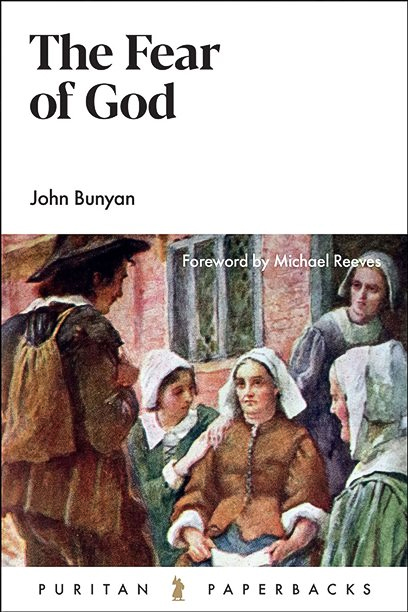
The book is divided into six sections. While it can be a dense read, this is typical of Bunyan’s writing and reflects his Puritan perspective. At times his thoughts are hard to follow because he covers a broad range of principles, making it challenging to stay focused on the main subject. It’s understandable to wish he would get straight to the point in certain places, but that’s not how this book is meant to be read. It is designed for slow, careful reflection. As a treatise, it explores a wide range of biblical teachings that help believers understand how to think about the fear of God and how to live in that fear in a way that honors their Creator.
I. God Himself: The Object of Holy Fear
Chapter title of the 1854 Edition from George Offor, Bunyan’s work first published in 1679: This Word Fear as Taken for God Himself
God Himself as the object of fear, particularly His dreadful majesty, presence, name, and worship. He explains why even the revelation of God’s goodness and forgiveness produces reverent trembling.
This section examines why God Himself is the object of holy fear and why that fear is essential to everything we do in His service. Bunyan begins with the true and living God, the Creator and Sustainer of all things, whose majesty is beyond human comprehension and whose presence extends throughout heaven and earth. Nothing escapes His knowledge or authority. He describes the fear of God as the highest duty, not because it replaces other duties, but because it must accompany them all. Without godly fear, even our religious duties cannot be acceptable worship before Him (Hebrews 12:28).
Bunyan identifies three reasons God’s presence is dreadful. First, His infinite greatness and majesty reveal the immense difference between God and His creatures. The experiences of Jacob, Daniel, and others demonstrate that an encounter with God’s presence, even when gracious, produces profound reverence and trembling (Genesis 28:16–17; Daniel 10:8–17). Second, His presence reveals our corruption and unworthiness. What may appear righteous or commendable in ourselves becomes insignificant when confronted with His holiness. Daniel’s strength failed, Isaiah recognized his uncleanness, and Job repented in dust and ashes (Isaiah 6:5; Job 42:5–6). Third, and perhaps most strikingly, God’s goodness and mercy do not diminish this fear but deepen it. The knowledge that such a great and holy God should extend forgiveness and mercy to sinners produces an even greater awareness of His majesty and our unworthiness. We are therefore called to rejoice with trembling, receiving His forgiveness with gratitude while remaining conscious of the holiness of the One who forgives (Psalm 2:11; Hosea 3:5).
Bunyan next considers the name of God, explaining that His name expresses His nature and therefore must be regarded with the same reverence due to God Himself. His holiness, power, goodness, justice, and mercy are revealed through His name, making its careless or profane use a serious matter. This extends beyond blasphemy or false oaths to the manner in which we speak of God, invoke His name, profess to belong to Him, and conduct ourselves as Christians. His name is holy and reverend, and those who name Christ are called to depart from iniquity (Psalm 111:9; 2 Timothy 2:19).
The section concludes with what I consider one of its most searching subjects: the fear of God in worship. Bunyan argues that worship is especially dreadful because it is offered directly to God, who is present among His people, jealous concerning His worship, and attentive to both its substance and manner. His examples of Nadab and Abihu, Eli’s sons, Uzzah, Ananias and Sapphira, and the judgments at Corinth demonstrate the seriousness of approaching God without proper reverence or obedience (Leviticus 10:1–3; 1 Corinthians 11:27–32). These accounts are not presented merely as historical warnings but as reasons to examine how we ourselves approach Him. Bunyan consequently rebukes those who neglect worship altogether, those who attend outwardly without engaging their hearts, and those who disregard whether their worship accords with God’s requirements.
What I take from this section is that the fear of God is neither an occasional religious feeling nor something confined to moments of extraordinary spiritual experience. It belongs to our understanding of who God is and should govern our response to His presence, our use of His name, and every act of worship. His goodness invites us to draw near, while His holiness requires that we do so with reverence, humility, sincerity, and obedience. The central concern is not simply that we worship God, but that we approach Him as the holy God He has revealed Himself to be, remembering His declaration: “I will be sanctified in them that come nigh me” (Leviticus 10:3).
II. God’s Word: The Rule and Guide of Holy Fear
Chapter title of the 1854 Edition from George Offor, Bunyan’s work first published in 1679: Of This Word Fear as It Is Taken for the Word of God
The written Word of God as the rule and director of godly fear. Bunyan emphasizes its divine authority, eternal truth, power to judge, and the necessity of trembling at and obeying it.
In this section, Bunyan explains how the fear of the Lord is also understood as the written Word of God, which serves as the rule and guide by which we learn to fear Him rightly. Drawing from Psalm 19:7–9, he identifies the fear of the Lord with God’s law, testimonies, statutes, commandments, and judgments. Scripture is therefore not merely something to be studied or acknowledged, but the authoritative revelation through which we learn who God is, what He requires, and how we are to live before Him. Without its instruction, we cannot know how to fear the Lord in a saving way. Those who receive His Word with humility and trembling are regarded favorably by God, as demonstrated through Josiah’s response to the law, those who heeded God’s warning in Egypt, and those who gathered with Ezra in repentance over Israel’s transgressions (Isaiah 66:2; Exodus 9:20–25; Ezra 9:4).
Bunyan identifies three reasons the Word of God is itself fearful. First, it comes from God Himself, bearing the authority and majesty of its divine Author. The prophets spoke in His name, declaring what the Lord had spoken, and their words were to be received accordingly. Second, its subject matter concerns our eternal condition. Its doctrines, promises, warnings, commandments, and judgments reveal what awaits us beyond this life, including eternal glory and eternal condemnation. Christ Himself declares that the Word He has spoken will judge us at the last day (John 12:48). Third, God’s Word is fearful because of its absolute truth and faithfulness. It cannot be broken, overturned, or rendered ineffective by human opposition. Heaven and earth will pass away, but His words will not pass away (Matthew 24:35; John 10:35). These considerations establish why Scripture must govern our understanding, affections, decisions, conduct, and worship.
Bunyan places particular emphasis on the consequences of losing reverence for God’s Word. He identifies this neglect as the underlying cause of disorder in the heart, personal conduct, conversation, and Christian fellowship. To disregard Scripture is to turn away from the standard by which God instructs and judges us, leaving our desires, opinions, and inclinations to govern our lives. Conversely, reverence for the Word restrains us from sin and directs us toward obedience. The distinction is expressed in Proverbs 13:13: those who despise the Word face destruction, while those who fear the commandment receive its promised reward.
The section concludes with three serious warnings. The first concerns those who reject God’s Word and instead follow the desires of the flesh, the eyes, and the pride of life. Bunyan describes their conduct as rebellion, comparing it with those in Jeremiah’s day who openly refused to obey the Lord (Jeremiah 44:16). The second concerns those who esteem human approval, pleasure, or threats above the authority of Scripture. Even when they acknowledge God’s Word outwardly, they surrender their obedience when confronted with opposition, recalling Christ’s warning against being ashamed of Him and His words (Mark 8:38). The third concerns those who openly mock, despise, or seek to undermine Scripture’s divine authority. Bunyan warns that the apparent delay of judgment must not be mistaken for its absence, since the very Word they reject will ultimately stand in judgment against them (2 Chronicles 36:15; John 12:48).
What I take from this section is that the fear of God cannot be separated from our regard for His written Word. To fear God is to receive His Word as true, authoritative, enduring, and binding upon our lives, even when it confronts our desires, exposes our sins, or places us at odds with the opinions of others. Reverence for Scripture is demonstrated not simply by professing its authority, but by submitting to its instruction, heeding its warnings, trusting its promises, and ordering our lives accordingly. Bunyan’s central concern is that we recognize the authority of the One who speaks through Scripture and learn to fear His Word above every competing influence, remembering that it is both the guide of our present lives and the standard by which we will ultimately be judged.
III. Distinguishing Natural, Ungodly, and Temporary Fear of God
Chapter title of the 1854 Edition from George Offor, Bunyan’s work first published in 1679: Of Several Sorts of Fear of God in the Heart of the Children of Men
Three forms of fear distinguished from lasting, saving fear: natural fear arising from human understanding, ungodly fear arising under divine dealings, and a genuine but temporary fear associated with conviction of sin. Bunyan also examines the difference between initial conviction, adoption, fatherly chastisement, and deceptive fears.
Bunyan begins this section by distinguishing several kinds of fear that may exist in the human heart, not all of which constitute the true and lasting fear of God. The first arises from the light of nature, through which men possess some knowledge of God and a moral awareness that restrains their conduct toward others. Abraham’s concern that there was no fear of God among the people of Gerar illustrates how the absence of this natural restraint leaves men vulnerable to their sinful desires (Genesis 20:11). Such fear may encourage honesty, justice, and reasonable conduct, but it is not necessarily the saving fear produced by God’s grace. This distinction is important because an outwardly moral life, or even an acknowledgment of God’s existence and authority, does not establish that a person possesses the godly fear which accompanies eternal life.
The second kind is an ungodly fear arising from God’s dealings with men, particularly when they become conscious of His judgments. Bunyan identifies several ways this fear manifests itself. It produces resentment and resistance against God, as demonstrated by the Israelites in the wilderness; it causes sinners to flee from His presence, as Adam did after his disobedience; and it may discourage religious duties, as illustrated by the servant who buried his talent because he regarded his master as harsh (Genesis 3:10; Exodus 14:11–13; Matthew 25:24–25). More seriously, this fear can prevent men from trusting wholly in Christ’s righteousness for justification, leading them instead to depend partly upon their own works. It may also produce invented religious practices intended to appease God, rather than obedience to what He has revealed. Bunyan’s warning is that fear itself is not evidence of holiness. When it produces unbelief, rebellion, spiritual inactivity, or reliance upon human works and traditions, it demonstrates a false understanding of God rather than a heart reconciled to Him.
The third kind is especially significant because Bunyan describes a fear that is genuinely godly, yet is intended to continue only for a time. It arises when the Holy Spirit, working through the law as the Spirit of bondage, awakens sinners to the reality of their guilt and the condemnation they justly deserve. The three thousand at Pentecost, the Philippian jailer, and Paul demonstrate the distress that follows such conviction and the urgent desire to be saved (Acts 2:37; 16:29–30; 9:1–19). This fear is good because it brings the sinner to acknowledge God’s righteous judgment, confess sin, abandon confidence in personal merit, and seek mercy from God. Bunyan describes the sinner as brought low before Him, unwilling to be satisfied with anything less than forgiveness and cleansing from God Himself. Yet this fear of eternal condemnation is not intended to remain after the sinner has received Christ by faith. Its purpose is fulfilled when the Holy Spirit brings the soul from conviction under the law into the assurance of salvation through the gospel (Romans 3:20; 8:15).
Bunyan concludes with an extended distinction between the Spirit of bondage and the Spirit of adoption. Once a person has been brought into Christ and received the Spirit of adoption, the former fear of eternal condemnation no longer has a rightful foundation, for the believer now stands in Christ’s righteousness rather than under the condemnation of the law (Romans 8:1, 15). Bunyan argues that renewed fears of damnation in such a believer arise from deception, unbelief, and mistaken apprehensions of God’s dealings, not from the Holy Spirit repeating His former work of bondage. Nevertheless, adoption does not remove the necessity of fearing God or the seriousness of sin. God remains a holy Father who may severely chastise His children, withdraw the comfort of His presence, and bring them into deep distress for their disobedience. The experiences of Job, David, and the church in Lamentations show that even under grievous affliction, God’s people must continue to trust Him rather than conclude that they have been abandoned. What I find central to this distinction is that the Christian is not delivered from the fear of God, but from the fear of condemnation. The fear that remains is that of a child toward his Father, grounded in His wisdom, power, omnipresence, holiness, and goodness. It leads not to fleeing from God, but to repentance, obedience, confidence in His mercy, and reverence before Him (1 Peter 1:14–17; Hosea 3:5).
IV. The Grace of Godly Fear: Its Nature, Sources, and Fruits
Chapter title of the 1854 Edition from George Offor, Bunyan’s work first published in 1679: Of the Grace of Fear More Immediately Intended in the Text
The enduring, Spirit-given grace of godly fear. Bunyan describes its scriptural character, the spiritual realities from which it arises—including faith, repentance, and God’s mercy—and the many fruits it produces in Christian character and conduct.
Bunyan begins by describing the lasting fear of God as a grace bestowed upon the believer through the Holy Spirit. Unlike the fear of condemnation that accompanies the Spirit’s work of bondage, this fear belongs to those who have received the Spirit of adoption and now approach God as their Father. Bunyan calls it a precious treasure, a fruit of God’s eternal love, and a grace that makes a person excellent in His sight. Job is presented as an example, not simply because he possessed knowledge of God’s will, but because he sincerely obeyed Him and departed from evil (Job 1:8). This fear softens the heart and maintains reverence for God’s mercy and judgments. Bunyan further describes it as the beginning of knowledge and wisdom, a hatred of evil, a fountain of life, and the instruction of wisdom (Proverbs 1:7; 14:27; 15:33). It enables the believer to recognize what is pleasing to God, depart from sin, and maintain a proper regard for Him in both understanding and conduct.
Bunyan next looks at the sources from which this grace of fear proceeds. He identifies eleven, beginning with God’s distinguishing love and everlasting covenant, through which He promises to place His fear within the hearts of His people so that they will not finally depart from Him (Jeremiah 32:38-40). This fear requires a new heart, receives its instruction through the lasting impression of God’s Word, and grows through faith and genuine repentance. Noah demonstrates the connection between faith and fear when he responds to God’s warning by preparing the ark (Hebrews 11:7). Bunyan also emphasizes that godly fear arises from the recognition of God’s goodness and forgiveness, for there is forgiveness with Him that He may be feared (Psalm 130:3-4). It is further nourished by considering God’s judgments, remembering our former conviction of sin, receiving answers to prayer, and recognizing that God knows every thought and movement of the heart. Finally, the knowledge that God judges impartially according to each person’s works calls the believer to pass the time of his earthly life in fear (1 Peter 1:17).
Having established what produces godly fear, Bunyan turns to its fruits, identifying fourteen ways it becomes evident in the Christian life. It first produces reverence for God’s person, name, and glory, together with a sincere concern whenever His honor is disregarded. It also produces watchfulness over the heart, speech, conduct, and temptations that threaten obedience. Those who fear God are moved to speak together concerning His name and works, encouraging one another in holiness, while approaching His ordinances with proper reverence (Malachi 3:16; Psalm 5:7). Godly fear also produces self-denial. Nehemiah refused to exploit the people under his authority because he feared God, and Paul willingly set aside lawful liberties rather than become an occasion of stumbling to others. Bunyan then connects this fear with singleness of heart, in which obedience is rendered sincerely for God’s sake rather than for human approval or personal advantage. It also produces compassion toward those in distress, as demonstrated by Obadiah, who protected and fed God’s prophets despite the danger posed by Jezebel (Nehemiah 5:15; 1 Kings 18:3-4).
The remaining fruits concern prayer, obedience, humility, hope, and the enlargement of the heart. Bunyan identifies fervent and continual prayer as an inseparable effect of godly fear, using Cornelius as an example of a man who feared God, gave generously, and prayed continually (Acts 10:1-2). Abraham demonstrates its power to surrender even what is most precious when God commands it, as seen in his willingness to offer Isaac (Genesis 22:12). Godly fear also restrains spiritual pride, keeps us conscious of our need for mercy, and makes us willing to receive correction and instruction. Rather than extinguishing hope, it directs the soul toward God’s mercy in Christ, for the Lord takes pleasure in those who fear Him and hope in His mercy (Psalm 147:11). This fear also encourages the conscientious use of the means God has appointed for holiness and salvation. Bunyan is careful to distinguish such diligence from any claim that works can purchase eternal life. True faith and hope are accompanied by obedience, delight in God’s commandments, and a heart enlarged toward God, His ways, His people, and the salvation of others (Psalm 112:1; Isaiah 60:5).
What I take from this section is Bunyan’s distinction between fear as a passing response to judgment and fear as an enduring grace established within the heart by God Himself. It is not produced by human determination, nor is it measured merely by outward religious duties. It arises from God’s gracious work, is nourished by His Word, faith, repentance, and the knowledge of His mercy, and is made evident through the character and conduct of those who possess it. Its effects appear throughout the Christian life, over worship, prayer, personal holiness, relationships with others, and obedience to God’s commandments. Most importantly, this fear does not stand opposed to the believer’s love for God or hope in His mercy. Bunyan presents them as closely joined. The believer fears God as a child fears his Father, with a heart made tender toward His holiness, grateful for His goodness, and increasingly willing to do His will.
V. The Promised Blessings of Those Who Fear the Lord
Chapter title of the 1854 Edition from George Offor, Bunyan’s work first published in 1679: Of the Privileges of Them That Thus Do Fear the Lord
The particular promises and privileges belonging to those who fear the Lord, including divine guidance, protection, mercy, provision, salvation, and blessing. Bunyan distinguishes these promised privileges from the inward fruits discussed in Section IV.
In this section, Bunyan turns from the fruits of godly fear to the particular privileges God has promised to those who possess it. While the preceding section examined what this grace produces within the believer, here he identifies thirteen blessings belonging to those who fear the Lord. The first is the privilege of trusting in God, who promises to be their help and shield against the assaults of the enemy and the world (Psalm 115:11). God also undertakes to teach and guide them in the way they have chosen, preserving them from ignorance and the deceit of those who would turn them aside (Psalm 25:12). This instruction includes the privilege of knowing His presence and receiving the revelation of His covenant. Bunyan gives specific attention to the secret of the Lord, identifying it with Christ Himself, in whom are hidden the treasures of wisdom and knowledge. Those who fear God are therefore brought to know Christ and their own interest in the everlasting covenant established in Him (Psalm 25:14; Colossians 2:3, 9).
Bunyan next describes God’s continual care and protection over those who fear Him. His eye remains upon them, not to seek their destruction, but to preserve, instruct, and deliver them from spiritual and eternal death (Psalm 33:18–19). He also promises that they shall lack no good thing, though Bunyan carefully explains that what is good for a believer must be determined by God rather than by outward circumstances. Health or sickness, riches or poverty, life or death may serve the believer’s good according to God’s wisdom (Psalm 34:9–10). Another privilege is the ministry of angels, whom God appoints to encamp around and deliver those who fear Him. Bunyan recalls the protection of Elisha and Hezekiah, together with other accounts of angelic intervention, to demonstrate that the servants of God are not without heavenly assistance (Psalm 34:7). Beyond this protection, the salvation of God is always near them, delivering them from their spiritual enemies, particularly sin, Satan, and death. Bunyan emphasizes that God’s children are never left alone, whether in temptation, affliction, sickness, or approaching death, because His saving grace remains near them (Psalm 85:9).
The privileges continue with God’s everlasting mercy, His fatherly compassion, His willingness to hear prayer, and His pleasure in those who fear Him. Bunyan describes the mercy of God as extending from everlasting to everlasting, covering and preserving His people through every trial and beyond the present world (Psalm 103:17). This mercy is accompanied by the compassion of a Father who pities His children, understands their infirmities, and sympathizes with them in their afflictions (Psalm 103:13). God also promises to hear their cries and fulfill their desires (Psalm 145:19). Bunyan places particular emphasis upon the believer’s desire for salvation, deliverance from temptation, freedom from sin, and the final enjoyment of God’s presence. Though these things may require patient waiting, their fulfillment rests upon God’s promise. He further declares that the Lord takes pleasure in those who fear Him, regarding their sincere obedience, prayers, and efforts to serve Him with delight (Psalm 147:11). Even their imperfect attempts are received with fatherly tenderness, as illustrated by Christ’s regard for the widow who offered her two mites. The value of such service is not measured merely by its outward greatness, but by the reverence and sincerity with which it is offered.
Bunyan concludes with the promise that God’s blessing belongs to all who truly fear Him, both small and great (Psalm 115:13). He applies this distinction to those who possess little standing in the world, to children, and to those who are comparatively small in spiritual gifts or grace. None are excluded from the promised blessing on account of their weakness or obscurity. The least among God’s people share with the greatest in the same eternal life, salvation, and glory. Bunyan then presents Psalm 128 as a psalm particularly suited to those who fear the Lord, celebrating the blessings of walking in His ways, the enjoyment of one’s labor, the household, succeeding generations, and the peace of God’s people. Finally, he answers the objection that perfect love casts out fear (1 John 4:18). He distinguishes the tormenting fear associated with condemnation from the gracious, childlike fear that belongs to those who have received the Spirit of adoption. The former is cast out by love, but the latter remains and adorns the believer’s life and worship. I understand Bunyan’s conclusion to be that the fear of God does not deprive the Christian of comfort, confidence, or love. Rather, the one who truly fears the Lord is granted extraordinary privileges through God’s promises, together with the assurance that His mercy, protection, guidance, and salvation will not fail.
VI. The Fear of God Applied: Self-Examination, Growth, and Encouragement
Chapter title of the 1854 Edition from George Offor, Bunyan’s work first published in 1679: The Use of This Doctrine
The practical application of the entire doctrine. Bunyan calls readers to examine themselves, exhorts believers to increase in godly fear, identifies what encourages and hinders its growth, comforts those who possess it, and warns against hypocrisy.
In this final section, Bunyan brings his thoughts on the fear of God to their practical application, beginning with the necessity of examining ourselves to determine whether this grace is truly present in our hearts. He reminds us that no one possesses godly fear by nature, for it proceeds from a new heart, faith, repentance, and the work of God’s grace. Its presence cannot be established merely by religious profession or an outward appearance of obedience. Bunyan identifies twelve characteristics that reveal its absence, including pride, covetousness, gluttony, lying, hostility toward God’s people, disregard for His judgments, and a failure to humble ourselves over sin. He also warns against seeking God’s help during affliction only to return to disobedience when relief comes. His concern is that we examine not only what we profess, but what governs our affections, conduct, and obedience. Fear produced by circumstances or the threat of punishment may restrain sinful behavior temporarily without producing love for God or willing submission to Him. We must therefore examine our hearts alongside the Word of God, distinguishing sincere godly fear from an outward profession that lacks its inward reality.
Bunyan then exhorts those who already fear God to grow continually in this grace. He explains that although every true believer possesses godly fear, its strength differs among believers, as illustrated by Obadiah, who feared the Lord greatly (1 Kings 18:3). The possession of this grace should never become a reason for complacency. Bunyan presents numerous reasons for seeking its increase, beginning with God’s distinguishing love in granting such a precious gift. Growth in godly fear preserves us from many sins, strengthens our obedience, exercises the other graces of the Spirit, and promotes the perfection of holiness (2 Corinthians 7:1). It produces wisdom, humility, a tender conscience, and greater boldness before God and men. Bunyan also associates its increase with faithfulness in our responsibilities, deliverance from spiritual dangers, and usefulness in turning others away from iniquity. His repeated encouragement is that we should not be satisfied merely to possess this grace, but should cultivate it so that our lives increasingly demonstrate its presence.
Bunyan next provides thirteen directions for growing in godly fear. He begins by insisting that we distinguish carefully between true, lasting godly fear and those forms of fear that are either ungodly or intended to continue only for a time. In particular, believers who have received the Spirit of adoption must resist the return of slavish fears of condemnation, which undermine faith and disturb the assurance given through Christ. Instead, Bunyan directs us toward a fuller understanding of the new covenant, the promises of salvation, and the evidence of God’s gracious work within our hearts. We are to strengthen faith, remember God’s former mercies, and meditate upon His goodness, recognizing that His promises encourage the growth of filial fear rather than diminish it (Hosea 3:5). Bunyan also instructs us to remember God’s judgments upon the hypocritical and the disobedient, consider the excellencies and privileges of godly fear, and pray earnestly for its increase. He concludes these directions by urging us to devote ourselves to contemplating God and reverencing His name, Word, and worship. The practice of godly fear therefore requires deliberate attention to what God has revealed, continued dependence upon His grace, and the exercise of those spiritual duties through which this fear is strengthened.
Having explained how godly fear grows, Bunyan identifies ten things that hinder its increase. Foremost among them is hardness of heart, which makes the soul increasingly resistant to conviction, repentance, and obedience. A prayerless heart likewise deprives this grace of its proper nourishment, while levity, covetousness, and unbelief weaken the soul’s regard for God. He further warns against forgetfulness, particularly the neglect of remembering God’s mercies, patience, and judgments. Murmuring against His providence is especially dangerous because it places our judgment above His wisdom and righteousness. Pride, contentiousness, and envy are equally destructive, whereas meekness and humility provide suitable ground for godly fear to flourish. Bunyan concludes these warnings by addressing the deliberate hardening of the heart against convictions concerning particular duties, such as prayer, charity, and self-denial. Such convictions ought to be received rather than resisted, for they help preserve tenderness of heart and obedience before God. His instruction throughout is that we must guard the inward condition of the soul, recognizing how readily our own sins and dispositions can obstruct the growth of this grace.
Bunyan concludes with encouragement for those who possess godly fear, followed by a final warning against hypocrisy. He reminds believers that this grace belongs to God’s everlasting covenant and has been placed within their hearts to preserve them from final apostasy (Jeremiah 32:40). Its strength may differ considerably among believers, yet even the smallest genuine measure is evidence of spiritual life. Bunyan compares godly fear to the pulse of the body: some pulses beat strongly and others weakly, but where the pulse remains, life is present. He further explains that sincere desires to fear God arise from grace already present within the soul, and that God does not despise those desires (Nehemiah 1:11).
This encouragement extends to believers who lack wealth, ability, learning, or opportunities for outward service, for they may nevertheless fear, love, and believe in God, even in sickness or confinement. Worldly distinction is therefore no measure of the blessedness belonging to those who fear Him. Yet Bunyan ends with a severe warning to hypocrites, who seek the appearance of godliness before men while remaining strangers to its inward reality. Outward obedience, religious activity, and public reputation cannot replace the fear of God within the heart. What I find most important in this concluding section is Bunyan’s insistence that godly fear must be present, diligently cultivated, and preserved from everything that weakens it. It is the inward grace that accompanies sincere obedience, guards the believer against departing from God, and distinguishes those who truly belong to Him from those who possess only the appearance of religion.
Reflections
When we talk about fearing God, it’s not about being scared of some unpredictable power. It’s about deep respect and awe for the one true, living God, the Creator of everything from galaxies to the breath in your lungs. He holds it all together by His word. Hebrews 12:29 says, “Our God is a consuming fire.” That’s intense, but it’s meant to remind us of His holiness and majesty, not drive us away in terror. Isaiah 40:15 paints the picture perfectly: “Behold, the nations are as a drop of a bucket and are counted as the small dust of the balance.” To revere God, then, is to acknowledge that He is immeasurably greater than we can imagine and worthy of our obedience and worship.
This extended thinking centers on the truth that the fear of the Lord is not merely an emotion or posture, but the recognition of God Himself as both fearsome and worthy of reverence in all His self-revelation. This highlights the importance of reverence, helping the audience appreciate the deep respect owed to God’s self-revelation in His presence, His name, and His worship. The term “fear,” as used in Scripture, is sometimes a direct synonym for God Himself, as in Jacob’s invocation of the “Fear of Isaac.”
We should understand how God’s glorious presence produces trembling and dread in the soul, not because of terror alone, but because of the overwhelming majesty of divine revelation. Instances from Jacob’s visions, Daniel’s trembling, and Isaiah’s undone spirit reveal that even in mercy, God’s nearness exposes man’s creatureliness and corruption. The brighter the revelation, the more the soul is driven to both humility and adoration, trembling with joy at mercy undeserved.
The same fear is in God’s name because His name reveals His nature: majestic, holy, powerful, and jealous. The believer must carry an inward gravity when speaking of or even thinking upon the name of the Lord, especially in acts of religious devotion. With examples of divine judgment upon Nadab and Abihu, Uzzah, and Ananias and Sapphira, to trifle with God’s ordinances is to invite holy wrath. He rebukes those who do not worship, those who worship formally but without heart, and those who worship according to human invention rather than divine command. To rightly fear God is not to shrink from Him in abject terror, but to draw near in awe-struck reverence, brokenness, and purity, rejoicing in His mercy with trembling, and fearing His name as the beginning of wisdom and the fountain of all true worship.
About Fear & Dread
A. His Presence
Even when God is present in the most loving, merciful, and comforting way, that presence brings a settled peace. Because God is infinitely holy, His nearness doesn’t just soothe; it also humbles, sobers, and fills a person with deep reverence and assurance. This mixture of peace and fear should remind us of God’s majesty and inspire both trust and reverence.
1. What Causes Holy Fear
| Specific Cause | Biblical Emphasis | Main Passages |
|---|---|---|
| God’s greatness and majesty | Divine glory overwhelms us as creatures | Rev 1:17; Job 13:21–22; Gen 28:10–17; Gen 32:30; Dan 10:16–17 |
| God reveals man to himself | Divine light exposes corruption and uncleanness | Dan 10:8,16; Isa 6:5; Job 42:5–6 |
| God’s goodness and mercy | Forgiveness and goodness produce deep reverence | Hos 3:5; Jer 5:22; Jer 33:8–9; Ps 2:11; Ezek 16:63 |
2. What it means to “dread” the LORD
The command, “Sanctify the Lord of hosts himself; and let him be your fear, and let him be your dread” (Isaiah 8:13), stands naturally within this entire biblical pattern. The passage does not call the believer to regard God as evil, cruel, or repulsive, but to recognize Him as the supreme and overwhelming reality before whom all lesser fears collapse. The dread spoken of is the fitting response of the creature before the Creator, of the finite before the Infinite, of the impure before absolute holiness, and yet also of the beloved before immeasurable goodness and mercy.
This is why Scripture repeatedly joins attraction to God with trembling before Him, emphasizing reverence and awe in response to divine majesty. Jacob, after receiving promises of mercy and covenant blessing, awoke and cried, “Surely the Lord is in this place,” and “he was afraid, and said, How dreadful is this place!” (Genesis 28:16–17). The fear arose not from rejection, but from the realization that he had encountered divine reality itself. Likewise, Isaiah, upon seeing “the King, the Lord of hosts,” did not become casual or self-assured, but cried, “Woe is me! for I am undone” (Isaiah 6:5). Daniel, though addressed as “greatly beloved,” found that “there remained no strength” in him before the heavenly vision (Daniel 10:8, 16–17). John, the beloved disciple himself, “fell at his feet as dead” when he saw the glorified Christ (Revelation 1:17). In every case, the fear is the natural response to unveiled majesty, illustrating the biblical theme of reverence and awe before God’s majesty.
Yet Scripture presses even further, showing that mercy itself intensifies this holy fear and that divine kindness deepens reverence. “They shall fear the Lord and his goodness” (Hosea 3:5). The soul trembles not only because God is holy, but because this infinitely holy God shows mercy to the unworthy. Job says, “Now mine eye seeth thee; wherefore I abhor myself and repent in dust and ashes” (Job 42:5–6). Jeremiah declares concerning forgiveness, “They shall fear and tremble for all the goodness and for all the prosperity that I procure unto it” (Jeremiah 33:9). Thus, divine goodness does not dissolve reverence; it deepens it. The greater the revelation of mercy, the greater the awareness of the immeasurable distance between God’s purity and the creature’s unworthiness.
This is why Scripture can command both joy and trembling together: “Serve the Lord with fear, and rejoice with trembling” (Psalm 2:11). The fear of the Lord is therefore not the opposite of love, desire, communion, or delight. Instead, it reveals how love approaches infinite holiness, desire faces absolute majesty, and communion with the self-existent God evokes reverence. The soul longs for Him because He is its highest good, yet trembles because He is infinitely weightier, purer, truer, and more real than itself, illustrating the coexistence of joy and trembling in divine reverence.
Accordingly, to “let Him be your fear” means to allow God Himself—His presence, His Word, His holiness, His authority, His goodness, and His majesty—to become the controlling reality of the heart. For instance, Abraham’s reverence before God (Genesis [xx]) and Daniel’s humility in the presence of the angel (Daniel [xx]) exemplify this holy fear. All lesser fears are displaced when the soul apprehends the greatness of God. “Fear ye not me? saith the Lord; will ye not tremble at my presence?” (Jeremiah 5:22). This fear is not slavish terror driving the soul away from God, but holy reverence drawing the soul into humility, obedience, worship, repentance, and trembling joy before Him.
B. His Name
1. God’s Name Reveals God’s Nature
The author reasons that the name of God is fearful because it expresses who God truly is. A name distinguishes and identifies, but God’s name uniquely reveals His attributes and nature. Therefore, when Scripture speaks of fearing God’s name, it is speaking of reverence toward the majesty, holiness, goodness, power, eternity, and justice revealed in that name. The fear belongs not merely to the word itself, but to the divine reality the name declares.
2. God’s Name Is the Object of Reverent Fear
Because God’s name reveals His nature, it must always be approached with reverence, awe, and sobriety. The author presents the fear of God’s name as a continual duty of the believer and as a mark of a gracious heart. This fear is not confined to formal worship alone, but extends to every occasion in which God’s name is spoken, heard, remembered, preached, prayed, or discussed.
3. Religious Use of God’s Name Requires Sobriety
The author places particular emphasis upon the use of God’s name in religious duties such as preaching, prayer, and holy conversation. He warns against lightness, vanity, or careless speech in sacred matters. The greater the holiness of the context, the greater the required reverence. To speak of God while maintaining a frivolous or careless spirit is presented as inconsistent with true fear of the Lord.
4. To Use God’s Name Lightly Is to Profane It
The passage teaches that the irreverent use of God’s name is not a minor matter but rather profanation. Light speech, false swearing, vain appeals to God, blasphemy, and fraudulent use of His name are all treated as violations against the honor due to Him. Since the name expresses God’s own nature, misuse of the name becomes dishonor directed toward God Himself.
5. God Judges the Profaning of His Name
Scripture warns of judgment against those who misuse the name of God. Scripture is cited to show that God is jealous for the honor of His name and will not hold guiltless those who take it in vain. False oaths, deceptive appeals to divine witness, and blasphemous speech are presented as serious offenses that place a person under divine judgment.
| Warning | Central Point | Emphasis | Reference |
|---|---|---|---|
| 1. God’s Name Reveals God’s Nature | God’s name expresses His nature and attributes | Holiness, majesty, mercy, justice, eternity | Deuteronomy 28:58; Psalm 111:9; Exodus 34:6–7 |
| 2. God’s Name Is the Object of Reverent Fear | Believers are to fear and revere God’s name continually | Awe, reverence, fear, worship | Psalm 86:11; Psalm 102:15; Isaiah 59:19; Malachi 1:14; 1:6; 4:2; Revelation 11:18 |
| 3. Sacred Use Requires Soberness | God’s name must not be used lightly in worship or holy duties | Prayer, preaching, holy conversation | 2 Timothy 2:19 |
| 4. Light Use of God’s Name Is Profanation | Careless or false use of God’s name dishonors Him | Vanity, blasphemy, false oaths, fraud | Exodus 20:7; Leviticus 20:3 |
| 5. God Judges the Profaning of His Name | God punishes those who misuse His name | Divine jealousy and judgment | Jeremiah 14:14–15; Ezekiel 20:39; Exodus 20:7 |
C. His Worship and Service
Worship and service of God are dreadful and fearful because they belong to God Himself, whose presence and name are already established as glorious, holy, weighty, and fearful. Worship is therefore never treated as casual, light, common, or merely an outward activity. David approaches the house of God conscious of mercy, yet also conscious of fear: “But as for me, I will come into thy house in the multitude of thy mercy, and in thy fear will I worship toward thy holy temple” (Psalm 5:7). Likewise, worship is repeatedly joined to trembling reverence: “Serve the Lord with fear” and “rejoice with trembling” (Psalm 2:11). Even praise itself is described in fearful terms when Moses declares, “Who is a God like unto thee, glorious in holiness, fearful in praises, doing wonders?” (Exodus 15:11). Thus, every part of divine service is to be conducted “with reverence and godly fear,” as believers are exhorted to cleanse themselves from “all filthiness of the flesh and spirit, perfecting holiness in the fear of God” (2 Corinthians 7:1; Hebrews 12).
We have several reasons why worship is fearful. First, worship is fearful because it is rendered to God. All service naturally carries fear according to the greatness of the one being served, whether princes, masters, or fathers.
Since divine worship is directed toward the infinitely great and dreadful God, His worship must necessarily carry the greatest reverence and dread. Second, God Himself is present among His worshippers. Christ says, “When two or three of you are gathered together in my name, I am there,” and in the vision of the churches He walks “in the midst of the seven golden candlesticks” with eyes “like a flame of fire” and a countenance “like the sun” (Revelation 1:13). Worship therefore happens under God’s direct gaze. He is jealous concerning His worship. In the second commandment, He warns, “I the Lord thy God am a jealous God” (Exodus 20), showing that both the matter and manner of worship stand under His holy scrutiny.
The preacher then strengthens the warning by recalling judgments God executed upon those who approached His worship without godly fear. Nadab and Abihu offered “false fire” before the Lord and were consumed by fire from heaven because God declared, “I will be sanctified in them that come nigh me” (Leviticus 10:1–3). Eli’s sons, who ministered carelessly in holy things, were slain in one day (1 Samuel 2). Uzzah died before the Lord for touching the ark unadvisedly when it was forsaken by the men carrying it (1 Chronicles 13:9–10). Ananias and Sapphira were struck dead in the church for lying before God because they lacked proper fear of His majesty, name, and worship (Acts 5). These judgments demonstrate that God’s worship is not to be treated as common, for His name rests upon His ordinances, His eye remains upon His worshippers, and His wrath abides against those who worship without fear.
We must then conclude that, next to God’s own nature and name, His instituted worship is the most dreadful thing under heaven. The worshipper stands before holy God Himself, under His direct observation, within ordinances bearing His name, and under warnings of judgment against irreverence.
This same principle explains why some at Corinth were judged for abusing the Lord’s Supper, being “cut off” or chastened by God Himself because they approached holy ordinances improperly (1 Corinthians 11:27–32). Worship is therefore not a casual religious activity, but a holy engagement before God’s dreadful presence, requiring reverence, sobriety, holiness, and joyful solemnity.
The LORD must be Worshipped Reverently
To fear God in worship is to come consciously before the living and dreadful being of God with the whole inward person subdued beneath His holiness, greatness, goodness, and presence. Worship is not merely outward participation in sacred acts, nor merely attendance within religious assemblies, but the soul’s reverent engagement before God Himself, who is present among His worshippers and jealous concerning His worship. The worshipper approaches not lightly, casually, or mechanically, but with deep awareness that He is a consuming fire (Hebrews 12:29), as He has declared, “I will be sanctified in them that come nigh me” (Leviticus 10:3).
The fear of God in worship begins inwardly within the heart. It is not enough for the lips to move, for prayers to be spoken, for psalms to be sung, or for forms to be observed. The soul itself must apprehend God as holy, weighty, glorious, and present. Therefore, worship must proceed “in spirit and in truth” (John 4:24), with the heart making melody unto the Lord (Ephesians 5:19). To sing before God while the heart wanders is not true worship. To pray before God while remaining untouched by reverence is dangerous presumption. The worshipper must therefore come with inward sincerity, spiritual attentiveness, contrition, and holy awe, trembling before God’s Word as Isaiah declares: “To this man will I look, even to him that is poor and of a contrite spirit, and trembleth at my word” (Isaiah 66:2).
This fear also affects the manner of worship. As earthly servants fear kings and masters, how much more should the creature fear the eternal God, whose eyes are “like a flame of fire” as He walks among His churches (Revelation 1:13–14). Thus, prayer, praise, hearing the Word, confession, and thanksgiving must be performed with reverence and godly fear (Hebrews 12:28). Even joy before God must remain within a deep reverence: “Serve the Lord with fear and rejoice with trembling” (Psalm 2:11).
Yet this fear is not terror of evil, nor flight from God. Repeatedly, we join fear with mercy, love, forgiveness, and longing for God. The soul fears because God is infinitely holy and yet receives sinners in mercy. Thus, believers “fear the Lord and his goodness” (Hosea 3:5). The worshipper rejoices in pardon while simultaneously becoming more conscious of personal unworthiness. Therefore, true worship produces both delight and brokenness: a joyful heart and a reverent spirit standing side by side before His divine presence.
Accordingly, to fear God in worship is to approach every act of divine service with:
- Inward sincerity,
- Deep reverence,
- Submission to God’s Word,
- Consciousness of divine presence,
- Hatred of hypocrisy,
- Holy sobriety,
- Spiritual attentiveness,
- Repentance,
- Gratitude for mercy,
- Heartfelt awareness of God’s holiness and majesty
To worship in which God is no longer known as holy, glorious, fearful, present, authoritative, and ultimate is a recurring source of ruin in Scripture.
Worship, Reverence, and Holy Fear in Scripture
| Liturgical / Worship Element | Anglican / Caroline | Westminster / Puritan | Strongly affirmed as central to worship and the Daily Office |
|---|---|---|---|
| Public Reading of Scripture | Strongly affirmed as central to worship and Daily Office | Strongly affirmed | Supports: 1 Timothy 4:13; Colossians 4:16 |
| Preaching / Sermon | Essential component of worship | Central and primary element of worship | Supports: 2 Timothy 4:2; Romans 10:14–17 |
| Prayer in Worship | Strongly affirmed, including written and collected prayers | Strongly affirmed, but preference for free prayer over imposed forms | Supports: 1 Timothy 2:1–2; Philippians 4:6 |
| Set / Written Prayers | Affirmed as lawful and spiritually useful | Permitted by some, viewed cautiously by others if imposed | Supports use by Anglicans: Matthew 6:9–13; Psalm numerous written prayers. Concerns raised from: Isaiah 29:13; Matthew 15:8–9 |
| The Lord’s Prayer in Fixed Use | Regularly recited liturgically | Accepted, though some objected to rigid repetition | Supports: Matthew 6:9–13; Luke 11:2 |
| Creeds Recited Publicly | Strongly affirmed | Generally accepted doctrinally, less emphasized liturgically | Supports: Romans 10:9–10; 1 Timothy 6:12 |
| Psalm Singing | Strongly affirmed | Strongly affirmed; often exclusive psalmody historically | Supports: Ephesians 5:19; Colossians 3:16 |
| Hymns Beyond Psalms | Accepted | Historically disputed among Puritans/Reformed | Supports use positively: Colossians 3:16 (“hymns” and “spiritual songs”) |
| Responsive Readings / Responses | Common and encouraged | Often minimized or absent | General support from ordered congregational worship: Nehemiah 8:6; 1 Corinthians 14:26 |
| Kneeling in Worship | Strongly encouraged, especially at Communion | Encouraged as a reverential posture | Supports: Psalm 95:6; Philippians 2:10 |
| Bowing / Bodily Reverence | Often treated cautiously as a potential ceremonial excess | Generally rejected except the Lord’s Day | Supports: Psalm 95:6. Concerns about externalism: Isaiah 29:13 |
| Church Calendar / Holy Days | Strongly affirmed | Family and private prayer are emphasized more than fixed offices | Anglican support from ordered remembrance and feast patterns: Leviticus 23. Puritan objections from: Galatians 4:10; Colossians 2:16 |
| Daily Office / Fixed Prayer Hours | Strongly affirmed | Often rejected as an unnecessary human ceremony | Supports: Psalm 55:17; Acts 3:1 |
| Vestments / Ceremonial Garments | Accepted as lawful and reverent | Frequently viewed cautiously as a distraction or human invention | Anglican support from OT priestly worship: Exodus 28. Puritan concern from simplicity/regulative instinct |
| Liturgical Responses (“Amen,” etc.) | Common and encouraged | Accepted in moderation | Supports: 1 Corinthians 14:16; Nehemiah 8:6 |
| Sacramental Centrality | Eucharist highly central | Word/preaching is generally more central, though sacraments are affirmed | Supports: 1 Corinthians 11:23–26; Matthew 28:19 |
| Frequent Communion | Often encouraged historically | Varied; sometimes less frequent | Supports: Acts 2:42 |
| Use of Beauty / Ornamentation | Often viewed as assisting reverence and holiness | Anglican appeal: Psalm 96:9 (“beauty of holiness”). Puritan concern for simplicity and avoidance of idolatrous excess | Permitted but often within an ordered structure |
| Fixed Liturgical Order | Strongly affirmed | Order affirmed, but imposed forms often resisted | Supports: 1 Corinthians 14:40 |
| Extemporaneous Prayer | Permitted but often within ordered structure | Strongly emphasized | Supports: Romans 8:26 |
| Regulative Principle of Worship | Generally rejected in strict Puritan form | Strongly affirmed | Westminster appeals to: Deuteronomy 12:32; Leviticus 10:1–3 |
| Normative Principle of Worship (what Scripture does not forbid may be lawful) | Broadly affirmed | Generally rejected | Anglican reasoning from Christian liberty, prudence, and order: 1 Corinthians 14:40 |
| Fear and Reverence in Worship | Strongly affirmed | Strongly affirmed | Supports: Hebrews 12:28–29; Psalm 2:11; Isaiah 66:2 |
| Worship Without Heart Reverence Forbidden | Strongly affirmed | Strongly affirmed | Forbids: Isaiah 29:13; Matthew 15:8–9 |
The Profanity of False Fear & Worship
All points revolve around the same central deficiency: no fear of God, false fear, outward worship without inward reverence, or worship shaped by human custom rather than holy awe.
- Those Who Do Not Truly Fear God
- Those Who Lack the Fear of God
- False Worshippers and Profaners of God
- Those Who Worship Without Holy Fear
- Those Who Stand Condemned for Irreverent Worship
- The Ungodly and Hypocritical in Worship
- Those Whose Worship God Rejects
- Those Who Profane the Worship of God
- Those Whose Fear of God Is False
- The Fearless, Hypocritical, and Vain in Worship
These are irreverent worshippers, vain worshippers, hypocritical worshippers, profaners of worship, godless worshippers, empty worshippers, formal without fear, fearless before God, corrupt worshippers, of heartless religion, false worship, and fear.
1. Those who do not worship God at all
Indicted for their utter disinterest in the Most High. They neither seek Him in private nor in public, and thus show no reverence for His majesty. Scripture speaks directly against such neglect: “Pour out thy fury upon the heathen that know thee not, and upon the families that call not on thy name” (Jeremiah 10:25). Likewise, the psalmist declares, “Pour out thy wrath upon the heathen that have not known thee, and upon the kingdoms that have not called upon thy name” (Psalm 79:6). Upon such negligent souls and households, the warning of divine judgment rests heavily.
2. Those who merely attend worship with their bodies but not their hearts
Sharply reproved as profaners of sacred assemblies. Many enter places of worship outwardly, yet come without true fear, love, or intention to honor God, treating holy things lightly or using them for social and carnal purposes. Against such empty attendance, Scripture warns: “This people draweth nigh unto me with their mouth, and honoureth me with their lips; but their heart is far from me” (Matthew 15:8). Likewise, the Lord rebukes those who tread His courts without sincerity: “Who hath required this at your hand, to tread my courts?” (Isaiah 1:12). Such irreverent participation is presented not as true worship, but as hypocrisy standing under judgment.
3. Those who worship God carelessly or by perfunctory effort
Denounced as hypocrites whose religion is outward and empty. Though their lips speak reverently, their hearts remain distant from God, and their fear is merely inherited from human custom and tradition rather than born from truth and holy reverence. The Lord declares, “Their fear toward me is taught by the precept of men” (Isaiah 29:13). Christ repeats this condemnation: “In vain they do worship me, teaching for doctrines the commandments of men” (Matthew 15:9). Therefore, God promises to expose and overthrow such false religion: “I will proceed to do a marvelous work among this people… for the wisdom of their wise men shall perish” (Isaiah 29:14). Their worship may appear religious before men, but before God it is vain and condemned.
Absence, Indifference, and Rebellion
Scripture treats this condition as one of the deepest forms of spiritual blindness and disorder because it strikes at the recognition of God as God. The warnings are not merely against isolated immoral acts, but against the collapse of proper perception, reverence, and response toward the divine majesty. When God is no longer apprehended as holy, weighty, authoritative, and ultimate, Scripture presents the result as inevitable corruption in worship, thought, morality, and life. God is no longer known as holy, serious, solemn, authoritative, and ultimate.
| Condition | Representative Biblical Passages | Scriptural Emphasis |
|---|---|---|
| Ungodliness | Romans 1:18; Titus 2:12 | Ungodliness is presented as living contrary to the reality, authority, and holiness of God. Romans speaks of “all ungodliness and unrighteousness of men,” while Titus calls believers to deny “ungodliness and worldly lusts.” |
| Contempt of God | 2 Samuel 12:9–10, 14; Psalm 10:13 | David is told, “Wherefore hast thou despised the commandment of the Lord?” and later, “because by this deed thou hast given great occasion to the enemies of the Lord to blaspheme.” Psalm 10:13 asks, “Wherefore doth the wicked contemn God?” |
| Godlessness | Ephesians 2:12; Psalm 14:1 | Ephesians describes those “without God in the world.” Psalm 14 begins, “The fool hath said in his heart, There is no God.” This is not merely intellectual denial, but life lived apart from reverence toward God. |
| Hardness of Heart | Hebrews 3:12–13; Exodus 7:13; Mark 6:52 | Hebrews warns against “an evil heart of unbelief.” Pharaoh’s hardened heart in Exodus becomes a central biblical example of resistance to God. Mark notes concerning the disciples, “their heart was hardened.” |
| Rebellion Against God | 1 Samuel 15:23; Jeremiah 5:22–23; Nehemiah 9:26 | “Rebellion is as the sin of witchcraft.” Jeremiah describes a people who “have a revolting and a rebellious heart.” Nehemiah recounts that Israel “rebelled against thee, and cast thy law behind their backs.” |
| Despisal of God | Numbers 14:11; Malachi 1:6–7; Luke 10:16 | God asks, “How long will this people provoke me?” Malachi records the priests despising God’s name. Christ says, “He that despiseth me despiseth him that sent me.” |
| Practical Atheism (even while outwardly religious) | Titus 1:16; Isaiah 29:13; Matthew 15:8–9 | Titus says, “They profess that they know God; but in works they deny him.” Isaiah and Christ both condemn those who honor God outwardly while their hearts remain far from Him. This is a functional denial of God beneath outward religion. |
Fearing God’s Word
The term “fear of the Lord” is shown, in specific biblical contexts, to refer to the written Word of God itself. The preacher establishes this chiefly through Psalm 19:7–9, where “the law of the Lord,” “the testimony of the Lord,” “the statutes of the Lord,” “the commandment of the Lord,” and “the fear of the Lord” are all placed together as parallel descriptions of the same divine revelation: “The fear of the Lord is clean, enduring for ever” (v. 9).
In this explanation, “the fear of the Lord” is treated not merely as an inward emotion, but as another designation for the pure, enlightening, righteous, and enduring Word itself. This understanding is reinforced by Moses’ command that Israel diligently teach God’s statutes to their children “that thou mightest fear the Lord thy God, to keep all his statutes and his commandments” (Deuteronomy 6:1–2, 6–7), showing that fear is learned through continual exposure to and obedience toward the revealed Word. The same pattern appears in Isaiah’s prophecy concerning Christ, who “shall smite the earth with the rod of his mouth” (Isaiah 11:4), understood here as the authoritative power of the Word proceeding from Him. Thus, the Word is elevated not merely as instruction, but as the instrument through which true and saving fear is formed, governed, and directed. Those who tremble at that Word are especially commended by God: “to this man will I look, even to him that is poor and of a contrite spirit, and trembleth at my word” (Isaiah 66:2). Likewise, reform and spiritual understanding consistently arise among those who fear the Word itself. King Josiah humbled himself when he heard “the words of the book of the law” and trembled before God (2 Kings 22:11, 19), and Ezra gathered those “that trembled at the words of the God of Israel” (Ezra 9:4). In each case, the fear of God is inseparably tied to reverence before His revealed Word.
The message deepens as the Word is further described as “fearful” because of its subject matter, divine origin, and absolute truthfulness. It speaks not of temporary things, but of eternal realities: life or death, salvation or judgment, heaven or destruction. Scripture declares, “The word that I have spoken, the same shall judge him in the last day” (John 12:48), and again, “the fear of the Lord is clean, enduring forever” (Psalm 19:9). The Word is immovable and unbreakable: “Heaven and earth shall pass away, but my words shall not pass away” (Matthew 24:35), and “the scripture cannot be broken” (John 10:35). No person can evade its authority, for it remains fixed as the final standard by which all men shall be measured.
The warning is therefore against those who walk according to their own wills and desires rather than according to the revealed Word, echoing the condemnation of those who “despised the word of the Holy One of Israel” (Isaiah 5:24) and those who “cast the law of the Lord behind their backs” (Nehemiah 9:26). To disregard, twist, diminish, or set aside the Word is to despise the fear of the Lord itself and thereby invite judgment. Reverence toward the Word is therefore not optional, but foundational to rightly fearing God. The preacher insists that spiritual disorder arises wherever men cease trembling before the written Word and instead follow human tradition, preference, or religious custom. Against this stands the enduring authority of Christ Himself, who rebuked those who made “the commandment of God of none effect by your tradition” (Matthew 15:6). It is necessary and critical to understand that faithful obedience to Scripture is the only path of safety, because Christ alone saves, and His Word will stand as the measure in the Day of Judgment.
Godly & Ungodly Fear
Before addressing fear as a grace wrought by the Holy Spirit in the hearts of God’s people, John Bunyan distinguishes it from other kinds of fear common to mankind. Because man, as a rational being, bears a natural awareness of God, he often experiences various forms of fear toward God that are not necessarily saving or spiritual. The author identifies three such types: first, a fear that arises from natural reason and conscience; second, a fear that comes in response to God’s temporal dealings or judgments, though it does not result in salvation; and third, a godly fear that may appear in the hearts of some but does not endure to the end. These distinctions serve to separate true, Spirit-wrought fear from lesser or passing imitations before the genuine grace is more fully examined.
A. Fear by Human Reason

This is a natural fear of God that arises not from saving grace but from the light of reason inherent in all people. This fear appears when people behave justly and conscientiously toward one another, avoiding harm to others as they would not wish harm upon themselves. Abraham referenced this form of fear when he assumed the Philistines lacked it, fearing they might kill him to seize his wife; he judged that they had suppressed this natural conscience-driven fear in favor of pursuing their lusts. Thus, even among the unregenerate, a residual sense of moral awareness derived from natural law can be termed a rudimentary fear of God.
B. Fear by Misapprehension
This type is outlined in five forms of ungodly fear that arise not from true reverence but from distorted views of God’s justice and mercy (Gen. 3:8–10; Ex. 20:18–21). Such fear may cause rebellion under judgment (Rev. 16:9–11), withdrawal from God’s presence due to guilt (Gen. 3:8; Luke 5:8), religious apathy masked by discouragement (Num. 14:1–4; Heb. 3:12–19), legalistic striving from distrust in grace (Gal. 3:1–3; Rom. 10:1–4), or superstitious invention to soothe the conscience (Ex. 32:1–8; 1 Kings 12:26–33). Though prompted by divine revelation or conviction, each fear ultimately leads the soul away from repentance, trust, and godly worship (Isa. 8:12–13; 2 Cor. 7:10; Rom. 8:15).
1. Fear by Judgment — Murmuring Under the Rod
This fear arises from God’s chastening hand, yet instead of repentance, it produces resentment and rebellion. Like the Israelites in the wilderness, it acknowledges God’s power but not His goodness, leading to murmuring rather than worship.
2. Fear by Guilt — Hiding From God’s Presence
Seen in Adam and the Israelites at Sinai, this slavish fear drives the soul away from God under the weight of sin. It distorts God’s character, making Him appear only as a destroyer rather than a redeemer, and causes the sinner to flee rather than return in contrition.
3. Fear by Discouragement — Paralysis Within Religion
This fear causes a person to remain in the outward form of godliness without its power. Like the slothful servant, it leads to spiritual negligence, convinces the heart that God is too severe, and excuses disobedience through a defeated conscience.
4. Fear by Legalism — Distrust of Grace Alone
Such fear distrusts the sufficiency of Christ’s righteousness and seeks security in works of the law. As in the case of the Jews who sought righteousness apart from faith, it reveals unbelief disguised as devotion and leads to condemnation rather than peace.
5. Fear by Superstition — Adding to God’s Word
This fear invents rituals and extra-biblical duties in an effort to appease God, demonstrating a conscience not cleansed by the gospel. Like the Samaritans who “feared the Lord and served their own gods,” it produces a double-minded worship rooted in insecurity rather than truth.
Fear that does not proceed from faith, even when prompted by divine truth, is not godly fear but a distorted, dangerous counterfeit.
C. Fear by Conviction
This type describes a temporary but godly fear of damnation awakened in the heart by the Holy Spirit through the ministry of the law. It arises when the person becomes aware of their condemned state before God and responds with alarm, self-abasement, and pleading for mercy. Though this fear is initially good and necessary to bring the soul to repentance, it is ultimately displaced by the Spirit of adoption, as faith in Christ replaces dread of judgment with filial confidence and love. This is fear by convicting grace.
1. Fear from Sound Awakening (Initial Conviction)
This godly fear arises from the Spirit’s conviction through the Word of wrath. The soul, seeing God’s justice and its own damnable condition, rightly fears the thought of eternal judgment. It is evidenced in those who, like the jailer or the Pentecost crowd, cry out for salvation under deep awareness of guilt.
2. Fear Wrought by the Spirit of Bondage
This fear is a direct work of the Holy Spirit, convicting the heart through the law and awakening the conscience to its enslaved state under sin, death, and satanic enmity. The Spirit holds the soul under this fear as long as is necessary to bring about brokenness and readiness for gospel grace.
3. Fear that Produces Humility and Self-Judgment
This fear brings contrition, a sense of personal unworthiness, sorrow for sin, and humble petitions for mercy. It leads the soul to bow low before God, acknowledging guilt and seeking cleansing and pardon with tears, grief, and fear.
4. Fear that Rejects False Comforts
This kind of fear refuses superficial consolations or self-devised methods of peace. The soul will not be content with anything short of a full and free cleansing by God Himself, rejecting all hypocritical or shallow remedies for guilt.
5. Fear that Ends Upon Gospel Revelation
Although godly at first, this fear ceases to function properly once the Spirit reveals Christ and the soul receives Him by faith. Afterward, this particular fear, focused on damnation, gives way to filial fear and love, for the soul now rests in adoption and no longer trembles under the curse.
This temporal godly fear is thus a divinely ordained preparatory work that humbles and convicts, yet is not permanent. Its end is to drive the person to Christ, after which the Spirit no longer ministers fear of condemnation but the assurance of sonship.
D. The Ways of Fear
Here are eight points that collectively distinguish the nature, origin, and effects of ungodly fear, in contrast to holy reverence proper to true regeneration. First, the Spirit of God cannot instill ungodly fear, because His work leads to repentance and filial confidence, not terror that drives the soul from grace. Such fear is instead evil because it manipulates the conscience to despair and distance from God, often by distorting divine justice or magnifying the guilt of sin beyond hope. This diabolical fear estranges the heart from God, rather than drawing it in contrition toward Him.
To resist such temptation, the believer must be prepared with a sober understanding of God’s mercy and promises, while remaining watchful against errors in judgment and spiritual discernment. Even the saints, when burdened by affliction or the apparent withdrawal of God’s presence, have struggled with fear and confusion. Yet their conduct under such trials demonstrates that perseverance amid fear is not incompatible with genuine faith. Such fears may be intensified by isolation, the misapplication of Scripture, or a troubled conscience, leading to spiritual discouragement and mistaken conclusions about God’s dealings with His children. Nevertheless, believers must learn to fear His rod rightly, not as servants condemned under wrath, but as children receiving their Father’s loving correction. Five considerations help restore this childlike fear: remembering God’s fatherly care, trusting the tenderness of His covenant promises, considering the example of Christ, reflecting upon the experiences of faithful believers, and recognizing that holy fear draws the soul toward God’s presence rather than away from Him.
1. Why God Rejects Ungodly Fear
The fear of damnation, first awakened in the soul by the Holy Spirit through the spirit of bondage, is not meant to remain throughout the believer’s life. When a person comes to Christ through faith and receives forgiveness, the Spirit’s work changes from conviction under the law to the assurance of adoption. This change is permanent. The Spirit does not bring a person into the grace of Christ only to return him to the condemnation from which he has been delivered. To do so would contradict the promises of the gospel and the Spirit’s own testimony. Having assured the believer that he is a child of God and no longer under condemnation, the Spirit will not later deny that assurance by renewing the threats of eternal wrath. Such a reversal would make God’s dealings with His children contradictory.
The believer’s security therefore rests not upon changing feelings or circumstances, but upon God’s everlasting covenant, established through the blood of Christ and confirmed by the Holy Spirit. Under this covenant, God promises to remember the believer’s sins no more unto condemnation. The Spirit cannot therefore return to His former work of producing the fear of damnation after bringing the soul into the assurance of adoption. Believers may still experience severe fear, doubt, and spiritual distress through personal weakness or the assaults of diabolical enemies, but these fears do not arise from the Spirit renewing His former work of bondage. God does not reverse His promises or undo what He has accomplished in salvation. Once the believer has received the Spirit of adoption, he is no longer brought again under the spirit of bondage to fear. His relationship with God is now that of a child to his Father, rather than a condemned person awaiting judgment.
2. The Formation of Satanic Fear
The fear of damnation that arises after a believer has received the Spirit of adoption does not come from God, but from spiritual enemies seeking to weaken the believer’s assurance and contradict the testimony of the Holy Spirit. Such fear is false for three reasons. First, it is without foundation, because the believer has already been justified, received the Spirit’s testimony, and been delivered from condemnation. Second, it comes at the wrong time. Before conversion, the fear of judgment may awaken a person to repentance, but after adoption, it threatens the peace Christ has established. Third, its effects reveal its nature. The fear produced by the Holy Spirit leads to an honest acknowledgment of sin, repentance, and a return to God. False fear, however, leads the believer to question or deny his standing as a child of God and the sufficiency of Christ’s saving work. Rather than drawing the soul toward God’s mercy, it drives the believer toward doubt, distress, and separation from the comforts of grace.
These spiritual adversaries aim to confuse the believer about God’s work of salvation. Before conversion, they encourage the person to presume upon God’s favor without repentance or faith. After conversion, when the Spirit has testified to the believer’s adoption, they seek to convince him that he remains condemned. In both cases, the intention is to turn the soul away from the truth. These fears do not encourage genuine repentance or renewed confidence in Christ; instead, they produce discouragement, despair, and withdrawal from communion with God. They must therefore be distinguished from the correction of a heavenly Father, which calls His children to repentance and obedience without placing them again under eternal condemnation. The believer’s assurance rests upon what God has accomplished and promised through Christ, not upon fears that contradict the Spirit’s testimony. Having received the Spirit of adoption, the believer stands under grace as a child of God, and not under the condemnation from which Christ has delivered him.
3. Fear That Drives Away
Even after receiving the Spirit of adoption, believers may experience severe fears that disturb their peace and assurance in Christ. Such fears can lead them to doubt the work of grace in their lives, question the spiritual comfort they once enjoyed, struggle in prayer, and lose confidence in the promises of the gospel. They may produce despair, make the heart unresponsive to God’s Word, provoke blasphemous thoughts, and tempt the believer to abandon spiritual duties. These fears bear the marks of evil spiritual influences because they contradict what God has already accomplished. They have no rightful foundation in a soul that has been justified and adopted through Christ. Unlike the fear that first awakened the sinner to his guilt and need for salvation, these later fears do not lead toward repentance and faith, but toward confusion, false conclusions, and withdrawal from God’s grace.
The distinction lies in the believer’s standing before God. Before conversion, the fear of condemnation was justified because the person remained outside Christ and under the judgment of the law. After receiving the Spirit of adoption, however, that same fear no longer has a proper foundation. Even serious sins committed after conversion do not return the believer to the condemnation from which Christ has delivered him. Such sins may bring severe consequences and fatherly correction, but the Spirit of bondage is not sent again to renew the fear of eternal wrath. God’s covenant remains secure, and His chastisement is the discipline of a Father rather than the sentence of a condemning judge. Psalm 89 affirms that although God may visit His children’s transgressions with the rod, He will not withdraw His lovingkindness or break His covenant with them.
Even when Israel sinned grievously, God’s people were instructed through Moses, Jeremiah, and Samuel to remember their relationship with Him and continue calling upon Him as their Father. Their sins required repentance, and His correction was not to be taken lightly, but neither were they to conclude that His covenant faithfulness had ceased. Likewise, believers must not mistake affliction or chastisement for final rejection, nor allow evil spiritual adversaries to persuade them that they have returned to bondage and condemnation. They are to acknowledge their sins, receive God’s correction, and continue approaching Him with the reverence and confidence proper to His children. Their assurance rests upon His promises and covenant faithfulness rather than upon changing emotions or the severity of their circumstances.
Yet the assurance of God’s faithfulness must never become an excuse for deliberate or habitual sin. Those who presume upon grace while willingly indulging their sinful desires reveal that they have not truly received the Spirit of adoption. Genuine sonship produces love for God, reverence for His holiness, and a sincere desire to obey Him. The security of the believer does not remove the seriousness of sin or the necessity of repentance. Rather, it establishes the proper relationship in which repentance and obedience take place. The child of God fears offending his Father, receives correction with humility, and seeks to walk faithfully before Him. To appeal to the permanence of God’s covenant as permission for lawlessness is not evidence of spiritual freedom, but of a heart still estranged from the grace it claims to possess.
4. Guarding Against Ungodly Fear
Lorem ipsum dolor sit amet, consectetur adipiscing elit, sed do eiusmod tempor incididunt ut labore et dolore magna aliqua. Ut enim ad minim veniam, quis nostrud exercitation ullamco laboris nisi ut aliquip ex ea commodo consequat. Duis aute irure dolor in reprehenderit in voluptate velit esse cillum dolore eu fugiat nulla pariatur. Excepteur sint occaecat cupidatat non proident, sunt in culpa qui officia deserunt mollit anim id est laborum.
5. Saints Under Godly Affliction
Lorem ipsum dolor sit amet, consectetur adipiscing elit, sed do eiusmod tempor incididunt ut labore et dolore magna aliqua. Ut enim ad minim veniam, quis nostrud exercitation ullamco laboris nisi ut aliquip ex ea commodo consequat. Duis aute irure dolor in reprehenderit in voluptate velit esse cillum dolore eu fugiat nulla pariatur. Excepteur sint occaecat cupidatat non proident, sunt in culpa qui officia deserunt mollit anim id est laborum.
6. Satan’s Workings Through Fear
Lorem ipsum dolor sit amet, consectetur adipiscing elit, sed do eiusmod tempor incididunt ut labore et dolore magna aliqua. Ut enim ad minim veniam, quis nostrud exercitation ullamco laboris nisi ut aliquip ex ea commodo consequat. Duis aute irure dolor in reprehenderit in voluptate velit esse cillum dolore eu fugiat nulla pariatur. Excepteur sint occaecat cupidatat non proident, sunt in culpa qui officia deserunt mollit anim id est laborum.
7. God’s People and His Chastisement
God’s children remain subject to His correction, even after receiving the Spirit of adoption. Although sin cannot dissolve their relationship with Him as their Father, it may bring severe chastisement and the loss of the comfort they previously enjoyed. God may withdraw the sense of His presence, bring former sins painfully to remembrance, burden the conscience with guilt, or permit deep spiritual darkness and distress. His correction may extend to physical suffering, the loss of usefulness in His service, and even death. These judgments demonstrate that salvation does not make sin less serious or remove the necessity of fearing God. His children must therefore guard against disobedience, recognizing that His fatherly discipline may be exceedingly grievous without becoming a sentence of eternal condemnation (Hebrews 12:5–11; Psalm 89:30–33).
The experiences of Job, David, Heman, and the afflicted people of God in Lamentations demonstrate how believers may endure profound anguish while continuing to trust in the Lord. Job suffered greatly yet declared his confidence in God. David mourned the loss of the joy of salvation yet still addressed God as his Savior. Heman cried out from overwhelming distress yet continued to call upon the God of his salvation. Even amid the devastation described in Lamentations, hope remained because the Lord was still the portion of His people (Job 23:10; Psalm 51:12–14; Psalm 88:1; Lamentations 3:24). Such examples establish that severe chastisement must not be mistaken for the loss of adoption. The believer must acknowledge sin, submit to God’s correction, and reject fears that falsely claim the Father has abandoned him.
8. Toward Childlike Godly Fear
The fear appropriate to God’s children is not the terror of slaves awaiting condemnation, but the reverence of those who recognize both the holiness and authority of their Father. Such fear leads to humble submission under His correction, an honest confession of sin, and continued confidence in His mercy. Five considerations strengthen this childlike fear. First, God Himself requires it, knowing better than His children how to preserve them from sin through His commandments and instruction (Deuteronomy 17:18–19). Second, His power is immeasurable, and even His fatherly correction is beyond the strength of man to resist (Luke 12:4–5). Third, His presence extends everywhere, so no thought, action, or hidden conduct escapes His knowledge (Jeremiah 23:24). Fourth, His holiness requires that His children depart from their former desires and pursue holiness in every part of life, remembering that their Father judges impartially according to their works (1 Peter 1:14–17). Fifth, His goodness and mercy provide a further reason to fear Him. The believer who has been delivered from condemnation should remember the undeserved kindness of God and respond with gratitude, obedience, and reverence throughout life. His goodness does not lessen holy fear, but gives it greater depth, for His people are called to fear both the Lord and His goodness (Hosea 3:5).
9. Spirit-wrought Fear
The Holy Spirit produces and sustains true, lasting godly fear. It differs from the fear of condemnation experienced under the spirit of bondage because it belongs to those who have received the Spirit of adoption and enjoy the liberty of God’s children. The same Spirit who first awakened the person to his guilt now establishes within the believer a reverent and willing submission to God as Father. This fear does not arise merely from natural conscience, personal determination, or anxiety over punishment. It is a work of divine grace, through which the heart is made tender toward God’s holiness, attentive to His Word, and willing to walk in His ways (Hebrews 12:28; Isaiah 11:2). It is also a gift of God’s everlasting covenant, in which He promises to place His fear within the hearts of His people so that they will not finally depart from Him (Jeremiah 32:38–40). The Spirit therefore remains the author and sustainer of this fear, preserving the believer in obedience while strengthening the relationship of love, reverence, and confidence that belongs to adoption.
10. Fear as a Grace
Godly fear is a precious grace, belonging to those whom God has received as His children. It is described as God’s treasure because of its excellence, rarity, and worth in His sight (Isaiah 33:6). It distinguishes the upright from those who merely possess outward knowledge or religious profession, as demonstrated in Job, whose reverence for God was accompanied by sincere obedience and departure from evil (Job 1:8). This fear is not measured simply by what a person knows of God’s commandments, but by the willingness to submit to them. It softens the heart, maintains a proper awareness of God’s majesty, and produces reverence for both His mercies and His judgments. It also prepares the heart for acceptable worship, giving sincerity and spiritual weight to the duties performed before Him.
Godly fear is further described as the beginning of knowledge and wisdom because it makes the soul willing to receive God’s instruction and seek a fuller understanding of His ways (Proverbs 1:7; Psalm 111:10). It produces a hatred of evil, moving the believer to resist sinful desires rather than cherish or excuse them (Proverbs 8:13; 16:6). Although sin remains present, its influence is opposed through watchfulness, prayer, and the desire for holiness. This fear is also a fountain of life, continually directing the soul away from the snares of death and toward the mercy of God in Christ (Proverbs 14:27). As the instruction of wisdom, it governs the believer’s judgment, conduct, and use of knowledge, bringing greater order to the inward life and guiding relationships with others (Proverbs 15:33). Godly fear therefore reaches beyond the experience of reverence alone. It shapes the understanding, restrains the affections, strengthens obedience, and directs the whole person toward a life pleasing to God.
Conclusion
The Fear of God and the Desire for Holiness
Having finished this study, I find myself thinking less about how much I have learned and more about how I stand before God. I have spent years reading Scripture, studying theology, and trying to understand the Christian faith. Much of that study has been worthwhile, but knowledge brings its own responsibility. I can understand a doctrine, explain it carefully, and still fall short of living according to it. The fear of God reaches into that very problem. It concerns the condition of my heart and the way I live when no one is watching. I want to know God as He has revealed Himself, to receive His Word with reverence, and to obey what He has made known. Isaiah speaks of the man who is poor and contrite in spirit and trembles at God’s Word (Isaiah 66:2). That is the manner of person I want to become.
Some of my experiences in the Church have made this more difficult than I expected. I have made sincere efforts to participate, serve, and establish fellowship with other Christians, often with little encouragement or lasting connection. At times I have wondered where I belong, particularly when my convictions concerning Scripture and worship have made the choice of a church more difficult. I cannot pretend these disappointments have been insignificant. Still, the failures and shortcomings of others do not determine how I am to live before God. I am responsible for my own obedience, and I have enough to examine in myself without allowing the conduct of others to occupy my heart. I do not know why certain circumstances have unfolded as they have. Nor do I need to explain every disappointment as though I know God’s particular purpose in it. I need to remain faithful to what He has revealed and be careful that disappointment does not turn into bitterness or indifference. My need for Christian fellowship remains, but my confidence in Christ cannot depend upon whether others recognize my desire to belong and serve.
One of the most important distinctions in this reading concerns the fear of condemnation and the fear that belongs to God’s children. The Spirit of adoption does not return a believer to the bondage from which Christ has delivered him. Yet I cannot appeal to God’s mercy as though sin were a small matter. His children are still subject to correction, sometimes severe correction, and I have every reason to take that seriously. When I sin, I need to confess it without excuses and return to God rather than withdraw from Him in fear. There is a difference between the condemnation from which Christ has saved me and the chastisement of a Father who loves His children. I want to understand that difference well enough to neither presume upon His grace nor live under fears that contradict His promises. My hope rests in Christ, whose righteousness is sufficient for my justification, and whose Spirit continues the work of holiness within me.
I am also more conscious of how easily sin can affect my judgment. Pride does not always announce itself, and resentment can seem reasonable when I believe I have been wronged. Even religious study can become an occasion for self-satisfaction if I begin to value what I know more than whether I obey it. I have to examine these things carefully. There are habits of thought, attitudes, and personal weaknesses that need correction. Some are familiar enough that I can overlook them unless Scripture brings them plainly before me. I want to recognize my sins without making excuses for them, understand what God has said, and obey Him even when it costs me something. That requires continued prayer, repentance, and time in His Word. Yet I cannot make myself holy through determination alone. The fear of God is a grace of the Holy Spirit, and I am dependent upon Him for its growth. My responsibility is to respond faithfully to His instruction and not resist the conviction He brings.
What has become clearer to me is that God’s goodness gives me greater reason to fear Him, not less. It is remarkable that the holy God, before whom even the righteous tremble, should forgive sinners and receive them as His children. I want to draw near to Him because He is good, but I dare not forget who it is I am approaching. His mercy does not make His holiness less dreadful. It makes that mercy all the more wonderful. I understand more clearly why Scripture joins the fear of God with love, obedience, and even joy. These belong together in the life of a believer. I do not want to be afraid to approach my Father, but neither do I want to become so accustomed to speaking of His grace that I lose my reverence for Him.
There is much about the remainder of my life that I cannot know. I do not know what opportunities for service may come, whether the fellowship I have sought will eventually be found, or what further trials and correction may lie ahead. I have spent much of my life learning, working, and pursuing things that required patience and discipline. Those experiences have their place, but none of them can accomplish the work of God within me. What matters now is how faithfully I live before Him with whatever time remains. I want the Holy Spirit to change what is still wrong in me. I want to continue growing in the knowledge of Christ, not simply through study, but through the obedience that should follow it. I am not seeking a reputation for holiness or theological understanding. I want to be found faithful before God, whether my life and efforts are noticed by others or not. My prayer is that He will keep my heart tender toward His Word, correct me when I wander, and preserve His fear within me throughout my life. Above all, I desire to be holy, not for my own glory, but because He is holy, and because I belong to Him.


