Tag Archives | presence

The Practice of Presence

Today, I completed a book about an affective mystic who loved God in every moment, with all his heart, and encouraged others to do the same, wherever they were and whatever they were doing. That quiet consistency drew people to him. He was sought for advice—monks, visitors, even nobles—often left with a sense that knowing God wasn’t just for the few, but for anyone willing to trust Him in the little things. Brother Lawrence lived what he believed: that you could talk to God at any moment, and that doing so, even in small ways, changed everything. His life became proof that deep faith doesn’t require a platform, achievements, status, or asceticism, just a heart set on God.

This book, “The Practice of the Presence of God,” is a spiritual classic that stands as a witness to the message of Brother Lawrence, a 17th-century Carmelite monk (1605–1691). Born Nicolas Herman of Lorraine, Lawrence found his calling in the everyday tasks of monastery life, discovering an extraordinary path to a transcendent spiritual reality while immersed in ordinary daily activities.

Introduction

Joseph de Beaufort titled the compilation of Nicolas Herman’s writings “The Practice of the Presence of God.” This book is a collection of letters, conversations, and spiritual insights, offering readers a unique perspective on cultivating a constant awareness of God’s presence. It surpasses the need for structured prayers or religious rituals, proposing instead that one can reach a deep, ongoing communion with God in every moment of life, even in the most routine tasks. The author’s perspective is rooted in the notion that God is intimately involved in every part of our lives and that awareness of His presence can transform ordinary experiences into profound spiritual activity. Lawrence’s approach is simple, supporting a direct and heartfelt relationship with God, unencumbered by complex theological doctrines.

This reading is a compilation of three separate translations of individual books. The first book was published by H.R. Allenson (1906), the second by Whitaker House (1982), and finally, a reading from a self-published translation, “In Modern English” by Davis (2013; ISBN 978-1-5212997-5-3). The “Spiritual Maxims” notes are omitted from this review, as two of the three books were readings that didn’t closely correspond by prose and word choice to render comparative meaning.

The book is a well-known guide ideal for those seeking a more intimate and continuous connection with God. It appeals to various readers, from devout believers to those interested in growing sanctification in daily life. Lawrence’s gentle wisdom reminds us that God’s presence can be found in every moment and every task, turning the mundane into the spiritual and the ordinary into the extraordinary.

Nicolas Herman, later known as Lawrence, was born around 1614 in Lorraine, now part of modern-day France. Like many of his era, his early years were not well-documented, but what is known provides a deep insight into the life of a man whose humble existence belied an intensely spiritual and influential character. Little is known about Lawrence’s family or upbringing. His early life was largely unremarkable and typical of the time. As a young man, Nicolas Herman enlisted in the army during the Thirty Years’ War, a decision possibly motivated by poverty rather than patriotism or a sense of adventure. His military service, however, was cut short by an injury that left him with a permanent disability.

The turning point in Herman’s life came during his recovery. It is said that, while gazing at a barren tree in winter, he experienced a profound spiritual awakening. He became convinced of the steadfast love and presence of God, much like the tree’s potential to bloom in the spring. This epiphany set him on a spiritual path, leading to his decision to dedicate his life to God. In 1666, Nicolas Herman joined the Discalced Carmelite Priory in Paris. His duties were humble, initially assigned to the monastery’s kitchen and later, due to his advancing age and infirmity, to the task of sandal repair.

The Practice of the Presence of God

Lawrence’s approach was not based on rigorous ascetic practices or theological scholarship but on finding God in ordinary and everyday tasks. He believed that one could and should cultivate a constant, loving awareness of God’s presence, regardless of one’s activity or situation.
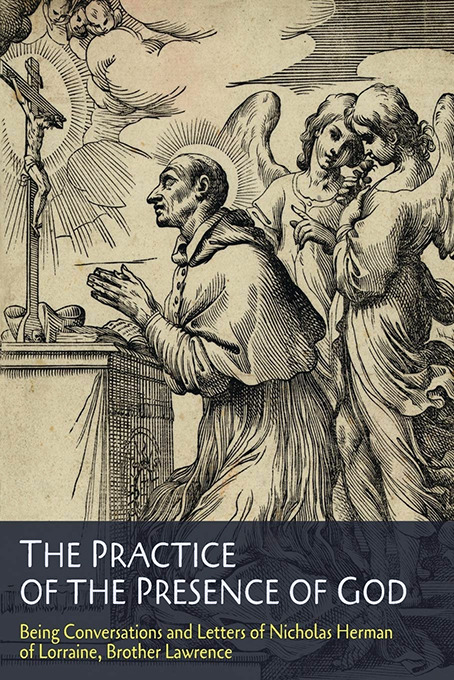
Lawrence’s ideas were compiled posthumously from his letters and conversations recorded by others, particularly by Father Joseph de Beaufort, the vicar general to the Archbishop of Paris. This compilation, known as “The Practice of the Presence of God,” has since become a classic in Christian literature. Its appeal lies in its simplicity and the universal nature of its message.

Despite his menial position within the monastery, Lawrence’s wisdom and humility significantly impacted those around him, both during his life and long after his death in 1691. His approach to spirituality has influenced many individuals seeking a deeper relationship with God, transcending boundaries of tradition or denomination.

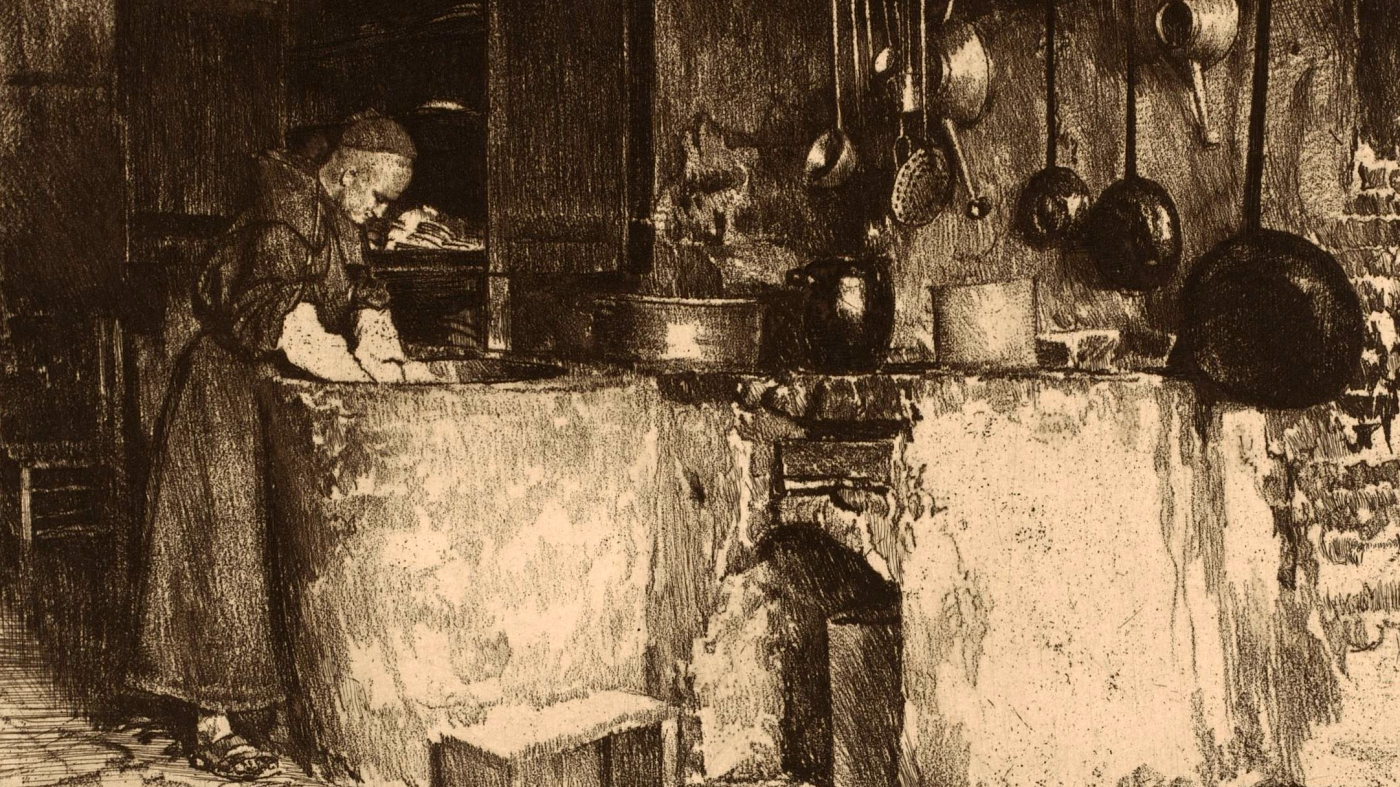
Brother Lawrence mattered deeply to the people around him because he showed them what it looked like to walk closely with God in everyday life. He wasn’t a priest or a scholar, and he didn’t hold a high position in the monastery. He worked in the kitchen, cooking meals and fixing sandals. Yet despite the simplicity of his role, those who met him noticed something rare: a deep, steady peace and joy that flowed from his constant awareness of God’s presence.

The Conversations

The conversations begin with the author’s introduction about Lawrence (likely Joseph de Beaufort). He writes about Lawrence’s conversion and his struggles. He describes his approach to life as one of simplicity and a focus on God’s presence. He tells of his first years in the monastery and how he learned to maintain a sense of God’s presence amidst his daily duties.

First Conversation

In his first recorded conversation, dated August 3rd, 1666, Brother Lawrence recounts his conversion at the age of eighteen, prompted by the sight of a leafless tree in winter. Considering how the tree would soon be renewed with leaves, flowers, and fruit, he was struck by a profound awareness of the providence and power of God—a view that permanently marked his soul. From that moment, he became inwardly detached from the world and filled with such love for God that even after forty years, he could not say whether that love had grown, so complete had it been from the beginning. He shared humbly that he had once served as a footman, clumsy and awkward, breaking whatever he handled. Thinking the monastic life would provide correction through suffering, he was instead surprised to find only satisfaction in the life God had given him.

He exhorted that the soul should be established in the presence of God by continual conversation with Him. It is, he said, a shame to leave this holy company for empty thoughts or distractions. The soul, rather, should be nourished on great and lofty thoughts of God, from which flows joy in devotion. He lamented that faith was so little alive in most Christians, who entertained themselves with changing and superficial devotions instead of letting faith govern their lives. This, he affirmed, was the true spirit of the Church and sufficient to lead one to a high degree of holiness. To be entirely given to God in all things, and to find satisfaction only in His will—this was the pattern of life he urged.

Brother Lawrence also expressed his response to the world’s evils not with surprise, but with peace and prayer, trusting God’s power to heal where He willed. He encouraged careful watch over one’s passions, even in spiritual matters, trusting that God gives light to those who sincerely desire to serve Him. He concluded the conversation by offering to receive the visitor as often as he wished—provided he truly desired to seek and serve God. Otherwise, he advised, it would be better not to return.

Second Conversation

In this second letter, Brother Lawrence reflects on a life governed wholly by love for God, without seeking reward, consolation, or even certainty of salvation. He shares that for years he endured deep interior suffering under the belief that he was lost, a conviction none could dissuade him from. Yet his response to this trial was simple fidelity: he resolved to act always out of love for God, whether saved or condemned. That resolve, maintained over four years of darkness, eventually gave way to a life of inward liberty and joy. He continued to place his sins before God, not to excuse them, but to acknowledge his unworthiness—yet God, in mercy, continued to bless him. What began with effort became habitual, as the love of God stirred him inwardly to continual communion without strain or method.

He notes that all his labors—however mundane, distasteful, or difficult—were offered entirely for God. Whether rolling over wine barrels while lame, working in the kitchen, or praying in obscurity, he found peace by making God the sole object of his attention. He distinguished between the understanding and the will, saying that acts of love and desire for God far surpassed intellectual exercises or bodily mortifications. These, he believed, had value only insofar as they led to union with God through love. Meditation and structured devotions, useful at first, later fell away as unnecessary. He did not burden himself with spiritual directors, for he knew clearly his obligation to love God in all things and trusted the confessional for forgiveness, not for guidance in that love.

He spoke candidly about failure and distraction: when he sinned, he simply acknowledged it, confessed it, and returned to God without discouragement. He cautioned that useless thoughts disrupt communion with God and must be quickly rejected. While he had once struggled in prayer with wandering thoughts, over time, the practice of loving God in all things became steady and natural. He affirmed that the greatest torments or joys of this world could not compare with the inward experiences of union with God, which had made him fearless and content. His only desire was not to offend the One he loved, and whether he failed or stood, he traced all to God—his falls to his own nature, and his strength to divine grace.

Third Conversation

In this conversation dated November 22nd, 1666, Brother Lawrence explains that the foundation of his spiritual life was a profound esteem for God conceived in faith. Once this was firmly established, his sole concern was to reject every other thought so that all his actions might be performed purely for the love of God. He did not become troubled when he realized he had forgotten God for a time; instead, he would humbly acknowledge his poverty and return to God with even greater trust. Such trust, he says, greatly honors God and draws down abundant grace. He affirmed that it is not only impossible for God to deceive, but also that He does not permit a surrendered soul to suffer long without comfort. Through repeated experience, Brother Lawrence had learned to rely on divine grace in every task, approaching each moment without forethought or anxiety, confident that when the time came, God would show him what to do as clearly as looking into a mirror.

His manner of life was marked by simplicity and constancy in the presence of God, so much so that he paid no attention to what he was doing, eating, or accomplishing, but gave thanks that God directed each act. If his mind was momentarily drawn away, a gentle and powerful recollection from God would inflame him anew. He confessed he was often more united to God during his regular work than in times of formal devotion, which left him dry. He expected future trials but feared nothing, assured that God’s goodness would sustain him. Experience had taught him that he gained no help from consulting others about his soul; his inner abandonment to God gave him clarity and courage. He warned that many Christians fail to make progress because they fixate on external disciplines rather than the love of God, which is the true end. The way to God, he insisted, required neither learning nor skill—only a heart wholly resolved to love and seek Him in all things.
Fourth Conversation

In his fourth conversation, he begins by stating plainly that the heart of the spiritual life is a decisive and sincere turning away from everything that does not lead to God. From this renunciation comes the habit of speaking with God simply and constantly. This conversation is neither complicated nor reserved for specific times, but consists in acknowledging God’s nearness and addressing Him at every moment, especially for help in knowing what to do when things are unclear, and for rightly doing what is already known. One offers each action to God beforehand and then gives thanks when it is done. In this simple practice, one remains occupied with God by praise and prayer throughout the day. Even when he forgets God or fails in this, Brother Lawrence is not disturbed, but returns with greater trust, recognizing that God always offers grace if one remembers to ask. He notes that failure to receive grace most often occurs when one forgets God’s presence or neglects to seek Him.

“The whole substance of religion is faith, hope, and love. By the practice of these, we become united to the will of God. Everything else is unimportant and should be used as a means to our end, which is to be swallowed up by faith and love.” – Brother Lawrence

He affirms that the way to live with clarity is to have no other goal but to please God in all things. This aim makes even uncertain matters clear in time. Importantly, he warns that our growth does not come from changing what we do, but from doing what we already do out of love for God instead of for self. Many, he observes, confuse the means with the end—becoming attached to particular religious exercises, but doing them with impure motives. The best method he has found is to perform all tasks, however common, without concern for others’ approval, and as much as possible, for God alone. He rejects any division between prayer and work, saying that one is as bound to attend to God while acting as in prayer. For him, prayer is simply the sense of the presence of God. He states that the time of prayer and the time afterward are no different; both are lived in the same continuous attention to God. This produces lasting joy. Yet he hopes that in time, as he grows stronger, God will give him some suffering to bear.

He insists that one must place full trust in God once and for all and continue on with confidence. Nothing done for God is too small. In the beginning, one will often fail, but with time, the habit will form, and the acts of devotion will flow with ease and delight. The entire content of religion, he says, lies in faith, hope, and love—these unite the soul to the will of God. All other practices are indifferent and only useful as tools for reaching that end. He says that what is possible for the one who believes becomes less difficult with hope, easier with love, and easiest for the one who perseveres. The goal we should set for ourselves is to become, in this life, the best worshippers of God we can, as we hope to be in eternity. Beginning the spiritual life, however, requires honest self-examination: to see ourselves as miserable, changeable, and subject to physical and emotional instability. These troubles, both internal and external, are the means by which God humbles us. Therefore, we should not be surprised when we suffer trials or contradiction, but instead receive them with submission and endurance, for they are good for us.

Finally, he explains how this practice began for him: from the moment he entered the monastery, he resolved that God would be the end and aim of all his thoughts and desires. In the beginning, during his private prayer, he focused not on reasoning but on pressing devout awareness of God deeply into his heart. When he went to his kitchen work, he would prepare his duties thoughtfully, then use every spare moment before and after for prayer. He began each task with a prayer for God’s help, offered each action to Him, and maintained a steady conversation with God throughout his work. Afterward, he examined himself—giving thanks if he had done well, asking pardon if he had not, and returning without discouragement to the practice. Over time, this became so natural that forgetting God was more difficult than remembering Him. His example bore quiet testimony: even in the busiest and noisiest moments, he remained recollected and composed, stating that he found God in the kitchen amidst the noise as clearly as if he were kneeling before the Blessed Sacrament.

The Letters

Lawrence’s letters contain correspondence that offers a window into his deep yet simple spirituality. Written to various individuals seeking spiritual counsel, the letters reveal Lawrence’s commitment to living in continual awareness of God’s presence. With warmth and humility, he encourages his correspondents to develop a habitual, intimate communion with God in all areas of daily life. His advice emphasizes that holiness is not confined to grand or common acts of devotion but is instead found in performing even the smallest tasks out of love for God. Through these letters, Lawrence’s message resonates with an enduring clarity: true peace and contentment come from surrendering oneself to God and remaining constantly attuned to His presence, regardless of life’s challenges or distractions.

First Letter

Brother Lawrence writes to a reverend mother, reluctantly sharing how he came to live with a constant awareness of God’s presence. He emphasizes that he’s only doing so because of her persistent requests and insists the letter remain private. He explains that after reading many spiritual books with differing methods on how to approach God, he found them confusing. Instead, he decided to give himself completely to God—surrendering everything that wasn’t of Him—and began living as though it was just God and himself in the world. Whether seeing God as Judge or Father, he worked to keep his thoughts fixed on Him throughout the day. Even when his mind wandered, he calmly brought it back without distress.

He admits it wasn’t easy, but over time, it became more natural, and he began to feel the blessings of living in God’s presence. He stresses that none of it came from his own ability—it was all God’s mercy. Remaining faithful to this practice helped him avoid sin and gave him a kind of freedom and closeness with God, even in the middle of daily work. By continually turning to God in this way, His presence became a habit. He closes by asking her to join him in thanking God for His kindness to someone as unworthy as himself.

The identity of the Reverend Mother addressed in Brother Lawrence’s letters remains uncertain, as historical records do not provide a definitive name. However, considering the context and the titles used, it’s plausible that she was the Mother Superior of a Carmelite convent in 17th-century France, possibly in Paris, where Brother Lawrence resided. As Mother Superior, she would have been responsible for the spiritual and administrative leadership of her religious community.

Second Letter

June 1st, 1682 –

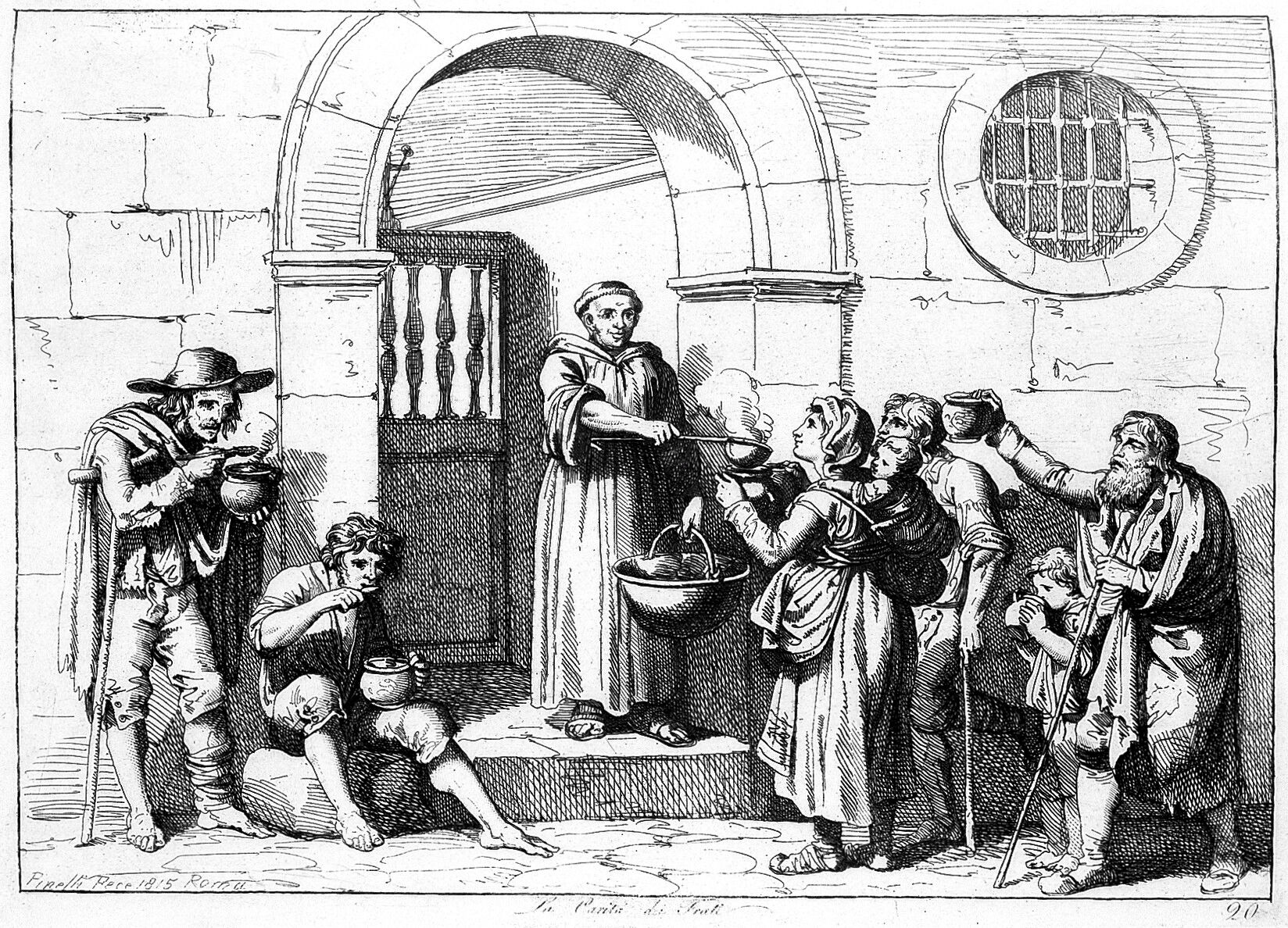
Brother Lawrence shares with the Reverend Mother the experience of a fellow brother in their religious community who has lived for over forty years devoted to God. This man’s main goal has always been to live in a way that pleases God, not for reward or fear, but purely out of love because he believes God deserves that devotion. Over the years, he has become so used to being in God’s presence that he receives constant help and deep joy from it—so much so that he often has to keep those feelings hidden. Even when he’s distracted by work, he feels God gently calling him back. He responds simply with love—short prayers or inward glances toward God—and immediately feels God settle peacefully in his soul again.
This brother no longer searches for God’s presence because he’s already living in it and drawing from it freely. Lawrence says this brother grieves that most people settle for such small tastes of God’s grace—just a passing feeling—when God wants to pour out so much more. He compares God’s grace to a massive ocean, but says we block its flow through our own blindness or neglect. When faith makes space for it, grace rushes in like a flood. He urges the Reverend Mother not to miss the opportunity while there’s still time. Death comes once, and it’s final. Now is the time to break down anything that holds us back from receiving all God has for us.

Lawrence encourages her to stay alert and not lose heart. He believes she’s taken steps in the right direction, but reminds her that we must keep pressing on—because in the spiritual life, if we’re not moving forward, we’re sliding backward. Even when we’re unaware, the Spirit can lead us forward. And when life gets rough, we should call on Christ, who brings peace. He ends by asking her to reflect on these thoughts, to renew her early fire for God, and to be encouraged by the example of this quiet, unknown brother—known not to the world, but deeply known and loved by God. He promises to pray for her and asks her to pray earnestly in return.

Third Letter

1685 –

In this third letter, the author writes with warmth and spiritual earnestness to a revered Mother Superior, acknowledging the receipt of books and a request for intercession on behalf of a sister preparing for religious profession. He urges that their community’s prayers not be withheld, as the sister is placing great spiritual hope in them. Above all, he emphasizes that her offering must be grounded solely in the love of God, with an unwavering resolve to be wholly His. In that context, he offers to send a book treating on the subject of the Presence of God, which he esteems as encompassing the entirety of the spiritual life. The proper practice of divine presence, he insists, depends on a heart emptied of all but God—since God, being jealous for the heart’s full possession, will not work amidst rival affections.

Brother Lawrence then testifies, from experience, to the ineffable sweetness and delight of walking constantly with God, though he warns that such joy must not be the goal. One must enter this practice not for pleasure’s sake but purely out of love and obedience. Were he given a pulpit or the spiritual direction of others, he says, his singular message would be this abiding in God’s presence, so indispensable and accessible does he consider it. He laments how little people perceive their need for God’s grace and help, urging his correspondent to make, in that very moment, a holy and irrevocable resolution never again to willingly depart from God’s presence. Such a surrender, even if it costs one every earthly pleasure, would be love’s proper offering to the God who seeks such devotion.

He concludes with strong encouragement: should the Reverend Mother undertake this discipline with sincere diligence, she will soon perceive its holy effects. Though he considers his own prayers poor, he assures her of his intercession and earnestly entreats hers and that of her community. In closing, he affirms his affectionate bond with them, expressing humility and belonging as their spiritual companion and servant. Through this simple and reverent appeal, Brother Lawrence draws the soul into the heart of true devotion—a life wholly lived in the presence of God, for His sake alone.

Fourth Letter

November 3rd, 1685 –

In this letter to the same Reverend Mother, Brother Lawrence expresses gentle reproach at her silence concerning a spiritual book he previously sent, urging her to begin its practice even in her old age, insisting that it is never too late to enter into the continual presence of God. He declares his own experience of inward retirement with God at the center of his soul, where he finds peace and immunity from fear; but even the smallest departure from this communion is, for him, intolerable. While the exercise does not burden the body, he encourages the voluntary renunciation of innocent pleasures, since God does not allow the soul wholly given to Him to be satisfied with joy outside His presence—a demand that he affirms as entirely just.

Brother Lawrence warns, however, against harsh austerity or the anxious imposition of rigid devotions. True service to God must be undertaken in holy freedom, with minds gently turned back to Him whenever they wander. Trusting fully in God requires even letting go of some external forms of devotion, which—though good—are but means, and become unnecessary once the soul abides with God Himself, who is the true end. In that abiding, the soul may offer acts of adoration, praise, desire, sacrifice, or thanksgiving in whatever form arises from love. He encourages perseverance through natural reluctance, acknowledging that the beginning often feels fruitless, but assuring that faithful continuation to the end will not be in vain. He concludes, as always, commending himself to the prayers of her and her community.

Fifth Letter

In this fifth letter, he tenderly urges Madame to surrender the burdens of worldly care and spend her remaining years in quiet worship of God, whom he describes as gentle and easily pleased by even the smallest acts of remembrance. He emphasizes that God requires no great effort—only simple prayers, offerings of sorrow, thanksgivings, and moments of humble adoration, even in the midst of meals or company. Encouraging her to make an inner oratory of the heart, he insists that private, loving communion with God is accessible to all, regardless of age or station, and that God may be awaiting only one firm, courageous act of devotion. As both approach the end of their earthly life, he exhorts her to live and die in God’s presence, where even suffering becomes sweet, and all joy without Him is empty. Finally, he urges her to cultivate this devotion with sincerity and freedom, not bound by rigid forms, but by faith, love, and humility.

Sixth Letter

In this correspondence, Lawrence is writing to a spiritual father, wanting feedback on how he’s been living his faith. He says he hasn’t really followed the traditional spiritual methods laid out in books or taught by others. Instead, he just gave himself completely to God early in his religious life, letting go of everything else out of love for Him. At first, he spent his prayer time reflecting on sin, judgment, and eternity, but he also tried to keep his mind on God during his daily work. Over time, this simple awareness of God grew into a natural habit, bringing him great peace and joy—even though, for about ten years, he struggled deeply with doubts, guilt over his sins, and fears of self-deception. But one day, unexpectedly, God gave him a lasting inner calm that changed everything.

Now, after thirty years, he lives constantly aware of God’s presence—not through complicated prayers or rituals, but by staying inwardly attentive to God in love. He sees himself as a sinner standing before a merciful King, who—far from punishing him—welcomes and treasures him like a close friend. Sometimes, his love for God feels so deep and sweet it overwhelms him. He even compares it to the way an infant rests at its mother’s breast. Even when his mind wanders, God gently draws him back. In prayer, he simply presents himself like a stone in the hands of a sculptor, asking God to shape him into His likeness. Some might accuse this way of being too passive or self-focused, but he says he desires only God and trusts Him completely. He ends the letter by asking for the Father’s opinion, saying he values it highly.

The “Reverend Father” addressed in Brother Lawrence’s letters is widely believed to be Father Joseph de Beaufort, a cleric who played a significant role in compiling and preserving Brother Lawrence’s teachings. Father de Beaufort conducted interviews with Brother Lawrence and collected his letters, which were later published as The Practice of the Presence of God after Brother Lawrence’s death in 1691.

In the Catholic Church, the title “Reverend Father” is commonly used to address ordained male clergy, such as priests and monks, as a sign of respect and acknowledgment of their spiritual authority. Therefore, Brother Lawrence’s use of this title in his correspondence aligns with the customary practices of his time.

Seventh Letter

Lawrence writes to the Reverend Mother with a steadfast assurance of his prayers for her, encouraging her to persevere in the search for the spiritual Treasure spoken of in the Gospel—a treasure so infinite that the more one labors to find it, the more abundant it becomes. He exhorts continual, unwearied pursuit of this divine wealth until it is fully possessed. Reflecting personally, he confesses a profound inner tranquility that abides even in sleep, so deep that he would consider purgatory itself bearable so long as this peace remains. Uncertain of God’s future purposes for him, he rests without fear, content in the divine Presence, which he strives to remain within as constantly as he is able, ending in a doxology of praise.

Eighth Letter

October 12th, 1688 –

He again write with assurance that God, Who is infinitely gracious and attentive to every need, has permitted Madame to come to extremity so that He might visit her in His own appointed time, unexpectedly yet faithfully. He encourages her to give thanks for the divine graces already received—especially fortitude and patience amid suffering—as clear signs of God’s care. He also commends M. de —— for his courage and good disposition, though noting that youth and worldly influence still linger in him; thus, his present affliction should be embraced as a healing providence to draw him nearer to God. Lawrence urges that even brief inward remembrances of God—acts of worship while on the march or in peril—are sufficient and strengthen true bravery; these exercises, though hidden and easy, are fitting and essential for a soldier frequently in mortal and spiritual danger. He concludes by exhorting that M. de —— accustom himself to this holy habit, offering his prayers and service to the whole household.

Ninth Letter

In this letter, Lawrence responds to the Reverend Mother’s concern about wandering thoughts in prayer by affirming that such distraction is a common human weakness, not unique to her. He identifies the cause as habitual mental dissipation formed through a lack of early discipline in devotion. Since the will governs the faculties, he encourages her to gently recall her mind to God without distress when it strays, for anxiety only furthers distraction. He likens the posture of prayer to that of a helpless beggar waiting silently before a generous master, urging a disposition of humble perseverance in God’s presence, trusting that God will show mercy to one who persists sincerely.

He further counsels that guarding the mind from unnecessary wandering outside of prayer prepares it to remain settled during prayer. Constant recollection throughout the day strengthens the soul’s ability to rest in God when engaged in direct worship. Brother Lawrence reiterates the value he has previously explained about living in the continual presence of God, urging her to take up this sacred practice seriously. He closes by requesting prayer from the sisters, offering his own in return, and signs off with fraternal affection in the Lord.

Tenth Letter

March 28th, 1689 –

In this letter, commends a sister who shows spiritual eagerness, though he cautions that she seeks to progress more swiftly than grace permits. Holiness, he reminds, is not attained instantly, but through patient, obedient growth. He exhorts the Reverend Mother to assist the sister by counsel and godly example, and to keep him informed of her fervor and obedience. Reflecting on their decades of religious life, Brother Lawrence laments the disproportion between God’s abundant mercies and his own inadequate response, urging that they redeem the remaining time by turning wholly to God in trust and love, casting off all that is not His.

He emphasizes that the Christian life cannot be lived safely or fruitfully without God’s constant assistance. Therefore, prayer must be unceasing, and this necessitates constant recollection of God. He admits repeating himself, yet insists that this simple method—continual remembrance of God—is the surest and most effective path. Knowing God comes through frequent meditation on Him; loving God causes the soul to dwell on Him naturally, for where the treasure is, the heart will be also. Thus, he urges her to form this holy habit of thought, promising that in doing so, she will find the grace to do all things well.

Eleventh Letter

October 29th, 1689 –

In this letter, he shows reluctance to write to M. de —— but consents out of obedience to the wishes of Madame and Mme. de ——. He commends Madame’s trust in God and prays it may increase, affirming that no confidence placed in such a faithful Friend is ever misplaced. Encouraging M. de —— to respond to his loss with faith, he suggests that God, who governs hearts, may soon provide a better friend if his attachment was excessive. Brother Lawrence exhorts Madame to maintain continual remembrance of God throughout all activities, comparing divine presence to that of a visiting friend whom it would be rude to ignore. He urges that thinking often of God is the very calling of a Christian and concludes with a promise of his prayers.

Twelfth Letter

November 17th, 1690 –

Lawrence writes with earnest compassion to the Reverend Mother, not asking that her sufferings be removed, but that she might receive from God the strength and patience to bear them well. He exhorts her to take comfort in the One who has fastened her to the cross and will loose her in His own time, reminding her that to suffer with Christ is a blessing incomprehensible to those who love the world. He contrasts the natural view of sickness with the spiritual: the worldly see only pain, while the devout discern mercy and salvation in the affliction. He urges her to entrust herself wholly to God, the true Physician, who often uses bodily illness to heal the soul. Though remedies may be employed, they serve only as far as God allows. He gently corrects any false sense of his own ease, describing how even his communion with God is mingled with sorrow over his sins and the fear of unpardoned guilt, and yet this sorrow becomes his joy.

He then urges her to be content with her lot, declaring that he envies her suffering, for to suffer with God is to dwell in paradise, while to enjoy pleasure without Him is to taste hell. He longs not for relief but for union with Christ through suffering. He confesses that his own time on earth draws to a close, and what strengthens him is not mere belief, but the vivid apprehension of God by faith—so clear that at times it seems sight rather than faith. This experience, he says, will sustain him in life and in death. He entreats the Reverend Mother to persevere in constant communion with God, who alone can sustain her, and assures her of his prayers.

Thirteenth Letter

November 28th, 1690 –

Lawrence, writing to the Reverend Mother, urges her to embrace the exercise of the Presence of God, particularly amid physical suffering, which he views as a divine means of purification and sanctification. He encourages her to continually offer her afflictions to God, seeking strength and conformity to His will through humble, childlike prayer, and to form the habit of constant interior communion with Him. Though he acknowledges that God may sometimes seem hidden, he insists that faith must remain the soul’s foundation, assuring her that God never forsakes those who do not first forsake Him. He confesses his own joy and peace despite his unworthiness and weakness, affirming that this constancy of joy comes from God’s nearness through faith, not merit. In closing, he entreats her to remain always with God, to live and die in His Presence, and to pray for him as he does for her.

Fourteenth Letter

Brother Lawrence, writing with tender compassion to the Reverend Mother, expresses sorrow at her prolonged suffering but urges her to view her afflictions as signs of God’s deep love. He gently counsels her to cease reliance on ineffective human remedies and instead place complete trust in the providence of God, believing that such resignation may be the very condition God awaits to bring healing. He exhorts her to seek not deliverance from pain, but the strength to endure it with courage and love, reminding her that love renders even suffering sweet when it is borne for God. Encouraging her to draw comfort from the divine Physician, who tenderly governs every affliction, he affirms that God, infinitely loving and merciful, will be her only true and needed relief, and assures her of his continued prayers.

Fifteenth Letter

January 22nd, 1691 –

Lawrence writes with deep spiritual affection to the Reverend Mother, expressing gratitude that the Lord has granted her some relief and sharing that he himself has often been near death, yet entirely content in such moments. Rather than praying for deliverance, he sought strength to suffer with grace and love, proclaiming the sweetness of suffering when borne in God’s presence. He exhorts her to commune humbly and lovingly with God at all times, to make the heart a temple of constant adoration, and to vigilantly guard thoughts, words, and deeds so that nothing offends Him. While he acknowledges the difficulty of beginning this path of faith, he assures her that divine grace will supply what is lacking to the earnest soul. Encouraging her to persist in seeking, he promises that God will open the door in due time, and concludes by committing himself to prayer for her, as he prepares with longing to behold the face of God.

Sixteenth Letter

February 6th, 1691 –

Lawrence writes to his spiritual correspondent with a firm conviction that all things, whether bitter or sweet, come from God’s hand for the soul’s good. He exhorts her to see suffering not as a burden, but as a tender expression from a loving Father, whose afflictions, rightly viewed, transform mourning into joy. He urges that the soul’s chief business is to know God more deeply, for such knowledge will proportionately deepen love, which in turn enables the soul to receive both sorrow and joy alike. Spiritual favors, he warns, should not be sought for their own sake; rather, God must be sought by faith alone, simply and frequently, since He dwells within. Brother Lawrence calls for a wholehearted devotion to God, the expulsion of distractions, and a prayerful petition for grace to give God the heart entirely, promising that such surrender will bring about the inward change longed for. As he nears death, he gives thanks for God’s mercy and expresses his hope of soon beholding the Lord, asking mutual remembrance in prayer.

Afterward, Brother Lawrence passed away within a week.

Continue Reading ·

The Work of the Spirit

This post aims to develop an understanding of the Holy Spirit in the life of the believer in Christ today. The scope of this project is concentrated mainly upon New Testament facts, instruction, details, and principles concerning the Spirit, but there are related areas of interest within the Old Testament this post shall draw upon for a broader old and new covenant perspective. The activity of the Holy Spirit among people serves various purposes throughout Scripture, yet there is His continuous personal work throughout the course of historical events.

Introduction

From creation, the formation and development of humanity, to the upheaval and strife among the nations across centuries, the Holy Spirit is actively at work in building the Kingdom of God. The disinherited nations at Babel, who were dispersed, set the canvas of peoples who would form a Kingdom where Christ Jesus would reign as its King. Incubated and grown to large populations that fill the earth, the harvest of souls brought into the Kingdom by the work of the Spirit is God’s divine means of redemption. Millions of people who form the Kingdom of God on earth, regardless of era, language, culture, nation, time zone, or generation, would enter before God’s presence as redeemed people who glorify and worship God while in eternal fellowship with Him and one another.

As this post is developed, it will more closely explore the Spirit’s work among people as souls are harvested out from a corrupt and evil world alienated from God. As the nations of old were given over to spiritual rulers who are both then and now involved in the affairs of humanity, the Spirit of God thoroughly works among them to reclaim humanity. Through covenants and longstanding persistent mercies, grace, judgments, prophetic utterances, and messianic promises, the Holy Spirit provides a way for people to return to God, their Creator.

Background

The doctrine of the Holy Spirit is an area of study that interacts with the person and work of the Spirit of God. The term that identifies the study of the Holy Spirit is pneumatology. It is derived from the Greek terms pneuma and logos as they describe the topic’s meaning together. With a particular interest in the salvation of people redeemed, the Holy Spirit performs numerous functions while having characteristics unique to Him as the third person of the Trinity. The Holy Spirit is God and a person who exists in triadic union with God the Father and God the Son. Having cognitive intellect, a will, and emotions, the Holy Spirit is self-aware. The identity of the Holy Spirit is established by His role from divine revelation concerning Creation, historical events, and transcendent supernatural activity. While comprehensive, the whole of the Holy Spirit’s presence and work goes well beyond a ministry to people. He, in various ways, ministered to Christ while retaining His functional purposes as transcendent and immutable God of the Universe.

The Holy Spirit in the Old Testament is identified by the Hebrew term ruakh, while in the New Testament, He is identified by the Greek term pneuma. As these are not names but descriptions of the Holy Spirit’s identity, His name is Yahweh (יהוה, yhwh), often referred to as the Tetragrammaton: YHWH. The divine name of the Holy Spirit originates from the encounter Moses had before God in Exodus 3:14. The Holy Spirit, as the I AM, is the existing One who causes to be. That is to say, while the Holy Spirit is the Creator of the physical Universe, He is the cause of all that exists Spiritually. His presence throughout all existence as omnipresent God also inhabits people as sacred space within believers. The Spirit is among His people and within them. From the time of Pentecost (Acts 2), the active presence of the Spirit among believers today is a prominent witness to His existential reality.

Formulated Doctrine

The Trinitarian persons of the Godhead are God the Father, God the Son, and God the Holy Spirit. As formulated from intertextual narrative and testimonies from Scripture, the Holy Spirit is the Most High God. Old and New Testament surveys of His person and work are abundantly evident as people perceive Him as permitted through special revelation. To further compose an understanding of the Holy Spirit as the Spirit of God, the Westminster Confession of Faith articulates some specific biblical references to substantiate this doctrinal assertion (WCF 2.3) that the Holy Spirit is God.1

“In the unity of the Godhead there be three persons, of one substance, power, and eternity: God the Father, God the Son, and God the Holy Ghost: (1 John 5:7. Matt 3:16–17, Matt. 28:19, 2 Cor. 13:14) the Father is of none, neither begotten, not proceeding; the Son is eternally begotten of the Father; (John 1:14, 18) the Holy Ghost eternally proceeding from the Father and the Son. (John 15:26, Gal. 4:6).”

As the identity and deity of the Holy Spirit are established from divine revelation through Scripture, it becomes further possible to understand His work from the beginning of human existence to the eschatological outcomes expected from further events prophetically foretold. Tracing His work and activity in the lives of believers begins from the Old Testament, but as the events of the new covenant are revealed, His presence is far more understood in a redemptive context in light of Christ’s accomplishments.2 As the work of Yahweh is understood from God the Father and God the Son, the Spirit of God is there together to apply what both have been decreed according to an eternal and sovereign plan.

The Holy Spirit is not a passive and impersonal force applied to people as if God somehow works from a distance. The specifics of His work are detailed here in major categorical areas with various attributive characteristics made evident by who He is and what He does. Functions, activities, and outworkings of the Spirit are interspersed as a historical matter of interest as experienced by people and recorded in Scripture. Even as literary encounters with the Spirit are observed, what He does is not a corporeal embodiment of human or anthropomorphic expression or production. Innumerable intangible acts of the Holy Spirit have a bearing on people, events, and circumstances to orchestrate what divine intentions are sought and fulfilled.

The Presence of the Spirit

Before the prophetic promises of the New Covenant in Jeremiah 31:33 and Ezekiel 36:26 were cast into the distant future, it was a common understanding of ancient Judaism that Yahweh dwelled among His people, whether in the wilderness, in the tabernacle, or the temple. The Spirit of God was exterior to the lives of His people but with them nonetheless. Compared to the Spirit interior to people under the new covenant, a different spiritual reality corresponded to old covenant Jews and their status before Yahweh. The work of the Holy Spirit was largely external as an abiding presence yet sometimes limited presence among the inhabitants of Israel. The Spirit of God’s presence upon specific individuals appears among prophets and political figures but not among ordinary people.3 The governing presence of the Holy Spirit was a ministry of protection, social order, guidance, inspiration, and the development of individual capabilities.4

From the time of creation (Genesis 1:2), through the ancient formative years of humanity, to the patriarchs, the Davidic and Solomonic kingdoms, the Assyrian and Babylonian captivity to second-temple Judaism, the Spirit of God remained thoroughly active within and among His chosen people. Yet His activity was within the context of the Old Testament covenants and what was necessary to fulfill divine intentions for the inevitable arrival of the Messianic prophet, priest, and king. The Spirit of God, who shaped the history of His people, guided the sovereign and intended redemptive outcomes with an incorporeal power5 that explains what He did in time differently than what He does under the new covenant. The essence of God as Spirit as He is transcendent over matter, space, and time. God doesn’t consist of material and spirit as humans do. The essence of God, the Holy Spirit, is a single “substance” as spirit yet further considered within the doctrine of divine simplicity.

By general means of human sensory perception, the presence of the Holy Spirit is detectable by processing and interpreting His actions, messages, and influence, through available matter, whether it is physical (air, gas, matter, plasma, fluid) or spiritual (metaphysical, supernatural, transcendent). The overlap of both in which His presence is observable or perceived renders an awareness of who the Holy Spirit is (God) and what He is doing. The sensory perceptions of sight, sound, taste, touch, or smell don’t yield a tangible or physical awareness of the Spirit within space occupied by matter or its properties unless it is somehow made evident by the Spirit. The Spirit otherwise perceived is Spirit to spirit today, where there is a transcendent and intangible reality that becomes manifest (for example, an internal heaviness, a softening, a washing, a filling, a conviction, or some other extra physical and non-cognitive origination without the use of physical or sensory faculties).

The Anointing Spirit

Historically attributed to the kingly accession of rulers, appointed prophets of the Old and New Testaments (e.g., Samuel, John the Baptist) anointed men as King over Israel. As a cultural and religious consecration ritual, the practice usually involved pouring or smearing oil on a person’s head or forehead as a symbolic way of bestowing divine favor upon a person for an appointment to a place or function.6 While the valid application of oil upon a person carried with it divine authority, it also came to represent the outpouring of the Spirit upon the recipient to attain a holy status or position to impart a charter or mandate. Before Christ Jesus went into the wilderness to be tempted by the devil, his baptism was an anointing by John the Baptist where the Holy Spirit would come upon Him for Jesus’ ministry that was just beginning. To accede as King of the Jews, it was necessary for Christ to overcome an adversary and do so by the anointing of a prophet.7

The anointing of the Holy Spirit was placed upon Jesus, where His public ministry would begin. After Christ’s anointing with the power of the Holy Spirit, He overcame Satan’s temptation and entered Jerusalem for His kingly procession (Isaiah 40:3, John 1:23, John 12:12-13). The anointing of the Holy Spirit accompanied Jesus during His wilderness trial and His ascent as King as necessary to fulfill Isaiah’s prophecy. While the prophetic anointing that occurred at baptism was for Christ’s royal accession, it was a baptism to anoint Him for the work of ministry nonetheless. The messianic events that unfolded after Jesus’ anointing (baptism), the defeat of a supernatural foe, and His triumphant arrival into Jerusalem all together signified what believers to as a matter of Christlike accession from death to life.

Baptism in the Spirit

The baptism in the Spirit is an event that occurs among all believers who are regenerated and undergo new spiritual birth. United in the baptism of the Holy Spirit, all believers are together made a new creation (2 Cor 5:17). The baptism of the Holy Spirit unites all believers who were born again, as made clear by Apostle Paul’s letter to the Corinthians (1 Cor 12:13). Further references to the new birth as baptism in the Spirit makes a distinction about the baptism of water for repentance (Mark 1:8, John 1:33, Acts 1:5, 11:16). It is this baptism in the Spirit as regeneration that precedes belief, saving faith by grace, and baptism by water for repentance. As John baptized the body of individual believers by immersion with literal water, the Spirit baptizes believers spiritually by “fire” (Matt 3:11, Luke 3:16).

The historical and biblical precedent for the Spirit of Baptism comes from Moses’s encounter with Yahweh from Numbers 11:15-17. Moses asked the Lord to kill him as the burden was too great for him alone to lead His people. As the Lord heard the petition of Moses, He instructed Him to choose 70 elders to lead the people. Yahweh, speaking to Moses, said he would “take some of the Spirit that is on you and put it on them, and they shall bear the burden of the people with you, so that you may not bear it yourself alone.” The anointing of the Lord upon the 70 elders endowed them to help Moses to lead and support His people. It was ultimately Moses’ wish that Yahweh would put His Spirit upon all people (Numbers 11:29).

The prophet Joel later appropriated Moses’ desire and applied it to all of God’s people as he spoke of coming judgment and redemption. “It shall come to pass afterward, that I will pour out my Spirit on all flesh; your sons and daughters shall prophesy, your old men shall dream dreams, and your young men shall see visions. Even on the male and female servants in those days I will pour out my Spirit” (Joel 2:28-29). The pouring of the Spirit of God upon the 70 elders by divine decree was an indication that later this bestowment would become the means by which people would become baptized by the Holy Spirit, beginning with the Pentecost event in Acts 2:2-4.8

The Scriptural passages concerning baptism in the Spirit accompany baptism by water. The baptism in the Spirit is for salvific purposes as regeneration occurs among believers. Baptism by water immersion is a loyalty oath as it symbolically represents the believer’s death, burial, and resurrection in Christ. The practice of baptism in this was to take a side and affirm by a pledge that the supernatural authority of spiritual rulers over the gentiles was displaced or removed.9 To further assert the difference between baptism by fire and water, Colossians 2:8-15 informs readers that burial with Christ is by baptism to infer immersion as believers are submerged in water to represent spiritual allegiance within the Kingdom of God. As a believer is saved by fire, or baptism in the Spirit, it is in due course that person proclaims a loyalty oath by water baptism to impart an anointing for the Kingdom that involves surrender (repentance) and dedication to the Lordship of Christ.

The 1 Peter 3:14-22 passage further deepens the significance of the crucifixion, burial, and resurrection and the reasons it correlates to the Colossians 2:8-15 reference. As the crucifixion meant victory over every demonic force,10 Jesus’ declaration to the “spirits in prison” was about his triumph over sin and death to inform them that they were still condemned. His ascension to authority at the right hand of God was set over all angels, authorities, and powers. Baptism is a personal and spiritual loyalty declaration of unity by Christ’s death and resurrection.

To further develop baptism as a loyalty pledge that corresponds to an anointing of the Holy Spirit, observe verse 21 of 1 Peter 3:14-22 (ESV).

“Baptism, which corresponds to this, now saves you, not as a removal of dirt from the body but as an appeal to God for a good conscience, through the resurrection of Jesus Christ, who has gone into heaven and is at the right hand of God, with angels, authorities, and powers having been subjected to him.”

The terms “appeal” and “conscience” in this passage have a wider semantic range that broadens the interpretive meaning rendered from numerous English translations.

a formal request, appeal (ἐπερωτάω 2) συνειδήσεως ἀγαθῆς ἐ. εἰς θεόν an appeal to God for a clear conscience 1 Pt 3:21.
         But cp. a pledge (s. L-S-J-M s.v. 3 with pap ref.; also the vb. in PYadin 17, 38) to God proceeding from a clear conscience; 11

the inward faculty of distinguishing right and wrong, moral consciousness, conscience
          σ‌. ἀγαθή a good conscience (cp. Herodian 6, 3, 4; PRein s.v. καλός 2b) Ac23:1; 1 Ti 1:5; 1 Pt 3:21 (on the topic cp. FSokolowski, Lois sacrées des cités grecques, Supplément ’62 no. 108, 4–7 ‘one who enters the temple … must be pure, not through bathing but in mind’); 12

Furthermore, the term appeal as rendered pledge appears to produce a reading as a pledge to God for a good conscience. Whether as a pledge or appeal, the effect of baptism with a good conscience is one of repentance to where Jesus is accepted by oath as Lord. The Spirit at work in the believer at baptism is a corresponding spiritual form of anointing similar to Christ at His baptism (Mark 1:9-11). As Christ was anointed at baptism, believers are. As Christ died, was buried, and resurrected, believers are, too, by the process of baptism of water.

The Indwelling Spirit

Regeneration by the Holy Spirit as baptism in the Spirit does not constitute the indwelling of the Spirit. Regeneration of a person simply means that a person is given divine enablement to believe. From belief (i.e., grace through faith), a person is converted as faith and repentance together constitute saving faith in Christ for salvation. When this occurs in the life of a believer, Scripture informs us that Christ will take up residence in the believer (John 7:39, 14:17, 20:22). In contrast to the statements of regeneration (John 3:3-8, 6:63), where God gives people the willingness to believe, there are specific conditions that exist within a believer as the Holy Spirit is to inhabit him. This habitation of the Holy Spirit is more inward evidence of spiritual rebirth because, without the Spirit, it is impossible to be born again.            

Apostle Paul also informed the early church that believers are individually the temple of God’s Spirit (1 Cor 3:16, 6:19, 2 Cor 6:16). It is well-understood that this divisible indwelling is not exclusive to corporate fellowship (Matt 18:2) but within each separate life of the believer (1 Cor 3: 17). The presence of the Spirit within the church as a corporate body, and within the body of an individual believer is not mutually exclusive theological principles supported by Scripture.13 The Spirit of God, as promised among the composite body of believers, as the Spirit of God inhabits each of them, includes those who are repentant and full of faith who, by grace, worship in spirit and truth. The Spirit is both with believers and in believers, as the Holy Spirit is their eternal Paraclete (John 14:15).14 The Holy Spirit as Paraclete is an advocate or counselor (John 14:16, 26), and this is significant as it pertains to the ministry of the Spirit among believers who have come to saving faith in Christ Jesus. Paraclete is an old Greek term, “called in aid.”

The Filling of the Spirit

The work of the Spirit in the lives of believers continues through their sanctification as they grow in Christ (Ephesians 2:10). Furthermore, the spiritual maturity developed among believers is toward ongoing personal holiness. After regeneration and the indwelling of the Holy Spirit at spiritual rebirth, believers undergo a lifelong sanctification process. To become sanctified is to be made more holy.15 While regeneration is a one-time event or occurrence, and the indwelling of the Spirit (Romans 8:9) either happens instantaneously at the same time or at a later point in life, the filling of the Spirit is yet another Scriptural distinction to recognize.

Paul wrote to the church in first-century Ephesus (Eph 5:18), “Be filled with the Holy Spirit.” And Luke’s record of Acts explicitly informs its readers:

“And when they (the disciples) had prayed, the place in which they were gathered together was shaken, and they were all filled with the Holy Spirit and continued to speak the word of God with boldness.” – Acts 4:31

The continuity of the Spirit’s presence among believers regenerated, anointed, and indwelt also involves an outpouring for specific missional purposes. Namely, the outpouring is generally expressed in Scripture as having a Kingdom intent. That is, to extend the Kingdom as Paul urges the church to be filled with the Spirit. Receiving the Spirit in this way is not just a passive endeavor, as believers indwelt by the Spirit today are active through the means by which they obtain this outpouring (James 4:8) through Scripture, prayer, and worship.17

The Fruit of the Spirit

Consistent with the doctrine of Sanctification, the Holy Spirit continuously transforms us into the image of Christ. While the fillings of the Spirit are individual and recurring events, the Spirit, who indwells us, shapes us into ever-increasing levels of holiness that please God. Necessary for our access to God, Scripture informs us that without holiness, no one will see the Father (Hebrews 12:14). Both the continuous indwelling of the Spirit and the filling of the Spirit produces fruit in the lives of believers. To more clearly understand what the filling of the Spirit is and does, Apostle Paul informs us about the specifics in his letter to the Galatians (Gal 5:16-22). While Galatians 5:22-23 specifically informs readers what the fruits are, it is necessary to recognize the historical and prophetic allusions to the fruitfulness of a new age. The prophet Isaiah points Old Testament and New Testament believers to a time when there will be the qualities of the Spirit written about by Paul (Isa. 32 and 57).18            

Paul wrote of the “first fruits of the Spirit” (Romans 8:23) that point to believers among the whole creation effort of the Holy Spirit. As G.K. Beale eloquently informs us, the Spirit first raises the saints from the dead spiritually and then creates these fruits in them.19 Authentic believers who were regenerated and indwelt by the Holy Spirit will participate in the eschatological course of history by producing fruits of the Spirit to become what God sovereignly intends for His Kingdom. As believers keep in step with the Spirit, they glorify God as they reflect back to Him the holiness developed among His people. With the mutual indwelling of Christ (Gal 2:20) and the Spirit within believers (1 Cor 6:19), they produce fruit.20

The presence of fruit in believers’ lives is evidence of the Spirit within. The absence of the fruit of the Spirit indicates an absence of the Spirit. The pericope lesson of Mark 11:12-14, 20-21, in a sense, informs readers about the displeasing nature of people as believers who do not bear fruit. Not merely that they produce works of the flesh (Gal 5:19-21), as Paul warns the churches in Galatia, but that there are no fruits as described in Galatians 5:22-23 is an unacceptable condition that implies consequences. The Holy Spirit who indwells His people will cause them to bear fruit as they strive to produce fruit of their efforts. As the Holy Spirit has a direct bearing on the sanctification of believers, He also works through human agency to yield the qualities described as the traits of Christ.21            

As a further up-close look at the fruit of the Spirit within the lives of believers, Apostle Paul wrote specific details about what they are (Gal 5:22-23). They are described in three triad groupings of Christ lived out in a Christian. The “fruit” of the Spirit (singular ), as compared to the “fruits” of the Spirit (plural) in this passage, renders an intended understanding of the unity of attributes within believers who are yielded to the Spirit.22 They are all present within believers, who are indwelt and, at times, filled by the Holy Spirit. As a matter of faith and practice, Paul tells the church, “walk in the Spirit” (v.16), be “led by the Spirit” (v.18), and “live by the Spirit” (v.25). This is life by the Spirit in contrast to a believer being gratified by the flesh. As trees produce literal fruit, so do believers who first walk by the Spirit, become led by the Spirit, and ultimately live by the Spirit throughout life. The only way to overcome the desires of the flesh is to live according to what Paul counsels in this passage. Being yielded to the Spirit is the way in which a believer escapes the deadly desires of the flesh that works against the Spirit (v.17).

It is, therefore, crucial to understand the fruits of the Spirit to walk by them. Living out the fruit of the Spirit by faith while yielding in surrender to Him is the way to abide in union with Christ against the desires and appetites of the flesh. To understand more specifically, the triad groupings of this fruit consist of love, joy, peace, patience, kindness, goodness, faithfulness, gentleness, and self-control. The first three, love, joy, and peace, are habits of mind. The second three, patience, kindness, and goodness, reach out to others. The final three, faithfulness, gentleness, and self-control, guide the general conduct of the believer.23

The Gifts of the Spirit

The work of the Spirit doesn’t end with His internal presence among believers for personal sanctification. God’s grace is extended to believers through the Holy Spirit for the church’s benefit, edification, and growth. The spiritual gifts as “pneumatika” are translated to “spiritual gifts” from the Greek (1 Cor 14:1, 12, 2:13; 12:1) to render a sense of inspiration from the Holy Spirit toward a functional purpose and conversely translated, “charismata” or “gifts of grace,” derived from the Greek term charis,24 (Latin, gratia). Charisma, as a gift of grace, is distributed among believers as God’s people are restored to harmony and wholeness to fulfill the restorative purposes of people within the church. Spiritual gifts are given to people of the church who are regenerated, indwelt, anointed, and filled to produce the fruit of the Spirit. Alongside the sanctification process, the Holy Spirit places upon people gifts of supernatural and natural origin and effect. Either one or the other corresponds to the measure of faith within a believer. Gifts imparted to believers are apportioned to them as a “manifestation of the Spirit” (1 Cor 12:7).25

As the gifts are meant to build up the church, they serve as examples of what it is to become enabled by the Spirit to fill specific functions that the church needs. When paying close attention to the specific gifts outlined in Scripture, they represent natural and supernatural capabilities characterized by the benefit of people as recipients. In Apostle Paul’s letters to Rome and Asia-Minor, he describes specifics to the early church as relevant for us today. The various gifts in the New Testament are not all-inclusive but represent what they are for the edification of the church. In the table below, Thomas Schreiner organizes the gifts Paul wrote about in the following way. While fitting to the early church, they’re, in principle, what the Holy Spirit does to produce or apply capabilities to people for the church and not for individual self-interest.

Romans 12:6-81 Corinthians 12:8-101 Corinthians 12:28Ephesians 4:11
Having gifts that differ according
to the grace given to us       
To each is given the manifestation
of the Spirit for the common good
And God has appointed
in the church
And he gave
  ApostlesApostles
ProphecyProphecyProphetsProphets
    
 Distinguishing of spirits Evangelists
TeachingWord of wisdom and word of knowledgeTeachersPastors and teachers
Exhortation   
 MiraclesMiracles 
 HealingHealings 
Serving Helps 
Leading Administration 
 Various kinds of tonguesVarious kinds of tongues 
 Interpretation of tongues  
Giving   
 Faith  
Mercy   

Table 1. – Biblical Gifts of the Spirit 26

The gifts are tangible exterior outworkings applied to people distinct from the internal fruit of the Spirit. The fruit of the Spirit originates as a grace for personal sanctification and blessing, while the gifts of the Spirit are for fellow believers who comprise the missional church for discipleship and sanctification of its members. The examples of gifts of the Spirit illustrate what underlying Scripturally supported development methods pertain to the church for eschatological Kingdom objectives, to honor Christ as head of the church, and to glorify God. The gifts of the Spirit according to Catholic tradition (i.e., Summa Theologiae) do not correspond to the biblical definition of the “gifts of the Spirit” as narrated by the example above. Still, they could include them as gifts as a matter of practice without claiming biblical authority and explicit meaning. None of these gifts are included in Paul’s description of gifts to highlight what types of natural skills and talents, or supernatural capabilities could be given to persons. As with the virtues defined by Aquinas,27 these are not counterfeit gifts, but they originate from the Summa Theologica to derive the theological tradition and catechism of the Catholic church.28

The Seven
Gifts of the Spirit
The Seven
Virtues
The Seven
Deadly Sins
WisdomChastityLust
UnderstandingTemperanceGluttony
CounselCharityGreed
FortitudeDiligenceSloth
KnowledgeKindnessWrath
PietyPatienceEnvy
Fear of GodHumilityPride

Table 2. – Catholic Gifts of the Spirit

Further interest concerning the gifts of the Spirit includes the Charismatic traditions often viewed as controversial and fraught with theological and biblical error. In many cases, to the charismatic believer, the gifts of the Spirit are about the uninformed personal experience with God as a filling and gifting of the Spirit as an admixture of an often faked encounter. The imaginations of often well-meaning people leave less room for the sober, intentional, and self-controlled manner of faith and practice in exchange for frequent healings, prophetic words of knowledge, miracles, and other transactional means of personal experience with others.

The subjective and personal experiences of Charismatic traditions outside instructions about church conduct can often contradict the biblical imperatives of being rational and sober-minded in fulfilling ministry and not carnal desires (1 Pet 4:7, 5:8, Titus 2:2, 6, 1 Cor 15:34).29 Self-control is a fruit of the Spirit. If a gift of the Spirit, according to Charismatic doctrine, contradicts the intended interpretation of Scriptural meaning about gifts of the Spirit, there is a difference that the authority of God’s Word must resolve. The heart, mind, and spirit are informed by Scripture what it means to worship in spirit and truth. However, gifts of the Spirit are defined in God’s Word and not by subjective experiences and imaginations of spiritual predators or well-meaning people in a spirit of error.

Often, Charismatic and Pentecostal traditions are closely joined to prosperity preaching and social gospel activists who find their subjective roots in theological liberalism. Schleiermacher, the father of protestant liberalism, denied his faith in a letter to his father and adopted Romanticism early in his faith. While Ritschl, who believed that Christianity ought to be defined by social justice imperatives and ethics, insisted upon a theologically liberated society.30

Opposing Views

There is a wide array of counterpoint perspectives concerning much of the historically orthodox views of the Church. The presence of the Holy Spirit in the life of believers today is Scripturally described and presented as authoritative by the biblical writers as intended. A common thread among the various opposing views appears centered around special interest concerning tradition, appeal to historical instruction and conditions, and spiritually interfering predilections that bring confusion, error, contradictions, and uncertainty. False or unorthodox beliefs and practices contrary to the clear teaching of Scripture would seemingly run counter to the human conscience of regenerated people indwelt by the Holy Spirit. Yet, there is a multitude of subjective perspectives. This post presented two examples of alternative views around the gifts of the Spirit between confessional Christian belief, Catholicism, and Charismatics. The range of differences is pronounced, but they all, to some extent, diverge from what Scripture specifically reveals about the Holy Spirit, who He is, and what He does in the life of believers.

Wesleyans, Pentecostals, Roman Catholics, and others have differing views about justification, what constitutes saving faith, and the role or function of the Holy Spirit to regenerate people, indwell them and shape their spiritual development during the course of personal sanctification (i.e., whether salvific and consecrated status is immediate, earned, and synergistic, etc.). Additional alternative interpretations in the church also range much further than liberal and neo-orthodox perspectives.31 However, while all these perspectives affect faith and practice, theological conclusions formed from biblical and objective truth carry the lasting weight of God’s specific revelation about what He does through His Spirit.

Historical Positions

In addition to matters of interpretation to suit personal, congregation, institutional, or state interests aside from biblical instruction, there are also matters of control that people want to retain. From the governing perspectives of the Church, the State, and cultures throughout civilization, social and economic interests have a bearing upon what people come to believe and understand with respect to faith and practice. Historical traditions of people among nations that are not in alignment with God’s intentions concerning His Kingdom and its eschatological trajectory are entirely, thoroughly, and utterly spiritual. People believe what they are given to believe. From Yahweh as Creator God, or the spiritual rulers of nations that govern access and the substance of belief, through God’s sovereignty, the historical development and acceptance of orthodox doctrines are under the subjection of what He has already decreed.            

Under the care and persistent work of the Holy Spirit, the church will grow as Christendom increases in size to a geometric scale. While the various historical positions of theologians, philosophers, and politicians run in and out of alignment with Scripture, God’s purposes shall prevail. He will have His Kingdom. Humanity will be restored to Him and there will be nothing humanistic culture or secularism can do about it. If fact, by design, the hand of people as free-will human agents will be instruments of God’s intended purpose for Creative intent as it belongs to Him.

Conclusion

In numerous ways, this post resolved open questions about what the Holy Spirit does in the lives of believers today. Within our limited line of sight, there is what we know by what is revealed in His Word. Accordingly, believers also experience what the work of the Holy Spirit corresponds to what readers observe in both the Old and New Testaments. Among the covenants, to the redemptive work of Christ and the ongoing sanctification of regenerated believers indwelt, anointed, and filled, they are given spiritual gifts to build the church for its edification and development. The church exists for God’s purposes, His glory, and His good pleasure. Our place is to abide in Christ and live by the Spirit so as to fulfill His interests about the Kingdom as we love Him, each other, and His plan for our lives together.

Citations

1 Westminster Assembly, The Westminster Confession of Faith: Edinburgh Edition (Philadelphia: William S. Young, 1851), 21–25.
2 John MacArthur and Richard Mayhue, eds., Biblical Doctrine: A Systematic Summary of Bible Truth (Wheaton, IL: Crossway, 2017), 334.
3 James M. Hamilton Jr., God’s Indwelling Presence: The Holy Spirit in the Old & New Testaments (Nashville, TN: B&H Academic, 2006), 27.
4 Sinclair B. Ferguson, The Holy Spirit, ed. Gerald Bray, Contours of Christian Theology (Downers Grove, IL: InterVarsity Press, 1996), 21–22.
5 Basil of Caesarea, “The Book of Saint Basil on the Spirit,” in St. Basil: Letters and Select Works, ed. Philip Schaff and Henry Wace, trans. Blomfield Jackson, vol. 8, A Select Library of the Nicene and Post-Nicene Fathers of the Christian Church, Second Series (New York: Christian Literature Company, 1895), 15.
6 J. A. Motyer, “Anointing, Anointed,” ed. D. R. W. Wood et al., New Bible Dictionary (Leicester, England; Downers Grove, IL: InterVarsity Press, 1996), 49.
7 W. Brian Shelton, “An Ancient Israelite Pattern of Kingly Accession in the Life of Christ,” Trinity Journal 25, no. 1 (2004): 72.
8 R. C. Sproul, What Is Baptism? First edition., vol. 11, The Crucial Questions Series (Orlando, FL: Reformation Trust, 2011), 44.
9 Michael S. Heiser, Demons: What the Bible Really Says about the Powers of Darkness (Bellingham, WA: Lexham Press, 2020), 229.
10 Michael S. Heiser, The Unseen Realm: Recovering the Supernatural Worldview of the Bible, First Edition. (Bellingham, WA: Lexham Press, 2015), 338.
11 William Arndt et al., A Greek-English Lexicon of the New Testament and Other Early Christian Literature (Chicago: University of Chicago Press, 2000), 362.
12 Ibid. 967-968.
13 Thomas R. Schreiner, New Testament Theology: Magnifying God in Christ (Grand Rapids, MI: Baker Academic, 2008), 718–719.
14 James M. Hamilton Jr., God’s Indwelling Presence: The Holy Spirit in the Old & New Testaments (Nashville, TN: B&H Academic, 2006), 181.
15 Joel R. Beeke, Living for God’s Glory: An Introduction to Calvinism (Lake Mary, FL: Reformation Trust Publishing, 2008), 216.
16 Thomas R. Schreiner, The King in His Beauty: A Biblical Theology of the Old and New Testaments (Grand Rapids, MI: Baker Academic, 2013), 490.
17 John M. Frame, Systematic Theology: An Introduction to Christian Belief (Phillipsburg, NJ: P&R Publishing, 2013), 927.
18 G. K. Beale, A New Testament Biblical Theology: The Unfolding of the Old Testament in the New (Grand Rapids, MI: Baker Academic, 2011), 588.
19 Ibid.
20 Leon Morris, The Epistle to the Romans, The Pillar New Testament Commentary (Grand Rapids, MI; Leicester, England: W.B. Eerdmans; Inter-Varsity Press, 1988), 307–308.
21 Guy P. Duffield and Nathaniel M. Van Cleave, Foundations of Pentecostal Theology (Los Angeles, CA: L.I.F.E. Bible College, 1983), 291–292.
22 Donald K. Campbell, “Galatians,” in The Bible Knowledge Commentary: An Exposition of the Scriptures, ed. J. F. Walvoord and R. B. Zuck, vol. 2 (Wheaton, IL: Victor Books, 1985), 608.
23 Ibid.
24 Ralph P. Martin, “Gifts, Spiritual,” ed. David Noel Freedman, The Anchor Yale Bible Dictionary (New York: Doubleday, 1992), 1016.
25 Herman Bavinck, John Bolt, and John Vriend, Reformed Dogmatics: Holy Spirit, Church, and New Creation, vol. 4 (Grand Rapids, MI: Baker Academic, 2008), 299.
26 Thomas R. Schreiner, New Testament Theology: Magnifying God in Christ (Grand Rapids, MI: Baker Academic, 2008), 719–720.
27 Thomas Aquinas, Summa Theologica, trans. Fathers of the English Dominican Province (London: Burns Oates & Washbourne, n.d.), STh., I-II q.61-62 a.1-5.
28 Catholic Church, Catechism of the Catholic Church, 2nd Ed. (Vatican City: Libreria Editrice Vaticana, 1997), 450.
29 John F. MacArthur, Strange Fire: The Danger of Offending the Holy Spirit with Counterfeit Worship (Nashville: Thomas Nelson, 2013).
30 Ibid.
31 Gordon R. Lewis and Bruce A. Demarest, Integrative Theology: Spirit-Given Life: God’s People, Present and Future, vol. 3, Integrative Theology (Grand Rapids, MI: Zondervan, 1994), 174-184.

Bibliography

Aquinas, Thomas. “Question LXI Of the Cardinal Virtues.” In Summa Theologica, 44 Volumes, by Thomas Aquinas, STh., I-II q.62 a.3. London: Burns Oates & Washbourne, 1265 – 1274.
Arndt, William et al. A Greek-English Lexicon of the New Testament and Other Early Christian Literature. Chicago: University of Chicago Press, 2000.
Assembly, Westminster. The Westminster Confession of Faith: Edinburgh Edition. Philadelphia, 1851.
Bavinck, Herman, Bolt John, Vriend, John. Reformed Dogmatics: Holy Spirit, Church, and New Creation, vol. 4. Grand Rapids: Baker Academic, 2008.
Beale, G.K. A New Testament Biblical Theology: The Unfolding of the Old Testament in the New. Grand Rapids: Baker Academic, 2011.
Beale, G.K., and D.A. Carson. Commentary on the New Testament Use of the Old Testament. Grand Rapids: Baker Academic, 2007.
Beeke, Joel R. Living for God’s Glory: An Introduction to Calvinism. Lake Mary: Reformation Trust Publishing, 2008.
Caesarea, Basil of. “The Book of Saint Basil on the Spirit.” In St. Basil: Letters and Select Works, by Philip Schaff and Henry Wace, 15. New York: Christian Literature Company, 1895.
Church, Catholic. Catechism of the Catholic Church. Vatican City: Libreria Editrice Vaticana, 1997.
Demarest, Gordon R. Lewis and Bruce A. Integrative Theology: Spirit-Given Life: God’s People, Present and Future, vol. 3. Grand Rapids: Zondervan, 1994.
Ferguson, Sinclair B. “The Holy Spirit.” In Contours of Christian Theology, by Gerald Bray, 21-22. Downers Grove: Intervarsity Press, 1996.
Frame, John M. Systematic Theology: An Introduction to Christian Belief. Phillipsburg: P&R Publishing, 2013.
Guy P. Duffielld, Nathaniel M Van Cleave. Foundations of Pentecostal Theology. Los Angeles: LIFE Bible College, 1983.
Hamilton Jr., James M. God’s Indwelling Presence: The Holy Spirit in the Old & New Testaments. Nashville: B&H Academic, 2006.
Heiser, Michael S. Demons. Bellingham: Lexham Press, 2020.
Heiser, Michael. The Unseen Realm. Bellingham: Lexham Press, 2015.
Liddell, Henry George et al. A Greek-English Lexicon. Oxford: Clarendon Press, 1996.
Martin, Ralph P. “Gifts, Spiritual.” In The Anchor Yale Bible Dictionary, by David Noel Freedman, 1016. New York: Doubleday, 1992.
Mendenhall, George E, Gary A Herion, and David Noel ed. Freedman. The Anchor Yale Bible Dictionary. New York: Doubleday, 1992.
Motyer, J.A. “Anointing, Anointed.” In New Bible Dictionary, by D.R.W Wood et al, 49. Downers Grove: Intervarsity Press, 1996.
Schreiner, Thomas R. New Testament Theology: Magnifying God in Christ. Grand Rapids: Baker Academic, 2008.
—. The King in His Beauty: A Biblical Theology of the Old and New Testaments. Grand Rapids: Baker Academic, 2013.
Shelton, Brian W. “An Ancient Israelite Pattern of Kingly Accession in the Life of Christ.” Trinity Journal 25, no. 1, 2004: 59-72.
Sproul, R.C. What is Baptism? Orlando: Reformation Trust, 2011.


Continue Reading ·