Today I finished the book How to Be Filled with the Holy Spirit by Moody Publishers. The book is a compilation of sermons from A.W. Tozer about the Holy Spirit and His indwelling presence. The book is a direct appeal to take seriously what Scripture teaches about the Spirit’s person and work in the believer’s life. Tozer does not approach the subject sentimentally or experientially first; he begins doctrinally. In “Who Is the Holy Spirit?”, he carefully affirms the Spirit’s full deity, drawing on the language of the Nicene Creed and tracing its claims back to their biblical foundations. The Spirit is confessed as Lord, as God, and as one with the Father and the Son—not an influence or religious force. From there, “The Promise of the Father” unfolds the scriptural testimony that the Spirit’s coming is rooted in divine promise, not human initiative, grounded in Christ’s words and fulfilled according to God’s covenant faithfulness.

The final two chapters move from confession to the inward conditions under which the Spirit’s presence is unhindered. In “How to Be Filled with the Holy Spirit,” Tozer describes fullness not as acquiring more of the Spirit, but as yielding more of oneself. The Spirit rests where there is clean ground—where sin is not defended, where pride is not protected, and where the will is surrendered without reserve. He speaks of honesty before God, restitution where necessary, and the removal of inward duplicity. In “How to Cultivate the Spirit’s Companionship,” he explains that ongoing fellowship requires watchfulness: refusing what grieves Him, maintaining obedience in small matters, and guarding the interior life from gradual compromise. The Spirit’s fullness, as Tozer frames it, is not secured through intensity but through cleared space—a life brought into alignment so that His holy presence is not resisted.
Review
The publisher’s title for the book isn’t what I would generally expect, as it suggests a method or technique, as though the Spirit’s presence could be invoked by human activity. Tozer does not write that way. He moves carefully from doctrine to personal examination, and he does not rush the reader into application. He begins with the Spirit Himself—His deity, His personhood, and His full equality with the Father and the Son. By anchoring his treatment in the language of the Nicene Creed and its scriptural foundations, he makes clear that fullness is not summoned or engineered. The Spirit is Lord. His presence is not commanded; it is invited and welcomed. Any discussion of being “filled” must begin with a right confession of who He is and a posture that recognizes we are responding to His promise, not initiating His arrival.
From there, he clarifies an important distinction between inhabitation and filling. Every true believer is indwelt by the Spirit; that is the settled gift of God. But filling refers to governing influence. In Tozer’s language, it is possible to be inhabited yet not fully yielded. The Spirit may be present without being obeyed. Filling, therefore, concerns control, not quantity. It is not that the believer receives more of the Spirit, but that the Spirit is permitted fuller possession of the believer.
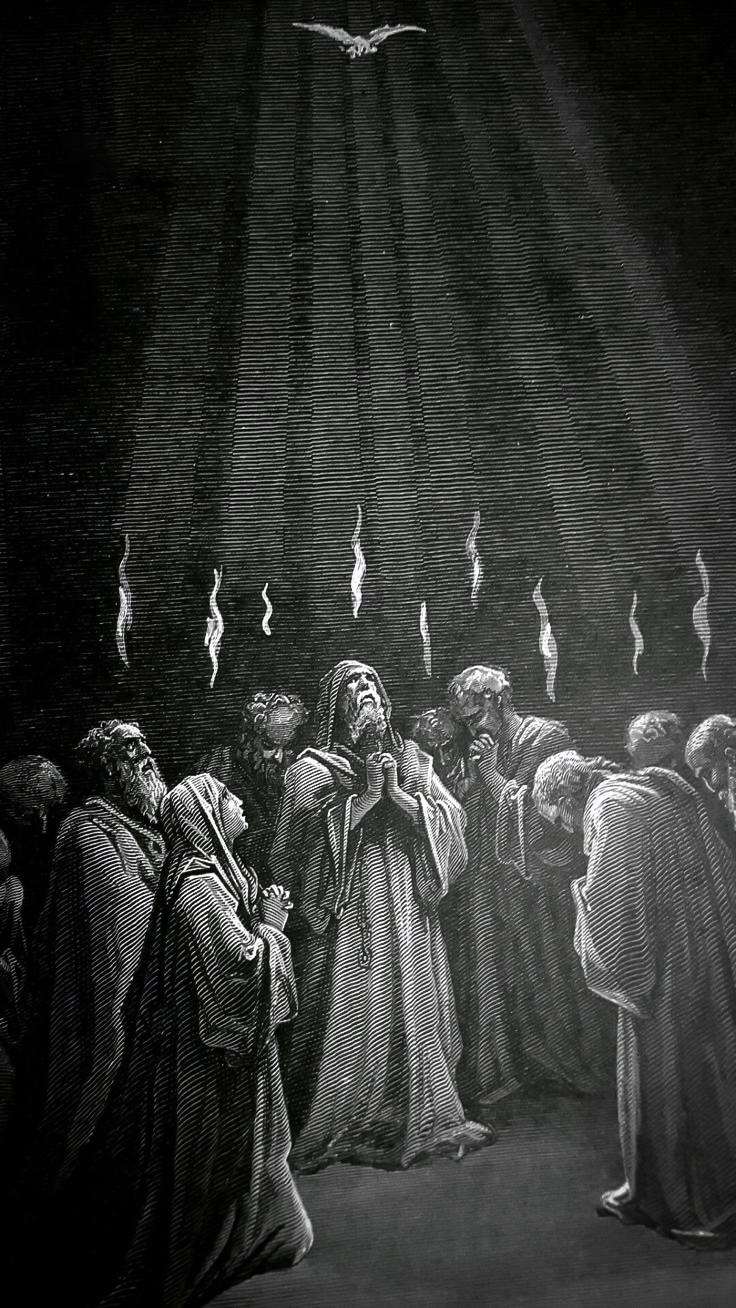
This distinction shapes the entire argument. Tozer insists that one must not confuse new birth with ongoing surrender. Regeneration places the Spirit within; obedience allows Him to direct the life without resistance. The tension he exposes is sober rather than dramatic. The Spirit does not force control. He rests where He is welcomed, not tolerated.
The conditions he describes are inward before they are outward. He speaks plainly about pride, self-protection, cherished sin, and inward duplicity. These are not minor hindrances. They crowd the heart and leave little room for the Spirit’s unhindered presence. Fullness, in his telling, requires cleared ground. Repentance is not an emotional moment but an honest reckoning. Restitution, confession, and surrender of ambition are part of making oneself available. The Spirit comes to rest where there is integrity.
The Word of God plays a central role in this process. Tozer does not separate the Spirit from Scripture. He points repeatedly to meditation on the Word as the appointed means by which the conscience is exposed and aligned. The Spirit does not operate apart from what He has already spoken. A person who neglects Scripture should not expect sustained fullness. The mind must be instructed so the will can be bent. Meditation is not mystical abstraction; it is steady attention to revealed truth until it governs thought and behavior.
Behavior itself matters, not as performance, but as evidence of alignment. Tozer stresses obedience in daily life—small decisions, speech, conduct, habits. The Spirit is not an accessory to spiritual enthusiasm; He shapes actual life. A careless pattern of disobedience cannot coexist with His steady companionship. Availability is demonstrated, not declared.
One of the more sobering elements of the book is his warning to be sure of what one is asking. To ask for fullness is to ask for exposure, purification, and removal of what resists Christ. The Spirit’s work is not merely comforting. He convicts, corrects, and restructures. Tozer makes clear that the prayer for filling is not safe in the sense of preserving self-rule. It is a request for God’s rightful authority.
The overall movement of the book is deliberate: from creed, to promise, to surrender, to vigilance. It is not technical theology, but it is not careless exhortation either. By distinguishing inhabitation from filling, grounding the work of the Spirit in Scripture, and tying fullness to yielded obedience, Tozer avoids both sensationalism and passivity. The result is a straightforward reminder that the Spirit’s presence is given in the new birth, but His governing fullness belongs to those who are willing to be wholly His.


