Tag Archives | tolkien

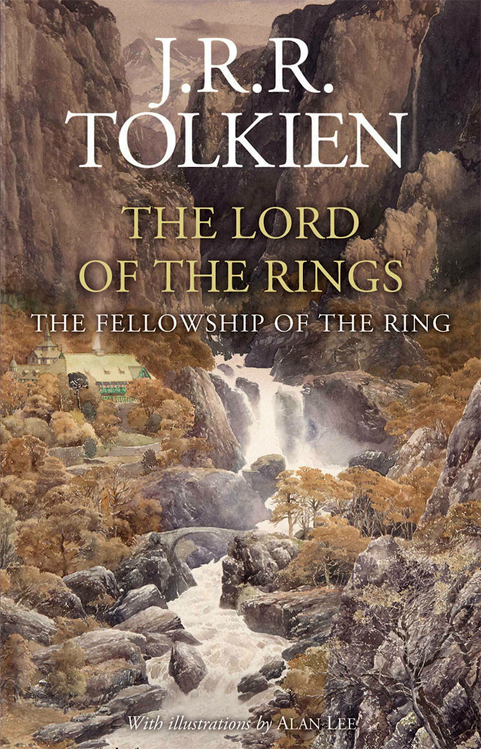
The Fellowship of the Ring by Tolkien

Today I completed The Fellowship of the Ring by J.R.R. Tolkien (407 pages). Unlike The Silmarillion, which unfolds as a record of origins and long decline, this book begins in a settled land whose boundaries appear sufficient for those who dwell within them. The early chapters remain in the Shire—within fields, gardens, family lines, and long-kept habits. Tolkien allows the reader to dwell there without urgency. Nothing outward presses in at once. Yet time is marked with care, and conversations gather meaning as they unfold. What seemed incidental in earlier years is reconsidered with greater attention.

Having already read The Hobbit, I was aware of the earlier discovery of the Ring. In that tale, it solved immediate problems and passed without a full explanation. Here, the same object is subjected to patient scrutiny. Gandalf’s long absence and careful return frame the shift in understanding. The Shire itself does not alter suddenly; rather, Frodo’s position within it changes. What he inherits includes more than a home. The choice before him develops quietly, and when it comes, it is shaped less by impulse than by necessity.

Book Review

The book opens with Bilbo’s departure, which closes one life and begins another. The continuity of the Shire remains intact as years pass under Frodo’s care. Only when Gandalf speaks plainly does the wider history of the Ring enter the foreground. From that point, departure becomes inevitable. Preparations are made gradually. Companions are drawn in through loyalty and trust rather than proclamation.
The Black Riders enter the story with measured presence. They do not storm or shout. They ask questions, wait at crossroads, and pass silently through villages. Their searching alters the ordinary landscape. Roads that once led comfortably from farm to farm now carry risk. As Frodo and his companions move through the Shire, into Buckland, and beyond its borders, pursuit follows without haste and without retreat. Fear gathers by degrees.

The passage through the Old Forest and the encounter with Tom Bombadil widen the sense of the world without shifting the course already set. There are regions and powers not ordered by the same struggle. The Ring remains small in the hand, yet it binds the company’s direction steadily eastward.

At Bree, the company enlarges. Strider joins not by spectacle but through knowledge of the land and steady conduct. The road toward Weathertop brings exposure. There, beneath the remnants of ancient watchtowers, concealment no longer holds. The attack is swift. Frodo’s wound remains beyond the moment itself, shaping each step that follows. The journey to the Ford presses on without rest until Rivendell is reached.

In Rivendell, memory and counsel gather into speech. The Council recounts events across many years and peoples. No extended debate alters the Ring’s nature. It cannot be mastered without mastering the bearer. The decision to carry it to its end is accepted openly. The Fellowship forms in clear understanding of what lies ahead.

The attempt to cross Caradhras gives way beneath snow and wind. The descent into Moria follows. Within those halls, torchlight reveals carved pillars and broken chambers. Echoes precede the threat itself. Weariness accumulates before battle does. Gandalf’s fall upon the bridge is final and without elaboration. The company emerges fewer in number and marked by loss.

Lothlórien receives them under high trees and quiet light. Rest there is neither forgetful nor celebratory. Each member stands under scrutiny without accusation. Gifts are given for use, not display. When they depart in boats along the Great River, motion replaces footstep. The Anduin carries them southward between cliffs and wooded banks, placing a greater distance between the present company and the places left behind.

Along the river and at its edges, signs of pursuit appear again. Gollum is glimpsed among rocks and ledges, climbing and withdrawing by night. He does not yet stand within the company’s sight, but his presence is noted. The Ring’s history reaches beyond open enemies.

At Parth Galen, rest becomes uncertain. Boromir speaks to Frodo apart from the others and presses the matter of bringing the Ring to Minas Tirith. Frodo withdraws alone and ascends the high seat of Amon Hen. From there, he looks out across the lands of Middle-earth and hears the call that seeks him. When he returns, he moves without declaration. Merry and Pippin run through the woods in search of him. Aragorn gives direction, and the company disperses. Frodo descends to the riverbank and pushes out a boat. Sam follows him into the water and climbs aboard. They cross the Anduin and set foot upon the eastern shore. There, the first volume ends.
Across its course, the book traces a road from enclosed fields to open land. The Shire stands at the beginning, then recedes behind hedge and hill. The Riders pass along roads once untroubled. A wounded hobbit rides toward Rivendell beneath watchful care. Snow closes a mountain pass. Drums sound in deep halls of stone. Boats travel south between ancient shores. A small craft touches the far bank of a wide river. The company no longer stands assembled in one place. The Ring remains in Frodo’s keeping.

Conclusion

Throughout the book, the journey unfolds through specific places and events that leave their mark. The Black Riders follow the road through the Shire and into Bree. Frodo stands upon Weathertop beneath the broken stones of an ancient watchtower and receives a wound that does not quickly fade. Snow turns the company back from Caradhras. In Moria, they pass by torchlight through carved halls and narrow bridges, hearing drums long before steel is drawn, and there Gandalf falls beyond the broken span. In Lothlórien, they rest beneath tall trees and depart with gifts fitted for the miles ahead. The boats drift down the Great River past cliffs and wooded banks while Gollum moves along the rocks at a distance. At Parth Galen, words are spoken that strain the company. Frodo climbs Amon Hen, looks out across Middle-earth, and then descends to the water. By the final page, he and Sam have crossed the Anduin, leaving the western shore behind.

If I were to place myself within that course, I would accompany them through those same hours. I would have stood upon Weathertop keeping watch against the night wind. I would have entered Moria with torch in hand, feeling the weight of stone overhead and hearing the echo of our own steps. I would have sat in the boats upon the Anduin, marking the current and the changing light. And when Frodo set his face toward the east, I would have stepped from the boat with him and begun the inland climb. I would carry what I had been given to carry, rise each morning to the same direction, and continue beside them through hardship, through fear, and through the quiet confidence that the road, once taken up, is to be walked to its end.
Continue Reading ·

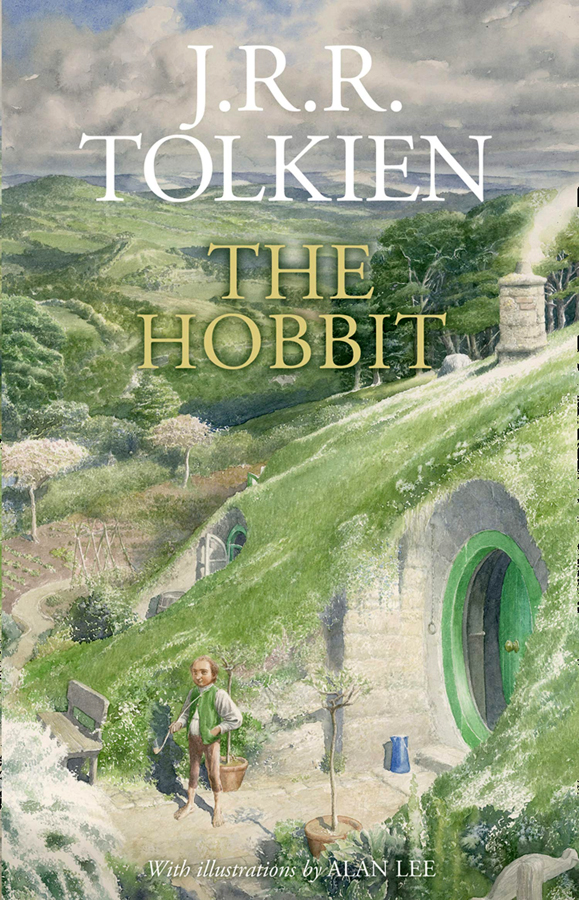
The Hobbit by Tolkien

“The Hobbit,” or “There and Back Again,” written by J.R.R. Tolkien and first published in 1937, is a timeless work in the fantasy genre, offering a richly imagined world filled with memorable characters, profound themes, and a narrative that balances epic adventure with a sense of homely charm. This review aims to comprehensively analyze the novel, touching upon its plot, characters, themes, literary style, and its place in the broader context of fantasy literature and Tolkien’s legendarium.

Introduction

The narrative of “The Hobbit” centers on the journey of Bilbo Baggins, a hobbit who enjoys a comfortable and unambitious life in the Shire. His world is turned upside down when the wizard Gandalf and a company of dwarves led by Thorin Oakenshield enlist him as a burglar on a quest to reclaim the Lonely Mountain and its treasure from the dragon Smaug. The story unfolds as a classic quest narrative, with Bilbo and the dwarves encountering various challenges and adversaries, including trolls, goblins, giant spiders, and elves, as well as the enigmatic creature Gollum, from whom Bilbo acquires the One Ring, a central element in Tolkien’s subsequent “The Lord of the Rings.”

Style and Narrative

Bilbo Baggins is really the heart of The Hobbit. He starts out as a cautious, comfort-loving homebody, but over the course of the story, he grows into someone courageous and clever—someone you wouldn’t expect to be a hero, but who rises to the occasion in a way that feels both genuine and inspiring. Thorin Oakenshield, too, stands out—not just as a leader with a noble cause, but as someone whose flaws, especially his growing obsession with gold, make him more human and tragic. The supporting cast—Gandalf, Gollum, and the rest of the dwarves—all bring something unique to the table, and each plays a part in Bilbo’s transformation.

Tolkien weaves a number of meaningful themes throughout the story. The journey isn’t just about reaching a mountain—it’s a path of growth and self-discovery. There’s a clear tension between the comforts of home and the dangers (and rewards) of the outside world. Greed and the power of treasure to corrupt are central, especially in the stories of Thorin and Smaug. But there are also quieter themes that run deep—friendship, courage, cleverness, and even a sense of divine providence quietly guiding events.

Tolkien’s writing style in The Hobbit is part of its lasting charm. It’s accessible but lyrical, often playful, and full of wonder. His narrator doesn’t just tell the story but occasionally chats with the reader, making it feel personal and engaging. It’s a fantasy story, yes, but also a tale full of humor, heart, and serious moral undercurrents. The Hobbit stands strong both on its own and as a doorway into Tolkien’s larger world. It remains a touchstone of English literature—beloved by generations for its rich imagination, timeless characters, and the thoughtful way it balances adventure with deeper truths.

Often seen as the forerunner of modern high fantasy, The Hobbit helped shape the genre and paved the way for The Lord of the Rings and beyond. Tolkien’s deep love of myth, especially Norse mythology, shines through in his world-building—from the names and languages to the runes and ancient lore scattered throughout the text. Written between the world wars, it also carries, in subtle ways, the mark of its time—a quiet echo of a world still healing from the trauma of conflict.

Theology and Symbolism

Good vs. Evil

The struggle between good and evil is central to “The Hobbit.” This dichotomy is embodied in characters like the noble Bilbo Baggins and Gandalf versus the malevolent Gollum and Smaug. Tolkien’s representation of evil often reflects a Christian understanding, where evil is seen as a perversion or corruption of the good rather than an independent force.

Providence and Fate

The concept of a guiding hand or destiny plays a crucial role in “The Hobbit.” Gandalf’s choice of Bilbo for the adventure and the seemingly random events that lead to significant outcomes (such as the finding of the One Ring) can be interpreted as manifestations of divine providence. This aligns with the Christian belief in God’s omnipotence and His mysterious ways of influencing the world.

Temptation and Moral Growth

Bilbo’s journey can be seen as a moral pilgrimage where he encounters various temptations and trials, such as the lure of the Ring and the treasure of the Lonely Mountain. His character and virtue growth, particularly his courage, generosity, and wisdom, reflect a Christian understanding of moral development and sanctification.

Sacrifice and Redemption

Themes of sacrifice are evident, especially in the context of Thorin Oakenshield’s arc. His eventual realization of greed’s hollowness and subsequent redemption echoes Christian notions of repentance and atonement.

Creation and Sub-creation

Tolkien’s portrayal of Middle-earth, in its detailed geography and history, aligns with his belief in sub-creation. As a devout Christian, he saw artistic creation as a reflection of God’s creative act, a concept he elaborates in his essay “On Fairy-Stories.”

Tolkien’s religious beliefs subtly influenced his writing. He viewed his storytelling as an act of creation, honoring God by mirroring His creativity. However, unlike some contemporary Christian literature, Tolkien eschewed overt allegory or preaching, preferring to let his themes emerge naturally from the narrative and characters. Scholars have long debated the extent and nature of the theological themes in Tolkien’s work. Some argue that the Christian allegories are profound and intentional, while others suggest they are incidental, a byproduct of Tolkien’s own worldview and ethical beliefs. However, the consensus is that “The Hobbit,” like much of Tolkien’s work, is deeply imbued with moral and spiritual significance, reflecting his personal faith and philosophical outlook.

In summary, a theological analysis of “The Hobbit” reveals a narrative rich in Christian symbolism and moral themes. The story, while not overtly religious, is underpinned by a worldview that reflects Tolkien’s own devout Catholicism, characterized by a belief in the fundamental struggle between good and evil, the power of providence, and the importance of moral integrity and redemption. These elements contribute to the enduring appeal and depth of “The Hobbit,” making it a work that resonates with readers on both a literary and spiritual level.

Overview

Going through The Hobbit chapter by chapter is a great way to explore how each part of the story adds to the bigger picture—whether it’s the plot, the themes, or the growth of the characters. The book is made up of nineteen chapters, each one marking a step in Bilbo Baggins’ transformation from a quiet, comfort-loving hobbit into an unlikely but courageous adventurer. What follows is a quick look at what each chapter brings to the journey.

Chapter 1: An Unexpected Party

Introduces Bilbo Baggins, a comfortable hobbit whose life is turned upside down when Gandalf the wizard and a group of dwarves led by Thorin Oakenshield arrive at his door. The chapter sets the stage for the adventure and establishes the primary characters and their quest to reclaim the Lonely Mountain.

Chapter 2: Roast Mutton

The company encounters three trolls. Bilbo’s first attempt at burglary goes awry, but Gandalf ingeniously saves the group. This chapter introduces Bilbo to the dangers of the world beyond the Shire and begins his transformation.

Chapter 3: A Short Rest

The group reaches Rivendell, where they receive aid and advice from Elrond. This chapter introduces the elves and hints at the wider world of Middle-earth, showcasing Tolkien’s rich world-building.

Chapter 4: Over Hill and Under Hill

The travelers face challenges crossing the Misty Mountains. Captured by goblins, they experience their journey’s first truly perilous situation, underscoring the dangers of their quest.

Chapter 5: Riddles in the Dark

Bilbo finds himself lost in the goblin tunnels and encounters Gollum. Their game of riddles is pivotal, leading to Bilbo’s acquisition of the One Ring. This chapter is crucial for introducing the Ring and its moral and narrative implications.

Chapter 6: Out of the Frying Pan into the Fire

After escaping the goblins, the company is pursued by Wargs and then rescued by eagles. This chapter highlights the recurring theme of providential help in times of need.

Chapter 7: Queer Lodgings

Gandalf leads the company to the house of Beorn, a shape-shifter. This chapter serves as a respite and introduces another of Middle-earth’s unique characters.

Chapter 8: Flies and Spiders

The company enters Mirkwood, facing hardships and the threat of giant spiders. Bilbo’s bravery and resourcefulness are central, as he plays a key role in rescuing the dwarves.

Chapter 9: Barrels Out of Bond

Captured by Wood-elves, the company escapes using a creative plan involving barrels. This chapter continues to showcase Bilbo’s growing courage and ingenuity.

Chapter 10: A Warm Welcome

The company reaches Lake-town, greeted as heroes. This chapter shifts the setting to a human settlement, expanding the scope of Middle-earth’s cultures and politics.

Chapter 11: On the Doorstep

They reach the Lonely Mountain, searching for the secret entrance. This chapter builds tension and anticipation for the confrontation with Smaug.

Chapter 12: Inside Information

Bilbo encounters Smaug. Their interaction is a highlight, showcasing Bilbo’s cleverness and the dragon’s arrogance, setting the stage for the story’s climax.

Chapter 13: Not at Home

The company explores the treasure hoard after Smaug leaves. Themes of greed and its corrupting influence begin to surface, particularly in Thorin.

Chapter 14: Fire and Water

Smaug attacks Lake-town, and Bard the Bowman defeats him. This chapter connects the dragon’s fate to the broader world, showing the impact of the quest on others.

Chapter 15: The Gathering of the Clouds

With Smaug dead, various parties converge on the Lonely Mountain, seeking a share of the treasure. The chapter sets up the conflict over the treasure and Thorin’s increasing obstinacy.

Chapter 16: A Thief in the Night

Bilbo uses the Arkenstone to broker peace, highlighting his growing moral complexity and desire to prevent bloodshed.

Chapter 17: The Clouds Burst

The Battle of Five Armies ensues. This chapter is a climax of action, with significant consequences for all characters involved.

Chapter 18: The Return Journey

Reflective and bittersweet, this chapter deals with the aftermath of the battle, losses, and the journey home, emphasizing the cost of adventure.

Chapter 19: The Last Stage

Bilbo returns to the Shire, finding it mostly unchanged. However, he is profoundly transformed. The chapter concludes the story on a note of melancholy yet contentment, with Bilbo embracing both his adventurous and hobbit sides.

Continue Reading ·

The White Tree

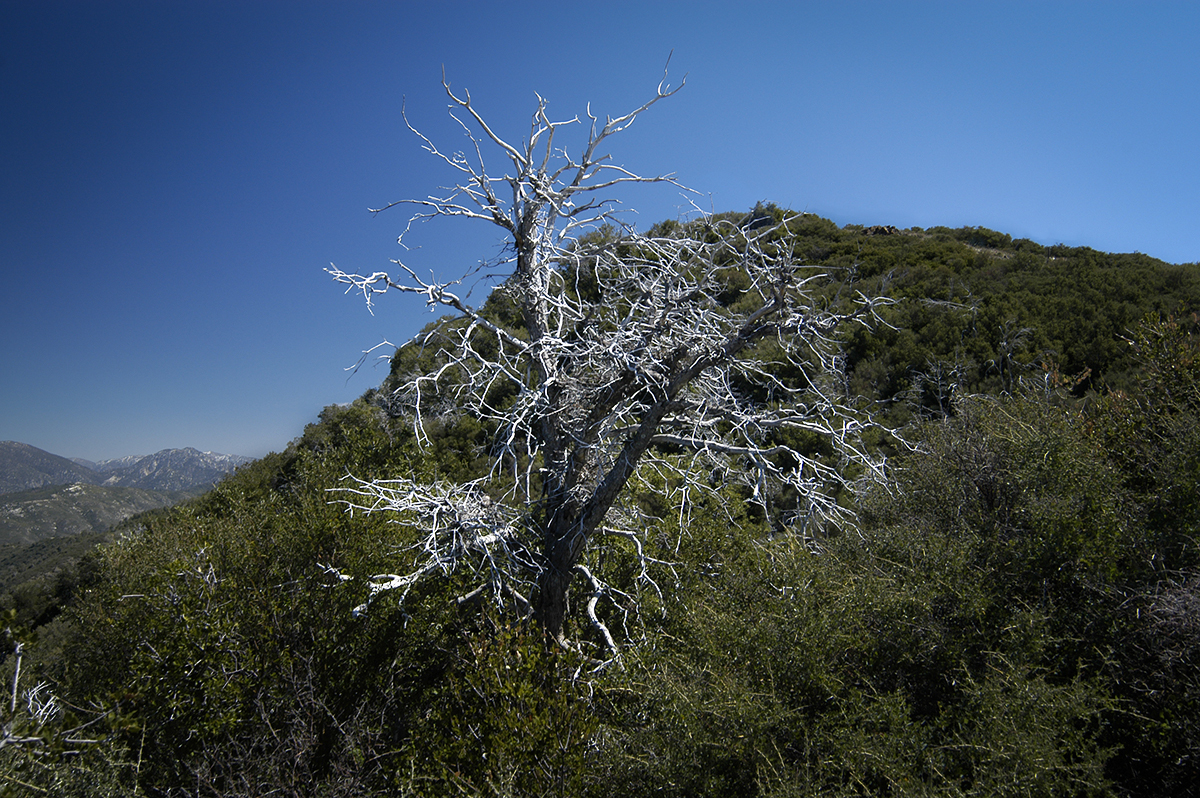
This photo I took by happenstance in passing while out on a peak ascent in the San Gabriel Mountains. The unique nature of the tree stood out to bring into remembrance the tales of J.R.R. Tolkien.

“The first White Tree of Gondor came from a fruit that Isildur, at great personal risk, managed to steal from Nimloth the Fair, the White Tree of Númenor, before that one was destroyed at Sauron’s insistence. He suffered many wounds at this mission, and he came near death, but when the first leaf opened in the spring, Isildur was healed of his wounds.

This sapling was brought to Middle-earth on Isildur’s ship, and it was eventually planted in Minas Ithil before the house of Isildur. But when Sauron returned to Middle-earth, he launched a sudden attack in S.A. 3429 that captured Minas Ithil, and he burned the White Tree. Isildur escaped taking with him again a sapling.”

White Tree

Source: White Tree of Gondor


Continue Reading ·