Today I completed The Magician’s Nephew by C.S. Lewis, the first book in the Chronicles of Narnia series, though it was the sixth to be published. As a foundational work, it serves not merely as a prelude but as the theological and mythological bedrock upon which the entire Narnian world rests. Far from being a simple children’s tale, this book lays the groundwork for the origin of Narnia, unveiling the spiritual architecture, the nature of its creation, and the early emergence of both good and evil within its borders.
This review offers a synthesis of that narrative, focusing on how Lewis frames the birth of Narnia, the entrance of its first rulers, and the intrusion of its first great enemy. It traces the formation of a world sung into being by Aslan, the Lion, and shaped by obedience, sacrifice, and temptation. The story unfolds with mythic gravity and quiet reverence, establishing a setting that reverberates through all the later books. In this way, The Magician’s Nephew is not only an origin story but a lens through which the reader can understand the moral and spiritual currents that run beneath the whole Narnian saga.
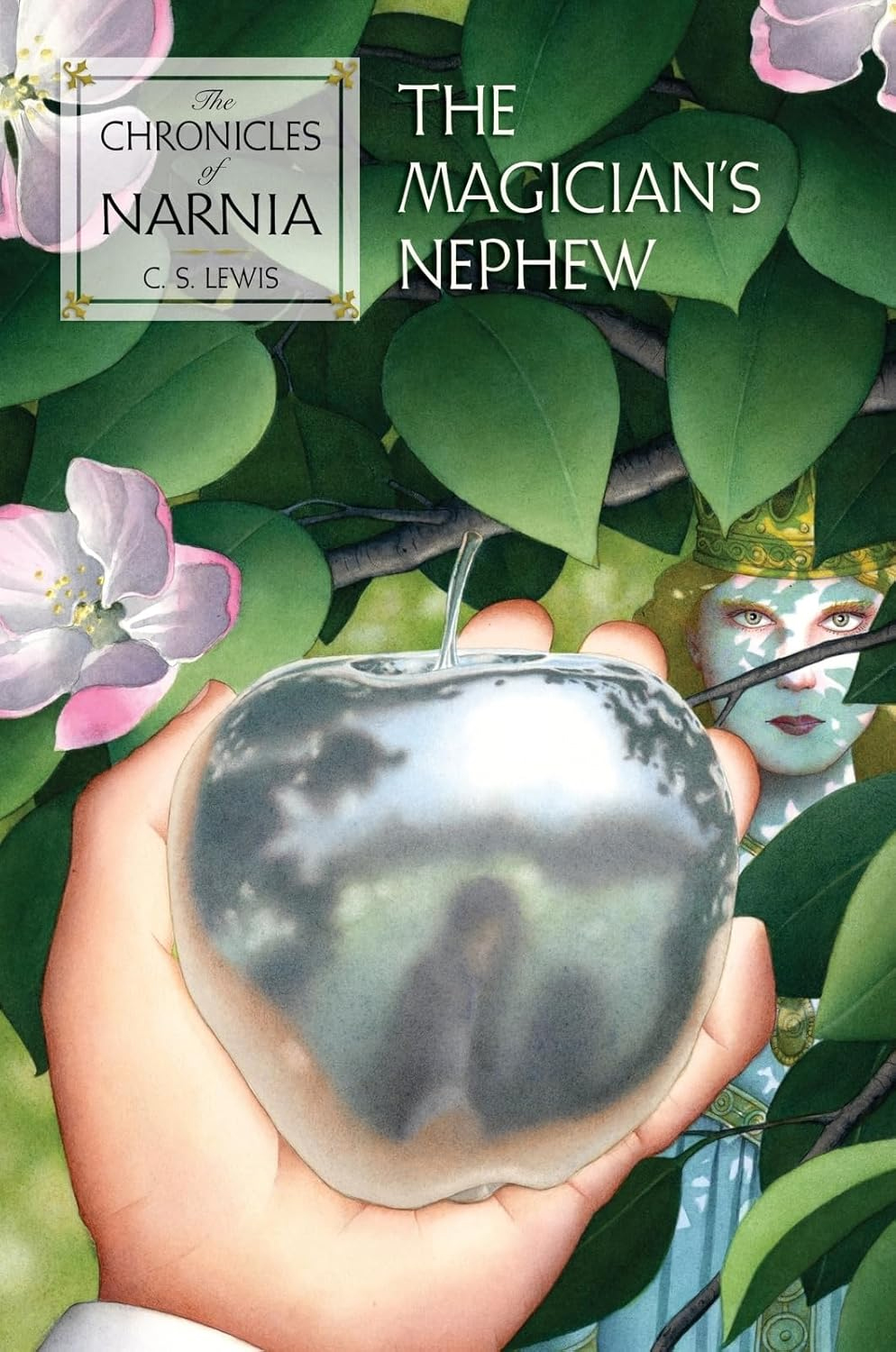
In Edwardian London, two children—Digory Kirke and Polly Plummer—become neighbors and friends during a rainy summer. Their curiosity leads them into the study of Digory’s eccentric Uncle Andrew, who claims to be a magician. Without warning, Uncle Andrew tricks Polly into touching a yellow ring, which causes her to vanish. He reveals to Digory that the rings are magical devices he has created through forbidden experiments with otherworldly dust. One set of rings transports the wearer to another realm; the other brings them back. Reluctantly, Digory follows Polly, determined to rescue her.
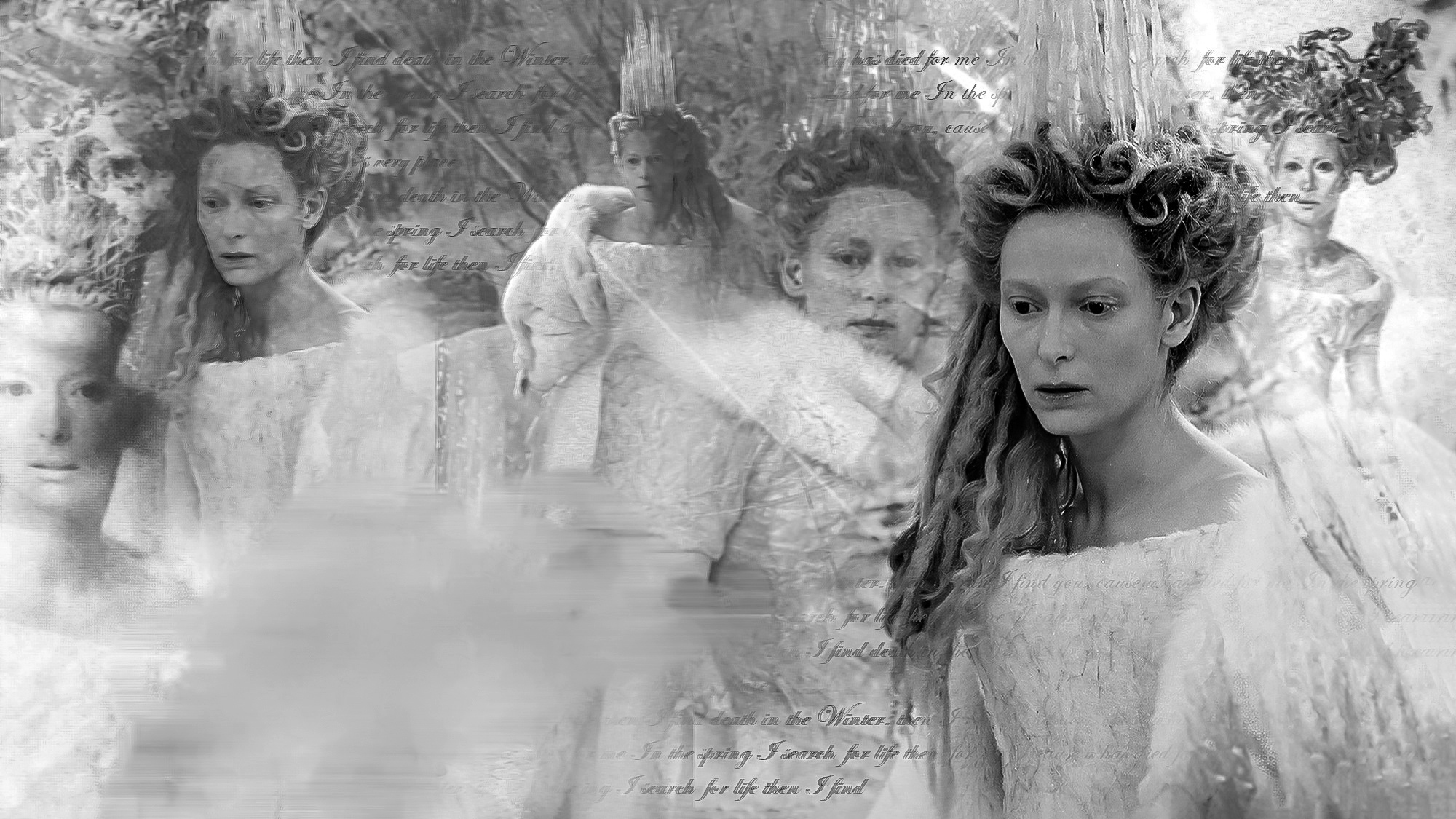
They both arrive in a quiet, eerie realm known as the Wood between the Worlds, a peaceful place filled with shallow pools that serve as portals to many different universes. While exploring, they stumble into one such pool and find themselves in a ruined and dying world called Charn. There they enter a hall of wax-like statues and discover an inscription and a bell with a hammer. Against Polly’s warnings, Digory rings the bell, awakening the last queen of Charn—Jadis. Her once-great empire had collapsed after she spoke the Deplorable Word, annihilating all life to avoid surrender. Ambitious and proud, Jadis follows the children back through the Wood and into London.
Chaos breaks out in London as Jadis—now styling herself as Queen—wreaks havoc in the streets. She is eventually subdued and drawn into the Wood again by the children, Uncle Andrew, a cab driver named Frank, and his horse, Strawberry. Seeking to leave her behind, Digory and Polly jump into another pool—but all are inadvertently carried into a new, dark world. Here, they witness the creation of Narnia by the voice of the great lion, Aslan. Through majestic song, Aslan brings light, stars, hills, plants, and animals into existence. As they watch, the world comes alive in harmony and wonder.
Jadis, fearing Aslan’s power, flees into the mountains. Meanwhile, Aslan bestows speech and reason upon select animals, making them Talking Beasts. He establishes them as the stewards of Narnia. Frank the cabbie is crowned the first King of Narnia, and his wife Helen—miraculously summoned—is made Queen. Aslan entrusts them with the care of the land. Digory is given a solemn commission: he must go on a journey to retrieve a special apple from a distant garden to protect Narnia from evil’s early corruption. He is warned not to eat it himself or succumb to temptation.
With Polly and the flying horse Fledge (the transformed Strawberry), Digory travels across Narnia’s young world. They reach a walled garden, and Digory sees a sign commanding him to take an apple for others, not himself. There he encounters Jadis once more, who has eaten of the fruit and been granted terrible immortality. She tempts Digory to take another apple to heal his dying mother or to eat it himself. Though wracked with sorrow, Digory resists her, remembering Aslan’s words and his own conscience. He takes the apple back as instructed.
Aslan commends Digory for his obedience and reveals the fruit will grow into a tree that will guard Narnia from Jadis for many years. He allows Digory to take another apple back to his world for his mother’s healing, which succeeds. The tree of protection is planted in Narnia, and the seeds of evil—though present—are restrained by the divine ordering Aslan has put in place. Uncle Andrew is dealt with gently and sent back in a stupor, unable to recall the truth. Narnia’s beginning is thus secured by obedience, sacrifice, and joy.
Returning home, Digory plants the core of the apple in his garden along with the rings. Over time, the tree grows strong, a silent reminder of Narnia and its trials. Though the portal is now closed, the experiences of the new world remain with the children as a deep mystery and sacred memory. The narrative closes not with fanfare, but with a quiet fulfillment: Digory’s mother is well, and though no one else will understand the full truth of what has passed, something great and holy has entered the world.
Throughout the story, themes of temptation, obedience, creation, and divine authority are illustrated not through abstraction but through narrative. Digory’s growth from impulsiveness to virtue, Polly’s constancy, and Aslan’s creative sovereignty all anchor the tale. The reader sees that disobedience leads to ruin (as in Charn), but submission to rightful order fosters peace and healing. The world of Narnia, like our own, is not free from danger, but its foundations are set in goodness, melody, and grace.
The Magician’s Nephew closes with a sense of fullness. Narnia’s origin has been told; its guardians have been appointed; its adversary has been restrained. In London, life resumes, though Digory now bears a deeper wisdom. What began with reckless curiosity ends with maturity forged through pain, choice, and courage. And beyond it all, the song that formed the stars still echoes in the unseen depths of the world Aslan has made.


Comments are closed.