Today, September 12th, 2025, I finished reading the King James Version of the Bible from cover to cover. The copy was 1,647 pages long, and I revisited many books, chapters, and passages multiple times. The reading took well over a year.
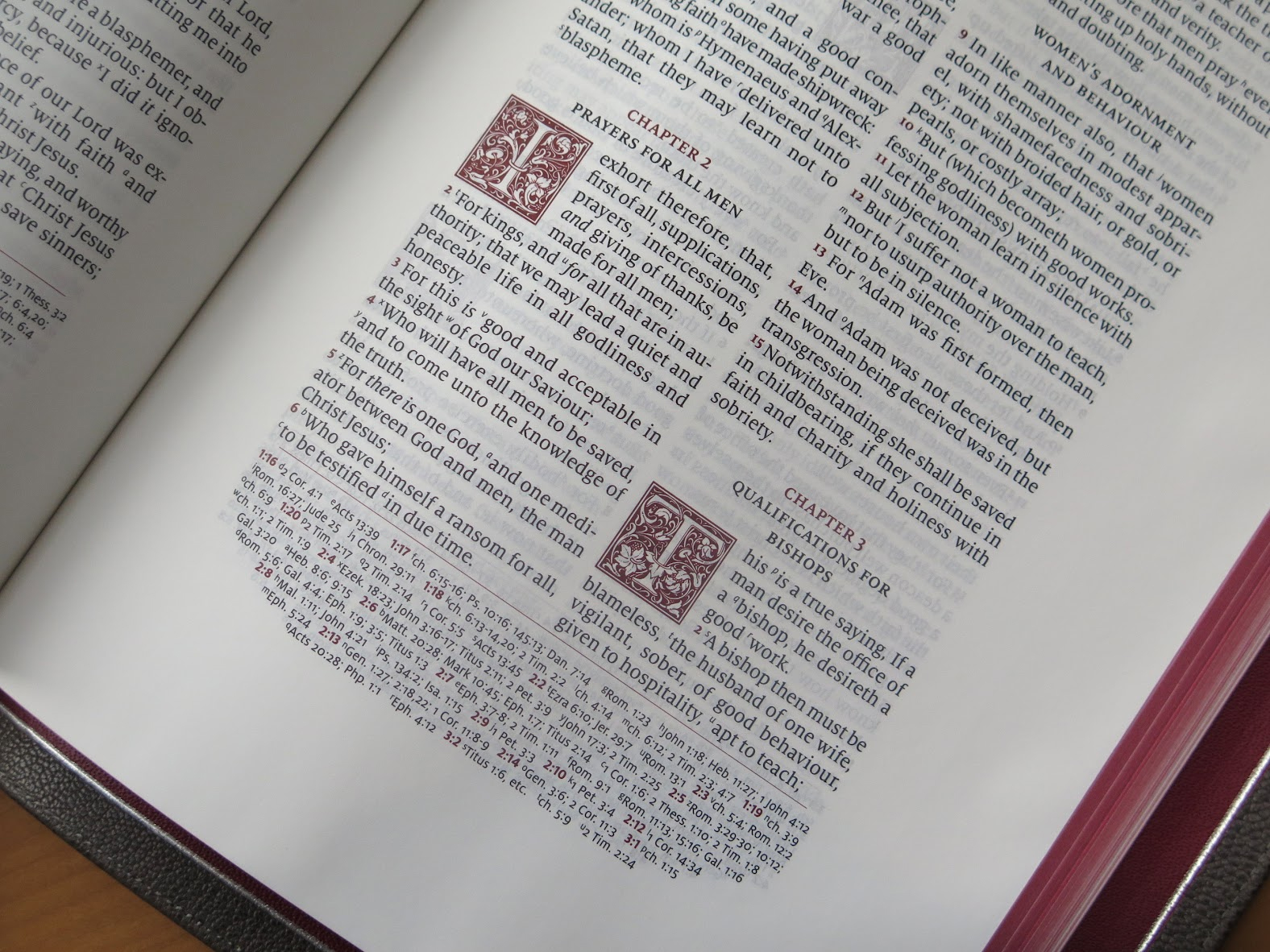
Having already completed both the ESV (2016) and NASB (1977 and 1995) translations from beginning to end, I undertook the King James Version as my third full reading of the Bible. This edition—the Authorized (King James) Version, Schuyler Canterbury Wide Margin, 2019—ran to 2,007 pages, and its breadth made the undertaking substantial. The reading experience differed from the others not only in translation choices but also in cadence, phrasing, and presentation. The archaism of the KJV created a certain gravity, while the wide margins of the edition allowed the text to breathe on the page.
Completing the King James Bible today from beginning to end was a long and layered experience. It took well over a year. The text held together by its distinctive phrasing and rhythm, while each book added its own character. Reading continuously through all sixty-six books allowed the movement of the canon to stand out—themes rising, falling, and returning in unexpected ways. The translation’s cadence gave consistency even as the genres shifted sharply.
The Pentateuch opened with grandeur. Genesis set the stage with its narrative of creation, early humanity, and the beginnings of Israel through the patriarchs. Exodus was dramatic, filled with plagues, deliverance, and covenant law at Sinai. Leviticus, slower in pace, emphasized detail and order, focusing heavily on offerings and regulations. Numbers alternated between census data, travels, and rebellion. Deuteronomy functioned like a series of speeches, reviewing the past and preparing for what lay ahead. The impression across these five books was one of origin and foundation.
The Historical books presented a national storyline. Joshua carried the tone of conquest and settlement. Judges was repetitive, marked by cycles of disobedience and deliverance. Samuel and Kings tracked the rise and decline of the monarchy, mixing political detail with personal drama. Chronicles revisited much of the same history but emphasized temple and worship. Ezra and Nehemiah, in contrast, were quieter, centered on rebuilding after exile. Esther concluded the section without naming God, but providence was implied in its turns of fortune. Together these works created a sense of continuity and fracture, success and collapse.
The Wisdom and Poetry books were different in texture. Job stood apart with its sustained dialogue about suffering and divine justice. Psalms offered an anthology of prayer, praise, lament, and thanksgiving, spanning moods across its 150 entries. Proverbs presented compact sayings with moral and practical guidance. Ecclesiastes was reflective, with a sober tone on the vanity of life. Song of Solomon was lyrical and intimate, celebrating love in striking imagery. The diversity here gave a range of voices, moving from lament to celebration, from brevity to extended meditation.
The Major Prophets were weighty. Isaiah combined judgment and hope, moving between warnings and visions of restoration. Jeremiah was lengthy, marked by laments and oracles of both doom and promise. Lamentations provided a poetic record of devastation. Ezekiel stood out for its elaborate visions and symbolic actions. Daniel mixed narrative accounts of faithfulness in exile with apocalyptic imagery of kingdoms and their succession. These books conveyed scale and intensity, often shifting between historical events and cosmic visions.
The Minor Prophets, shorter but sharp, came like a series of concentrated messages. Hosea employed personal imagery to illustrate unfaithfulness. Amos spoke forcefully on justice. Micah balanced rebuke with future hope. Habakkuk unfolded as a dialogue between prophet and God. Malachi, closing the Old Testament, warned against ritual without sincerity and looked forward to a future messenger. Their brevity gave them force, making each book a direct statement before moving to the next.
The Gospels formed the centerpiece of the canon. Matthew structured its narrative around fulfillment of earlier prophecy. Mark was brisk, urgent, and direct. Luke offered fuller accounts with attention to detail and compassion. John emphasized theological reflection, presenting extended discourses and unique imagery. Reading all four consecutively brought both harmony and variation, multiple perspectives converging on the same figure and events.
Acts functioned as a continuation and expansion, narrating the spread of the early movement beyond Jerusalem. It blended speeches, journeys, and conflicts, with recurring emphasis on boldness and opposition. The structure carried a sense of outward momentum, as the message traveled from city to city and crossed cultural boundaries.

The Epistles shifted in form, presenting themselves as letters rather than narratives. Romans gave a structured exposition of doctrine. Corinthians addressed divisions and practices within a community. Galatians emphasized freedom from law, while Ephesians and Colossians developed themes of unity and Christ’s supremacy. Philippians was personal and warm in tone. The pastoral letters gave guidance for leadership and endurance. Hebrews offered a sustained argument connecting the old covenant symbols with their fulfillment. James was concise and practical. Peter and John’s letters highlighted perseverance and truth, while Jude issued warnings. The effect of reading them in order was like receiving a stream of counsel, some formal, others more personal.
Revelation closed the canon with its apocalyptic visions. The letters to the seven churches gave direct assessments, while the cycles of seals, trumpets, and bowls built in intensity. Symbolic beasts, judgments, and cosmic battles alternated with scenes of worship around the throne. The conclusion turned to images of restoration—a new heaven, a new earth, and the descent of the holy city. The language was dense with imagery, requiring slow and deliberate reading and re-reading.
Taken together, the experience of reading the KJV Bible cover-to-cover was both varied and unified. Some sections demanded patience, others moved quickly. The prose of the translation, though at times archaic, provided weight and continuity. Each genre—law, history, poetry, prophecy, gospel, letter, vision—contributed a distinct layer, yet they all pointed toward a coherent whole. The impression left was of a vast work, diverse in voice and form, yet bound together by its scope and intention.


Comments are closed.