
Let Justice Roll
When a person walks by the Spirit as written about in Paul’s letter to the Galatians (Gal 5:1-26), we are guided in Christlike behavior that honors God’s instructions to love one another. As Christ’s life …

The Rose of Antipathy
The unfaithful spouse imagery in Hosea’s book is common to the same type of betrayal that we read about among the major prophets (Jeremiah 3:1, Ezekiel 16:32). The prophets describe how the rejection of a …

The Chosen of Shamayim
The promise of the Spirit of Yahweh poured out upon His people includes individuals written about in the context of Joel 2:28-29. Specifically, Israel’s people identified as sons, daughters, men, both young and old, and …

The Indwelling Presence
As Yahweh made clear to the prophet Jeremiah concerning Israel, “they will be My people and I will be their God,” it was obvious that He kept faithful to the covenant agreed upon at Mt …

The Choices We Make
Daniel’s first two chapters involve his faithfulness when facing uncertain or adverse circumstances related to the Babylonian authorities above him. Specifically, Daniel was pressured to eat foods that would have defiled him as they were …

The Path of Most Resistance
In the New Testament, we read about how becoming a friend of the world puts God’s people at enmity with Him (James 4:4). To recognize and want all the same values, traditions, interests, and core …

Realms of Distinction
The four living creatures in Ezekiel 1:4-28 are real spiritual beings that Ezekiel saw in his vision. This was a supernatural experience that he encountered as what was revealed to him was a likeness of …

The Path of Inevitability
During the reign of Jehoiakim (an evil king of Judah), between 609 and 598 BC, Yahweh instructed the prophet Jeremiah to bring the Rechabite’s entire household into Jerusalem within the temple of the Lord. Yahweh …

When All Seems Lost
Yahweh directly instructed Jeremiah to buy a field in Judah while Jerusalem was under siege (Jer. 32:24-25). The city was about to be burned, looted, with thousands of people killed. Those who were remaining would …

The Court of the Prophets
It would appear that Jer. 14:13 is where the prophet Jeremiah sets before Yahweh an attempt to excuse the Lord’s apostate people. He calls attention to the lies and deceit of the court’s false prophets, …

The Wailing of Perdition
The context of this passage is about Yahweh’s message to people who are about to undergo judgment. Both His people and outsiders alike are, in Jeremiah’s words, to become corpses like dung that fall on …

The Spirit of Error
As it is written in Isaiah’s pages, Yahweh gives a clear and direct understanding of who He is and what His interest are (Isaiah 58:6-7). Among them, He made explicit and unmistakable reference toward the …

Oracles of the Suffering King
As one thinks of irony, usually, an impression of emphatic opposite effect is brought to mind. As a literary device, it is a way to convey meaning in a way that emphasizes a deliberate sense …

The Shadow of Dawn
In the plain reading of Isaiah 14:12 in the KJV and NKJV, we are informed about how it was “Lucifer” who was fallen from heaven. Where the Hebrew term Helel ben Shahar translates as “morning …
Consecrating Fire
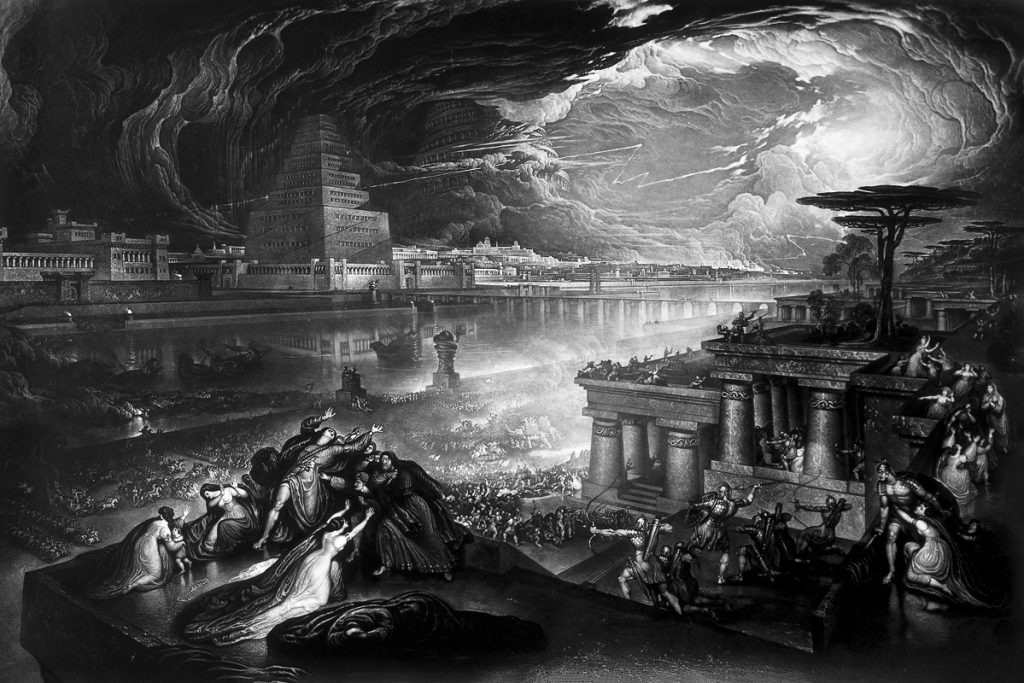
The appearance of Isaiah before God at His seat of power is an astonishing scene of awe and wonder. As recorded and narrated in chapter six of the book of Isaiah (6:1-13), this encounter was …
Overview of Jeremiah
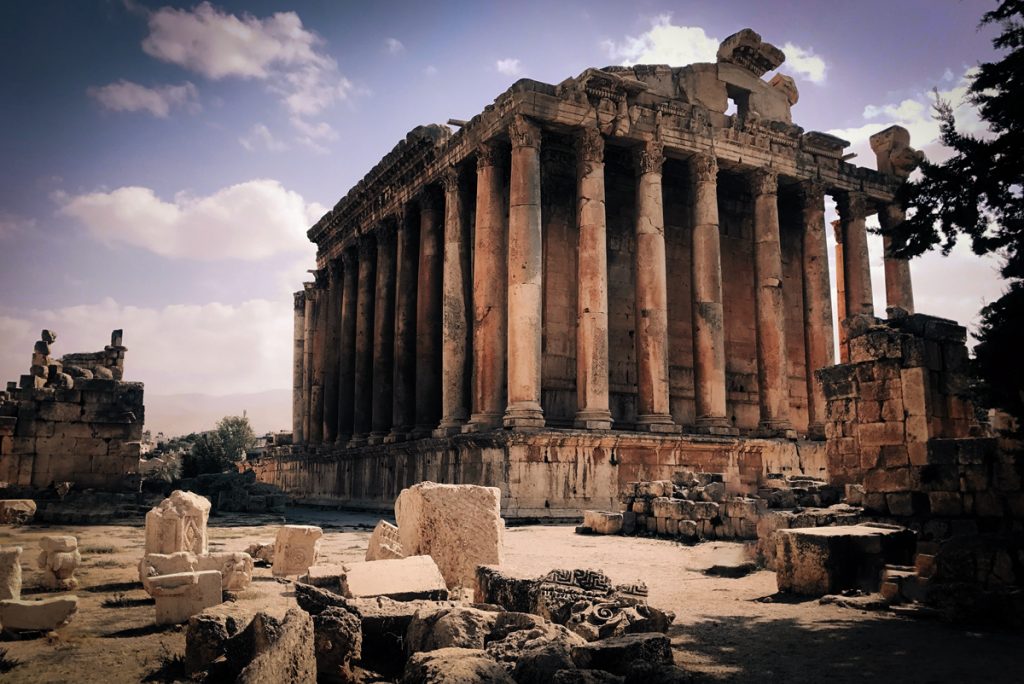
Jeremiah was both a priest and a prophet who lived during the final decades of Judah’s Southern kingdom. He is more clearly know in Scripture as a prophet who warned Jerusalem of judgment due to …

Overview of Isaiah
The opening chapters of Isaiah (1 -12) concern messages of judgment and hope. Centered squarely upon Jerusalem, and more broadly, the Northern and Southern kingdoms. As Jerusalem remained in a state of disobedience, rebellion, and …

Eschatological Systems of Thought
Both amillennialism and premillennialism are eschatological systems of interpreting prophetic and apocalyptic thought. The prediction of near and far-term future events is expressed in written or verbal form to describe forthcoming fulfillment. All the way …

About James

☩ U.S. military veteran and electrical engineer with an MBA from Pepperdine University and an M.A. in Theological Studies. My background includes wilderness exploration with over 140 mountain ascents and travel throughout Europe and the Americas. My life is in Christ, under the authority of Holy Scripture, with ongoing pursuits in engineering, literature, the sciences, and theology.


