Archive | Projects RSS feed for this section

GPIO Relay Module

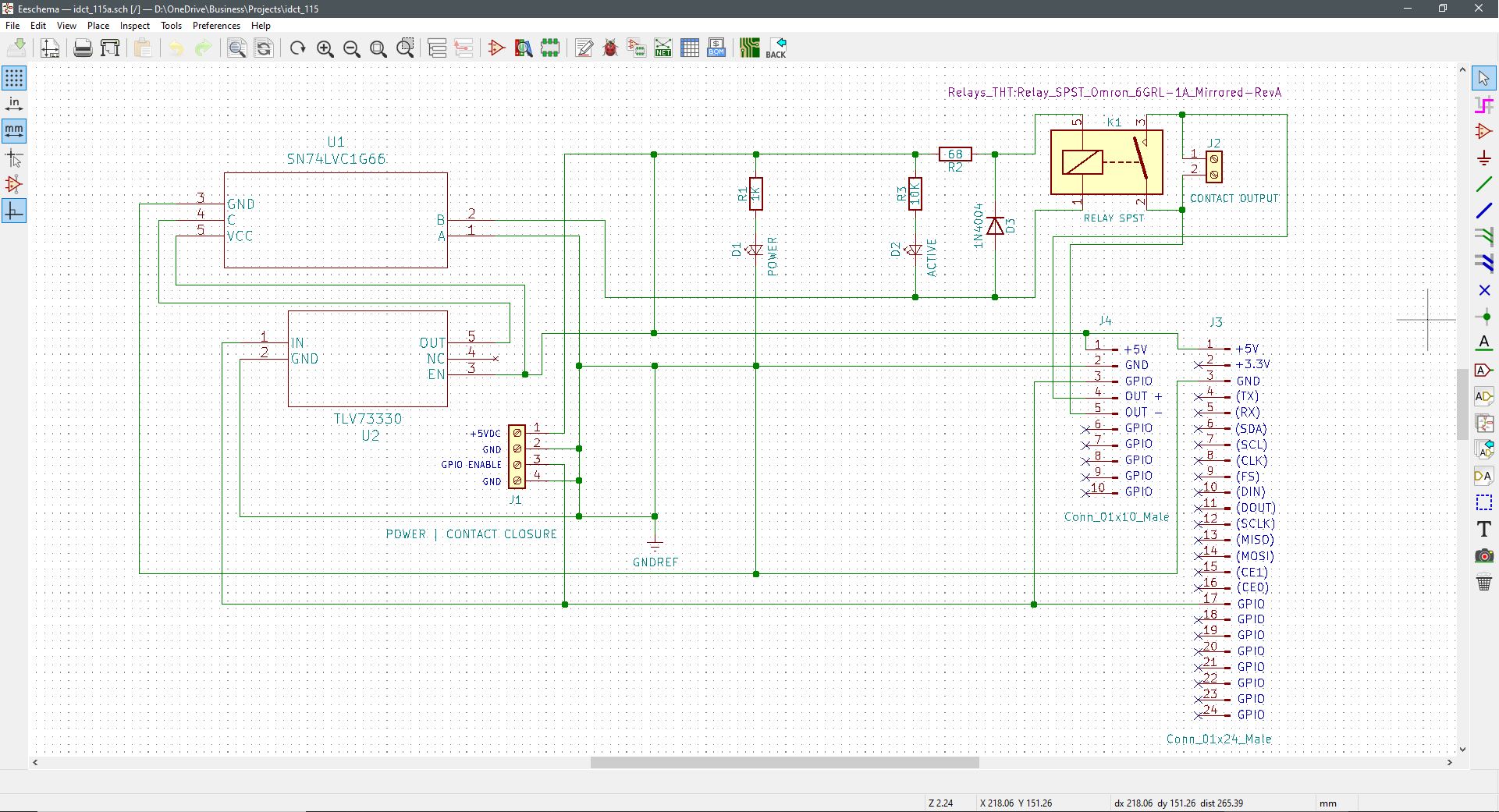
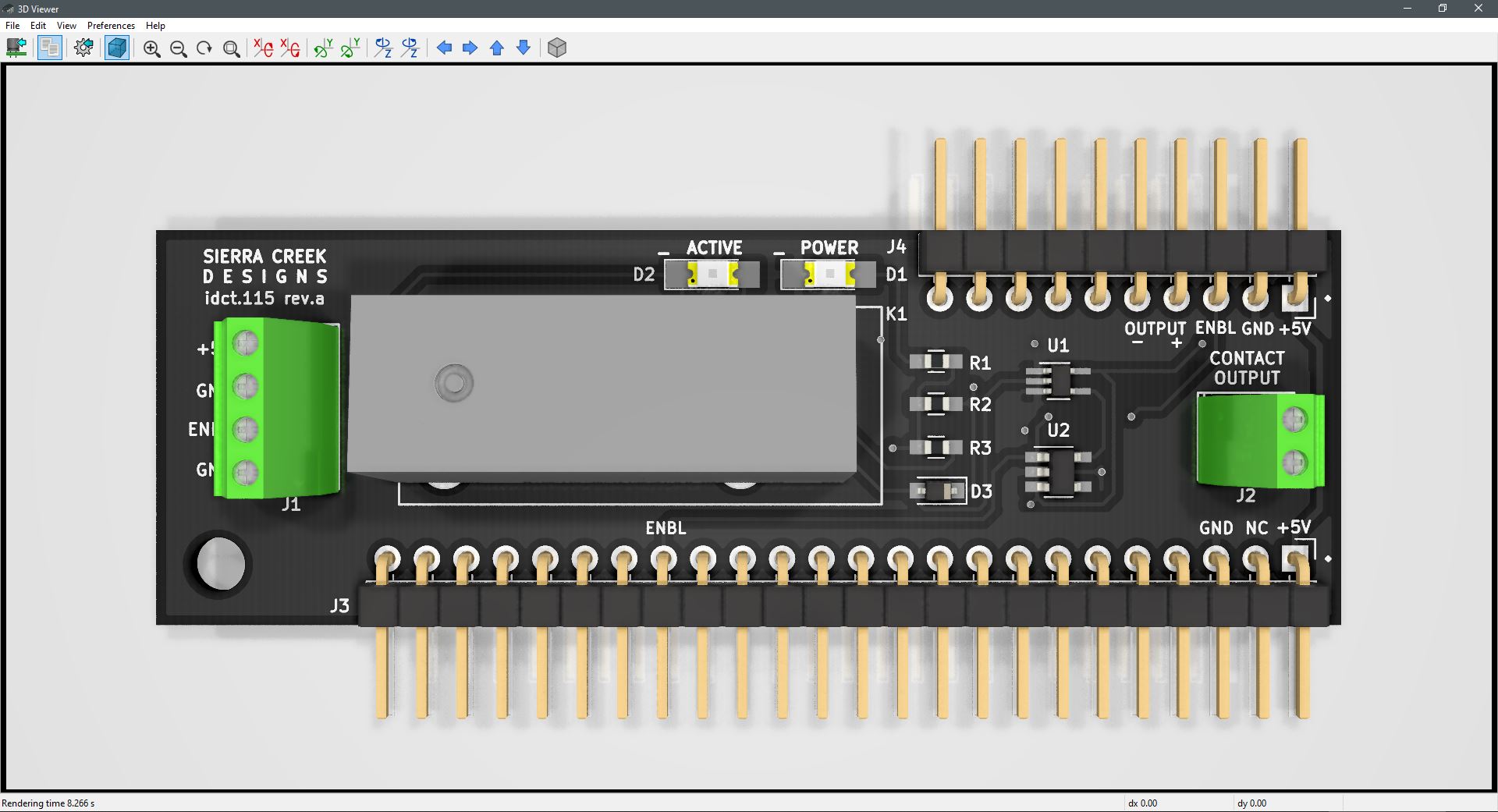
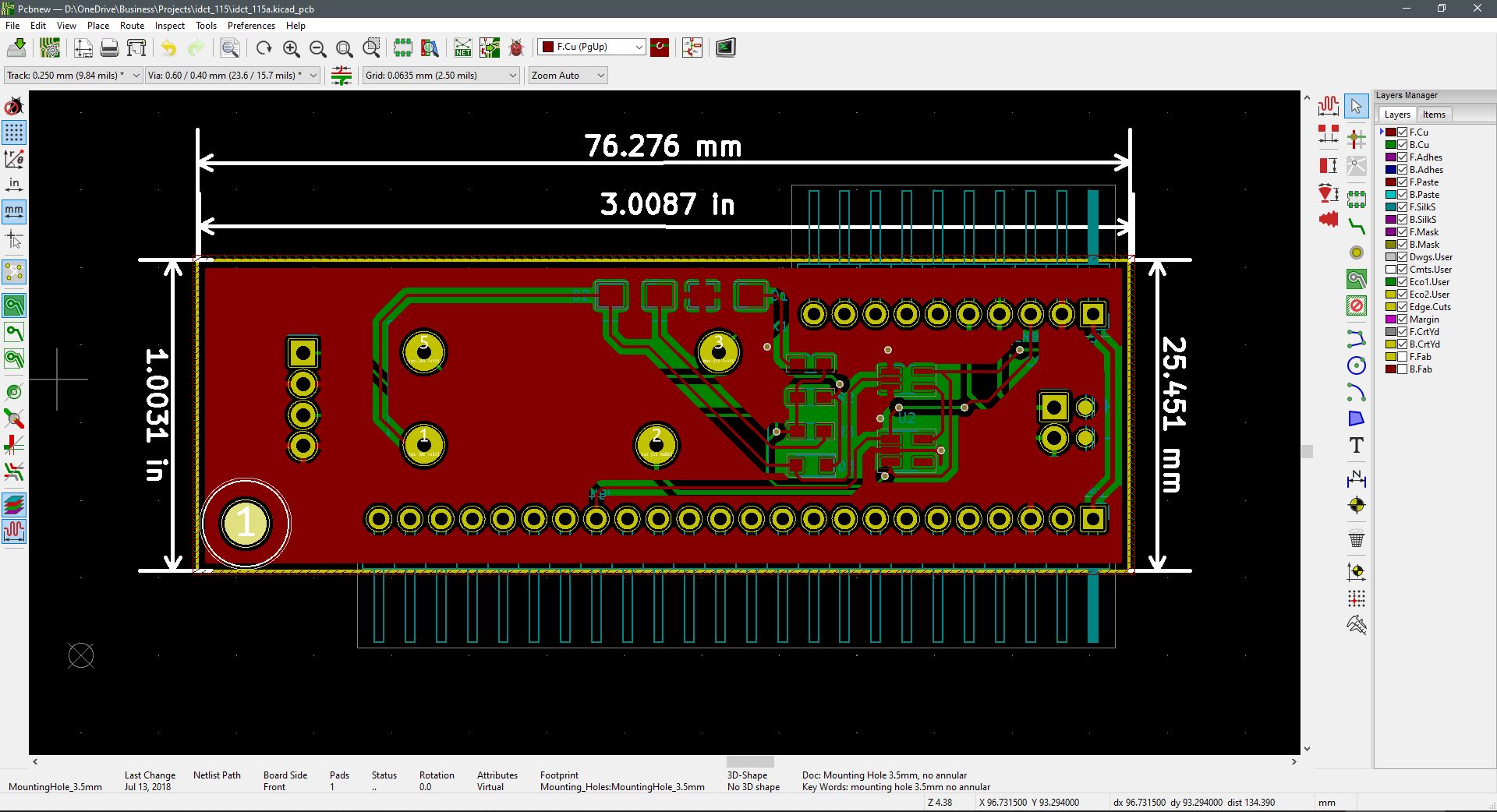
This module is a version of the relay module previously developed to support a contact closure input for activation. This module is different where it doesn’t require a contact closure, or shorted-path to activate the relay output at J2. Instead, it supports a GPIO (general purpose input/output) signal for relay activation. The other connections and functions remain the same except the mode of activation at J1 just changes in support of an SBC such as an RPi, Arduino, Espressif, Nucleo, etc. The prior module is intended for external contact closure or shorted connection at the input connector J1. Using a simple twisted pair of wires, for example.

This module required both SN74LVC1G66 analog bilateral switch and a TLV73330 low voltage dropout regulator (LDO) to translate low voltage levels from GPIO signals at 1.8, 2.8, 3.0V, or 3.3V to a steady 3.3V level necessary to set up enough source strength at the relay. It is set in series with the analog SPST switch as necessary to drive the relay (i.e. deliver GPIO signal to the relay).

The other notification LEDs are present as before to indicate the ACTIVE state of the relay and power presence at the module.
Continue Reading ·

Programmable Pulse Module

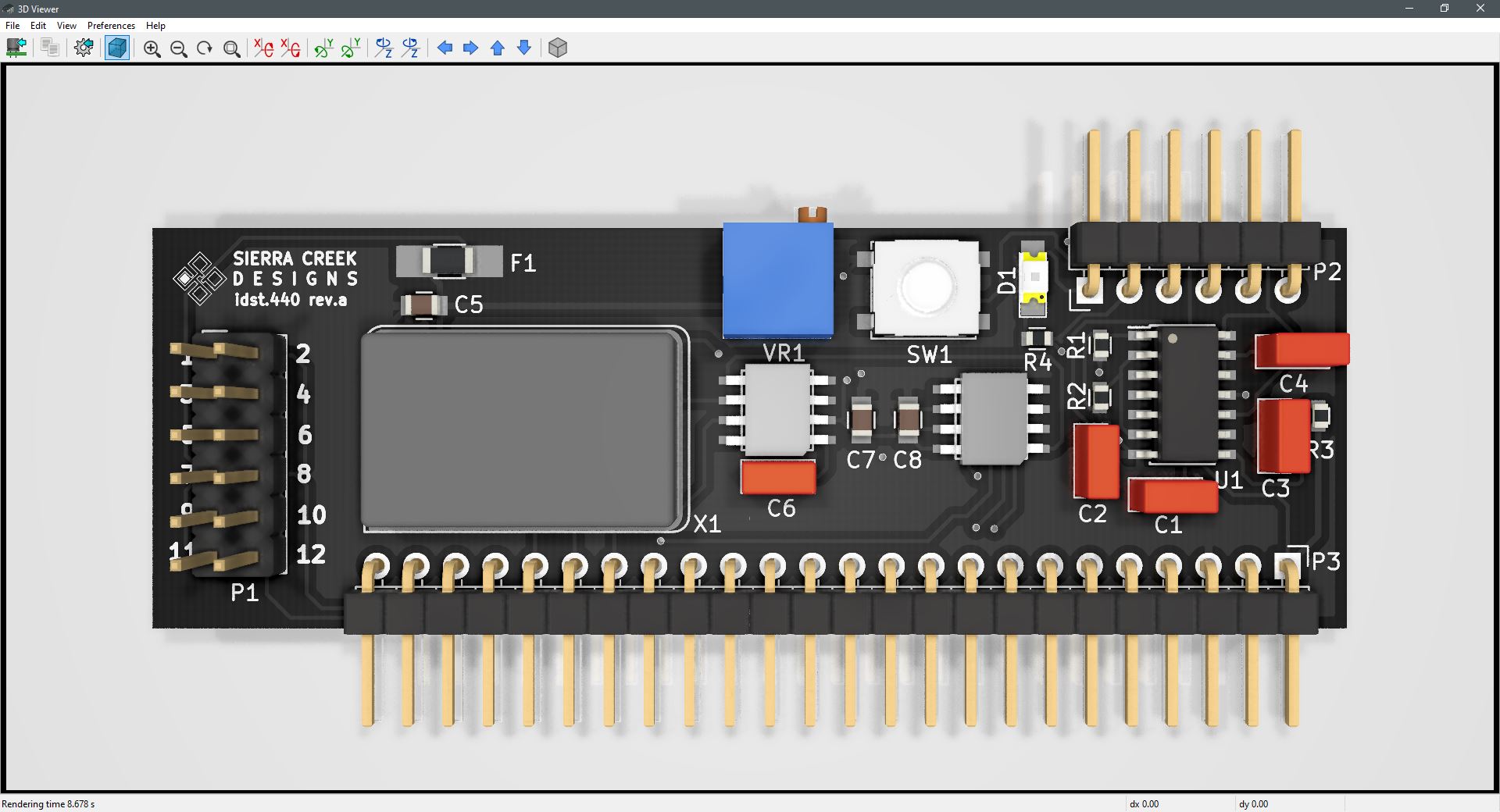
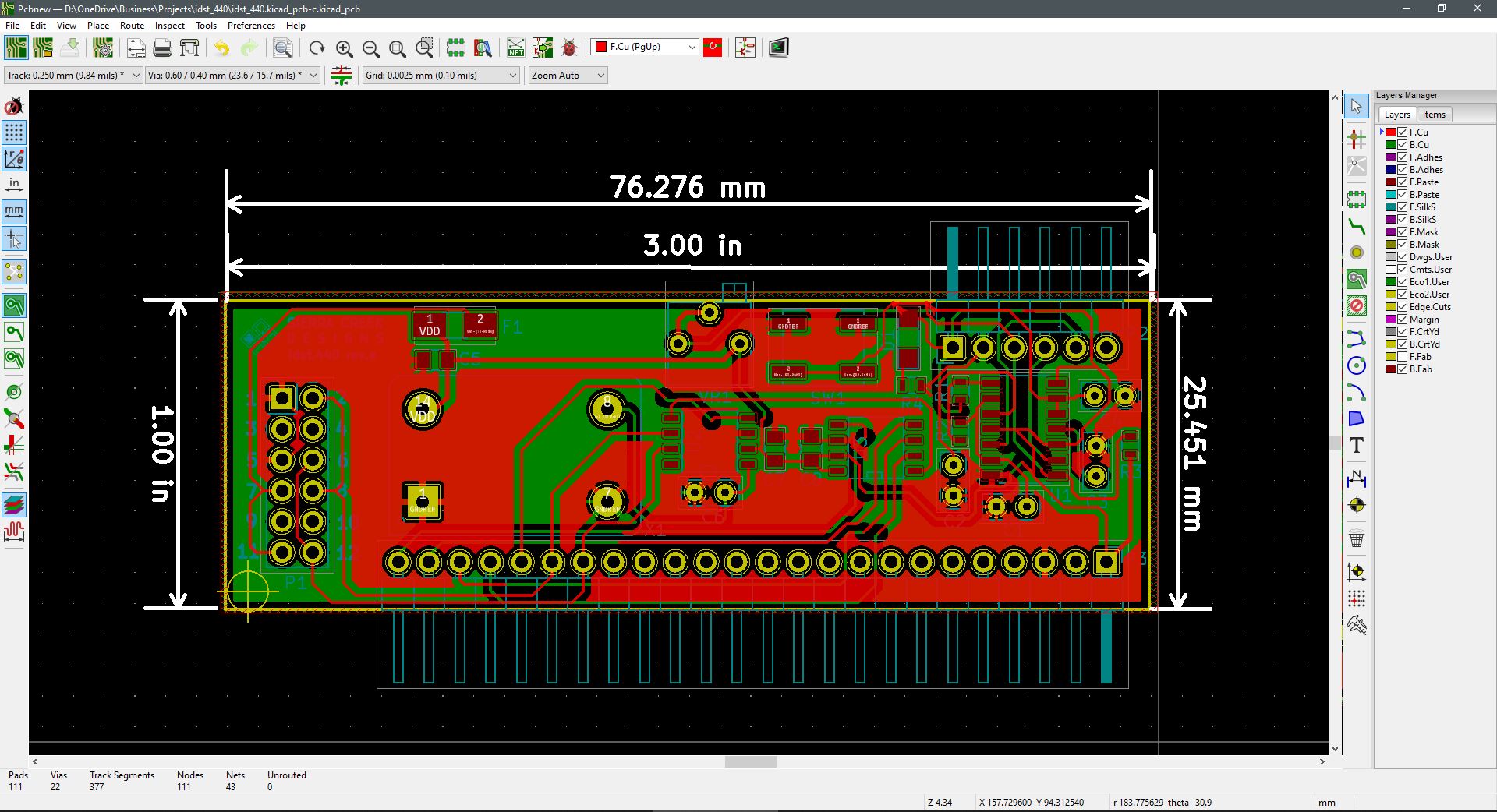
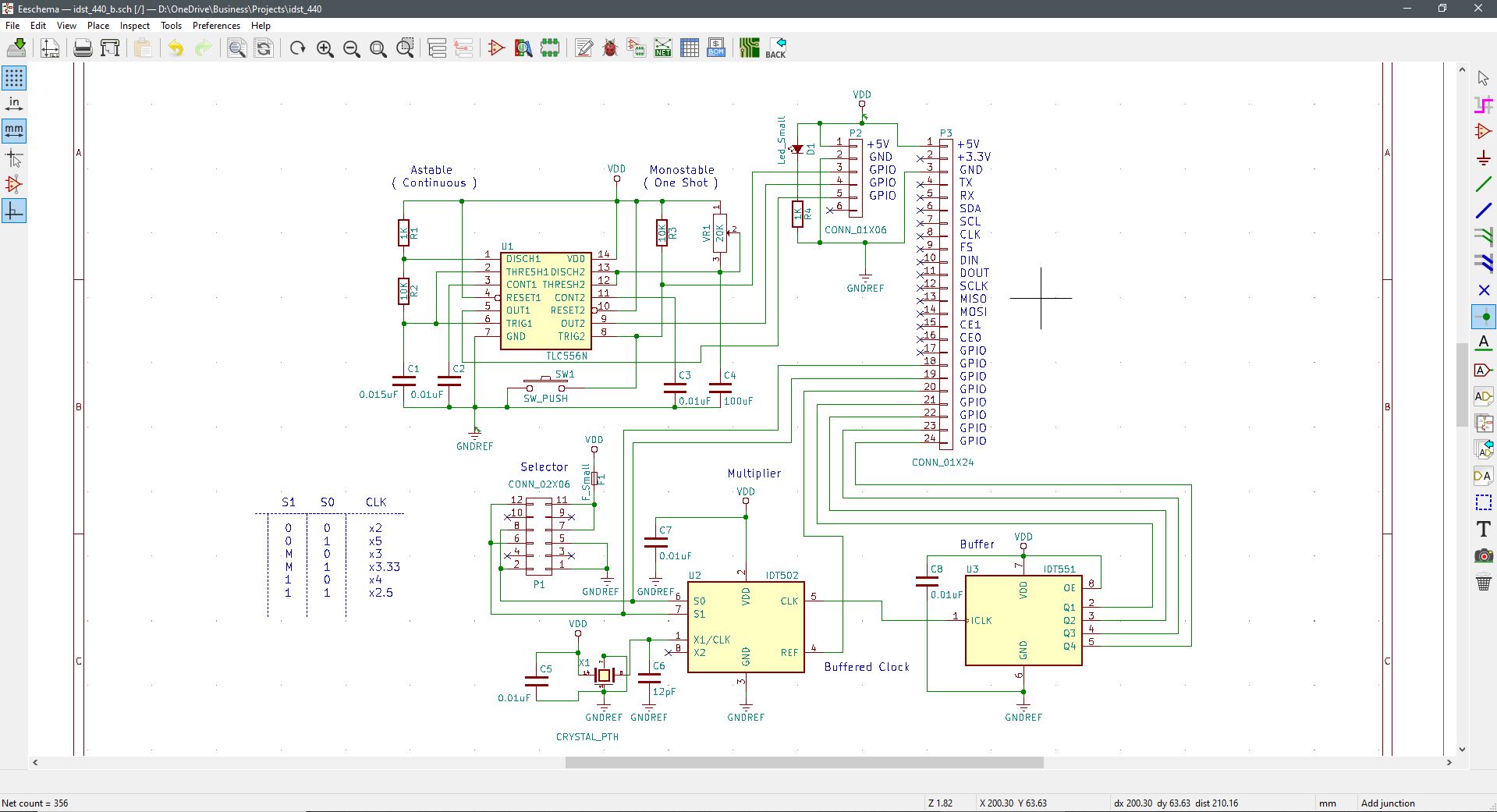
This module was an early project to get on my feet concerning workflow and the process of originating micro slot modules. This is a programmable timing module that delivers a digital pulse train at a selectable rate. With a trimmable duty cycle range with VR1, it permits a 5VDC clock output by way of integer multiples. By applying jumper settings at P1, the rate of the pulse stream becomes assigned and fixed until another rate is chosen.

The module uses an 8MHz precision Abracon crystal. The microswitch at SW1 provides for a one-shot pulse for triggering purposes. The modules allow for a standard mounting via the same footprint earlier originated. The module also provides for power presence LED along with a resettable protection fuse at F1.

Continue Reading ·

4-Channel Fan Module

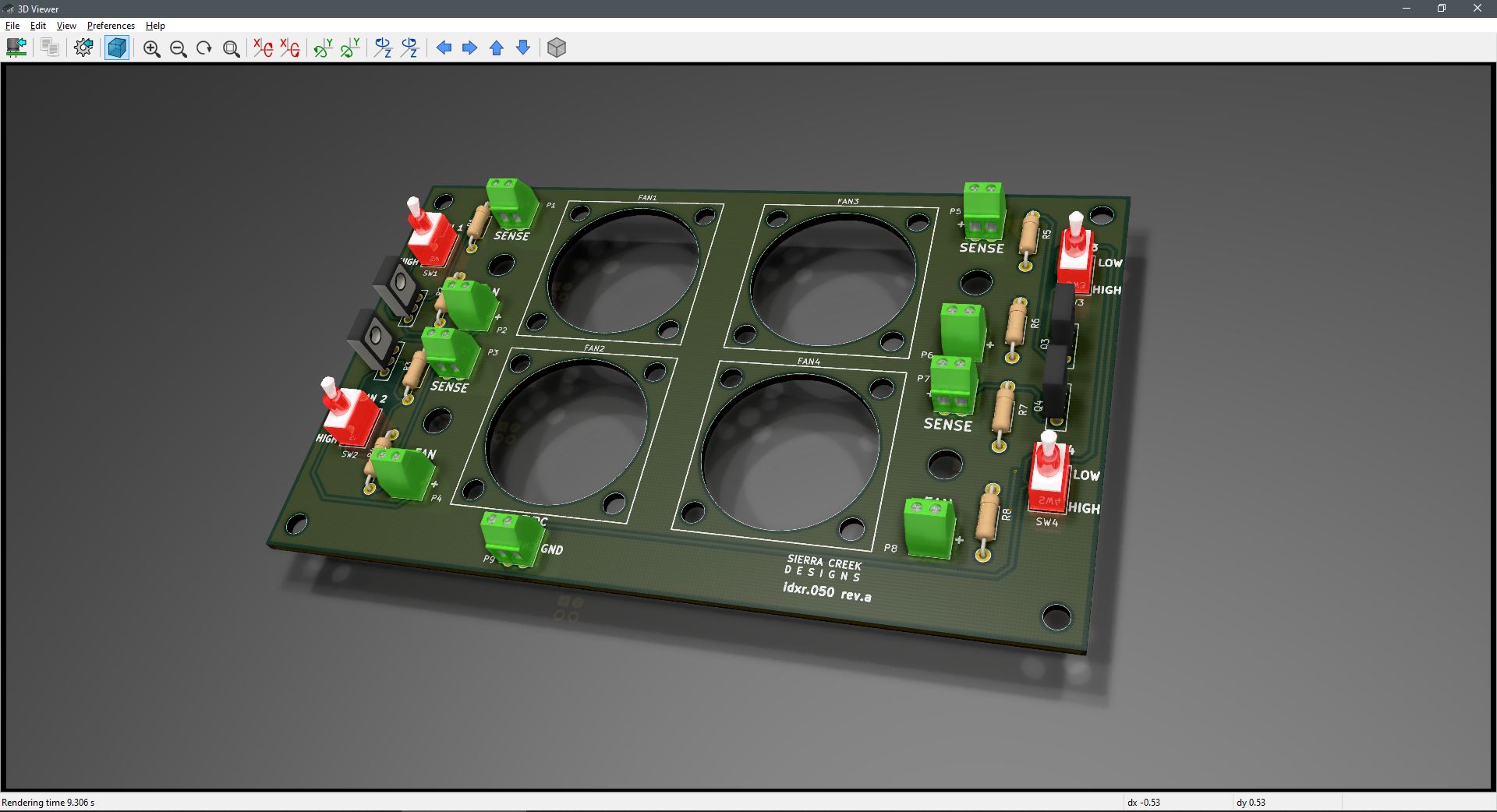
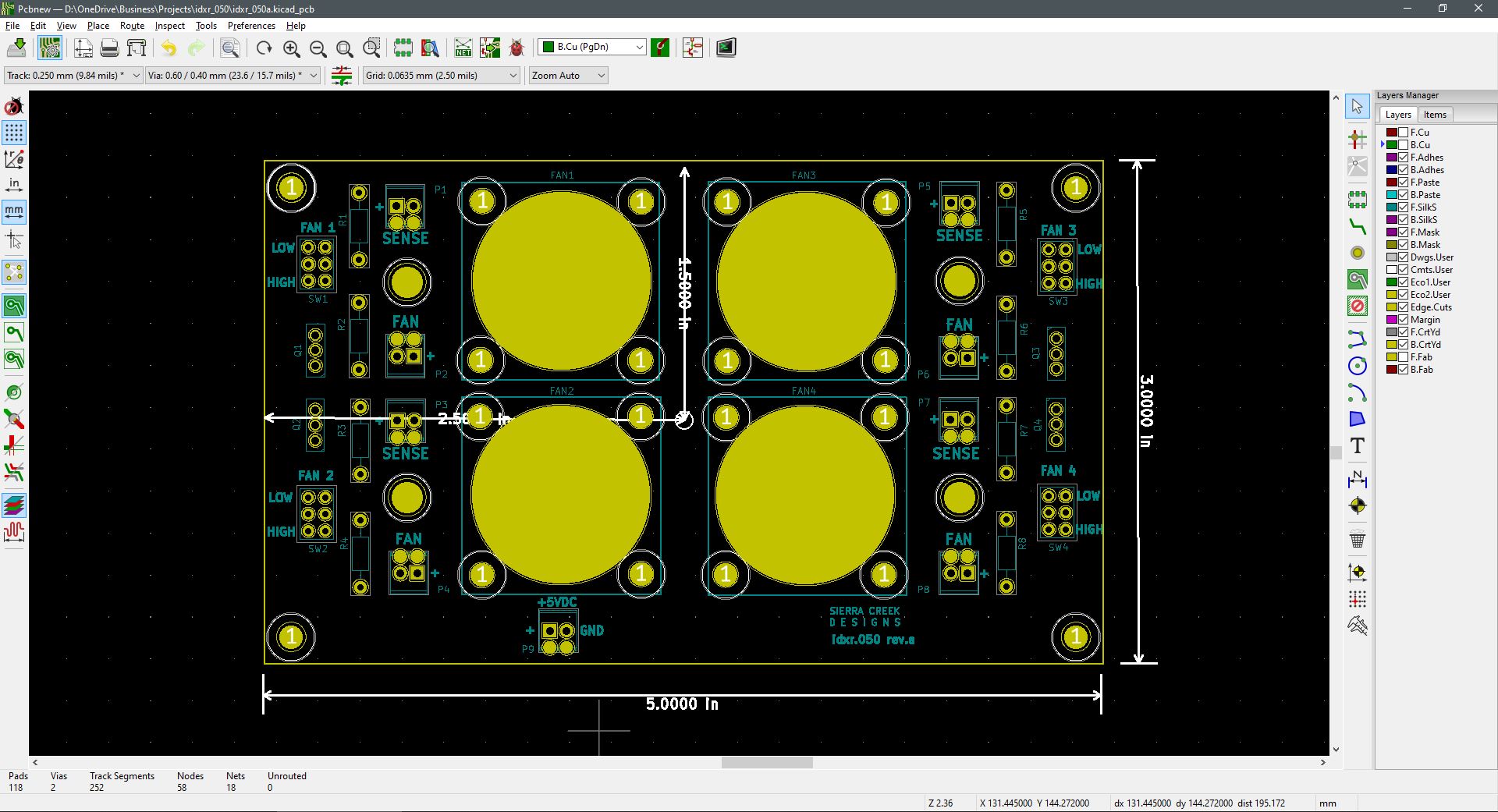
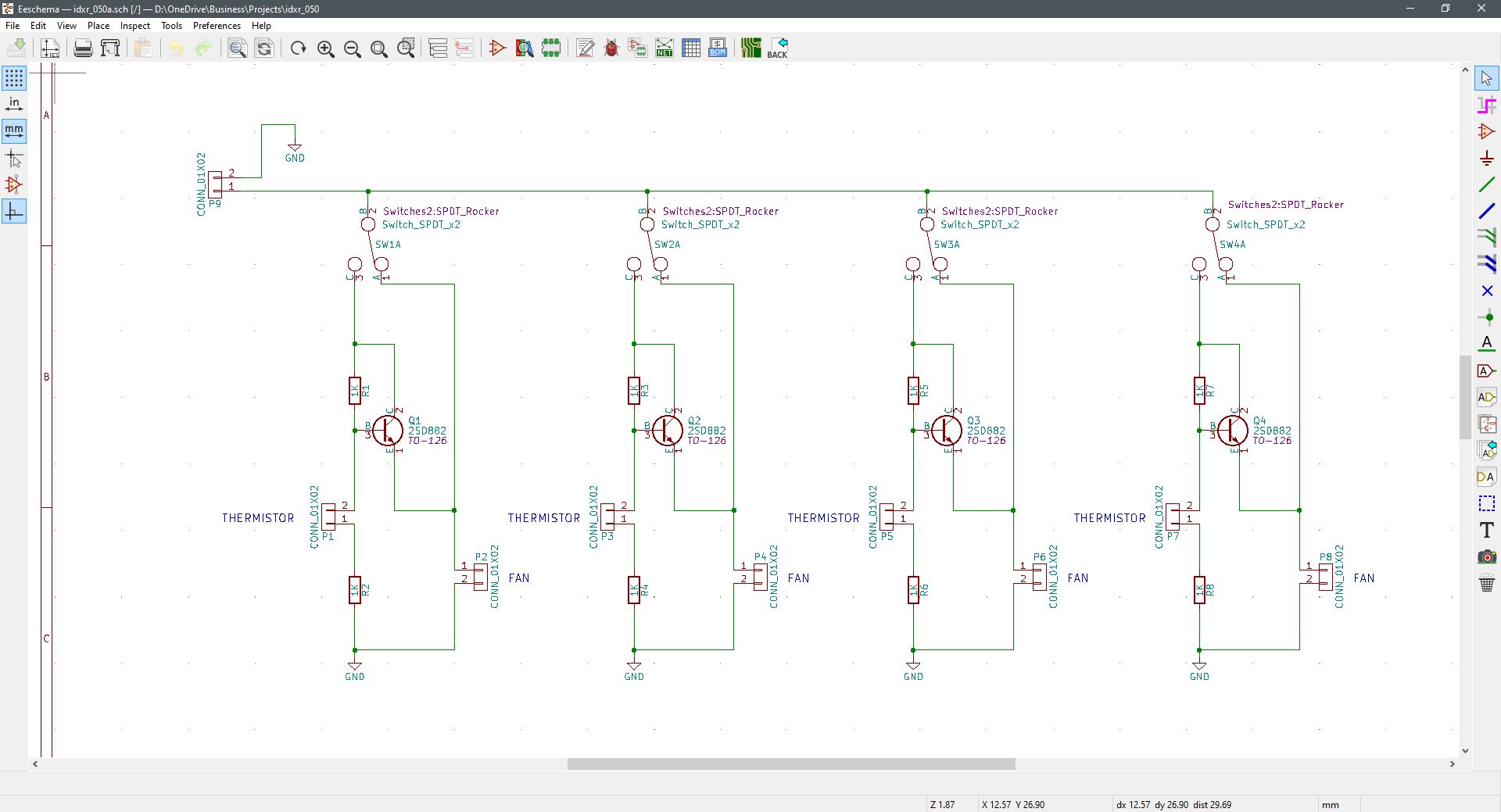
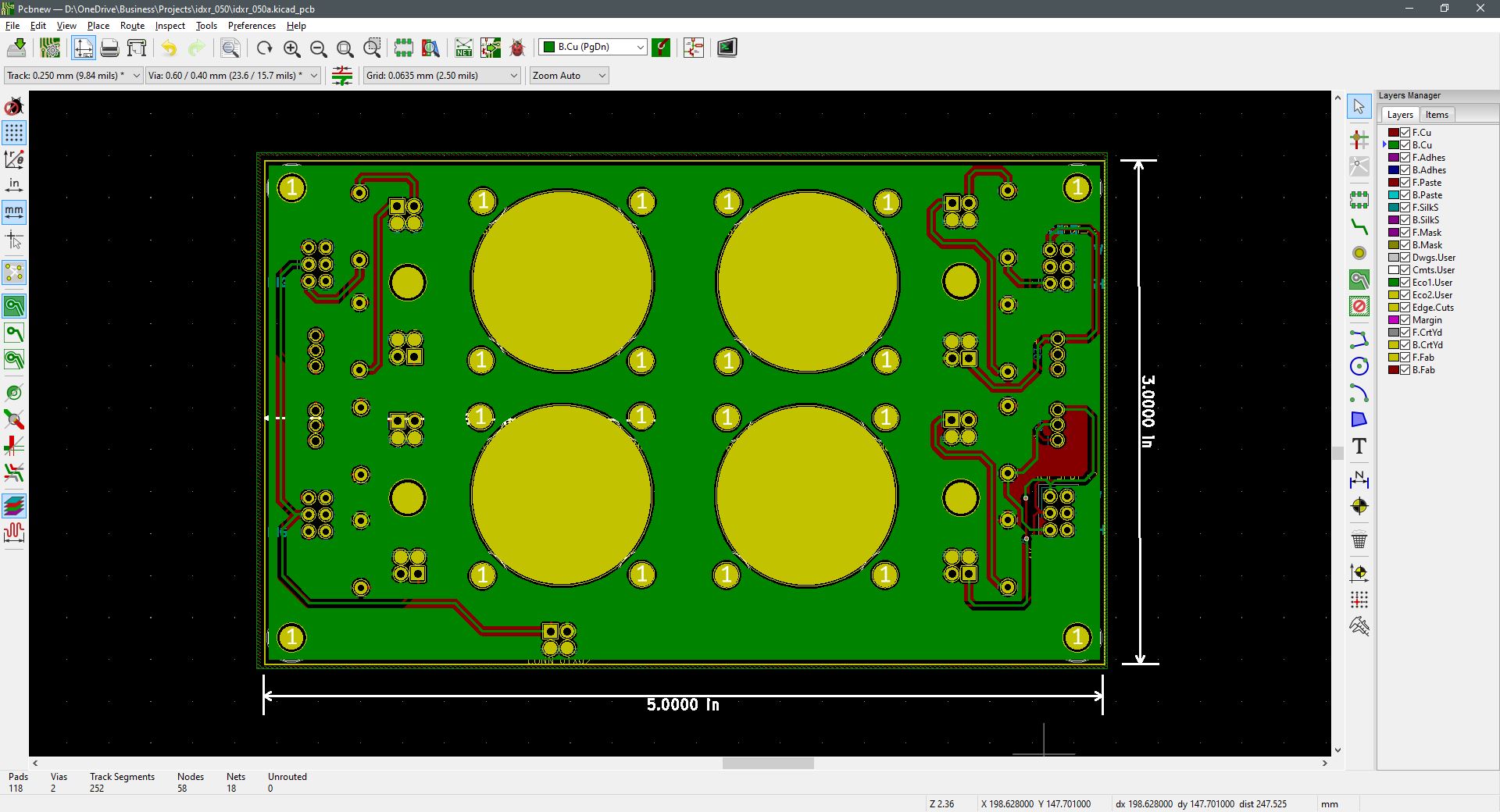
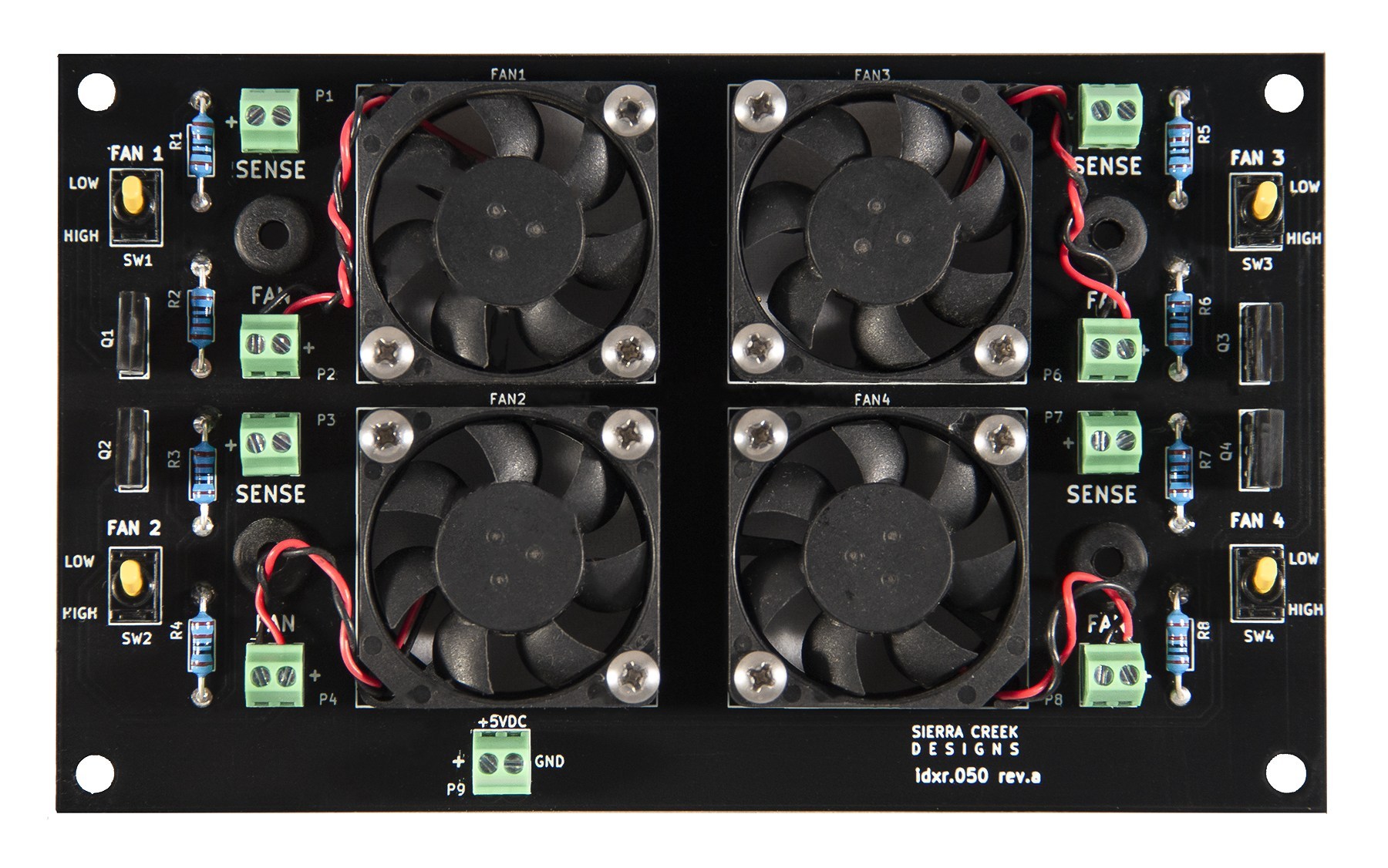
This module is a multispeed fan module controlled by low/high selection or continuous variability by a temperature sensor (thermistor) at each fan control circuit. With a thermistor attached to an external device, one or more fans will increase or decrease their speed for changing air pressure and cooling. Each fan has a separate thermistor/temperature sensor for maximum flexibility. Conversely, all fans can be enabled at high speed to their maximum with SW1, SW2, SW3, and SW4.

The 3″ x 5″ form factor is mountable for stacking onto other modules of these dimensions. Depending upon how the fans are mounted, hot or cool air can become either injected or ejected depending upon the intended application. This module is a straight forward thermal management device that suitably accompanies single board computers or other devices that require additional derating to be improved or required longevity.

Continue Reading ·

4-Channel Relay Module

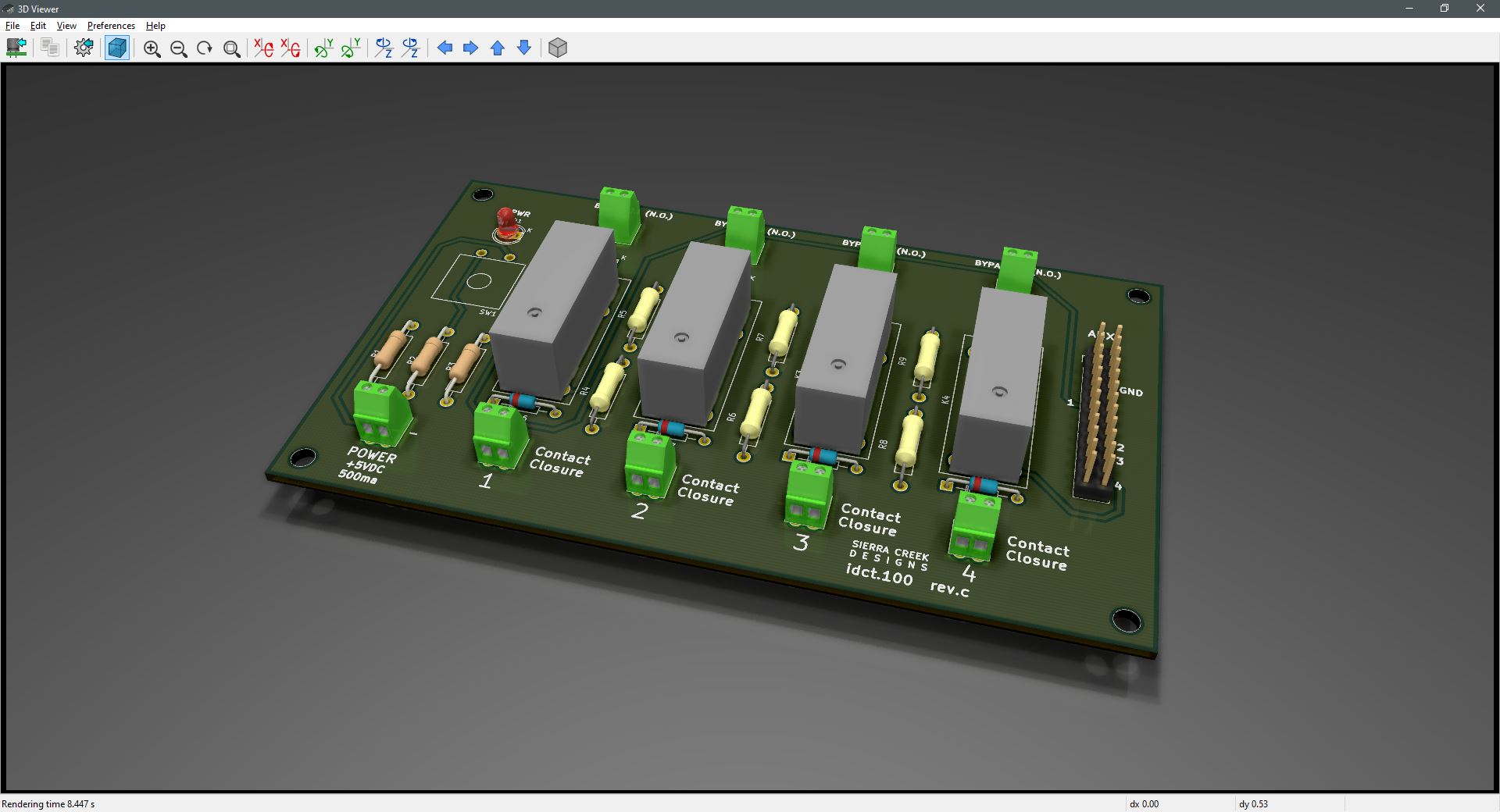
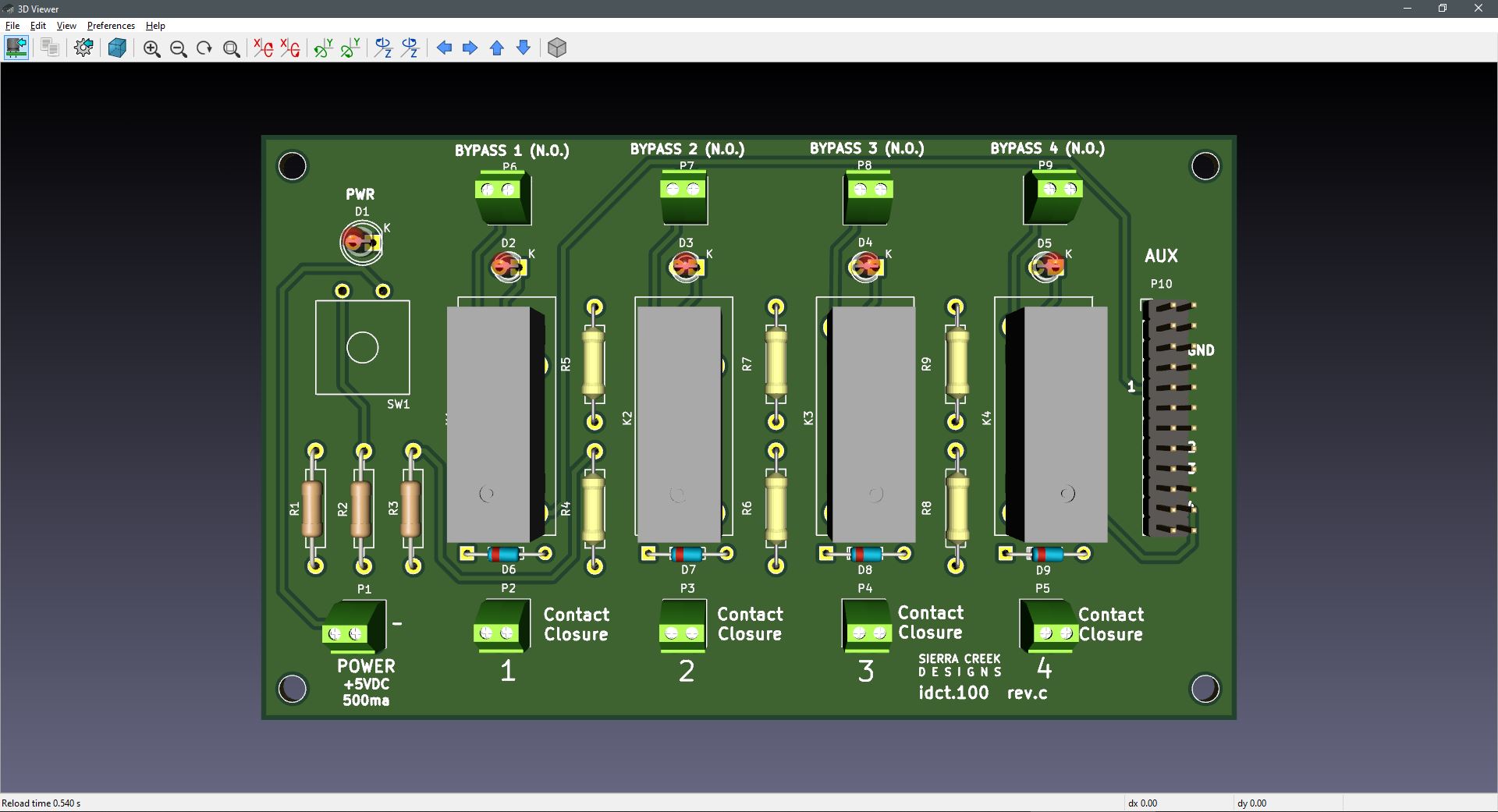
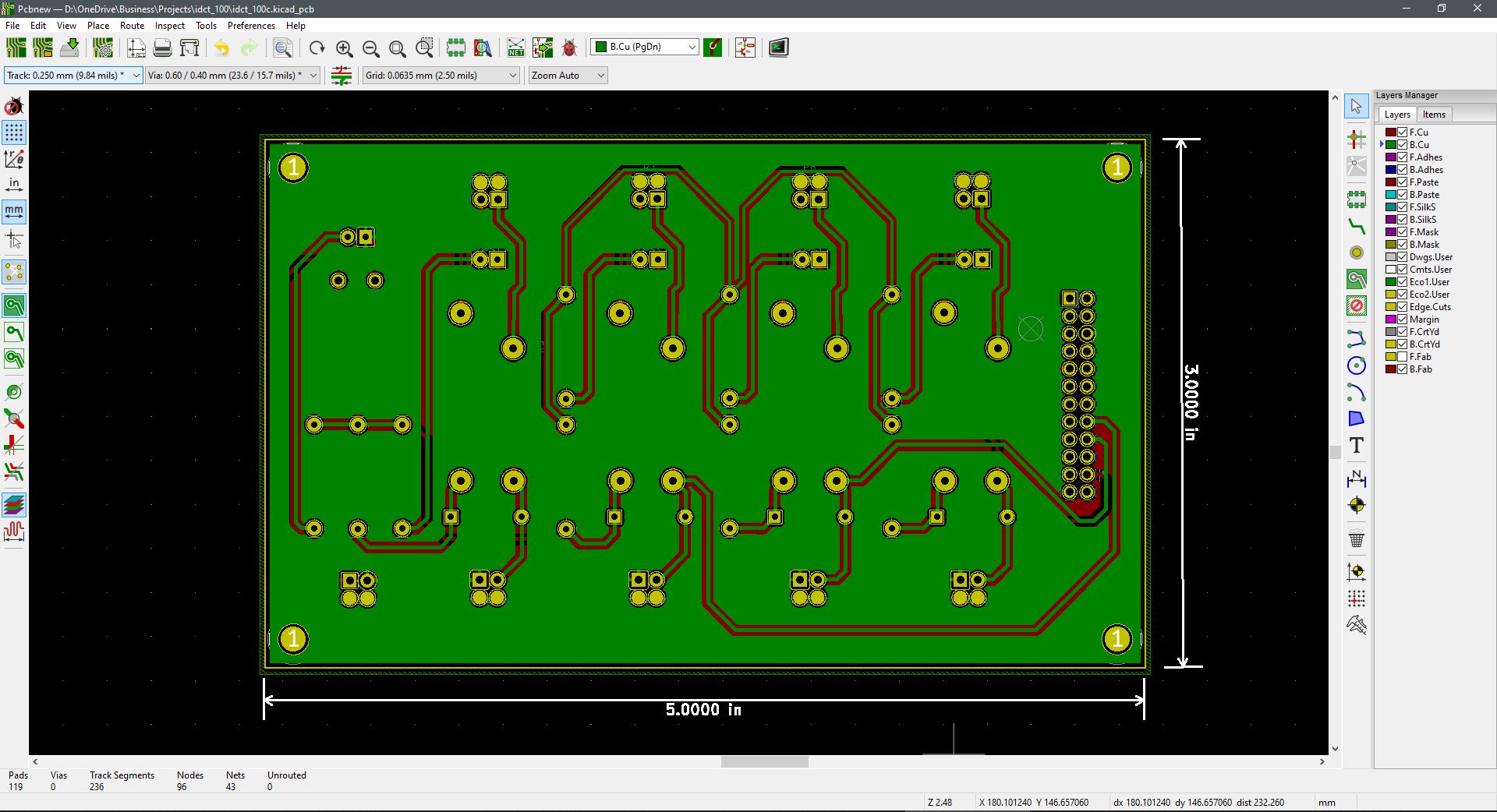
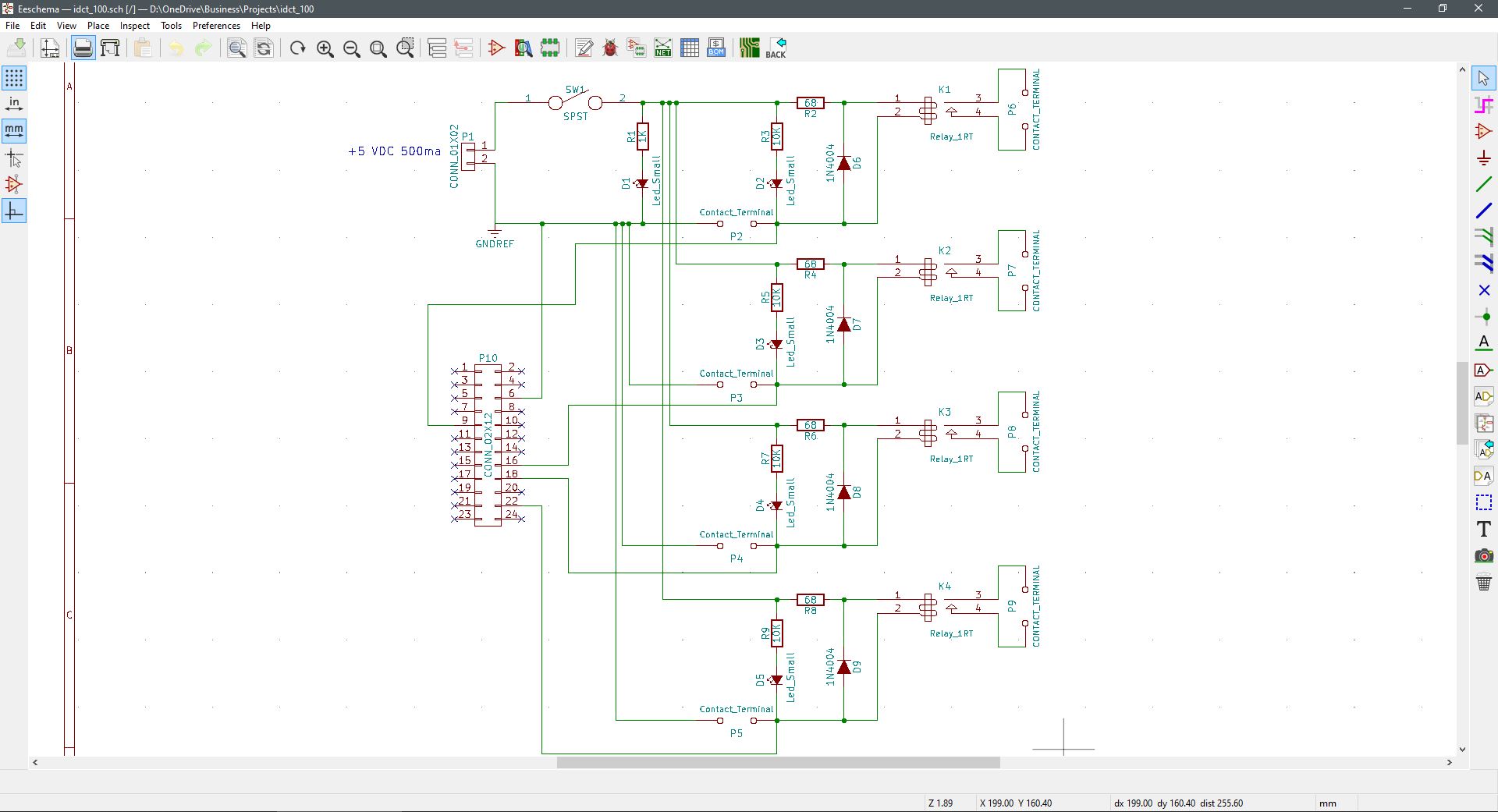
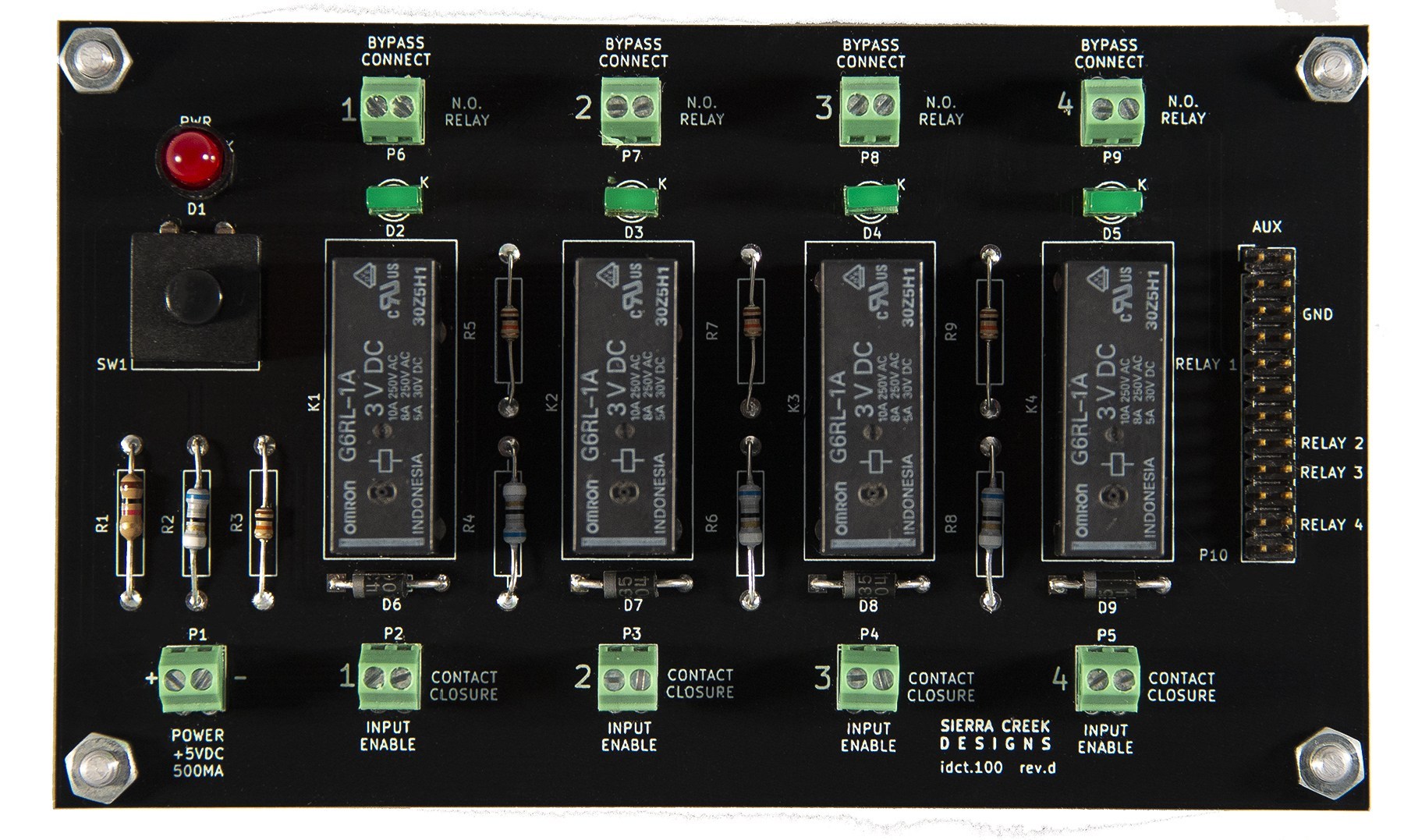
In an effort to combine multiple relays onto a single module, this project accepts a single power supply (PSU). The PSU attached at the P1 terminal block provides power to all relays and associated LED indicators. The LEDs are in place to indicate the active or inactive state of each separate relay. All relays and indicators are aligned in parallel for ease of visual recognition and separation.

All changes have their dedicated input and output terminal blocks. To give an intuitive sense of what hook up terminations are necessary to operate the module. The inputs are labeled as Contact Closure to indicate a functional purpose of each connection. By applying a physical wire connection between each pin at P2, P3, P4, and P5, each relay becomes activated whereby connectors P6, P7, P8, and P9 close. As the pins at these output connectors become closed as a bypass, or completed path. All relays are normally open type components.

The terminal block is another connection point in parallel with contact closure connectors 1 – 4. Only this connector is a pin-header to support an external computer-controlled activation mechanism.

Continue Reading ·

±15V, 5V Power Supply

In a 3″ x 5″ form factor, this power supply serves as a handy and stackable utility source for standard 15V and 5V DC modules. With standard buck converters external to this module, level shifting down to 3.3V, 3.0V or lower is a relatively simple adjustment. This power supply module hosts a Delta power brick with added terminal points, a simple LED circuit, a circuit breaker, and an AC power receptacle.

The power brick is a PCB mount unit with leads that solder to the printed circuit board developed for this purpose. There is a safety ground point at the PCB which also terminates the incoming safety ground wire from a wall outlet (for chassis termination if need be). The module operates from a floating positive and negative AC source.


Continue Reading ·

RPi Sensor Module

This project involves the Raspberry Pi Single Board Computer (SBC), and it serves as a shield for sensor modules or separated GPIO breakout from the main RPi terminal block. While the terminal block pins provide for an adequate interface suitable for external control and various applications, it is a simple convenience to separate each functional group. Typical functional areas include PCM, UART, I2C, SPI, and GPIO. Each separated with terminal block headers and silkscreened labels provide for an alternative way of securing connectivity as compared to the 40-pin RPi terminal block, which is not labeled and does not lock a physical connection in place, whether temporary or not.

  • 4X Socketed GPIO Ports
  • Serial & I2C Breakout
  • R-Pi 2 & 3 Compatible
  • 3” x 5” Form Factor
  • Spare 5V Output Ports

Continue Reading ·