Today I completed the book Blessed Are the Misfits by Brant Hansen. The book was a refreshing and honest look at who people are and how they’re unique, beautiful, and sometimes peculiar.
The book addresses a particular kind of spiritual unease: those who find themselves out of step with emotionally expressive or highly experiential forms of Christian life. Hansen writes for individuals who do not easily identify with what is often presented as “normal” spirituality—frequent emotional warmth, immediate sense of God’s presence, or outward enthusiasm in communal settings.
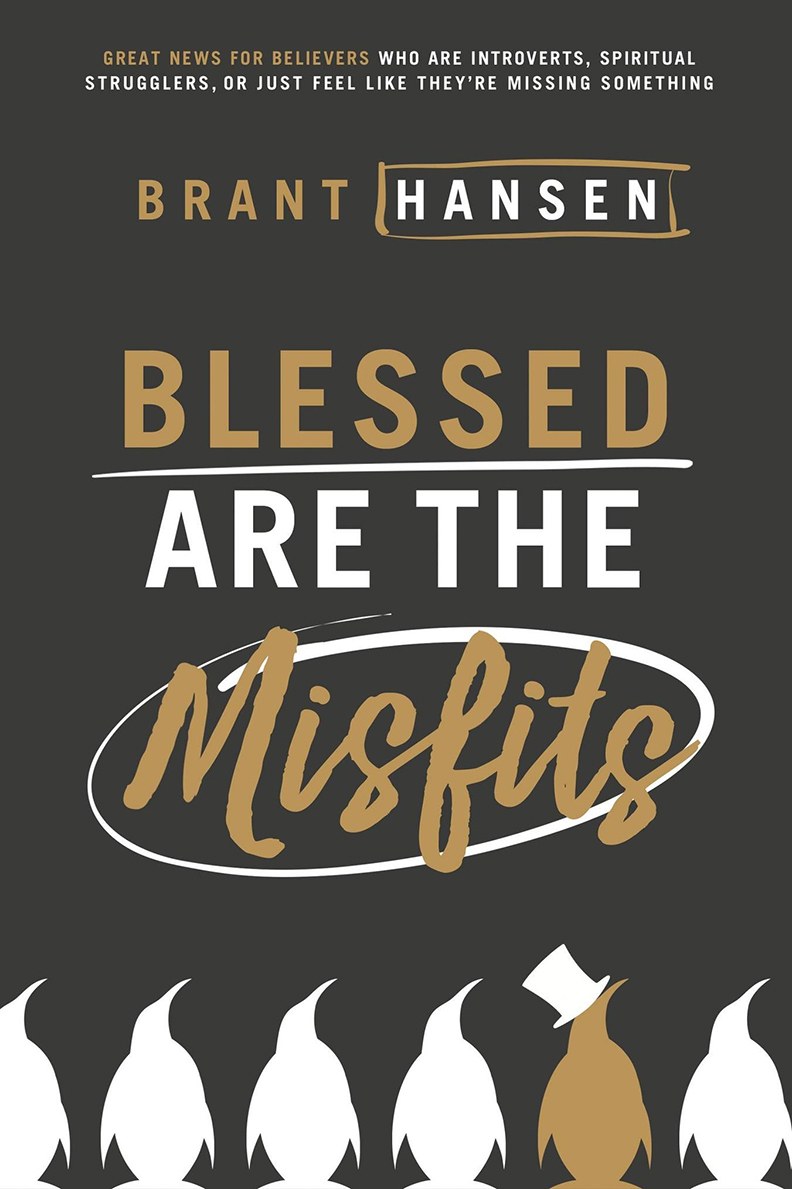
His central point is that such perceived “misfit” status does not indicate spiritual deficiency. Rather, it may reveal a misunderstanding of what Scripture actually requires and describes. The book disentangles faith from felt experience, showing that trust in God is not measured by emotional intensity but by reliance on what God has revealed.
Book Review
The book addresses a particular kind of spiritual unease: those who find themselves out of step with emotionally expressive or highly experiential forms of Christian life. Hansen writes for individuals who do not easily identify with what is often presented as “normal” spirituality—frequent emotional warmth, immediate sense of God’s presence, or outward enthusiasm in communal settings.
His central point is that such perceived “misfit” status does not indicate spiritual deficiency. Rather, it may reveal a misunderstanding of what Scripture actually requires and describes. The book disentangles faith from felt experience, showing that trust in God is not measured by emotional intensity but by reliance on what God has revealed.
The book is formed by the author’s own experience of living on the autism spectrum and feeling out of place in both social settings and church life. From the opening chapter, “It’s Not Just You,” Hansen speaks to readers who sense that they do not fit what is often treated as normal interpersonal experience. His work as a radio host is evident in the style. The writing is conversational, the chapters are short, and the tone feels like a steady and reassuring voice rather than a formal presentation.
The book centers on a simple but weighty concern. Many believers do not feel what others say they should feel. Hansen describes the difficulty of group interaction, the challenge of reading expectations, and the quiet pressure to appear spiritually expressive. These observations come from lived experience. He often breaks things down carefully, as someone who has had to think through situations that others move through without much effort.
Most chapters follow the pattern “Blessed are…,” reflecting the structure found in the Sermon on the Mount in the Gospel of Matthew. Hansen applies this form to people who feel overlooked or out of place, including those who struggle with prayer, doubt, or a lack of inward feeling. The repetition is deliberate. It places these conditions under the language of blessing and reminds the reader that weakness does not remove them from God’s care.
A central thread throughout the book is the distinction between faith and feeling. Hansen presents faith as trust in what God has said, rather than as something measured by emotional experience or by satisfied expectations. This clarity can steady readers who do not rely on feelings as a guide. It removes the pressure to produce a particular inward response. At the same time, the book remains at a relatable level and does not provide a full account of how Scripture describes the formation of the heart over time.
When the book turns to prayer, church life, and perseverance, the direction remains the same. Hansen does not promise that these will feel natural or easy. He encourages readers to continue, even when they feel awkward or out of place. His own experience shapes his heartfelt perspective. Faithfulness is shown as steady and often quiet, rather than outwardly expressive.

The chapters on loneliness, depression, and being unnoticed are where the book draws closest to the reader. Hansen speaks in a way that feels personal and steady, as if he understands the quiet weight of those experiences without needing to dramatize them. He does not rush past them or try to soften them with quick answers. Instead, he stays with them long enough to make it clear that they are seen, and that the person carrying them is not overlooked.
There is a calm assurance in these chapters. Hansen repeats, in different ways, that being unseen, rejected, or neglected by others does not mean being unwanted or unloved by God. The language of “Blessed are…” is not used loosely here. It is meant to settle the reader, to remind them that their place before God is not measured by how noticeable, expressive, or strong they appear. Even in seasons where nothing seems to move or change, that standing remains.
What comes through most clearly is a kind of unspoken companionship. The reader is not treated as a problem to fix, but as someone to walk with. Hansen does not place distance between himself and these struggles. He writes as one who knows them, and that gives his words a grounded confidence. The message is not loud, but it is firm: you are not outside the reach of God’s care and close interest, and you are not alone in what you are carrying.
In the end, the book reads as a personal account shaped into guidance for others who share similar struggles. Hansen’s background gives the work its distinct voice. It does not attempt a full theological system. It focuses on removing confusion and false expectations. Its message remains clear: a person may feel out of place, both socially and spiritually, and still belong to God as an especially useful and favored person.


