This section gathers the written side of my explorations — a place shaped by years of reading and reflection across classic literature, theological monographs, technical textbooks, and research papers. It’s a record of how ideas, stories, and discoveries have influenced the way I think and live, from the enduring wisdom of the great authors to the precision of scientific study. Here, I aim to trace the dialogue between faith, reason, and imagination — the lifelong pursuit of understanding through words that have stood the test of time.
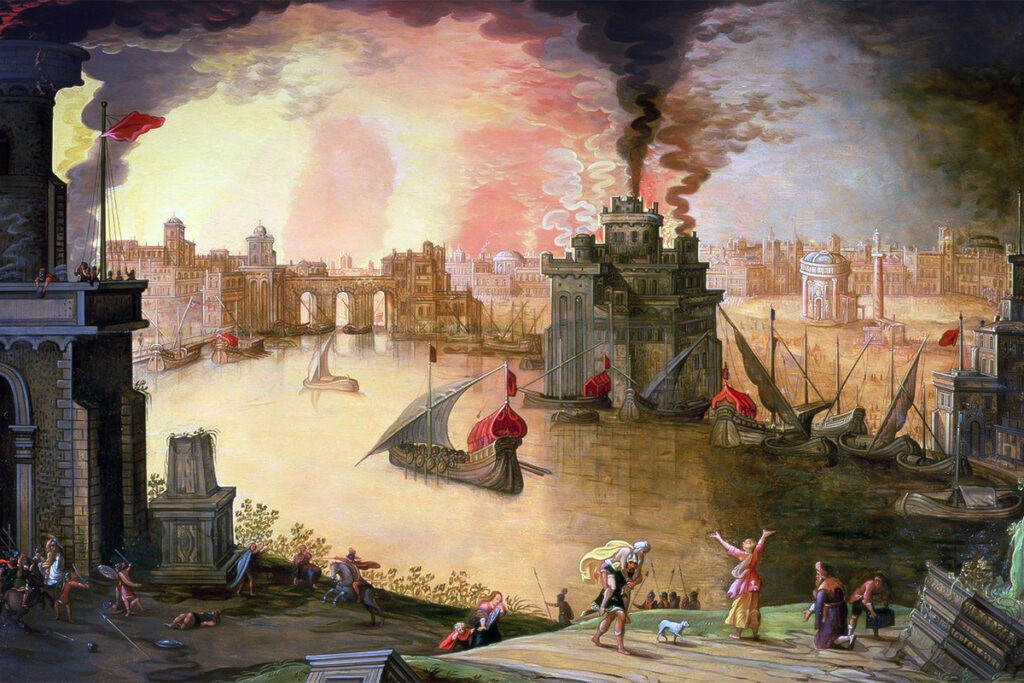
The Iliad by Homer
Today I finished the book The Iliad (595 pages, ISBN: 978-0679410751). It's the first of two books, including The Odyssey, that tell of the Trojan War and the Achaean return voyage to their homeland. The ...

The Fellowship of the Ring by Tolkien
Today I completed The Fellowship of the Ring by J.R.R. Tolkien (407 pages). Unlike The Silmarillion, which unfolds as a record of origins and long decline, this book begins in a settled land whose boundaries ...
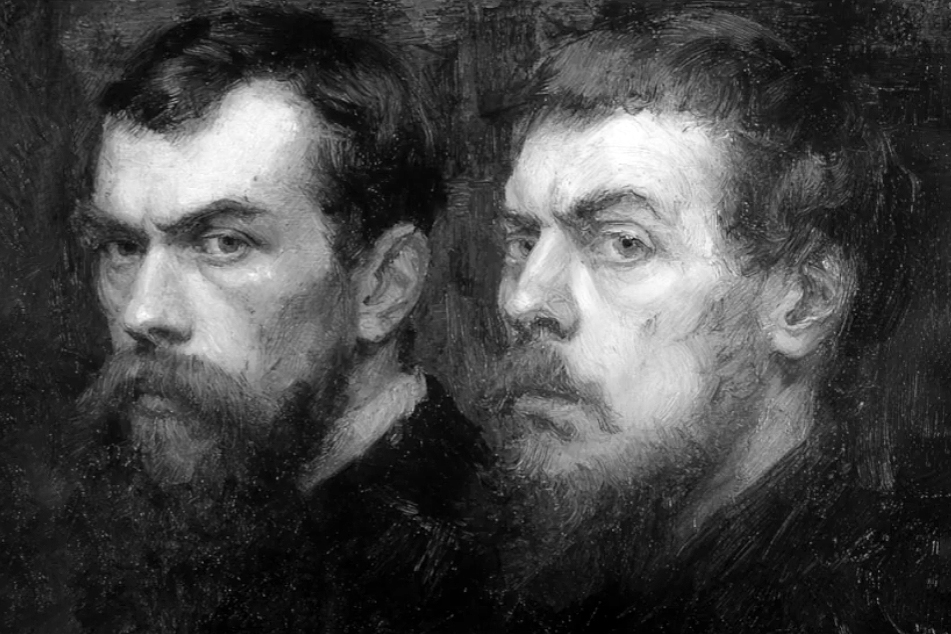
The Brothers Karamazov
Having completed The Brothers Karamazov cover to cover, I find it hard to overstate its density and its power. Dostoevsky did not write a mere novel but constructed a comprehensive moral and theological drama, clothed ...
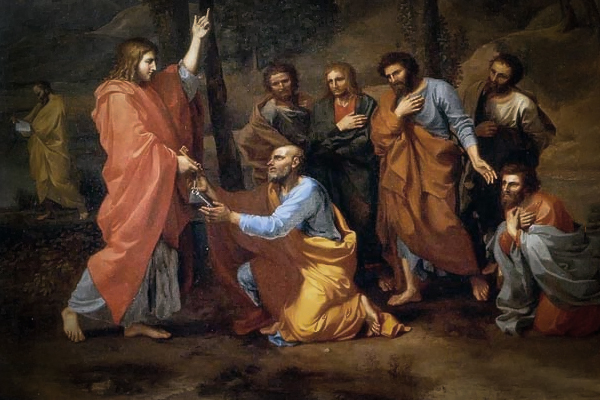
The Didache
The Didache, or The Teaching of the Twelve Apostles, is one of the earliest extant documents outside the New Testament canon that offers a structured outline of Christian moral teaching, liturgical practice, and ecclesial order ...
On the Incarnation
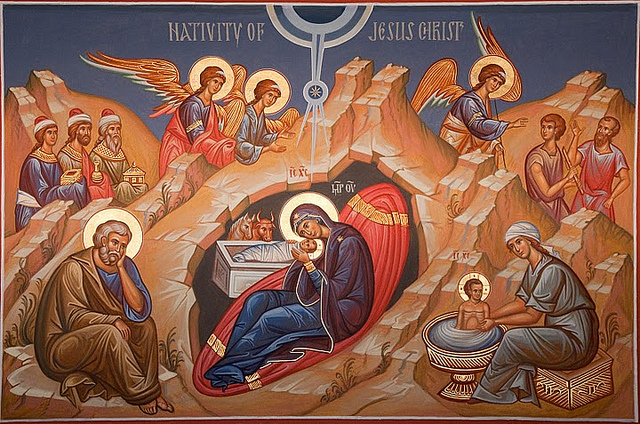
Today, I completed reading St. Athanasius's On the Incarnation to understand the meaning of Theosis, or Union with Christ. This writing from St. Athanasius of Alexandria is a masterpiece of early Christian theology, offering a ...

Biography: Elon Musk
Today I completed Walter Isaacson’s book on Elon Musk, a monolithic 671-page biography that charts the ascent of one of the most dynamic minds of the modern era. More than a chronicle of innovation, the ...

The Silmarillion by Tolkien
Today I completed The Silmarillion by J.R.R. Tolkien (358 pages, ISBN: 978-0008433949). When I first began reading, I quickly realized that it was not a conventional story, but a vast record of origins and destinies ...

Dune by Herbert
Frank Herbert’s Dune first impressed me with the sheer depth of its world. Arrakis is not just a desert planet but a complete ecosystem that controls every choice people make. Its sandstorms, water scarcity, and ...

The Magician’s Nephew
Today I completed The Magician’s Nephew by C.S. Lewis, the first book in the Chronicles of Narnia series, though it was the sixth to be published. As a foundational work, it serves not merely as ...

Don Quixote by Cervantes
Today I completed the book Don Quixote, having followed its long, wayward path across more than a thousand pages. The book—written in two parts, in 1605 and 1615 by Miguel de Cervantes—is often claimed to ...

The Hobbit by Tolkien
"The Hobbit," or "There and Back Again," written by J.R.R. Tolkien and first published in 1937, is a timeless work in the fantasy genre, offering a richly imagined world filled with memorable characters, profound themes, ...
Paradiso by Dante Alighieri
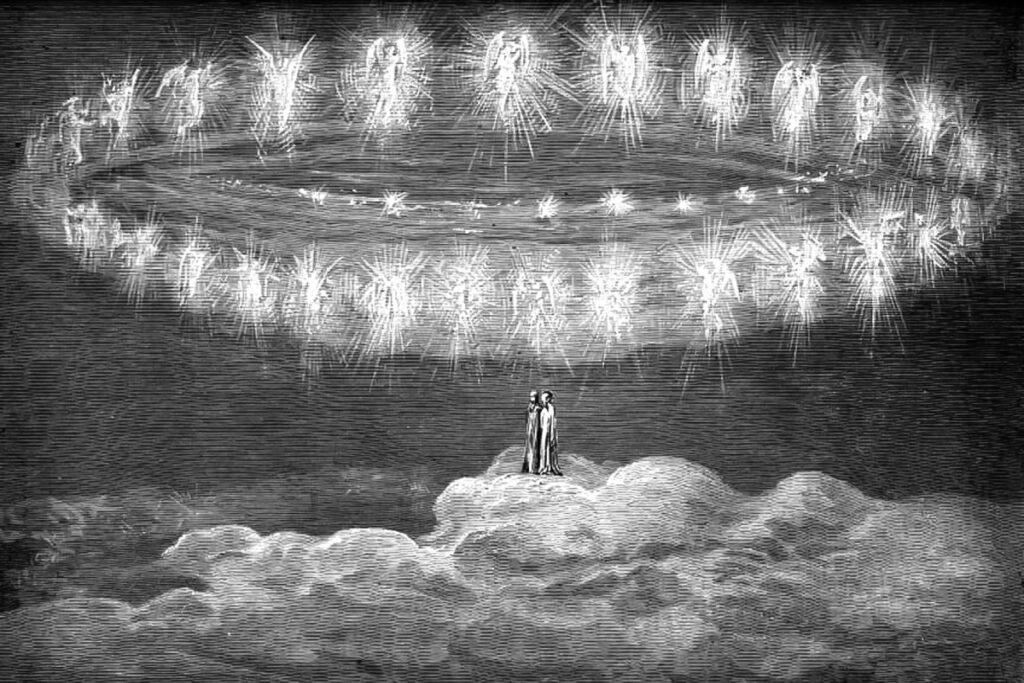
In Dante's Paradiso, the journey of the protagonist reaches its culmination in the celestial realms, where he experiences the ultimate redemption by divine grace. As Dante ascends through the various spheres of Heaven, each representing ...
Purgatorio by Dante Alighieri
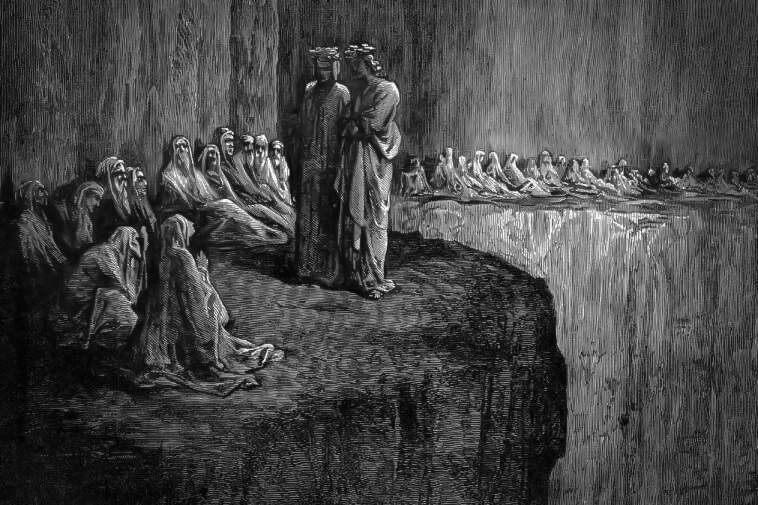
Dante Alighieri's "Purgatorio," the second cantica of his monumental epic poem "The Divine Comedy," continues the journey of the poem's protagonist—Dante himself—through the afterlife. Having traversed the depths of Hell in "Inferno," Dante and his ...
Inferno by Dante Alighieri
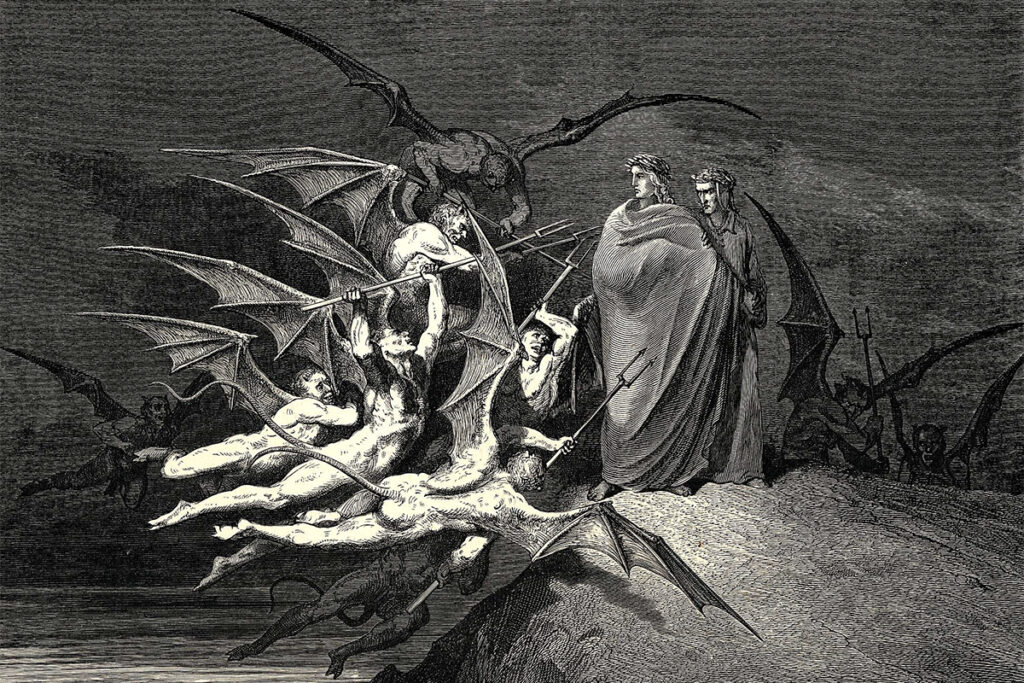
Dante Alighieri's "Inferno," the first part of his epic poem "The Divine Comedy," is one of the seminal works of Western literature. Written in the early 14th century, it provides a detailed account of the ...

1984 by George Orwell
After reading George Orwell's 1984 this week, it fully reinforced my personal views about the evils of socialism and totalitarianism. The novel, set in a dystopian future where the Party, led by Big Brother, exercises ...

The Abolition of Man
C.S. Lewis's "The Abolition of Man" is a defense of objective values against the encroachments of subjectivism and relativism. While Lewis's arguments are informed by various sources, the classical Greek philosophies of Plato and Aristotle ...
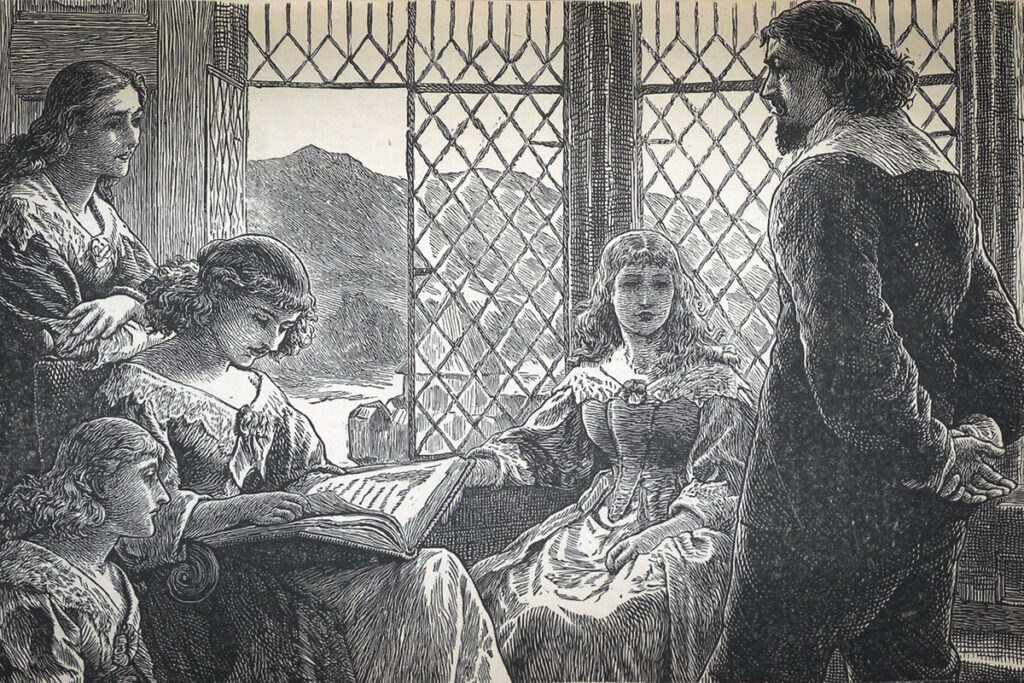
The Pilgrim’s Progress
Having read The Pilgrim’s Progress by John Bunyan, it is helpful to understand Bunyan’s background as the author of this widely-known book. The Pilgrim’s Progress is a long-time classic about living as a Christian throughout ...
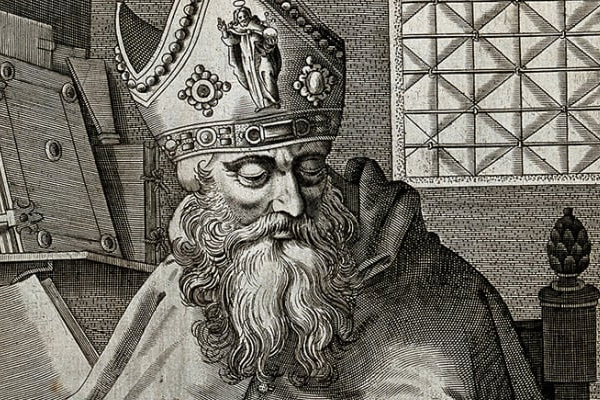
Confessions by Saint Augustine
A couple of weeks ago, I finished reading Confessions by Augustine. It was the first written work of Augustine I read as a whole, and it is a classic on a personal reading list of ...