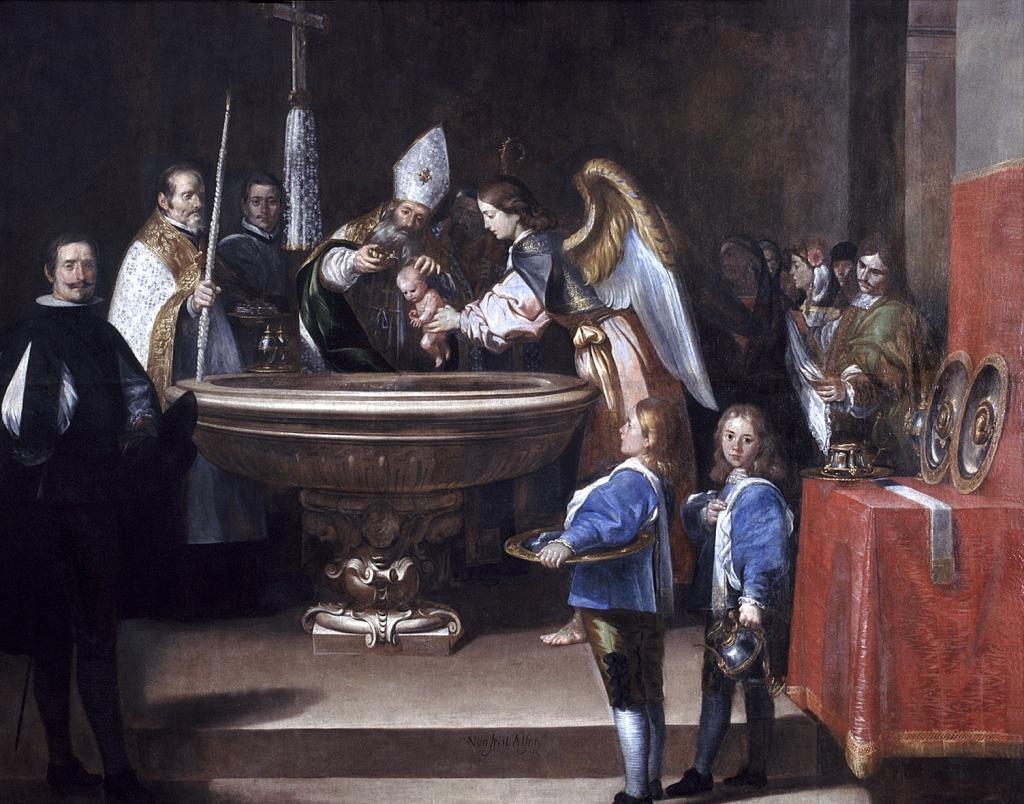
Today, I completed reading John Stott and J. Alec Motyer’s Doctrine of Infant Baptism, published by Latimer Trust.
First, this book provides a thorough theological reflection on the sacrament of baptism within the Anglican tradition. It emphasizes that baptism, like all sacraments of the gospel, is fundamentally a sacrament of divine grace and initiative rather than human action. New Testament examples show that baptism is always administered by another, emphasizing the recipient’s passive reception of God’s grace. Furthermore, the Articles of Religion within the Anglican tradition affirm this understanding by defining sacraments as signs of God’s actions rather than human merit.
The theological significance of baptism is explored in three interconnected ways: union with Christ, the forgiveness of sins, and the gift of the Holy Spirit. Baptism symbolizes a profound union with Jesus in His death and resurrection, marking the death of the old self and the birth of a new life grounded in righteousness. This union also signifies the washing away of sins, as reflected in scriptural passages like Acts 2:38 and 1 Corinthians 6:11. The imagery of water cleansing impurities highlights baptism as a transformative act of spiritual renewal and moral purification.
Finally, baptism signifies the reception of the Holy Spirit, aligning the believer with the promises of the New Covenant. This spiritual endowment, foretold by the prophets and fulfilled in Christ, incorporates the baptized individual into the body of Christ—the Church. The Book of Common Prayer supports this interpretation by reinforcing themes of unity with Christ, forgiveness of sins, and regeneration through the Holy Spirit. The sacrament of baptism thus stands as an eschatological sign, marking the believer’s entrance into the new age of God’s redemptive grace and the communal life of the Church.
The effect of baptism explores three primary theological interpretations concerning how the sacrament conveys grace:
ex opere operato
the bare token view
covenant sign view
The first interpretation, ex opere operato, posits that baptism inherently conveys grace simply by being performed, regardless of the faith or disposition of the recipient. This view implies that all baptized individuals, including infants, are automatically regenerated. However, the narrative challenges this belief, highlighting scriptural distinctions between the visible Church (those outwardly baptized) and the invisible Church (those truly regenerated in heart and spirit). Biblical examples, like Simon Magus and the Israelites baptized into Moses but later condemned, illustrate that baptism alone does not guarantee salvation or genuine regeneration without faith.
The second interpretation, the bare token view, argues that baptism serves solely as a symbolic gesture without imparting any grace or spiritual effect. While this understanding reduces baptism to a mere external sign, the narrative dismisses this view as inconsistent with biblical teachings. Verses such as Acts 2:38, Galatians 3:27, and 1 Peter 3:21 suggest that baptism carries a spiritual significance that goes beyond mere symbolism. These passages imply that baptism is intricately connected with the forgiveness of sins, union with Christ, and salvation, indicating that it holds a more profound theological role than being a simple ritual marker.
The covenant sign view—the evangelical or Reformed perspective—offers a more nuanced understanding, aligning baptism with God’s covenant of grace. This view suggests that baptism is both a sign and a seal of the blessings of the New Covenant, granting recipients a title to spiritual gifts rather than conferring the gifts themselves. The grace signified by baptism, such as justification and regeneration, becomes accessible through faith, which may arise before, during, or after the sacrament. Drawing from covenant theology, this understanding parallels baptism with Old Testament circumcision, which signified God’s promise to Abraham and his descendants without being contingent on the recipient’s immediate faith.
The narrative further explains how the timing of grace reception varies between believers. Infants baptized under the covenant sign receive a symbolic promise of grace that matures when they later profess personal faith. For adults, baptism may signify an acknowledgment of grace already received through faith. This approach respects the sacrament’s significance without implying that grace is mechanically conferred, as argued in the ex opere operato view. Historical church practices, such as refraining from rebaptizing those who come to faith after being baptized in unbelief, reflect this understanding by recognizing the validity of the initial baptism as a covenantal sign.
Lastly, the narrative emphasizes that baptism does not operate independently of faith but serves as a divine pledge of grace that believers must actively embrace. Scripture and liturgical traditions assume that the baptized will possess or eventually come to faith, thereby fulfilling the sacrament’s promises. The Church’s liturgical language often assumes the presence of faith, even in cases where it is only anticipated. This raises our awareness that baptism is a means of grace, not by automatic effect, but through a relationship with God’s covenant, awaiting the believer’s faith to fully live its transformative power.
Review and Impressions
Infant baptism within the Evangelical Anglican Church represents a significant theological and liturgical practice, grounded in covenant theology and interpreted through a Reformed evangelical lens. While Evangelical Anglicans maintain a high view of Scripture and emphasize personal faith in Jesus Christ as essential for salvation, they also uphold infant baptism as a legitimate expression of God’s covenantal promises. Theologically, this practice finds its foundation in both the biblical narrative of God’s dealings with His people and the Church’s historical understanding of sacraments as outward signs of inward grace.
Theological Foundation
In the Evangelical Anglican tradition, infant baptism is rooted in the covenant sign view of sacraments, which reflects a continuity between the Old and New Covenants. Just as circumcision was the covenant sign for Jewish infants in the Old Testament (Genesis 17:9-14), baptism now functions as the equivalent sign under the New Covenant, as explained by the Apostle Paul (Colossians 2:11-12). Evangelical Anglicans view the child of believing parents as a member of the covenant community (1 Corinthians 7:14) and, therefore, eligible to receive the outward sign of God’s grace through baptism.
Theologically, this does not imply that baptism automatically regenerates the infant (ex opere operato), nor that the child is immediately justified apart from personal faith. Rather, baptism signifies God’s promises to the child within the context of the covenant of grace and pledges the gift of salvation, which the child must later confirm through personal faith in Christ. In other words, baptism grants the child a title to covenant blessings that must be appropriated through faith when they come of age. This view harmonizes with the Reformation emphasis on salvation by grace through faith (Ephesians 2:8-9).
Of Faith and Regeneration
While infants cannot exercise personal faith at the time of baptism, Evangelical Anglicans believe that baptism anticipates the faith that the child is expected to embrace later in life. Theologically, this resonates with the potential nature of grace conveyed through baptism—it is not a guarantee of regeneration but a sign of inclusion in the covenant community.
The liturgical language of the Book of Common Prayer (1662) reflects this anticipatory faith: the service assumes the child will grow into the promises made on their behalf by parents and godparents. These sponsors, acting on behalf of the infant, vow to raise the child in the Christian faith, ensuring they are nurtured spiritually until they are capable of personally affirming their faith, typically through confirmation. This process mirrors the biblical model seen in Acts 2:38-39, where the promise of salvation is extended not only to individuals who believe but also to their children.
The Covenant Community
Infant baptism in the Evangelical Anglican tradition reflects a corporate understanding of salvation and the Church’s identity as the Body of Christ. Baptism initiates the child into the visible Church, marking them as a member of the Christian community. This mirrors the Old Testament model, where infants were considered part of the covenant people of God by virtue of their parents’ faith. The visible Church, however, contains both regenerate and unregenerate members, and baptism into this community does not guarantee salvation—true membership in the invisible Church (the community of the truly regenerate) requires personal faith and regeneration by the Holy Spirit (John 3:5-8).
This distinction clarifies that while infant baptism places a child within the sphere of God’s covenantal grace and ecclesial fellowship, it does not substitute for a personal conversion experience. Evangelical Anglicans emphasize the need for the baptized child to later respond in faith, typically marked by public profession during confirmation.
The Liturgy of Infant Baptism
In practice, infant baptism within the Evangelical Anglican Church follows the traditional structure outlined in the Book of Common Prayer but with a distinct evangelical emphasis on personal faith. The rite involves parents and godparents making vows on behalf of the child, committing to raise them within the faith, and encouraging their eventual profession of personal belief in Christ. The baptismal formula (“I baptize you in the Name of the Father, and of the Son, and of the Holy Ghost”) signifies both inclusion in the covenant community and the expectation of future regeneration.
The service itself reflects theological clarity about the nature of baptism as a pledge rather than an automatic conveyance of grace. The prayers focus on asking God to bestow grace upon the child in His time, trusting in the promises of Scripture while avoiding any mechanical or superstitious interpretation of the sacrament. Many evangelical parishes also encourage post-baptismal catechesis to ensure the child’s understanding of their baptismal vows as they grow in maturity.
Implications and Practice
Infant baptism in the Evangelical Anglican Church highlights the balance between God’s sovereign grace and human responsibility. It affirms that salvation is entirely by God’s grace, extended to the covenant community, while also insisting on the necessity of personal faith for the realization of the sacrament’s spiritual benefits. The practice serves as both a reminder of God’s covenantal faithfulness and a call to personal conversion.
In this framework, baptism remains a meaningful and necessary sign of the Church’s mission to nurture faith across generations. It reflects the Church’s responsibility to instruct and guide baptized children toward personal belief while honoring God’s promises to the covenant community. Ultimately, infant baptism is a visible testament to the hope that children will one day embrace the faith their parents and godparents have professed on their behalf, fulfilling the spiritual potential signified by their baptismal initiation.
Conclusion
The distinction between the reception of the sacrament of baptism and the grace it signifies holds significant theological and pastoral importance in Evangelical Anglican thought. It is crucial to understand that while baptism entitles the recipient to God’s promises, it does not automatically confer the grace of regeneration without personal repentance and faith. This understanding has implications in three key areas: assurance of salvation, baptismal discipline, and the practice of evangelism. Relying on the mere act of baptism for assurance of salvation risks creating a false sense of security, as true assurance stems from a heartfelt reception of God’s promises through faith. This distinction helps prevent a superficial reliance on outward signs while encouraging believers to seek genuine spiritual transformation.
The lack of discipline surrounding indiscriminate baptism, particularly of infants without proper spiritual upbringing, undermines the gravity of the sacrament and diminishes its significance. Thinkers like Dietrich Bonhoeffer and H.H. Henson criticized this lax approach, warning that it leads to a devaluation of grace and weakens the Church’s moral and spiritual authority. Evangelistically, the misconception that all baptized individuals automatically regenerate stifles efforts to call people to repentance and faith, especially among those who may have received baptism without subsequent spiritual formation. Instead, the Evangelical Anglican perspective encourages teaching the true significance of baptism and recognizing the need for continuous evangelization within the baptized community, urging individuals to embrace the grace promised in their baptism through genuine conversion and commitment to Christ.
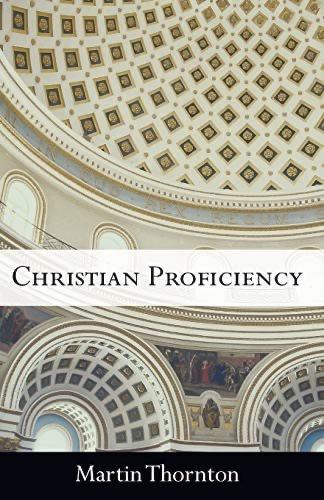
Christian Proficiency by Martin Thornton is a published work on disciplined spirituality and serves as a practical and theological guide for integrating faith into daily life. Thornton emphasizes the concept of “proficiency” as the mature stage of Christian discipleship, marked by disciplined growth, balanced spiritual practices, and a deepening relationship with God. He advocates for a “threefold rule” comprising regular corporate worship, personal prayer, and communal office prayer, encouraging Christians to develop a rule of life that harmonizes these elements. While firmly rooted in Anglican spirituality, Thornton’s insights resonate with all Christians seeking to live faithfully, transforming ordinary routines into pathways for holiness and devotion.
Christian Proficiency was first published in 1959, during a period of renewed interest in practical and theological approaches to Christian discipleship within the Anglican tradition. Its author, Martin Thornton (1915–1986), was an English Anglican priest, theologian, and influential writer on spirituality. Known for his emphasis on integrating historical Christian practices with the needs of modern believers, Thornton championed a practical, accessible approach to spiritual growth that resonated with both clergy and laity. Thornton’s writing is marked by his ability to blend theological depth with practical application, making his insights enduringly relevant for Christians seeking to deepen their faith.
Living a Proficient Faith
Christian Proficiency is introduced as a state of steady progress beyond the beginning and less mature stages of faith and practice. Where the proficient Christian adopts spiritual practices into daily life where consistent attitudes and actions correspond to a life commitment, it’s more than a lifestyle as it’s an intentional embrace of faith and practice outflowing from personal action. It stems from ongoing effort as the fruit of faith, and it’s a personal outworking of grace characterized by perseverance and intentionality toward regular prayer, sacramental participation, self-discipline, and engagement with the church community.
While the terms “proficiency” and “efficiency” or “effective” bring to mind secular categories of thought, Thornton seeks to capture what it means for Christians to practice their faith within the context of the activity of becoming a mature believer on a fruitful life trajectory. More specifically, more than going through the motions but living out a framework of life that reaches into the core of being and identity.
The word “proficiency” carries meaning having a semantic range centered on the idea of competence and skill in a particular area. At its core, it refers to the ability to perform tasks effectively, often with precision and expertise. This general sense applies broadly, from technical disciplines to creative or practical endeavors. Beyond mere competence, proficiency frequently implies mastery—an advanced level of understanding or capability that distinguishes the proficient individual as highly skilled or knowledgeable. Historically, the term also conveyed the idea of progress or growth, especially in personal or intellectual development, highlighting a journey toward expertise rather than just the end state.
In this book’s context, proficiency takes on a distinct meaning to imply fluency in practice concerning the spiritual life. For instance, in theological and spiritual contexts, as seen the term denotes growth in faith and the disciplined integration of spiritual practices into daily life. Despite its variations in meaning, proficiency always emphasizes the result of intentional effort, whether through practical application, ongoing improvement, or advanced mastery. Across all its uses, the word encapsulates the journey of growth and the excellence achieved through dedication.
Spiritual Direction
Thornton views spiritual direction as a way to understand biblical and traditional discipleship, offering a framework for individuals to grow continuously in their faith. Unlike mere counseling or mentorship, spiritual direction encourages ongoing development, echoing the purpose of God’s Word as described in 2 Timothy 3:16-17: to equip believers for every good work. However, Thornton focuses on this growth without emphasizing specific markers like personal holiness, sanctification, or the fruits of the Spirit. Instead, he frames spiritual maturity as an increasing “proficiency”—a call to move beyond basic Christian practices toward a disciplined and deeply integrated faith. This growth involves active cooperation with God’s grace, not as a means of earning salvation but as a way of living out the Gospel in daily life. Thornton also encourages laypeople, affirming that spiritual maturity is not reserved for clergy or monastics but is attainable for all Christians committed to deepening their faith.
The Rule
Overall, the importance of the Rule as a guiding principle for living a disciplined and spiritually mature Christian life, drawing inspiration from the Rule of Saint Benedict. However, Thornton clarifies that the Rule is far more than a rigid list of “do’s” or an overly ascetical approach to existence; it is an intentional embrace of the Christian life as it was meant to be lived. To be “regular” in one’s faith is to be “proficient,” a connection deeply rooted in ascetical theology. Thornton suggests that “Rule” is best understood as “Order,” representing the harmony and structure underpinning a civilized and purposeful life.
Thornton further clarifies key aspects of the Rule, highlighting its pastoral and flexible nature. First, a Rule is “embraced,” not “promised,” signifying a voluntary commitment rather than an obligation. It directly opposes legalism, avoiding the pitfalls of rigid Pharisaic practices. A true Rule is neither artificial nor burdensome but is instead the principle that brings order and rhythm to life. Breaching a Rule is not inherently sinful, as its purpose is formative rather than punitive. Lastly, Thornton insists that the Rule must remain variable, adapting to each individual’s unique circumstances and needs, ensuring it remains a practical and life-giving framework for spiritual growth.
On a personal level, the book further revealed to me the importance of having a personal Rule as a practical framework for spiritual growth, recommending that it be developed in consultation with a spiritual director whenever possible. A well-formed Rule should become unobtrusive, integrating seamlessly into daily life rather than feeling like an artificial imposition. Simplicity is key—Thornton emphasizes that a Rule should be as straightforward as possible while developing spiritual efficiency and depth. It should encourage creative discipline, challenging me to grow without becoming an undue burden or source of stress.
Thornton also highlights the communal dimension of living out a Rule, particularly within the Anglican tradition. Many individuals adopt a Rule in the context of religious orders, such as “oblates, tertiaries, or companions,” or through participation in a prayer group with friends or parishioners. Joining an established community of prayer—whether a monastery, a fellowship, or even a parish—provides a collective commitment to a Rule grounded in close social proximity and shared spiritual goals. This communal approach reinforces accountability, encouragement, and a sense of belonging, making the Rule a vibrant and life-giving foundation for Christian discipleship.
Presence as Spiritual Practice
According to the author, the proficient Christian experiences an awareness of Christ’s presence throughout daily life, whether during routine tasks or during moments of great significance. This ongoing consciousness of God is not confined to set prayer times but is intentionally set within daily existence. It is the practice of the presence of God, where prayer is not restricted to church attendance, feast day observances, or structured prayer but is instead an active and continual recollection of Christ’s nearness. Whether engaging in corporate prayer, personal devotions, or commemorating the saints among the great cloud of witnesses, the proficient live with an acute sense that every moment is an opportunity for communion with God.
Thornton explains that this awareness is deeply connected to the threefold reality of the Church—Earth, Paradise, and Heaven—which together form a continuous act of worship. Regardless of whether one is alive in time and space or dwelling in eternity, the act of recollection is a way of living eternity in the present moment. The Christian’s worship transcends time, reflecting the reality that divine life is not bound by past, present, or future. As Thornton writes, “The Christian has… a peculiar dual character. Being a life in which nature, without any destruction of its own proper being, is progressively supernaturalized, the Christian is, in one sense, successively becoming what, in another sense, he already is. He increasingly makes his own the supernatural and eternal life which is the life of God. Hence on the supernatural plane he transcends the separation of past-present-and-future.” In this way, recollection is not merely a spiritual practice but a profound participation in eternity while still rooted in the temporal world.
This participation in eternity, or recollection, is a vital link between time and eternity, earth and heaven, nature and grace. It is not merely a passive awareness but an active engagement with the eternal now of God’s presence. The Church’s liturgical life provides tangible ways to cultivate this awareness, particularly through the Kalendar of the Book of Common Prayer, which structures time in a way that mirrors the rhythms of heaven. Following the cycles of feasts, fasts, and seasons, the Christian sees earthly time as a reflection of eternal reality. Recollection is not an abstract concept but a lived experience—an intentional response to “the something that has happened to us,” transforming ordinary moments into encounters with the divine.
Internal Prayer, Meditation, and Contemplation
Thornton wrote that mental prayer is both valid and necessary in the Christian life, functioning as a distinct yet complementary practice alongside verbal prayer. Thornton also affirms that the use of mental images can aid devotion, particularly when centered on the Person of Christ. He reassures the reader not to be troubled by the natural emergence of meditative images, as they can serve as valuable tools in deepening one’s relationship with God. Drawing on the insights of Saint Teresa of Ávila, Thornton emphasizes that our imaginative contemplation of Christ during mental prayer is both valid and spiritually beneficial, provided it remains grounded in scripturally sound Christology. This means that visualizing Christ in a glorified state—such as envisioning His resurrected presence or meditating on His earthly ministry—is acceptable, so long as these images do not reflect theological errors such as Nestorianism, Arianism, or Apollinarianism, which distort the true nature of Christ’s divinity and humanity.
Beyond Christological meditation, Thornton also advocates for using iconography, sacred art, or images, for intercessory prayer to Mary and the saints as valuable aids in devotion. According to the author, when rightly understood, these practices support a deeper engagement with mental prayer and reinforce the unity of the faithful across time and eternity. In keeping with this principle, Thornton also advocates for the presence of the Crucifixas a necessary fixture in every church and every home, serving as a powerful focal point for prayer and contemplation. Through these visual and devotional aids, mental prayer becomes a way of meditating on divine truths and immersing oneself in the living reality of Christ and the communion of saints.
The Depth of Prayer
Thornton defines colloquy as the practice of prayer understood as a dialogue with Christ, rather than a monologue of human petition. This dialogue is structured through the four essential components of prayer: Petition, Intercession, Thanksgiving, and Adoration. Thornton contrasts this with the Reformed and Protestant perspective, which typically sees prayer as one-way communication from the believer to God, while God speaks to us through His Word, Scripture. From this view, any claim that God speaks directly to an individual in private revelation would resemble prophetic utterance, whereas Reformed traditions generally affirm the inner witness and convictions of the Holy Spirit as a non-verbal form of divine guidance. Thornton asserts that private prayer without this mystical engagement of the Holy Spirit becomes a monologue rather than a dialogue, lacking the richness of true communion with God.
The author also examines the differences in prayer emphasis between Protestants and Catholics, noting that Protestant devotion often focuses on personal petitions, whereas Catholic spirituality is rooted in the Mass and the Divine Office. While Protestant prayer often centers on personal needs and supplications, Catholic prayer incorporates liturgical and communal worship, allowing individuals to enter into a structured pattern of devotion. The use of formal prayers in Catholic practice does not diminish their authenticity but rather aligns personal prayer with the broader worship of the Church. Moreover, Thornton emphasizes that Caroline English, with its elaborate and formal phrasing, has no necessary place in private, informal prayer, which should be more intimate and reflective. In private prayers, he views such ornate language as dishonest, while in a liturgical setting, such language use is more appropriate to a limited extent. He also advises that while the Authorized Version (KJV) is suitable for liturgical use, the Revised Standard Version (RSV) is preferred for personal bible study, and modern translations provide fresh inspiration for meditative prayer.
Further along in this chapter, Thornton describes colloquy as an active and disciplined engagement in prayer, requiring meditative preparation and honesty, particularly in petition and intercession. Yet he clarifies that supplication is a composite term that blends petition and intercession, reflecting personal needs and prayers on behalf of others. True intercession, he argues, goes beyond verbal requests—it involves placing oneself mentally and spiritually in solidarity with the hardships of another. In this sense, intercessory prayer carries a sacrificial quality, where the intercessor shares in the burdens of others, at least at an emotional or contemplative level. Within a structured prayer life, praying the Divine Office becomes an effective way to incorporate intercession into daily devotion. Still, Thornton acknowledges that moments of urgent prayer—particularly in times of crisis—can rightly interrupt a person’s established Rule of Prayer.
A personal Rule of Prayer ensures consistency in devotion and brings order to the complexity of multiple intercessory requests. Then Thornton notes that thanksgiving is closely tied to intercession because recognizing God’s presence in both successes and failures should naturally result in gratitude. Prayer, he insists, should be a continual act throughout daily life, shaping how individuals perceive and respond to God’s providence. By recalling God’s faithfulness even in difficult moments, the believer develops a habit of thankfulness, reinforcing the reality that prayer is not merely a request-driven practice but a form of relationship and communion with God.
Ultimately, Thornton asserts that adoration is the highest form of prayer, the culmination of all spiritual and mystical dialogue with God. He relates this to the biblical Greek term latreia (λατρεία), which denotes the supreme form of divine worship given exclusively to God. In contrast, he acknowledges dulia (δουλεία) as the veneration given to saints, sacred persons, and holy images, reinforcing the Catholic and Orthodox distinction between worship and honor. This structured approach to colloquy in prayer, guided by set forms and spiritual discipline, ultimately leads the believer to the fullness of worship. Through this rhythm of prayer—petition, intercession, thanksgiving, and adoration—the soul moves beyond mere words to a deep encounter with the divine, wherein adoration becomes the perfect expression of one’s relationship with God.
Penitence, Examination, and Confession
The author further writes about the necessity of Penance as an integral component of the Rule he outlines throughout his work. Penance, far from being an isolated spiritual exercise, functions in harmony with the broader framework of Christian discipline—encompassing counsel from a spiritual director, mental prayer, and recollection. These elements work together to guide a well-ordered, spiritually mature life, reinforcing the believer’s journey toward holiness.
Yet, without specific biblical support, Thornton says that the practice of confession, if pursued in isolation, will not yield its full spiritual benefits. Furthermore, those who confess their sins regularly but neglect corporate worship and the saying of the Divine Office will find their spiritual development stunted. By comparison, it’s my view that Christian life is not merely about acknowledging and confessing sin; it flourishes through active participation in the life of the Church, full immersion reading of Scripture, fellowship with other believers, and the sharing of one’s faith. Without these, spiritual growth remains constrained, and the believer risks becoming spiritually stagnant.
Addressing the persistence of temptation, Thornton offers a realistic and encouraging perspective. And, in my view, temptations will certainly be an ever-present concern to the believer until the very moment of death. Yet, he insists, Christian growth is marked not by an eradication of all sinful inclinations but by an increasing sorrow for sin. True penitence deepens as one matures in the faith. However, he clearly warns against anxious fixation on past sins, reminding the reader that worry about one’s failures is itself a sin—rooted in doubt regarding the mercy and love of God. Instead, he exhorts believers to approach self-examination with regularity, quietude, and efficiency, embracing it as a means of liberation rather than a burdensome obligation. In this sense, the Rule provides structure and stability, guiding the conscience rather than oppressing it.
As one grows in the knowledge of God, penitence also deepens. A clearer vision of divine holiness necessarily brings about a greater awareness of human sinfulness, leading to a more profound contrition and joy. Yet, this growth in penitence is not meant to produce despair; rather, it fosters humility and reliance on God’s grace. The Rule serves as a training ground for the conscience, shaping it in accordance with divine truth and guarding against both laxity and scrupulosity.
Thornton recommends a manual structured around the Seven Capital Sins to prepare for confession. Yet, from the importance of the Ten Commandments and Christ’s imperatives in the Gospels, his emphasis on the Capital Sins suggests a practical and limited approach to self-examination. While Thornton thinks that the Decalogue and Christ’s imperatives roll into the theology of capital sins, it’s best to focus on those areas and not bother with the rest. However, I believe a more holistic perspective would incorporate all three—the Seven Capital Sins, the Ten Commandments, and Christ’s teachings—as essential guides for the Christian seeking to live according to the Rule of Prayer within daily life.
However, one assertion of Thornton’s invites strong disagreement: the suggestion that rectors or parish priests might “forget all about it” when individuals confess their sins before them and receive Penance. Such a notion seems entirely implausible and even absurd. The gravity of confession, the pastoral responsibility of the priest, and the spiritual significance of absolution make it unlikely—if not impossible—that such matters would simply slip from the mind of the confessor. The sacramental act of reconciliation carries profound weight, both for the penitent and the priest, and it is unthinkable that it would be treated with casual indifference.
Thornton’s reflections in this chapter reinforce a vision of Penance as a necessary, regular, and deeply formative aspect of Christian living. When integrated into the broader Rule, confession becomes a means of growth, not merely a routine admission of guilt. It aligns the believer more closely with God’s mercy, nurtures true contrition, and fosters a disciplined life of prayer, worship, and fellowship. In this way, according to Thornton, Penance is not a solitary act but a necessary component of a rich and ordered spiritual life.
Aids to Deeper Formation
Thornton further brings attention to the importance of theological and devotional reading as essential components of a believer’s spiritual development. Each serves a distinct purpose: theology provides intellectual clarity and doctrinal foundation, while devotional reading nurtures personal affection and emotional connection to God. However, Thornton advises against an imbalance in either direction. Too much theological study can lead to a cold intellectualism. Conversely, an excess of devotional reading may produce excessive sentimentality, fostering an emotionally driven spirituality that lacks depth and structure. True proficiency in the Christian life requires a balanced integration of both, ensuring that knowledge informs devotion and devotion enriches understanding.
Thornton’s perspective on fellowship and evangelism is somewhat distinct from the emphasis found in Philemon 1:6-7, which speaks of sharing faith in a way that produces mutual encouragement and spiritual enrichment. He approaches fellowship primarily as a utility or aid to prayer rather than as a broad means of spiritual growth or mission. While he acknowledges the value of communal gatherings—such as luncheons, festivals, and informal church events—he does not view these as the core of Christian fellowship. Instead, in my view, this places greater emphasis on structured accountability within small, intentional relationships, particularly those formed under the guidance of a spiritual director (or mentor more spiritually mature). I believe fellowship involves modeling godly character and virtue, typically in 1:1 or 3:1 settings, where deeper accountability and discipleship can occur. This form of fellowship is not merely social but formative, leading to joy and spiritual maturity.
Much of Thornton’s work about supplemental aids is not for general spiritual development per se but rather the role of elements that serve as “aids to prayer.” In this context, liturgical seasons play a critical role. They are not merely commemorative cycles but reinforcing mechanisms that strengthen and deepen the believer’s prayer life. Each season presents an opportunity for focused reflection, drawing attention to particular areas of spiritual need. Advent, Lent, and other seasons of the Church calendar serve as times of renewal and recalibration, prompting believers to engage more intentionally in their spiritual disciplines.
One of the most practical aids to prayer, according to Thornton, is the spiritual retreat. Retreats provide a dedicated space and time for believers to step away from the distractions of daily life and center their focus wholly on God. He highlights several key benefits of retreats:
They foster deeper spiritual health by creating an environment where participants are surrendered and immersed in silence before God.
They provide an opportunity for forming new and meaningful spiritual connections with people who might not otherwise engage in Christian relationships fruitfully.
They accelerate the process of internalizing the Rule, helping participants become more familiar with the structured prayer and lessons found in the Book of Common Prayer (BCP) and apply them consistently.
They serve as a source of renewal, especially for those experiencing spiritual dryness. A well-structured retreat can reignite devotion, offering rest, restoration, and a renewed sense of purpose.
Thornton presents these aids to prayer not as ends in themselves but as tools for deepening one’s spiritual discipline. Whether through balanced reading, intentional fellowship, engagement with the liturgical calendar, or participation in retreats, each of these practices strengthens and supports a well-ordered life of prayer.
Proficiency Through Hardships & Modernity
In the final sections of the book Christian Proficiency, Martin Thornton brings his work to a close by offering pastoral guidance and practical counsel for navigating the complexities and challenges of modern life. Having laid out a framework for Proficient Christian living, he now turns to the difficulties that believers inevitably face, both in their personal spiritual lives and in their engagement with the world.
Thornton acknowledges that seasons of hardship and trial are unavoidable for the faithful. These include spiritual dryness, in which prayer feels empty or fruitless; scrupulosity, excessive anxiety over sin that can become spiritually paralyzing; periodicity, or the tendency for spiritual enthusiasm to wane and fluctuate over time; and distractions, both internal and external, that disrupt the life of prayer. Far from being arbitrary or meaningless, Thornton affirms that all of these experiences serve sovereign purposes. Trials refine the believer, teaching perseverance, humility, and reliance on grace rather than on mere human effort.
Beyond these internal struggles, Thornton also recognizes the external challenges posed by modern life. He does not shy away from the reality that contemporary circumstances often complicate, interfere with, or even seem to contradict spiritual formation and the pursuit of maturity in Christ. Professional obligations, family responsibilities, social expectations, and the increasing pace of life can make it difficult to adhere strictly to the Rule of life he advocates. Yet rather than advocating rigidity or despair, he offers principles and creative approaches to maintaining commitments to prayer, church attendance, and other spiritual disciplines within the constraints of one’s vocation and state in life. His counsel is practical: rather than viewing obstacles as barriers, believers should seek alternative ways to integrate spiritual habits into daily living, adapting their Rule as necessary while maintaining its core intent.
At the heart of Thornton’s approach is Ascetical Theology, which he defines as the science of cooperation with the Holy Spirit. Spiritual growth is not about forcing oneself into an external mold but about responding faithfully to God’s grace, discerning how best to live out one’s faith amid changing circumstances. As both guide and sustainer, the Holy Spirit directs this process, ensuring that the believer’s efforts are neither in vain nor misplaced.
Thornton also addresses the role of apologetics and evangelism within the life of a Proficient Christian. He firmly rejects confrontational or aggressive street evangelism, which often devolves into fruitless arguments and disputes over doctrine, philosophy, or personal beliefs. Instead, he advocates for a more organic, relational approach to sharing the faith—one that prioritizes witness within one’s immediate sphere of influence. Family, friends, colleagues, classmates, and social circles provide the most fruitful context for evangelism, as these relationships offer opportunities for authentic, personal engagement rather than impersonal debate.
Regarding apologetics, Thornton warns that Proficients must resist the temptation to reduce religion to mere intellectual discourse. Christianity is not primarily an abstract philosophy or an intellectual system; it is a personal and communal living faith. It is best demonstrated, not argued, and a life visibly shaped by Christian principles is far more persuasive and compelling than the efforts of a street preacher engaging in polemics. A Proficient’s evangelism should therefore stem from lived witness rather than from rhetorical persuasion.
Ultimately, Thornton reminds the believer that the Holy Spirit is the supreme director and unifier of all Christian efforts. In a world filled with distractions, difficulties, and conflicting responsibilities, the Holy Spirit harmonizes our intentions, desires, and actions, ensuring that even in ambiguity and struggle, the faithful continue to grow in Christ. Through this divine guidance, Proficients navigate both personal challenges and the broader call to Christian witness, embodying a mature, stable, and prayer-centered faith amid a complex world.
Today I completed the classic book Knowing God by J.I. Packer. It is 360 pages in length and in three parts about knowing the Lord, beholding God, and the recognition that God is for us. What follows is a review of the book. This book is about the wonder and joy of knowing God.
Introduction
J.I. Packer’s Knowing God serves as both a theological exploration and a heartfelt call to a deeper, more personal relationship with the Creator. Written with clarity and conviction, the book bridges the gap between doctrine and devotion, addressing the modern Christian’s need for both intellectual understanding and experiential knowledge of God. Packer’s central purpose is to guide readers toward a more profound realization that true life and joy are found in knowing God as He has revealed Himself in Scripture. He challenges the prevailing tendency to reduce God to abstract concepts or to approach Him superficially, instead urging believers to seek Him with reverence, faith, and a deep hunger for truth.
Packer’s purpose goes beyond simply conveying accurate theology; it is deeply pastoral. Knowing God involves more than just understanding doctrines; it is about having a transformative encounter with the living God. The book helps readers to appreciate the beauty, majesty, and love of God, drawing them into a deeper relationship with Him. By highlighting God’s attributes, works, and promises, Packer shows how truly knowing God transforms our lives. This knowledge fuels worship, encourages obedience, and provides comfort during life’s trials. Essentially, *Knowing God* serves as both an invitation and a guide for a lifelong journey of faith, rooted in the understanding that knowing the Creator is the greatest pursuit and ultimate joy of the human heart.
Book Review
This book is a significant work in evangelical theology, skillfully combining doctrinal truths with deeply personal applications. The book is divided into three main parts: Know the Lord, Behold Your God, and If God Be For Us. It functions as both a theological treatise and a devotional guide, encouraging readers to develop a deeper and more intimate relationship with God. Packer carefully unpacks the nature of God, the ways to know Him, and the transformative effects of that knowledge on a believer’s life across 22 chapters.
The first part, Know the Lord, lays the foundational premise: knowing God is the ultimate purpose of human existence. In Chapters 1-6, Packer distinguishes between knowing about God and truly knowing Him. He critiques modern Christianity’s intellectualism and emotionalism, urging believers to approach God through Scripture and a relationship rooted in faith. Chapters such as “The People Who Know Their God” emphasize that knowledge of God is not an abstract pursuit but one marked by personal transformation. Packer’s meditation on God’s self-revelation through Scripture and Jesus Christ invites readers to seek Him as He is, not as they might wish Him to be.
In the second part, Behold Your God, Packer guides readers through a systematic exploration of God’s character. Chapters 7-17 offer a vivid portrait of God’s majesty, justice, wisdom, and love, inviting readers to stand in awe of His holiness. Each chapter explores a specific attribute, such as God’s immutability in “God Unchanging” and His grace in “The Grace of God.” Packer avoids dry intellectualism, weaving Scripture, personal anecdotes, and historical theology into a tapestry of worship and reflection. The chapter “God the Judge” is particularly striking, challenging contemporary views of God’s justice while balancing it with His mercy. These chapters not only elevate the mind to contemplate God’s greatness but also draw the heart into worship.
The chapters on God’s love and goodness are deeply pastoral, emphasizing how these attributes undergird the believer’s hope and assurance. Packer’s discussion of God’s wisdom in “God Only Wise” offers profound comfort, showing how God’s plans are always for the ultimate good of His people, even when circumstances seem perplexing. Each chapter invites readers to meditate on how these attributes impact their daily lives, fostering a sense of trust and reverence for God’s character.
The third and final part, If God Be For Us, shifts focus to the practical implications of knowing God. In Chapters 18-22, Packer explores themes like adoption, guidance, and the promises of God. The chapter “Sons of God” is particularly moving, as it delves into the doctrine of adoption and the believer’s new identity as a child of God. Packer paints a picture of a relational God who not only redeems but also invites believers into His family, offering intimacy and security.
In “Guidance,” Packer provides a balanced view of discerning God’s will, addressing both the spiritual and practical aspects of decision-making. This chapter is a standout for its clarity, blending theological depth with practical wisdom. Packer’s emphasis on trusting God’s promises in “He Shall Testify” reinforces the idea that knowing God is not merely an intellectual exercise but a relationship marked by trust and dependence. The closing chapter, “The Adequacy of God,” ties the book together, assuring readers that God’s sufficiency meets every need in the Christian life.
What makes Knowing God genuinely impactful is Packer’s skill in connecting theology with devotion. His writing is intellectually rigorous yet spiritually nourishing, providing readers with the tools they need to deepen their understanding of God while also encouraging them to develop a personal relationship with Him. Packer’s style is clear and concise, infused with a pastoral heart, making complex theological ideas accessible to a broad audience.
In conclusion, Knowing God is more than just a book; it is a journey into the heart of God. By systematically exploring who God is, how He reveals Himself, and how this knowledge transforms the believer, J.I. Packer offers a roadmap for a life filled with faith and intimacy with God. Each of the 22 chapters builds on the previous one, providing both theological depth and practical application. For anyone seeking to deepen their relationship with God, “Knowing God” remains an essential and timeless resource, guiding readers toward a life of worship, trust, and communion with the Creator.
Hymn of Knowing
I asked the Lord that I might grow
I asked the Lord that I might grow In faith, and love, and every grace, Might more of His salvation know, And seek more earnestly His face.
’Twas He who taught me thus to pray, And He, I trust, has answered prayer; But it has been in such a way As almost drove me to despair.
I hoped that in some favored hour At once He’d answer my request, And by His love’s constraining power, Subdue my sins, and give me rest.
Instead of this, He made me feel The hidden evils of my heart, And let the angry powers of hell Assault my soul in every part.
Yea, more, with His own hand He seemed Intent to aggravate my woe; Crossed all the fair designs I schemed, Blasted my gourds, and laid me low.
“Lord, why is this?” I trembling cried, “Wilt Thou pursue Thy worm to death?” “‘Tis in this way,” the Lord replied, “I answer prayer for grace and faith.
These inward trials I employ, From self and pride to set thee free, And break thy schemes of earthly joy, That thou may’st seek thy all in Me.”
by John Newton (1725–1807), the former slave trader turned Anglican clergyman and hymn writer. Newton is best known for penning “Amazing Grace.”
Summary
J.I. Packer’s Knowing God is a timeless theological masterpiece that urges Christians to embrace the highest purpose of their lives: to genuinely know the living God and be transformed by that knowledge. Across its 22 chapters, Packer skillfully guides the reader through the foundations, attributes, and implications of knowing God. He combines theological accuracy with a pastoral warmth that encourages deep reflection and personal transformation. The book’s lasting appeal lies in its ability to lead readers beyond superficial religion into a profound relationship with God that influences every dimension of life—intellectually, emotionally, and spiritually.
The journey of knowing God, as depicted in Packer’s work, is not without its challenges. In many ways, it mirrors the themes of John Newton’s hymn, “I Asked the Lord That I Might Grow.” Newton’s hymn poignantly describes the paradox of spiritual growth: the yearning for deeper faith often leads through trials and revelations of our own insufficiency. This same dynamic unfolds in Knowing God as Packer reveals that to know God is to see His majesty and grace more clearly, but also to confront the depths of our own sin and need for redemption. Like Newton’s hymn, Packer’s book reminds readers that God often uses hardships to draw us closer to Himself, stripping away self-reliance so that we might rest fully in His love and sovereignty.
In the end, Knowing God serves not only as a theological guide but also as a devotional manual for the heart. It points readers toward the ultimate joy and purpose of life: communion with God. This book equips believers for a lifetime of seeking, serving, and worshiping the Creator, reminding us that every trial and every revelation of God’s character works together for our good and His glory. As Newton concludes in his hymn, the trials we face are meant to “break our schemes of earthly joy,” so that we might be lifted to higher and holier pursuits. In the same spirit, Packer’s work leaves readers with the unshakable truth that knowing God is the greatest treasure, the ultimate fulfillment, and the anchor that sustains us through all of life’s seasons.
About J.I. Packer
James Innell Packer, widely known as J.I. Packer, was one of the most influential evangelical theologians of the 20th and 21st centuries. Born on July 22, 1926, in Gloucester, England, Packer’s early life was marked by a deep love of books and an enduring intellectual curiosity. At the age of seven, he suffered a severe head injury in an accident, which left him physically fragile but profoundly shaped his contemplative nature. He attended Oxford University, where he studied theology at Wycliffe Hall. It was during his time at Oxford that Packer experienced a spiritual awakening, committing his life to Christ and embracing a lifelong passion for Scripture and doctrine. His studies at Oxford also brought him into contact with influential Christian thinkers like C.S. Lewis, whose writings profoundly shaped his faith.
Packer was an ordained priest in the Church of England and maintained a firm commitment to Reformed theology throughout his life. His denominational convictions were rooted in a high view of Scripture, the sovereignty of God, and the doctrines of grace as articulated in the Reformation. Packer’s Anglican heritage played a significant role in shaping his ecclesiology and spiritual practice, as he valued the richness of liturgical worship alongside the centrality of biblical preaching. Although he served within the Anglican tradition, his theological reach extended across denominational boundaries, earning him respect among evangelicals, Reformed Christians, and beyond. His work often bridged divides, uniting believers around shared convictions about the authority of Scripture and the necessity of personal holiness.
Over the course of his career, Packer authored or contributed to over 40 books, with Knowing God being his most celebrated work, beloved for its clarity, theological depth, and pastoral warmth. He also served as a professor at Regent College in Vancouver, Canada, where he taught theology for decades and mentored countless students. Despite his academic achievements, Packer remained deeply humble, emphasizing the importance of personal piety and the transformative power of the gospel. His later years were marked by significant contributions to the English Standard Version (ESV) Bible translation and efforts to preserve orthodox Christian theology in the face of modern challenges. Until his death on July 17, 2020, Packer remained a towering figure in evangelicalism, remembered for his unwavering commitment to Christ and his ability to articulate profound truths in ways that inspired both the mind and the heart.
Saint Benedict of Nursia (c. 480–547 AD) is one of the most significant figures in the history of Western monasticism and Christian spirituality. Born in the region of Nursia (modern Norcia, Italy), he came from a family of noble lineage in a society recovering from the fall of the Western Roman Empire. This was a time of political fragmentation, social instability, and cultural transformation, as the remnants of Roman authority were replaced by Germanic kingdoms. Benedict was sent to Rome for his education, as was customary for the sons of aristocratic families. There, he was expected to receive a classical education in rhetoric and philosophy, preparing him for a career in law or public administration. However, Benedict grew disillusioned with the moral decadence and corruption he witnessed in Roman society, which led him to abandon his studies and retreat into solitude to seek God.
After leaving Rome, Benedict lived as a hermit in a cave near Subiaco, dedicating himself to prayer, fasting, and ascetic discipline. His reputation for holiness and wisdom quickly grew, and he began to attract disciples who sought to emulate his way of life. Initially reluctant to take on leadership roles, Benedict eventually accepted the task of guiding these followers, forming a monastic community. This marked the beginning of his legacy as the founder of Western monasticism. His time at Subiaco, however, was not without challenges; he faced opposition, even attempts on his life, from those envious of his growing influence. These conflicts led him to leave Subiaco and establish a new monastery at Monte Cassino around 529 AD, which became the center of his spiritual and organizational work.
At Monte Cassino, Benedict developed his most enduring contribution to Christian monasticism: the Rule of Saint Benedict. This text provided a framework for communal monastic life, balancing prayer, work (ora et labora), and study within a stable, disciplined environment. The Rule emphasized humility, obedience, and the sanctification of daily life, providing clear instructions for the governance of monastic communities. Benedict’s vision of monasticism was practical, adaptable, and deeply rooted in Scripture, particularly the Psalms. It avoided extremes of asceticism and encouraged moderation, fostering a sense of stability and order that was sorely needed in the chaotic socio-political context of early medieval Europe. His Rule would later become the standard for monastic life throughout the Western Church, profoundly shaping the spiritual and cultural development of Christendom.
Saint Benedict’s influence extended far beyond his lifetime. He is venerated as the “Father of Western Monasticism” and was named a patron saint of Europe by Pope Paul VI in 1964. His emphasis on community, discipline, and the pursuit of holiness became a stabilizing force in a time of turmoil, as Benedictine monasteries preserved classical learning, provided spiritual guidance, and served as centers of social and economic activity. Benedict’s legacy reflects the transformative power of faith in a world in need of renewal, offering a model of Christian life that has inspired countless generations. His life and work stand as a testament to the enduring relevance of spiritual discipline and communal harmony in times of cultural upheaval.
The Rule of Saint Benedict
The Rule of Saint Benedict is one of the most influential texts in Western Christianity, providing a comprehensive guide to monastic life that balances spiritual devotion, communal harmony, and practical governance. Written by Saint Benedict of Nursia around AD 530, the Rule consists of 73 chapters detailing the structure, responsibilities, and spiritual practices of a monastic community. Benedict’s approach emphasizes the cultivation of humility, obedience, and discipline under the leadership of an Abbot, whose role is central to the monastery’s success. The Rule establishes a system of governance, prayer, and labor that has shaped monasticism for centuries, creating a stable framework for spiritual growth and communal life in a turbulent post-Roman world.
The Abbot, discussed extensively in Chapters 2, 3, 64, and others, is the spiritual and administrative leader of the monastery. Benedict emphasizes that the Abbot must be a man of exceptional wisdom, humility, and holiness, who governs as Christ’s representative. Chapter 2 specifies that the Abbot’s authority must serve the spiritual welfare of the monks, balancing discipline with compassion. He is expected to “teach by deeds rather than words” and to ensure that his instructions reflect both divine law and practical wisdom. Chapter 64 further outlines that the Abbot’s election should be based on merit rather than rank, emphasizing the centrality of virtue in leadership. The Abbot is also responsible for resolving disputes, interpreting the Rule, and guiding monks in their spiritual journey, making him the keystone of Benedictine monastic life.
The role of the Prior, addressed in Chapter 65, is subordinate to the Abbot, but nonetheless significant in maintaining the smooth functioning of the monastery. Benedict warns against giving the Prior too much autonomy, as this can lead to rivalry and discord within the community. The Prior is appointed to assist the Abbot in managing the daily operations of the monastery, ensuring the monks adhere to the Rule and fulfill their responsibilities. However, the Rule cautions against the Prior undermining the Abbot’s authority, reflecting Benedict’s concern for unity and order within the monastic hierarchy. This chapter exemplifies Benedict’s pragmatic approach to leadership, emphasizing accountability and collaboration among those in positions of authority.
In Chapter 62, Benedict addresses the presence of a Priest within the monastery. The Priest is tasked with celebrating the sacraments and providing spiritual guidance, but he is subject to the same discipline and humility as any other monk. Benedict emphasizes that no monk, regardless of clerical rank, is exempt from obedience or the communal practices outlined in the Rule. This insistence on equality underscores Benedict’s rejection of pride and ambition, which he saw as antithetical to the monastic ideal. The Priest is not granted any special privileges beyond his liturgical role, reflecting the egalitarian spirit of the Rule and the primacy of spiritual over hierarchical concerns.
The Rule also details the expectations for monks of various roles and statuses, ensuring that every member contributes to the life of the community. Chapters 8–20 focus on the Divine Office, requiring monks to engage in communal prayer at regular intervals throughout the day and night. This disciplined rhythm of prayer reflects the monastic commitment to placing God at the center of life. Chapter 48 addresses manual labor, emphasizing its spiritual value alongside prayer, as encapsulated in the Benedictine motto, ora et labora (pray and work). This chapter ensures that every monk, regardless of age or rank, participates in both spiritual and physical work, fostering humility and communal interdependence.
Benedict also provides guidance for the treatment of younger or weaker monks, demonstrating his pastoral sensitivity. Chapters 37 and 38 emphasize that provisions should be made for the elderly, the sick, and the young, ensuring they are not overburdened by the Rule’s demands. The inclusion of these compassionate instructions reflects Benedict’s understanding that monastic discipline must be tempered with mercy to accommodate individual needs. At the same time, Chapter 58 outlines the rigorous process for accepting new monks, emphasizing the seriousness of the monastic vocation and the commitment required to live under the Rule.
The Rule is deeply rooted in Scripture, drawing on biblical principles to guide monastic governance and spiritual practices. For instance, Chapter 7 on humility echoes Philippians 2:8, calling monks to emulate Christ’s obedience and self-emptying. Chapters on communal prayer and psalmody reflect the Psalms’ central role in the spiritual life, ensuring that Scripture permeates every aspect of monastic devotion. Benedict’s Rule harmonizes the spiritual and practical dimensions of monastic life, creating a framework that cultivates holiness while addressing the realities of communal living.
The Rule of Saint Benedict offers a detailed and balanced vision of monastic life, rooted in spiritual discipline, communal harmony, and wise governance. Through its chapters on the roles of the Abbot, Prior, Priest, and monks, the Rule establishes a hierarchy that promotes accountability while supporting a spirit of humility and service. Its blend of pastoral sensitivity and rigorous discipline reflects Benedict’s profound understanding of human nature and his commitment to creating a sustainable model for Christian living. The enduring influence of the Rule attests to its timeless wisdom, shaping not only monasticism but also broader Christian spirituality and communal structures for over 1,500 years.
The Life of the Benedictine Monk
The Rule of Saint Benedict provides a detailed framework for the daily life of a monk, centering around the Divine Office, a series of eight services of prayer and worship that structure the day. This daily rhythm, known as the Liturgy of the Hours, reflects the monastic commitment to ceaseless prayer and communion with God. The eight services are strategically spaced throughout the day and night, embodying the Psalmist’s call to “pray without ceasing” (Psalm 119:164). In addition to these liturgical obligations, the Rule balances prayer with work (ora et labora), study, and rest, ensuring a harmonious and disciplined life that fosters spiritual growth.
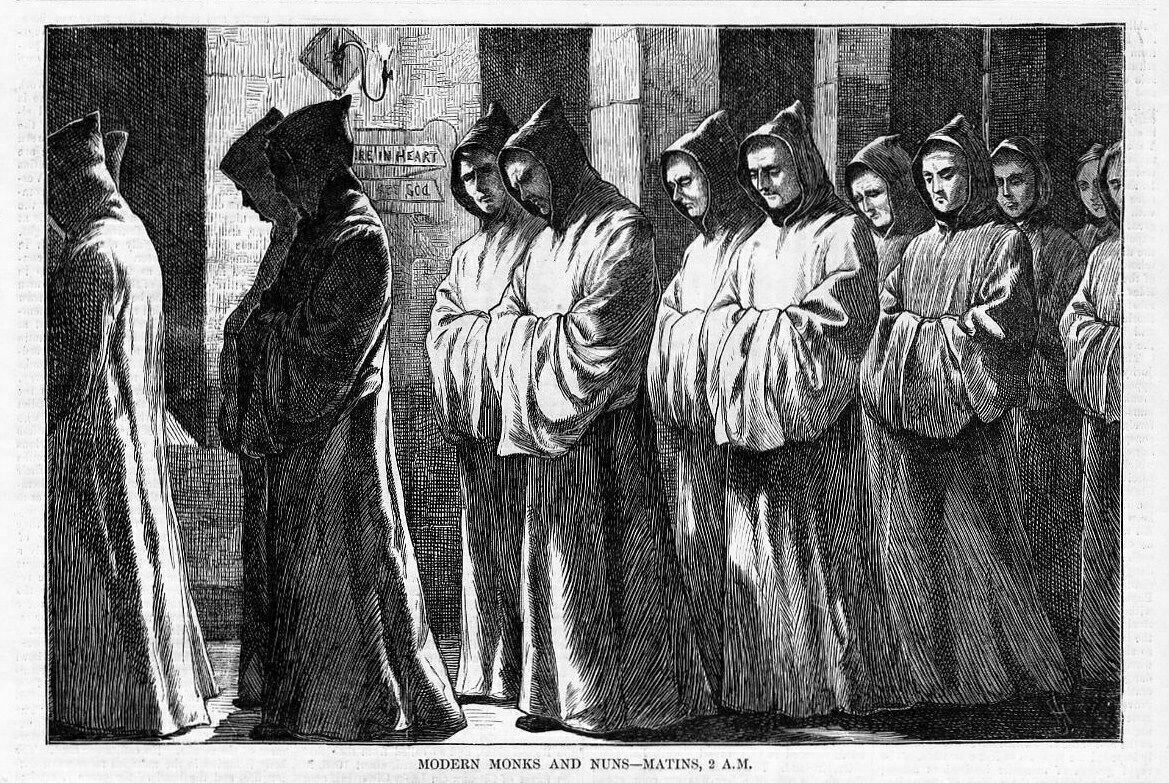
The day begins in the pre-dawn hours with Vigils (or Matins), the first and most solemn prayer service of the day. Taking place around 2 or 3 a.m., Vigils are devoted to extended readings from Scripture and the Church Fathers, combined with psalmody and hymns. This service reflects the monastic ideal of being spiritually vigilant and ready for Christ’s return, in accordance with Psalm 63:6, “I meditate on You in the watches of the night.” The length of Vigils varies depending on the season, with longer readings during winter to fill the extended hours of darkness.
After a brief rest or personal prayer time, monks gather for Lauds, the morning service held at sunrise. Lauds is characterized by a spirit of praise and thanksgiving, celebrating the light of a new day as a symbol of Christ, the “light of the world” (John 8:12). This service includes the chanting of psalms, a hymn, and specific prayers such as the Benedictus (Luke 1:68–79), which praises God’s redemptive work. Lauds sets the tone for the day, reminding the monks of their primary purpose: to glorify God in all things.
Throughout the working hours of the day, monks pause for three shorter services: Prime, Terce, and Sext, named for their timing at the first, third, and sixth hours after sunrise (approximately 6 a.m., 9 a.m., and noon). These services consist of a few psalms, prayers, and a brief reading, providing spiritual nourishment and focus amidst the day’s labor. Terce, in particular, recalls the descent of the Holy Spirit at Pentecost (Acts 2:15) and is associated with seeking the Spirit’s guidance and strength for the tasks ahead. Sext, occurring at midday, offers a moment of reflection and prayerful intercession during the heat and busyness of the day.
Mid-afternoon brings None, the service held at the ninth hour (around 3 p.m.), which marks the transition from the workday to the evening hours. Like the other “little hours,” None is brief but deeply meaningful, providing an opportunity to recall Christ’s suffering and death, which took place at this time (Matthew 27:46). This service reminds the monks of the centrality of Christ’s Passion in their spiritual lives, inspiring them to persevere in their labors and prayers.
As the day winds down, the monks gather for Vespers, the evening service of thanksgiving and reflection. Vespers include the chanting of psalms, hymns, and the Magnificat (Luke 1:46–55), a song of praise that expresses gratitude for God’s saving work. This service, held at sunset, serves as a moment of communal reflection on the blessings of the day and a reminder of the divine providence that sustains all life. It also sets the stage for a peaceful and contemplative evening, preparing the monks for their final prayers before rest.
The final service of the day is Compline, which takes place just before bedtime. This service is kept by simplicity and quiet reverence, offering prayers for protection and peace through the night. The chanting of Psalm 4:8—“In peace I will lie down and sleep, for you alone, Lord, make me dwell in safety”—expresses trust in God’s care. Compline includes an examination of conscience, allowing monks to reflect on their actions and seek forgiveness for any failings before retiring for the night.
Prayer Rule
Sanctified Time
The Night Vigil
Shortly after midnight
Lauds (“praise”)
Shortly before daybreak
Prime (“first”)
The first hour of the day, sunrise
Terce (“third”)
The third hour of the day, midmorning
Sext (“sixth”)
The sixth hour of the day, midday
None (“ninth”)
The ninth hour of the day, midafternoon
Vespers (“evening”)
The early evening
Compline (“completion”)
The final service of the day, just before bedtime
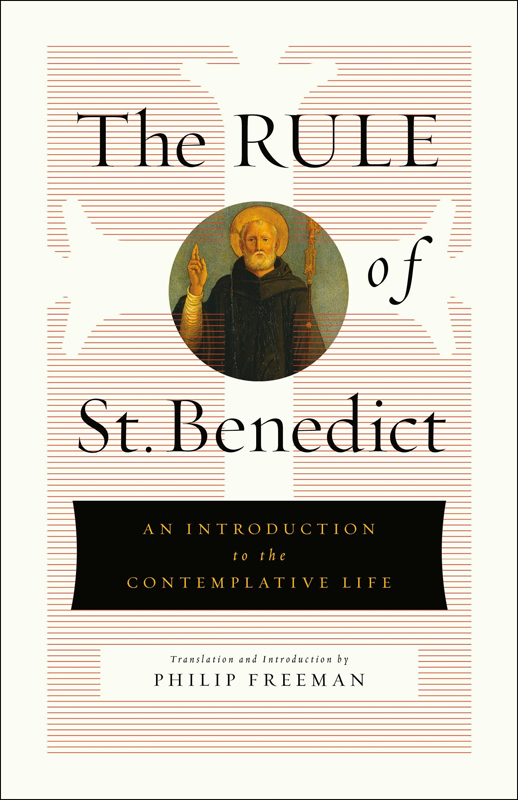
Benedict, St.. The Rule of St. Benedict: An Introduction to the Contemplative Life (p. xxvii). St. Martin’s Publishing Group.
Through this structured rhythm of prayer, the Rule of Saint Benedict threads the sacred into the fabric of daily life, ensuring that every moment is oriented toward God. The eight services not only fulfill the biblical exhortation to continual prayer but also create a spiritual atmosphere that transforms mundane activities into acts of worship. This disciplined schedule reflects Benedict’s profound understanding of human nature, balancing physical, mental, and spiritual needs while fostering a deep sense of communal unity and personal holiness. It remains a timeless model of devotion and order, inspiring monastic communities and Christian life across centuries.
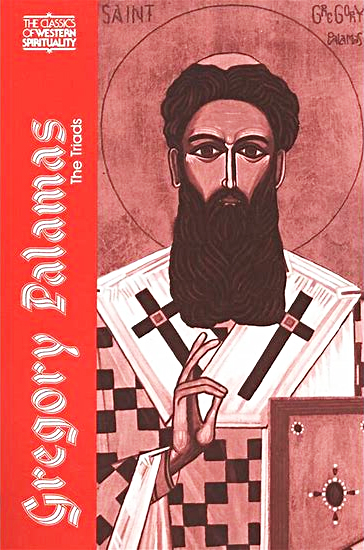
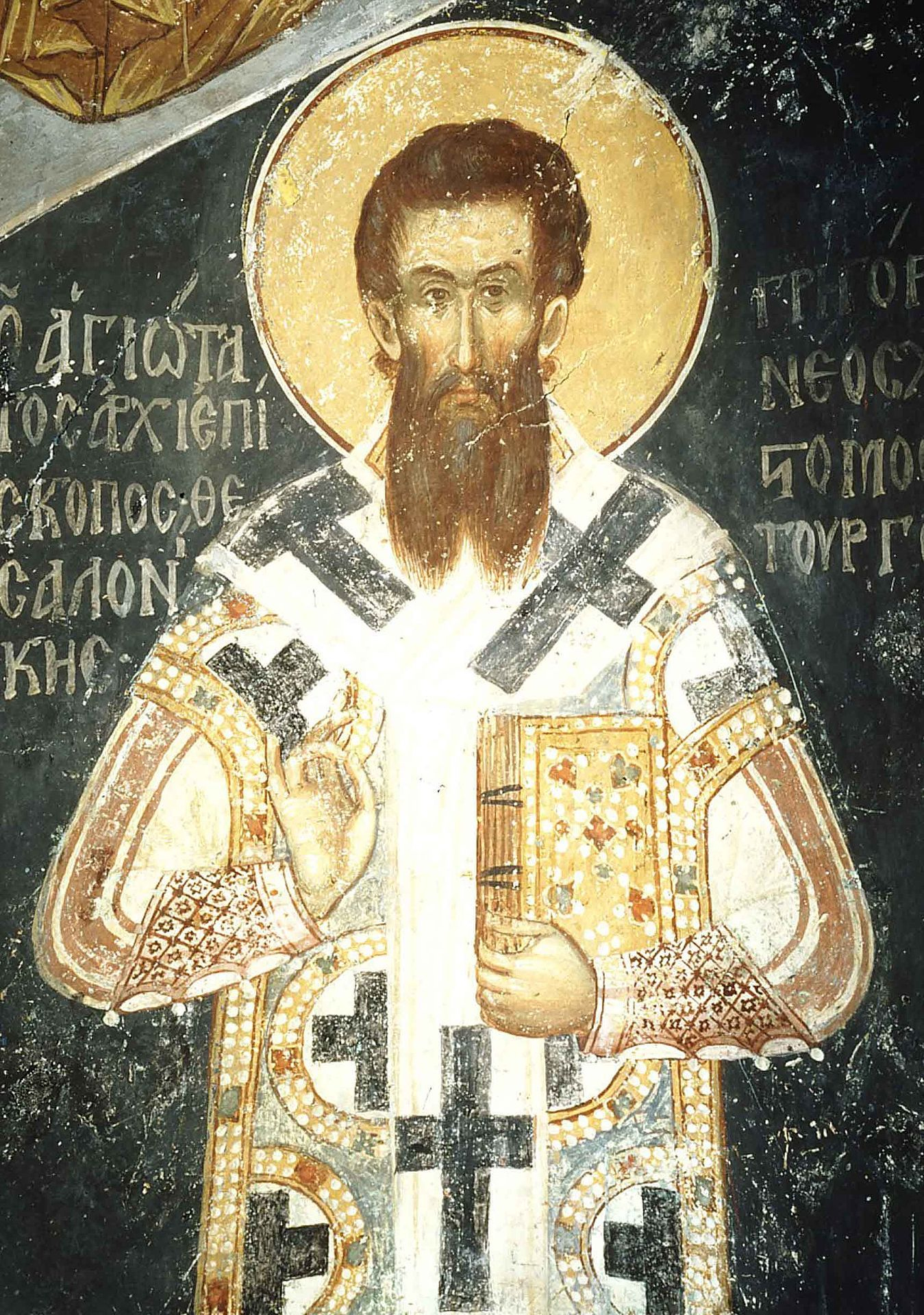
The Triads by Saint Gregory Palamas stands as a prominent figure in the history of Christian spirituality. Composed in the mid-14th century, this work responds to a profound theological dispute that encapsulated the tension between mystical experience and intellectual rationalism. Palamas, a monk of Mount Athos and later the Archbishop of Thessalonica, wrote the Triads to defend the Hesychast tradition—a practice of contemplative prayer deeply rooted in the ascetic spirituality of the Eastern Church. Through this text, Palamas sought to articulate a theology of divine encounter, affirming that God’s uncreated energies make it possible for humans to truly experience His presence without diminishing His ineffable essence.
Introduction
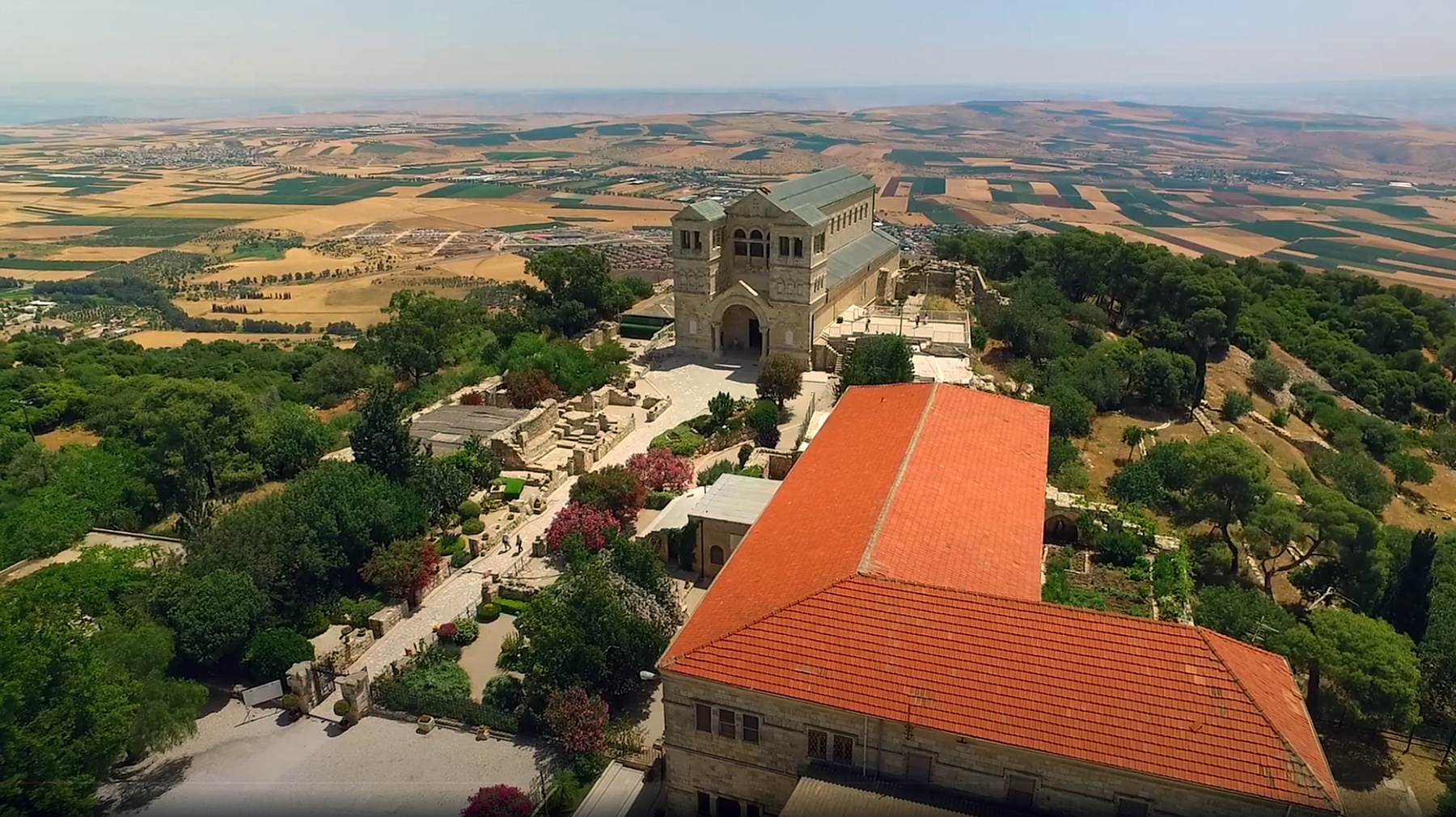
At the heart of the Triads is Palamas’s defense against the criticisms of Barlaam of Calabria, a learned scholar who dismissed Hesychast prayer as naïve and accused its practitioners of theological error. Barlaam, influenced by Western scholasticism and a rationalistic view of God, argued that God could only be known indirectly through intellectual contemplation. Palamas, however, countered that the divine cannot be confined to abstract reasoning alone; rather, through God’s uncreated energies—manifestations of His presence distinct from His essence—human beings can participate in the life of God. Palamas’s arguments were not merely philosophical but were grounded in the lived experience of the monastic tradition, particularly the vision of the uncreated light described by Hesychasts as the very light of Christ witnessed at His Transfiguration.
The Triads is a work of both profound mystical insight and rigorous theological reasoning. Divided into three parts, each addressing aspects of the controversy, the text is simultaneously a polemical defense and a systematic exposition of Orthodox Christian thought. Palamas’s arguments are steeped in the writings of the Church Fathers, particularly the Cappadocians, who also spoke of the distinction between God’s essence and energies. As a whole, the Triads transcends its immediate historical context, offering a vision of theology as not merely a matter of intellectual endeavor but as an invitation to communion with the living God. Today, the Triads continue to resonate as a testament to the Eastern Christian understanding of theosis—the transformative union of humanity with God through grace.
Background
The Introduction section of The Triads serves as both a theological prologue and a contextual framework for understanding the controversies that birthed this seminal work. Palamas begins by addressing the theological climate of his time, characterized by a growing tension between mystical theology and rationalist critiques. At the heart of the conflict is the question of whether humanity can directly experience God through prayer and contemplation. Palamas introduces the Hesychast tradition, a spiritual practice rooted in the silence (hesychia) and ascetic discipline of monastic life. This tradition, he asserts, is not only an ancient path to divine union but also one that faithfully embodies the teachings of Christ and the Apostles. Palamas frames Hesychasm as a defense of authentic Christian spirituality, threatened by the rationalist challenges of Barlaam of Calabria and his followers.
Barlaam, a Western-trained theologian, represents the opposition to Hesychasm, dismissing its mystical practices as ignorant and even heretical. In the introduction, Palamas addresses Barlaam’s primary critiques, particularly the accusation that Hesychasts claim to physically “see God” in a way that undermines His transcendence. Palamas clarifies that Hesychasts do not claim to see God’s essence—something wholly incomprehensible and inaccessible—but rather His uncreated energies, which God freely shares with humanity. The distinction between God’s essence and energies becomes a central theological theme, allowing Palamas to affirm both the unknowable nature of God and the reality of divine-human communion. This defense is rooted in the lived experience of Hesychasts, who report encountering the uncreated light—the same light seen by the Apostles during the Transfiguration of Christ.
In this opening section, Palamas not only outlines the theological dispute but also reveals his methodological approach. He insists that theology cannot be separated from prayer and the experience of grace. For Palamas, theology is not an abstract intellectual exercise but a transformative journey into the presence of God, accessible through the sacramental and ascetic life of the Church. He calls upon the authority of Scripture and the Church Fathers, particularly the Cappadocians, to defend this integrated vision of theology and spirituality. By doing so, Palamas establishes a firm foundation for the arguments that follow, challenging his readers to view theology as inseparable from the Church’s mystical life.
The introduction also highlights the broader implications of this theological debate. Palamas frames Hesychasm as a safeguard against the encroachment of rationalism, which he sees as reducing Christianity to a philosophical system devoid of true spiritual power. He argues that Barlaam’s approach reflects an overreliance on human reason, which cannot bridge the infinite gulf between God and creation. By contrast, Hesychasm embraces divine grace as the means by which humanity transcends its limitations and participates in God’s life. Palamas’s defense is not just for the monks of Mount Athos but for all Christians, as he seeks to preserve a vision of faith that holds divine encounter and personal transformation at its core.
In the conclusion of the introduction, Palamas presents the stakes of the controversy with clarity and urgency. He emphasizes that the debate is not merely about theological nuances but about the nature of salvation itself. For Palamas, the possibility of union with God—what the Orthodox tradition calls theosis—is at risk if the Hesychast vision is rejected. The introduction thus sets the stage for the Triads as a work of both theological precision and spiritual advocacy. It invites readers to enter not only an intellectual debate but a spiritual dialogue that seeks to affirm the transformative reality of God’s grace in the life of the believer. Through this introduction, Palamas firmly establishes himself as a champion of the mystical and experiential heart of Orthodox Christianity.
Presupposition & Principle
“In other words, true knowledge of God implies a transfiguration of man by the Spirit of God, and the negations of apophatic theology signify only the inability of reaching God without such a transfiguration by the Spirit.” – Page 14
Palamas posits an anthropological presupposition that fundamentally redefines humanity’s capacity for divine encounter. This presupposition asserts that man, created in the image of God, possesses an innate ability to transcend his own nature and commune with the divine. Central to this vision is the idea that humanity is endowed with a unique “organ of vision” that transcends both sensory perception and intellectual reasoning. This “organ,” often associated with the nous or spiritual intellect, allows the human person to perceive God directly in His uncreated energies, bypassing the limitations of corporeal senses or rational constructs. For Palamas, this faculty is not an external addition to human nature but an inherent part of being made in God’s image, reflecting humanity’s potential for participating in God’s life. This anthropological perspective frames humans as dynamic beings capable of transcending their creaturely limitations through divine grace, engaging in a process of theosis—becoming united with God.
This presupposition is inseparable from Palamas’s theological principle of the distinction between God’s essence and energies, which underscores how divine-human communion is possible without compromising God’s transcendence. The “organ of vision” operates not through natural means but through a synergy of divine grace and human ascetic preparation, opening the person to the experiential reality of God’s uncreated light. By denying that this vision arises from the intellect or senses, Palamas challenges a purely rationalist or materialist understanding of human nature. Instead, he asserts that the deepest truth of humanity lies in its capacity for a spiritual mode of knowing, where the nous is illuminated by divine grace. This anthropological and theological framework validates the Hesychast claim that God can be directly experienced in prayer, not through conceptual knowledge but through a mystical encounter that transforms the whole person. This vision positions humanity as both rooted in the created order and yet inherently capable of transcending it, embodying the union of the material and the divine.
The Nous & Noetic Mind
What are the differences between the Nous and the Noetic mind? They are within the transfigured body. The terms nous and noetic mind are closely related and often used interchangeably in theological and philosophical contexts, particularly in the writings of the Church Fathers and Eastern Orthodox thought. However, they carry nuanced distinctions depending on context. To clarify, the nous is a specific faculty or aspect of the human soul in Orthodox theology, while the noetic mind often refers to the state or function of the nous when it is oriented toward divine realities.
1. The Nous
The nous (νοῦς), often translated as “intellect” or “mind,” is a key concept in Orthodox anthropology and theology. It is understood as the highest faculty of the human soul, distinct from rational thought (διάνοια, dianoia) or sensory perception. In Orthodox theology:
Nature of the Nous:
The nous is the faculty through which humans perceive and interact with God directly.
It is “the eye of the soul” or “the organ of vision” that allows for spiritual perception, analogous to how physical eyes enable sight.
Function:
The nous is designed for communion with God and contemplation of divine realities. It is the faculty through which humans receive divine illumination and participate in theosis (union with God).
The nous does not operate through logical reasoning or empirical observation but through direct, intuitive apprehension of spiritual truths.
The Fall and Restoration:
In its fallen state, the nous becomes darkened and distracted, focusing on worldly concerns rather than God.
Through prayer, ascetic practice, and divine grace, the nous can be purified, restored, and reoriented toward God.
2. The Noetic Mind
The term noetic mind refers to the active function or state of the nous when it is properly oriented toward God. The word “noetic” (from νοερός, noeros) means “pertaining to the nous” and emphasizes the spiritual or intuitive dimension of the mind.
State of the Noetic Mind:
The noetic mind describes the state of a purified and illuminated nous that actively contemplates God and perceives His uncreated energies.
It represents a higher state of consciousness where the soul is attuned to divine realities.
Distinct from Rationality:
Unlike the discursive, logical mind (διάνοια), the noetic mind operates on a spiritual level, bypassing rational processes. It is not “irrational” but “supra-rational,” concerned with divine truths beyond human comprehension.
Hesychast Prayer:
In Hesychasm, the noetic mind is central to the practice of prayer, particularly the Jesus Prayer. The practitioner seeks to unite the nous with the heart (the seat of the soul) to achieve unceasing prayer and direct communion with God.
3. Key Differences
Aspect
Nous
Noetic Mind
Definition
The faculty of the soul designed for divine perception.
The active, purified state of the nous in communion with God.
Nature
A static aspect of human spiritual anatomy.
A dynamic function or state of the nous.
Focus
Potential for communion with God.
Actual participation in divine realities.
Relation to Reason
Distinct from rational thought but integral to the soul.
Supra-rational, focusing on intuitive knowledge of God.
Fallen State
Can be darkened or distracted by sin.
Achieved through purification and illumination.
4. Summary
In essence, the nous is the spiritual faculty inherent in all humans, enabling perception of God and divine truths. The noetic mind refers to the operation of the nous when it is purified, illuminated, and functioning as intended—actively engaged in communion with God. The distinction lies in the difference between the potential and the realized state of the human capacity for divine interaction. Both terms are integral to Orthodox theology, particularly in the context of spiritual growth and the pursuit of union with God.
The Transcendent Light
Palamas also presents the concept of the transfigured body as a profound manifestation of humanity’s capacity for illumination and participation in the divine life through communion with God’s uncreated energies. Palamas asserts that the human body, far from being a hindrance to spiritual ascent, plays an integral role in the process of theosis (deification). This is most vividly demonstrated in the Transfiguration of Christ, where His human body radiated the uncreated light of His divinity. Palamas argues that this light is not a created phenomenon but the eternal energy of God, visible to the purified nous. For Palamas, this event exemplifies how the human person—body and soul—is capable of being fully illumined by divine grace, becoming a vessel of God’s uncreated light while maintaining the distinction between created and uncreated natures.
Illumination through participation in the divine life is central to Palamas’s theology, as he emphasizes the distinction between God’s essence and energies. While God’s essence remains transcendent and inaccessible, His energies permeate creation, allowing humans to experience and participate in His divine life without compromising His transcendence. The body, when purified through ascetic practices and prayer, becomes capable of reflecting these energies, as evidenced by the lives of Hesychast saints who, like Christ on Mount Tabor, radiate the uncreated light. For Palamas, the transfigured body is not merely symbolic but real, experiential participation in God’s presence, showcasing how the entire human person can be elevated and transformed in divine communion.
Palamas’s vision of the transfigured body highlights the ultimate goal of Christian life: theosis. This process is not limited to the soul but involves the sanctification of the entire person, uniting the material and spiritual in harmony. Palamas challenges the dualistic notion that the body is inherently opposed to spiritual progress, presenting instead a holistic anthropology in which the body participates fully in the transformative effects of divine grace. Through the divine energies, humanity is drawn into a real and active communion with God, not merely intellectually or spiritually but existentially, encompassing the whole of human nature. This teaching, as articulated in The Triads, reaffirms the Orthodox Christian belief in the sanctity of the human person and the ultimate destiny of creation to be transfigured in the light of God’s glory.
Furthermore, Palamas connects the concept of divine energia (energies) directly to the Transfiguration of Christ, using it as the foundational event to illustrate how God’s uncreated energies operate in creation and in the transformation of humanity. In the Transfiguration (Matthew 17:1–9), the light emanating from Christ is not a created, physical light but the eternal, uncreated glory of God—a visible manifestation of His divine energies. Palamas explains that this light is the same energy by which God sustains the universe (Colossians 1:17) and communicates Himself to His creation. It is through these energies, distinct from His essence, that Christ reveals His divine nature without diminishing the integrity of His humanity. For Palamas, the uncreated light witnessed by Peter, James, and John is a foretaste of the divine participation (theosis) that awaits all who are united with God through His energies.
Palamas further argues that Christ’s Transfiguration not only reveals the divine energies but also demonstrates how these energies transform human nature. Christ’s human body became a conduit of divine light, showing that humanity, too, can become a bearer of divine glory when united with God. This is made possible because divine energies are not reserved for Christ alone but are shared with humanity as a gift of grace (2 Peter 1:4). The uncreated light of Tabor, then, is both a revelation of God’s nature and an invitation for humanity to partake in it. Palamas emphasizes that this participation is transformative: through communion with the divine energies, the body and soul are sanctified, enabling the believer to experience the same glory that radiated from Christ on Tabor (Romans 8:17). This teaching underscores the transformative potential of the divine energies, revealing the profound connection between the uncreated light of the Transfiguration and the ultimate goal of Christian life—union with God.
The Mount of Transfiguration
The location of Christ’s Transfiguration is a subject of debate, with two prominent perspectives emerging: Mount Hermon, associated with the Divine Council worldview, and Mount Tabor, favored by Eastern Orthodox tradition. Both views draw from Scripture, theological insights, and historical contexts but diverge in their symbolic and theological emphases.
1. Mount Hermon: Divine Council Perspective
Proponents of Mount Hermon as the site of the Transfiguration, such as Dr. Michael Heiser, argue for its significance in the broader biblical narrative of cosmic geography and spiritual conflict. Mount Hermon, located near Caesarea Philippi, is geographically consistent with the Gospel accounts (e.g., Matthew 16:13–17:1), which place Jesus and His disciples in the vicinity before the Transfiguration. In the Divine Council worldview, Mount Hermon holds profound symbolic importance as the site where, according to ancient Jewish tradition, the Watchers rebelled against God (1 Enoch 6:1–6). This makes Mount Hermon a representation of spiritual opposition to God’s rule.
Heiser highlights the theological implications of Christ’s Transfiguration occurring on Mount Hermon. By revealing His divine glory at this location, Jesus symbolically declares victory over the forces of darkness associated with the mountain. This event, coupled with Peter’s confession of Jesus as the Christ (Matthew 16:16), represents a pivotal moment in the cosmic struggle between God and rebellious spiritual beings. Heiser sees this setting as reinforcing the New Testament’s overarching narrative of Christ’s authority over all creation, including the spiritual powers of darkness.
2. Mount Tabor: Eastern Orthodox Tradition
In contrast, Eastern Orthodox tradition, as articulated by scholars like Fr. Stephen De Young, identifies Mount Tabor as the location of the Transfiguration. This perspective is rooted in the Church’s historical and liturgical tradition, which has long venerated Mount Tabor as the site of this event. While the Gospels do not explicitly name the mountain, Mount Tabor’s prominence in the Holy Land and its association with divine encounters in Jewish tradition makes it a fitting location for the revelation of Christ’s divine glory.
De Young emphasizes the theological and spiritual significance of Mount Tabor in Orthodox thought. The Transfiguration on Tabor is seen as a prefiguration of humanity’s theosis (union with God), with the mountain representing the ascent to divine communion through purification and illumination. This aligns with Orthodox liturgical and mystical theology, which views the Transfiguration as a moment when Christ reveals His divine nature to the disciples, affirming the possibility of human participation in God’s uncreated energies. For Orthodox Christians, the liturgical commemoration of the Transfiguration often includes hymns and prayers referencing Mount Tabor, reinforcing its place in ecclesiastical tradition.
3. Evaluating the Perspectives
Both perspectives offer rich theological insights:
Mount Hermon, in the Divine Council worldview, underscores Christ’s authority over rebellious spiritual powers and situates the Transfiguration within the cosmic conflict between good and evil. Scholars like Heiser highlight the narrative cohesion this view provides, linking the event to broader biblical themes of spiritual warfare and divine kingship.
Mount Tabor, in the Orthodox tradition, emphasizes the sacramental and mystical dimension of the Transfiguration, focusing on its role as a revelation of Christ’s divine nature and its implications for humanity’s participation in divine life. Tradition connects this view to the Orthodox Church’s long-standing cultural, liturgical, and theological views.
While the precise location remains uncertain, these interpretations demonstrate how the Transfiguration resonates with multiple layers of biblical theology, from cosmic victory to personal transformation, revealing Christ as both the conquering King and the source of divine light and life.
God’s Essence and Energies
Palamas directly addresses the accusations made by Barlaam of Calabria in his work Against the Messalians, particularly Barlaam’s critique of the Hesychast practice of prayer and the theological underpinnings that support it. Barlaam accused the Hesychasts of promoting a heretical, materialistic understanding of union with God, akin to the ancient Messalian heresy, which claimed that God’s essence could be perceived through physical senses. In response, Palamas defends Hesychasm as a legitimate and ancient Christian tradition rooted in scriptural and patristic theology. Central to his defense is the distinction between God’s essence and energies, which allows for human participation in God’s life without compromising His transcendence.
Palamas begins by affirming the transcendence of God’s essence, which remains completely inaccessible to human intellect and senses, as stated in 1 Timothy 6:16: “God…dwells in unapproachable light, whom no one has seen or can see.” However, he argues that God, in His love for creation, freely shares Himself through His uncreated energies, which are distinct from His essence but inseparable from it. These energies are the means by which God acts in creation and brings about communion with humanity. For Palamas, this distinction safeguards God’s transcendence while affirming His immanence, ensuring that human beings can experience genuine union with God without confusing their nature with the divine essence. He draws on 2 Peter 1:4, which speaks of believers becoming “partakers of the divine nature,” to justify this theological framework.
Barlaam, influenced by Western scholasticism, argued that such participation could only occur through created intermediaries, such as grace understood as a created effect. Palamas refutes this by emphasizing the direct nature of communion with God through His energies, as illustrated in the Transfiguration of Christ (Matthew 17:1-9). Palamas points out that the light witnessed by the apostles was the uncreated light of God’s energies, not a created phenomenon. This event demonstrates that the human person, when purified through prayer and asceticism, can experience the divine light, which is neither physical nor merely symbolic but a real manifestation of God’s presence. The Hesychast practice of unceasing prayer and stillness (hesychia) is thus a legitimate means of opening oneself to this divine communion.
Palamas also defends the Hesychasts against Barlaam’s accusation of Messalianism by distinguishing between the mystical experiences affirmed by the Church and the errors of the Messalians. While the Messalians conflated spiritual experiences with sensory phenomena and denied the necessity of sacraments, the Hesychasts uphold the centrality of the Body of Christ, both in the Eucharist and in the Church, as the context for divine union. Palamas emphasizes that the uncreated energies are a free gift from God, made possible through Christ’s Incarnation, which unites the divine and human natures. This unity is further extended to believers through the sacramental life of the Church and the indwelling of the Holy Spirit, as described in John 14:23: “We will come to him and make our home with him.”
In sum, Palamas justifies the Hesychast practice and theology by demonstrating its biblical and theological coherence. He affirms God’s transcendence through the unknowability of His essence while simultaneously affirming His immanence through the free gift of communion in His energies. This distinction allows for a real, transformative union with God without compromising His otherness, grounding the Orthodox understanding of salvation as theosis. In doing so, Palamas not only refutes Barlaam’s accusations but also articulates a vision of divine-human communion that preserves the mystery of God while affirming His intimate involvement in the life of the believer.
Created & Uncreated Grace
The debate over created grace (Roman Catholic) versus uncreated grace (Eastern Orthodox) reflects two theological frameworks concerning how divine grace operates in the salvation and transformation of humanity. Both perspectives draw on Scripture, but their interpretations hinge on different theological premises.
1. Created Grace: Roman Catholic Perspective
In Roman Catholic theology, created grace refers to the idea that God’s grace produces an effect in the human soul—a created participation in divine life. This created grace is distinct from God Himself, acting as a gift or quality infused into the soul to enable sanctification, justification, and the ability to perform meritorious works.
Scriptural Support
Romans 5:5: “God’s love has been poured into our hearts through the Holy Spirit who has been given to us.”
Roman Catholic theologians interpret this as describing a transformative, internal change within the believer brought about by an infused quality of grace.
2 Corinthians 5:17: “If anyone is in Christ, he is a new creation.”
The “new creation” is understood to involve a created change in the human soul, effected by grace.
Ephesians 2:8–10: “For by grace you have been saved through faith… For we are His workmanship, created in Christ Jesus for good works.”
Grace here is often seen as a divine gift that produces a change in the believer, enabling them to perform good works.
Roman Catholic theology views these passages as affirming that grace is a created effect—a real change in the soul that sanctifies and makes the believer pleasing to God while preserving the distinction between God (the giver) and His gifts.
2. Uncreated Grace: Eastern Orthodox Perspective
In Eastern Orthodox theology, uncreated grace refers to the direct participation of humanity in God’s uncreated energies—God’s actual presence and activity in the world. Grace is not a created effect distinct from God, but God Himself as experienced and shared with creation, particularly in the process of theosis (deification).
Scriptural Support
2 Peter 1:4: “…that you may become partakers of the divine nature.”
Orthodox theology interprets this as humanity’s direct participation in God’s life, not through a created intermediary, but through His uncreated energies.
John 1:16–17: “From His fullness we have all received, grace upon grace.”
The “fullness” of Christ is understood as the unmediated outpouring of God’s uncreated presence and life, accessible through His energies.
John 14:23: “If anyone loves me, he will keep my word, and my Father will love him, and we will come to him and make our home with him.”
This passage is interpreted to indicate the indwelling of God Himself, not a created effect, as the essence of divine grace.
Matthew 17:2 (The Transfiguration): “And He was transfigured before them, and His face shone like the sun, and His clothes became white as light.”
Orthodox theology sees the uncreated light of the Transfiguration as a manifestation of God’s uncreated energies, which are the essence of grace as experienced by the purified soul.
3. Key Theological Implications
Created Grace (Roman Catholic):
Maintains a clear distinction between Creator and creation by viewing grace as a created gift or effect in the soul.
Emphasizes the infusion of grace to sanctify the human person, allowing for meritorious works in cooperation with divine assistance.
Uncreated Grace (Eastern Orthodox):
Maintains the essence-energies distinction: God’s essence is unknowable, but His energies (uncreated grace) are how humans directly participate in His life.
Views theosis as the ultimate goal of salvation, where believers are united to God without losing their created nature.
4. Summary of Scriptural Interpretations
Roman Catholic theology emphasizes passages about internal transformation and renewal (e.g., Romans 5:5, 2 Corinthians 5:17) as evidence of grace as a created effect.
Eastern Orthodox theology highlights passages about direct communion with God (e.g., 2 Peter 1:4, John 14:23) as support for uncreated grace as God’s presence and life shared with believers.
Both perspectives are deeply rooted in Scripture but reflect different emphases in the understanding of divine-human interaction. For Roman Catholics, grace is a transformative gift distinct from God. For the Orthodox, grace is the unmediated energy of God, bringing believers into direct participation in His divine life.
Further Contrasts on Grace
Reformed and broader Protestant theology introduces a distinct perspective on grace, compared to the created grace of Roman Catholic theology and the uncreated grace of Eastern Orthodox theology. Reformed theology emphasizes the covenantal and forensic aspects of grace, often focusing on the sovereignty of God, justification by faith alone, and the transformative work of the Holy Spirit. While it shares certain similarities with each tradition, it diverges in its theological emphases and scriptural interpretations.
1. Protestant Theology on Grace: The Basics
Protestant theology, particularly as articulated in Reformed traditions, emphasizes:
Justification by Faith Alone (Sola Fide):
Grace is seen as God’s unmerited favor, grounded in Christ’s atoning work, and received through faith alone.
Justification is a forensic declaration of righteousness, where believers are imputed with Christ’s righteousness (Romans 4:5, 2 Corinthians 5:21).
Transformative Grace:
Grace is not only forensic but also transformative, operating through the work of the Holy Spirit to regenerate and sanctify believers (Titus 3:5–6, Romans 8:11).
Covenantal Relationship:
Grace is understood within the framework of God’s covenant with His people, signifying His faithfulness and saving actions (Ephesians 2:8–9).
Grace in Protestant theology is often viewed as God’s favor and power, mediated through the Word and sacraments, but not a created effect or an uncreated energy in the Orthodox sense.
2. Comparison to Roman Catholic Created Grace
Similarities:
Both traditions affirm that grace is necessary for salvation and that it transforms the believer.
Protestant theology agrees with Roman Catholicism that human beings are utterly dependent on divine grace for justification and sanctification.
Differences:
Created Grace vs. Forensic Grace: Roman Catholic theology views grace as a created effect infused into the soul, enabling cooperation in salvation. Protestant theology sees grace primarily as God’s favor, with justification occurring through imputation rather than infusion.
Merit and Works: Protestant theology denies the Roman Catholic concept of merit and the idea that grace enables works that contribute to justification. Instead, Protestants hold that good works are the fruit of justification, not its cause (Ephesians 2:10).
Role of Sacraments: In Roman Catholicism, the sacraments are primary means by which created grace is infused. In Protestant theology, sacraments are means of grace, but grace itself is rooted in faith and the Word of God, not sacramental efficacy.
3. Comparison to Eastern Orthodox Uncreated Grace
Similarities:
Direct Relationship with God: Protestant theology, like Orthodoxy, emphasizes the believer’s direct relationship with God. Grace is not mediated through a created substance but comes from God Himself.
Transformative Nature of Grace: Both traditions stress the transformative power of grace, as seen in sanctification and the believer’s renewal.
Differences:
Essence-Energies Distinction: Protestant theology does not adopt the Orthodox distinction between God’s essence and energies. Instead, it views God as working directly through His Spirit in the lives of believers (e.g., Galatians 5:16–18).
Theosis: Protestant theology does not emphasize theosis (participation in the divine nature) in the same way as Orthodoxy. While sanctification involves becoming more like Christ (Romans 8:29), it does not entail a mystical union with God’s uncreated energies. Instead, transformation is seen as moral and spiritual conformity to Christ, not a metaphysical participation in God’s life.
View of the Body and Sacraments: Protestants typically emphasize grace as working through faith and the Word rather than the sacramental and physical participation seen in Orthodox theology.
4. Key Protestant Distinctives
Protestant theology introduces several distinctive emphases that differentiate it from both Roman Catholicism and Orthodoxy:
Grace as Relational and Forensic:
Grace is primarily God’s relational favor and the means by which He justifies sinners. It is not a created substance (Roman Catholic) or a metaphysical energy (Orthodox), but God’s active disposition toward the sinner, grounded in Christ’s atoning work.
Emphasis on Sovereignty:
Reformed theology particularly emphasizes God’s sovereign grace in election and salvation (Ephesians 1:4–6). Grace is entirely unmerited and effective, operating through God’s will, not human cooperation.
Scripture-Centered Means of Grace:
Protestant theology emphasizes the authoritative supremacy of Scripture as the channel of grace, with the Word preached and received by faith as the primary means of encountering God’s transformative power (Romans 10:17).
5. Comparisons
Protestant theology stands distinct by emphasizing grace as relational and forensic, with a focus on God’s sovereignty and the authoritative supremacy of the Word, while minimizing sacramental or mystical frameworks central to Roman Catholic and Eastern Orthodox thought. Each tradition reflects its theological priorities, drawing from shared Scripture but interpreting it through unique lenses.
Aspect
Roman Catholic (Created Grace)
Eastern Orthodox (Uncreated Grace)
Protestant (Reformed)
Nature of Grace
Created effect infused into the soul.
God’s uncreated energies shared with humanity.
God’s unmerited favor and transformative work.
Union with God
Infusion enables sanctifying union.
Direct participation in God’s energies (theosis).
Justification by imputation; sanctification as moral conformity.
Sacraments
Primary means of infused grace.
Means of participating in divine energies.
Signs and seals of grace; secondary to the Word.
Role of Works
Cooperation with grace contributes to justification.
Synergy of human effort and divine energy.
Good works are the fruit of justification.
Distinctive Focus
Sacramental and institutional framework.
Mystical union with God’s energies.
Covenant and forensic justification by faith.
Further Perspectives on Grace
Scriptural support can be found to suggest that these theological perspectives on grace—created grace (Roman Catholic), uncreated grace (Eastern Orthodox), and relational or forensic grace (Protestant)—may not be mutually exclusive but could instead represent overlapping realities or complementary emphases. The diversity of biblical language concerning grace and salvation allows for multiple dimensions of understanding, emphasizing God’s initiative, transformative action, and the believer’s participation.
1. God as the Source and Sustainer of Grace
Scripture consistently affirms that grace originates in God and is an expression of His presence and power, suggesting that any distinctions between created effects, uncreated energies, or forensic declarations might describe different aspects of the same reality.
Ephesians 2:8-10: “For by grace you have been saved through faith, and this is not your own doing; it is the gift of God, not a result of works, so that no one may boast. For we are His workmanship, created in Christ Jesus for good works…”
This passage emphasizes both grace as a gift from God and its transformative effects, implying that the forensic aspect (justification by grace through faith) and the experiential aspect (being “His workmanship”) are intertwined.
2 Peter 1:3-4: “His divine power has granted to us all things that pertain to life and godliness… that you may become partakers of the divine nature.”
This supports the Orthodox understanding of participation in God’s uncreated energies while also pointing to the relational aspect emphasized in Protestant theology—grace as God’s action drawing believers into communion with Him.
2. Grace as a Transformative Reality
Scripture reveals grace as both an action of God and a transformative reality within the believer, bridging the perceived gap between “created” and “uncreated” grace.
Titus 2:11-14: “For the grace of God has appeared, bringing salvation for all people, training us to renounce ungodliness and worldly passions… waiting for our blessed hope… who gave Himself for us to redeem us and to purify for Himself a people for His own possession.”
Grace is both a divine gift (unmerited salvation) and a transformative power (purifying and training believers), suggesting it encompasses multiple dimensions.
Romans 8:29-30: “For those whom He foreknew He also predestined to be conformed to the image of His Son… those whom He justified He also glorified.”
This integrates justification (forensic grace) with sanctification and glorification, reflecting a dynamic, holistic understanding of grace that includes both transformation and participation in God’s glory.
3. Grace as God’s Presence and Action
The presence of God in the believer’s life—through His Spirit—unites the different perspectives of grace, revealing them as complementary rather than contradictory.
John 14:23: “If anyone loves me, he will keep my word, and my Father will love him, and we will come to him and make our home with him.”
This verse supports the Orthodox view of God’s uncreated presence but also aligns with Protestant and Catholic emphases on the relational and transformative aspects of grace.
1 Corinthians 15:10: “But by the grace of God I am what I am, and His grace toward me was not in vain. On the contrary, I worked harder than any of them, though it was not I, but the grace of God that is with me.”
Paul describes grace as both a divine gift and an enabling power within him, bridging the Catholic concept of infused grace and the Orthodox understanding of active participation in God’s energies.
4. Grace as a Relational Reality
Grace is repeatedly depicted as relational, where God engages with humanity in personal and communal ways.
Romans 5:1-2: “Therefore, since we have been justified by faith, we have peace with God through our Lord Jesus Christ. Through Him we have also obtained access by faith into this grace in which we stand, and we rejoice in hope of the glory of God.”
This aligns with Protestant theology’s emphasis on justification but also points to an ongoing participation (“stand in grace”), reflecting elements of both Orthodox and Catholic understandings.
Galatians 2:20: “I have been crucified with Christ. It is no longer I who live, but Christ who lives in me. And the life I now live in the flesh I live by faith in the Son of God.”
This passage demonstrates a union with Christ that reflects both Orthodox participation in God’s life and Catholic transformation through infused grace.
5. Overlapping Realities of Grace
The biblical narrative presents grace as a dynamic, multifaceted reality that encompasses God’s:
Saving initiative and gift (Ephesians 2:8-9, Titus 3:5),
Presence and participation (2 Peter 1:4, John 14:23),
Transformative power and effect (Romans 8:29-30, Titus 2:11-12),
These descriptions suggest that distinctions between created and uncreated grace, or forensic and transformative grace, are theological frameworks attempting to describe overlapping realities found in Scripture. Grace is both relational and participatory, both forensic and transformative, and ultimately reflects the multifaceted ways in which God engages with humanity in salvation. Rather than being mutually exclusive, these perspectives enrich the understanding of how God’s grace operates in human lives.
The Triads
As translated and edited, Gregory Palamas’s The Triads is divided into six sections, each addressing critical parts of his defense of Hesychasm and articulating a theological framework for understanding divine-human communion. In the first section, Palamas critiques reliance on secular philosophy, emphasizing that salvation and true knowledge of God are accessible only through divine grace and not through intellectual speculation. The second section explores how the unknowability of God’s essence leads not to agnosticism but to a profound, experiential encounter with God through His uncreated energies, grounded in prayer and humility. The third section defends the physical and spiritual practices of Hesychasm, arguing that the body, when purified, participates in divine grace alongside the soul, reflecting the theological significance of the Transfiguration.
The fourth section focuses on the Incarnation as the foundation of humanity’s potential for theosis (deification), demonstrating how Christ’s union of divine and human natures enables believers to partake of God’s life through His energies. In the fifth section, Palamas elaborates on the theological significance of the uncreated light witnessed at Christ’s Transfiguration, presenting it as a manifestation of God’s energies that is accessible to those purified through prayer and asceticism. The sixth and final section systematically addresses the distinction between God’s essence (which is transcendent and inaccessible) and His energies (through which He is present and active in creation). Palamas uses this distinction to affirm both God’s transcendence and His immanence, countering Barlaam’s critiques while maintaining the Orthodox understanding of divine grace and human participation. Together, these sections form a robust defense of Hesychastic spirituality, offering profound insights into Orthodox theology and the transformative power of divine grace.
The Carnality of Secular Wisdom
From Palamas’s response to the assertion that “monks should pursue secular wisdom,” he critically evaluates the role of human philosophy in the spiritual life. Palamas acknowledges that some aspects of secular wisdom, such as logic and the natural sciences, can be useful when subordinated to divine truth. However, he adamantly opposes the uncritical adoption of “wisdom according to the flesh,” which he sees as philosophical pride and speculative reasoning that contradicts the revelation of God in Christ. For Palamas, the ultimate goal of the spiritual life is union with God through the purification of the soul, not intellectual mastery. Secular wisdom, if pursued apart from divine grace, risks becoming a tool of arrogance and distraction, leading souls away from the humility necessary for divine illumination.
Gregory Palamas critiques secular and profane philosophy as fundamentally carnal, rooted in human pride and the limitations of the fallen intellect. For Palamas, such philosophy relies on “wisdom according to the flesh” (cf. 1 Corinthians 1:20) and is incapable of leading to true knowledge of God. Instead of seeking divine revelation, it exalts human reasoning as the highest authority, which he sees as a manifestation of the arrogance introduced by sin. Palamas emphasizes that this type of philosophy is bound to earthly concerns, focusing on material or speculative matters that distract from the soul’s ultimate purpose: union with God. Moreover, he warns that the prideful pursuit of such wisdom often becomes an avenue for demonic influence, as described in James 3:15, where earthly wisdom is labeled “unspiritual” and “demonic.” While acknowledging that certain practical aspects of human knowledge can be useful, Palamas insists that philosophy severed from divine illumination becomes vain and spiritually harmful, obscuring the path to salvation. True wisdom, he argues, must be infused with humility and grace, leading the soul to participate in the divine life rather than becoming entangled in the carnal limitations of worldly thought.
Palamas specifically warns that much of what is celebrated as “wisdom according to the flesh” is not merely misguided human reasoning but usually influenced by demonic interest. He argues that pride and self-reliance in philosophy are fertile grounds for demonic deception, leading individuals into false beliefs about God and the nature of reality. This is rooted in biblical warnings, such as 1 Corinthians 1:20, which contrasts the wisdom of the world with the wisdom of God. Palamas emphasizes that human reasoning alone is insufficient for salvation and often blinds people to spiritual truths by trapping them in materialistic or self-centered frameworks. Thus, even what appears as genuine intellectual pursuit can be corrupted by spiritual forces if it is not illuminated by divine grace.
However, Palamas does not reject all secular learning outright. He parses the good from the harmful by distinguishing between knowledge that serves the higher spiritual purpose of glorifying God and knowledge that inflates human pride or contradicts divine revelation. While he concedes that some forms of practical knowledge may benefit society or the Church (e.g., medicine, architecture, or rhetoric), he insists that these pursuits must remain subordinate to the ultimate purpose of human life: communion with God. For Palamas, true wisdom flows from divine grace, cultivated through humility, prayer, and ascetic practice, which cleanse the nous (spiritual intellect) and enable it to perceive the uncreated light of God. By contrast, worldly wisdom pursued for its own sake is not only futile but spiritually dangerous, as it often misleads believers to false understanding about reality. Palamas concludes that profane philosophy does not save and the acquisition of the discredited sciences have no benefit of Christ purify the soul.
The Apophatic Union
In the chapter on Apophatic Theology from The Triads, Palamas delves into the nature of knowing God, emphasizing the apophatic (or negative) approach as essential to Orthodox theology. Palamas argues that because God’s essence is utterly transcendent and beyond human comprehension, theological knowledge must begin by recognizing what God is not rather than presuming to define what He is. This “negative theology” is not a denial of God’s knowability but an acknowledgment of the infinite gap between the Creator and His creation. Drawing on Scripture and the teachings of the Church Fathers, Palamas highlights passages like 1 Timothy 6:16, which describes God as dwelling in “unapproachable light,” to underscore that God’s essence is unknowable to finite human minds. However, this apophatic approach does not lead to agnosticism; instead, it serves as the gateway to a transformative and experiential knowledge of God.
Palamas contrasts this with Barlaam’s reliance on rationalism and speculative theology, which he critiques as inadequate for true understanding of the divine. Barlaam, influenced by Western scholasticism, insisted that human reason and philosophical inquiry could lead to knowledge of God. Palamas counters by emphasizing that human intellect, apart from divine grace, is incapable of grasping God’s essence. He insists that God reveals Himself not through intellectual speculation but through His uncreated energies, which are accessible to those who are purified in heart and soul. Citing Matthew 5:8 (“Blessed are the pure in heart, for they shall see God”), Palamas explains that the true knowledge of God is not an abstract concept but a direct experience made possible through ascetic practice, prayer, and divine illumination.
This apophatic experience is paradoxically a positive encounter, as Palamas explains because it leads to an intimate communion with God through His energies. While God’s essence remains unknowable, His energies are how He acts in the world and relates to creation. These energies are not created intermediaries but uncreated realities of God Himself, allowing genuine participation in His divine life. Palamas uses the analogy of the sun and its rays: while its core (essence) is unapproachable, its rays (energies) illuminate and warm those who receive them. For the Hesychasts, this encounter with God’s energies is experienced in mystical prayer, often accompanied by the vision of the uncreated light seen in Christ’s Transfiguration (Matthew 17:1–9). This light is not symbolic but a real manifestation of God’s presence, accessible to those who have purified themselves through humility and spiritual discipline.
In conclusion, Palamas’s teaching on apophatic theology affirms God’s transcendence and immanence. By embracing what cannot be known about God, the believer is opened to a profound, transformative relationship with Him through His energies. This approach preserves the mystery of God’s essence while affirming the reality of human participation in His divine life. For Palamas, the apophatic way is not a path to intellectual emptiness but a journey toward the fullness of divine illumination, where the unknowable God reveals Himself in ways that surpass human understanding. This synthesis of apophatic humility and experiential encounter forms the heart of Orthodox mystical theology, offering a vision of theology as both worship and transformation.
Transformationby Prayer
In the chapter “The Hesychast Method of Prayer, and the Transformation of the Body”, Gregory Palamas defends the Hesychastic tradition of prayer and its emphasis on the unity of the body and soul in spiritual practices. Hesychasm, derived from the Greek word for stillness (hesychia), involves a disciplined method of prayer centered on inner silence, repetition of the Jesus Prayer (“Lord Jesus Christ, Son of God, have mercy on me, a sinner”), and a focus on the presence of God. Palamas articulates that this method is not merely a psychological or physical exercise but a holistic approach to prayer that involves the entire person—body, soul, and spirit. This practice is intended to purify the heart, unite the nous (the spiritual intellect) with the heart, and ultimately lead to communion with God through His uncreated energies.
Palamas addresses Barlaam of Calabria’s critiques, particularly the accusation that Hesychasts practice a superstitious or heretical form of prayer by involving the body. Barlaam viewed the use of the body, such as controlled breathing or a specific posture during prayer, as improper for spiritual pursuits. Palamas refutes these claims by emphasizing the incarnational and sacramental nature of Christianity, where the body is a temple of the Holy Spirit (1 Corinthians 6:19) and plays an active role in salvation. Drawing on the biblical account of the Transfiguration (Matthew 17:1–9), Palamas highlights how Christ’s human body radiated divine light, demonstrating that the body, when sanctified, can participate in divine grace. For Palamas, the Hesychast method of prayer integrates the body as an instrument in the spiritual journey, affirming the holistic nature of human personhood.
A central theme of this chapter is the transformation of the body through the purification of the soul and participation in God’s uncreated energies. Palamas argues that as the soul is cleansed of passions and attuned to God through prayer, the body is also sanctified, becoming a vessel for the divine light. He cites the experiences of Hesychast monks who, through unceasing prayer and ascetic discipline, have perceived the uncreated light of God—the same light witnessed by the apostles at Christ’s Transfiguration. This transformation, Palamas explains, is not a symbolic or metaphorical change but a real and experiential union with God that involves the whole person. The body, far from being a hindrance, is an integral participant in this transformative process, reflecting the incarnational reality of salvation.
Finally, Palamas’s defense of the Hesychast method of prayer and the transformation of the body underscores the Orthodox understanding of the human person as a unity of body and soul called to divine communion. Through Hesychastic prayer, the believer engages in a process of purification, illumination, and theosis (deification), experiencing God not through abstract intellectual speculation but obedience and through a direct encounter facilitated by divine grace. This chapter affirms that the body, when integrated with the soul in the pursuit of holiness, becomes a conduit for God’s energies, offering a profound vision of salvation that encompasses the entirety of human nature. Palamas’s insights not only defend the Hesychast tradition but also provide a theological framework for understanding the transformative power of prayer in the life of the believer.
Theosis in Christ
In the chapter “Deification in Christ,” Palamas explores the nature of union with God through the contemplation of the divine light, emphasizing that this union transcends intellectual activity and is accomplished by the Holy Spirit. For Palamas, the divine light seen by the apostles during Christ’s Transfiguration is not a metaphor or created phenomenon but the uncreated energies of God. This light is a real manifestation of God’s presence and the means by which humans participate in divine life. Such participation, however, is not mediated by the intellect but by the direct, experiential activity of the soul, where the intellect becomes still and ceases its usual operations. This state of contemplation reflects a union that is not cognitive but spiritual, achieved through grace and the work of the Spirit.
Palamas describes this experience as one in which the soul, purified through obedience to Christ’s commandments and ascetic practices, is elevated beyond ordinary human capacities. The cessation of intellectual activity does not imply a rejection of reason but its transcendence; the soul enters a state of Theoria where it is illuminated by God’s uncreated energies. This illumination is not achieved through human effort alone but is a gift of the Spirit, who unites the believer with God in a transformative act. The divine light, as Palamas explains, is both the means of union and the content of the experience, revealing God to the soul in a way that surpasses all rational comprehension.
This union, accomplished through the divine light, underscores the central role of the Holy Spirit in deification. For Palamas, the Spirit works within the believer to quiet the distractions of the intellect and passions, allowing the soul to become receptive to God’s presence. In this stillness, often cultivated through Hesychastic prayer, the soul ascends beyond the limitations of human understanding into direct communion with God. This state of union is marked by peace, joy, and the awareness of God’s immanence, a participation in His life that transforms the soul and sanctifies the body.
Palamas is careful to affirm that this experience does not compromise the distinction between Creator and creation. While the soul participates in God’s energies, His essence remains utterly transcendent and inaccessible. Yet this union is real and deeply personal, made possible by the Incarnation of Christ and the presence of the Spirit. The divine light is not a created intermediary but the very presence of God’s energies, drawing the believer into a union that is both profound and mysterious.
In summary, Palamas presents union with God through the contemplation of the divine light as a mystical experience in which the soul transcends intellectual activity through the work of the Holy Spirit. This union is a gift of grace, achieved in the stillness of the soul and characterized by the direct participation in God’s uncreated energies. By framing deification in terms of this experiential and spiritual encounter, Palamas provides a vision of salvation that is deeply transformative and grounded in the presence of God’s uncreated light.
Theoria & Theosis
Theoria and Theosis are central concepts in Eastern Orthodox theology that describe aspects of the believer’s journey toward union with God, but they refer to distinct stages or experiences within that journey. While both are interconnected, their focus and emphasis differ in significant ways.
1. What is Theoria?
Theoria (Greek: Θεωρία) is often translated as “contemplation” or “vision,” referring to the direct experience of God’s presence and glory. It is the state of spiritual vision in which the believer, through purification and prayer, perceives God’s uncreated energies. Theoria is not an intellectual exercise or abstract meditation but a deeply transformative and experiential encounter with God.
Biblical Foundation:
Theoria is rooted in Scripture, most notably in events such as the Transfiguration of Christ (Matthew 17:1–9), where the apostles beheld Christ’s divine glory, and Matthew 5:8, which promises that “the pure in heart shall see God.”
Palamas emphasizes that Theoria involves seeing God through His uncreated light, the manifestation of His divine energies, while His essence remains unknowable (1 Timothy 6:16).
Stages of Theoria:
Theoria follows the earlier stage of katharsis (purification) and leads to theosis (deification).
It requires a heart purified of passions, achieved through ascetic practices, prayer, and the Hesychast tradition of stillness (hesychia).
2. What is Theosis?
Theosis (Greek: Θέωσις) refers to deification, the ultimate goal of the Christian life where the believer participates in the divine life and becomes united with God. It is the process by which humans, through God’s grace, are transformed into His likeness while retaining their created nature.
Biblical Foundation:
Theosis is grounded in passages like 2 Peter 1:4, which speaks of becoming “partakers of the divine nature,” and John 17:21–23, where Jesus prays for believers to be one with Him and the Father.
The Incarnation of Christ is central to theosis, as Christ’s union of divine and human natures makes it possible for humanity to share in God’s life.
Transformative Process:
Theosis encompasses the entire journey of salvation, beginning with faith and culminating in union with God.
It includes not only spiritual vision (theoria) but also the believer’s complete sanctification and transformation into holiness.
3. Key Differences Between Theoria and Theosis
Aspect
Theoria
Theosis
Definition
Contemplation or direct vision of God’s glory.
Deification; full participation in God’s divine life.
Focus
Experiencing God’s uncreated energies, particularly through the uncreated light.
Becoming one with God through grace and transformation of the entire person.
Stage in Journey
A stage within the process of theosis, often following purification.
The ultimate goal of Christian life, encompassing theoria and other transformative experiences.
Biblical Example
The Transfiguration (Matthew 17:1–9).
Becoming partakers of the divine nature (2 Peter 1:4).
Nature of Experience
Experiential and momentary, though transformative.
Holistic and permanent, involving the whole person.
4. How Theoria and Theosis Interrelate
Theoria as a Foretaste of Theosis:
Theoria can be seen as a momentary glimpse or foretaste of the fullness of theosis. In theoria, the believer experiences God’s uncreated energies, which sanctify and prepare them for deeper union with God.
It often occurs during profound prayer or spiritual stillness when the purified soul is able to perceive the divine light.
Theosis as the Fulfillment of Theoria:
Theosis encompasses and transcends theoria. While theoria involves seeing God’s glory, theosis involves being transformed by that glory into God’s likeness.
Theosis is permanent and complete, involving not just spiritual vision but the entire person—body, soul, and spirit—in eternal communion with God.
5. Summary
So Theoria is the contemplative vision of God’s uncreated light and energies, a transformative experience of divine presence accessible through purification and prayer. Theosis, by contrast, is the ultimate goal of the Christian life, where the believer is fully united with God and partakes in His divine nature. While Theoria represents an advanced stage of spiritual vision, it is a foretaste and component of the broader process of Theosis, which encompasses the believer’s complete transformation into the image and likeness of God. Both are grounded in the mystery of God’s transcendence and immanence, realized through Christ’s Incarnation and the work of the Holy Spirit.
The Uncreated Divine Light
The section about The Uncreated Glory is a theological masterpiece that addresses Barlaam of Calabria’s rationalist objections to Orthodox mystical theology, focusing on the essence-energy distinction, the uncreated light of the Transfiguration, and the deification of the saints. In the context of the 14th-century hesychast controversy, Palamas further refuted Barlaam’s claim that knowledge of God is limited to created intermediaries or intellectual reasoning. Instead, Palamas drew from both Scripture and the Church Fathers to articulate a vision of God as transcendent in essence yet accessible to humanity through His uncreated energies. This distinction preserves the ineffable mystery of God while affirming the transformative reality of divine-human communion.
The essence-energy distinction is central to Palamas’ theology. He asserts that God’s essence is utterly incomprehensible and unknowable, even to the highest angelic beings, echoing the words of the Apostle Paul: “God dwells in unapproachable light” (1 Timothy 6:16). Yet, through His uncreated energies, God reveals Himself and interacts with creation without compromising His transcendence. This theological framework finds its roots in the teachings of St. Basil the Great, who differentiated between God’s essence and His operations (energeiai), stating that while we cannot know what God is in His essence, we can experience Him through His energies (Letter 234). Palamas thus defended the Orthodox tradition of mystical experience, opposing Barlaam’s claim that participation in God requires direct apprehension of His essence.
Palamas’s Defense
The assertion that “Palamas thus defended the Orthodox tradition of mystical experience, opposing Barlaam’s claim that participation in God requires direct apprehension of His essence” can be supported by the following sources:
Gregory Palamas, Triads (Triad I.3.20-25): In this section, Palamas explicitly addresses Barlaam’s contention that human participation in God implies knowledge of His essence, countering with the distinction between God’s incomprehensible essence and accessible energies. He defends the hesychast tradition of mystical experience as genuine participation in God through His uncreated energies, not His essence.
St. Basil the Great, Letter 234: This patristic source provides the foundational distinction between God’s essence and operations (energeiai), which Palamas later developed. Basil states, “The energies descend to us, but the essence remains inaccessible.”
St. Maximus the Confessor, Ambigua (PG 91, 1077C): Maximus supports the idea that divine participation involves a dynamic encounter with God’s energies rather than His essence, reinforcing Palamas’ theological position against Barlaam.
These texts collectively affirm that Palamas upheld the Orthodox tradition of mystical experience as authentic participation in the divine energies, refuting Barlaam’s insistence on the necessity of comprehending God’s essence.
Barlaam’s Position and Claim
Barlaam’s claim that participation in God requires direct apprehension of His essence is rooted in his broader philosophical approach, which is informed by his reliance on Aristotelian rationalism and skepticism toward mystical experience. Specifically, Barlaam articulated this position in his critiques of the hesychast tradition, encapsulated in his “Treatises Against the Hesychasts” (Capita adversus Hesychastas) and his other writings during the hesychast controversy.
Key Parts of Barlaam’s Position
Skepticism Toward Mystical Knowledge: Barlaam argued that any direct vision or participation in God claimed by the hesychasts could not genuinely be a divine reality but was instead a created phenomenon or a subjective illusion. This skepticism is seen in his rejection of the hesychasts’ claims to see the uncreated light during prayer. He held that such experiences could not provide true knowledge of God because God, in His essence, is entirely unknowable and inaccessible.
Reliance on Created Means for Knowledge of God: Barlaam maintained that human beings can only know God through created means, such as intellectual contemplation or study of the created world. He dismissed the hesychastic claim of direct participation in God’s uncreated energies as irrational, proposing that true knowledge of God must rely on philosophical reasoning and the study of created intermediaries.
Direct References:
In Capita adversus Hesychastas, Barlaam critiqued the hesychasts for asserting that they could experience God directly, accusing them of conflating God’s essence with His manifestations. He argued that such claims implied an impossible apprehension of God’s essence, which traditional apophatic theology denies.
Barlaam rejected the hesychastic understanding of divine energies, implying that any claim to participate in God must involve His essence if it were to be truly divine. Thus, he challenged the legitimacy of Palamas’ essence-energy distinction.
Palamas responded to these critiques by emphasizing scriptural backing and the Orthodox tradition of experiencing God through His uncreated energies. By distinguishing between essence and energies, Palamas defended the hesychast claim that humans could participate in God without attempting to breach the ineffable and inaccessible nature of His essence.
Sources on Barlaam’s Claims
Jaroslav Pelikan, Christianity and Classical Culture: This work explores the hesychast controversy and provides context for Barlaam’s philosophical objections.
John Meyendorff, A Study of Gregory Palamas: Meyendorff details Barlaam’s objections and Palamas’ responses, focusing on the essence-energy distinction and the hesychast tradition.
Barlaam’s claim is thus tied to his rationalist theology, which fundamentally misunderstood or rejected the mystical and experiential dimensions of Orthodox theology that Palamas sought to defend.
The Uncreated Light
The uncreated light witnessed at Christ’s Transfiguration (Matthew 17:1-9) serves as the quintessential example of God’s uncreated energies manifesting in the world. Barlaam dismissed this light as a created phenomenon, but Palamas argued that it was the eternal and uncreated glory of God, identical to the divine energies. He pointed to patristic sources, such as St. Maximus the Confessor, who identified this light with the glory revealed to the apostles as a foretaste of the eschatological vision of God. By beholding this uncreated light, Peter, James, and John were not merely witnessing an external phenomenon but experiencing God’s divine presence in a tangible yet incomprehensible way. This experience validated the hesychast practice of seeking the vision of God through prayer and purification.
Palamas further elaborated that this uncreated light is the means by which the saints achieve deification (theosis)—the transformative union with God. The Apostle Peter wrote, “By His divine power, He has given us everything we need…so that you may participate in the divine nature” (2 Peter 1:3-4). For Palamas, this participation does not involve becoming identical to God’s essence but is accomplished through communion with His energies, which perfect human nature. He drew from St. Maximus, who described the deified human as one in whom God’s energies fully operate without negating the individual’s created nature. This synergy between divine grace and human cooperation reflects the Orthodox understanding of salvation as both gift and response.
In refuting Barlaam’s rationalism, Palamas thoroughly covered the experiential reality of divine encounter over intellectual abstraction. Barlaam, influenced by Aristotelian philosophy, equated knowledge of God with created intermediaries and dismissed mystical experience as subjective illusion. Palamas countered that the experience of the uncreated light, testified to by saints and hesychasts, was grounded in both Scripture and the patristic tradition. This vision of God’s glory is not merely symbolic or metaphorical but a real and transformative encounter. The hesychast tradition, which involves the purification of the soul and the practice of unceasing prayer, enables believers to experience this divine reality, fulfilling Christ’s promise: “Blessed are the pure in heart, for they shall see God” (Matthew 5:8).
Palamas offers a deep and biblically rooted vision of God’s transcendence and immanence in this section. By distinguishing between essence and energy, Palamas preserved the mystery of God while affirming the possibility of genuine participation in His divine life. The uncreated light of the Transfiguration stands as a witness to this truth, embodying the transformative power of God’s energies to deify the saints. Drawing on Scripture and the Fathers, Palamas refuted Barlaam’s rationalism, emphasizing the reality of mystical experience and the Orthodox calling to theosis. In doing so, Palamas not only defended the hesychast tradition but also articulated a theology that continues to inspire the spiritual life of the Church.
The Essence and Energies
Palamas’ theological discourse about the Essence and Energies of God provides a profound synthesis of divine transcendence and immanence, rooted in biblical revelation and the patristic tradition. Palamas articulates that God’s uncreated and unoriginate attributes naturally correspond to His essence. Yet, they are distinct from it, enabling creation to encounter and participate in God without compromising His ineffable nature. At the same time, the energies—God’s eternal manifestations of His will, power, and life—are uncreated and flow inseparably from His essence. These energies allow humanity to encounter God, affirming both His transcendence and His nearness. Another verse that supports Gregory Palamas’ distinction between God’s essence and energies is Psalm 36:9, which states:
“For with You is the fountain of life; in Your light we see light.” This verse highlights two key theological principles central to Palamas’ argument:
God as the Source of Life and Light: The “fountain of life” refers to God’s essence as the origin of all existence, completely transcendent and beyond human comprehension.
Experiencing God Through His Light: The phrase “in Your light we see light” reflects the concept of divine energies as the means by which we encounter and participate in God. The uncreated light, a manifestation of God’s energies, becomes accessible to those who seek Him, enabling a genuine but indirect experience of His divine nature.
The uncreated and unoriginate nature of these divine energies reflects their eternal correspondence to the divine essence. And Palamas elaborates that participation in God’s uncreated energies serves as the means by which the faithful are purified and sanctified. Echoing 2 Peter 1:4, which calls believers to “become partakers of the divine nature,” Palamas emphasizes that this participation involves God’s energies, not His essence. St. Maximus the Confessor supports this understanding in his Ambigua (PG 91, 1077C), where he describes the divine energies as eternal and dynamic manifestations of God’s goodness, given to creation for its sanctification. For those who are worthy—those who pursue the virtues, purity of heart, and alignment with God’s will—these energies act as the means of transformation, leading to a deeper communion with God to the extent of individual persons’ capacity. According to Palamas, this process is not symbolic or figurative but a real and tangible experience of divine grace.
The eternal and temporal dimensions of the divine energies also highlight their adaptability to creation’s needs while remaining uncreated. Palamas draws upon the writings of St. Denys (Dionysius the Areopagite). Denys describes these revelations as theophanies—manifestations of God’s glory that adapt to the capacity of the recipient. For Palamas, this dynamic interplay between eternity and temporality allows the divine energies to sanctify creation across time while remaining fully uncreated. This dynamic is especially evident in the vision of the uncreated light, such as that witnessed at the Transfiguration (Matthew 17:1-9), where Christ revealed His divine glory to the apostles in a manner both eternal and accessible.
God purifies and sanctifies the faithful through these energies, drawing them into deeper communion with Him. The eternal and temporal effect of these energies reveals their dynamic adaptability, making God’s unchanging nature accessible to creation in ways that lead to transformation and theosis. For Palamas, this theology upholds the mystery of God while affirming His intimate presence in the lives of those who seek Him.
The uncreated and unoriginate nature of the divine energies emphasizes that they are neither created phenomena nor separate from God’s essence. Instead, they are eternal manifestations of God’s activity and life, flowing inseparably from His essence. For Gregory Palamas, this distinction underscores that the energies are both intrinsic to God’s nature and distinct from His essence, making them accessible to creation while preserving God’s ineffable transcendence. The divine energies—such as God’s power, love, wisdom, and glory—are uncreated because they are natural expressions of God’s eternal being. These energies reflect God’s immanence, revealing His presence and enabling His interaction with creation, while the essence remains the unapproachable foundation of His being.
Access & Unknowability
The divine energies eternally correspond to the divine essence because they are not external attributes added to God but intrinsic and natural properties that eternally express His essence. St. Basil the Great, in Letter 234, illustrates this by explaining that God’s essence is unknowable, but His operations (energeiai) are knowable and actively experienced by creation. He writes, “The energies descend to us, but the essence remains inaccessible.” This correspondence means that the energies are not lesser aspects of God; they are fully divine, eternally proceeding from the essence yet distinct in their operation. This distinction ensures that creation can encounter God without collapsing the Creator-creature distinction, safeguarding God’s absolute freedom and otherness.
Transcendent Ground of Being
For the patristic fathers, God’s essence (ousia) is the fundamental reality of His being, beyond all comprehension or definition. The essence is what makes God who He is, His ultimate “is-ness,” entirely self-sufficient and independent of creation. This understanding reflects God’s self-identification in Exodus 3:14: “I AM WHO I AM,” which conveys the absolute and eternal existence of God’s essence. St. John Chrysostom emphasizes the transcendence of the divine essence, explaining that even the highest angels cannot approach it: “Not even the seraphim dare to gaze directly at Him but cover their faces with their wings” (Isaiah 6:2). This reveals the essence as the source of God’s ineffable majesty, utterly beyond created comprehension or participation.
Active Divine Energies
While God’s essence remains the inaccessible ground of His being, His energies are the ways in which God communicates Himself to creation. These energies are uncreated because they are eternal activities of the divine nature, such as God’s sustaining power (Colossians 1:17), His sanctifying grace (2 Corinthians 12:9), and His love (1 John 4:8). St. Maximus the Confessor elaborates on this in the Ambigua, stating that the energies are not a second reality alongside God but are the eternal “outflowings” of His essence. They are how God’s essence becomes dynamically present and active in creation, allowing creatures to experience and participate in God without compromising His transcendence.
Participation Without Comprehension
The distinction between essence and energies ensures that participation in God is real and transformative without implying comprehension of His essence. St. Denys (Dionysius the Areopagite), in The Divine Names, describes this relationship as an “overflow of divine goodness” that allows creatures to experience God in ways suited to their nature. For example, the vision of the uncreated light, as experienced by the apostles at the Transfiguration (Matthew 17:1-9), is an encounter with God’s uncreated energies. This light is fully divine, revealing God’s glory, but it does not reveal His essence. In this way, the energies are a bridge between God’s transcendence and His immanence, granting access to the divine life while preserving His ineffable mystery.
Eternal Correspondence
The divine energies’ eternal correspondence to God’s essence underscores that they are not temporal reactions or effects. They are not created entities brought into being at a specific moment but are intrinsic, eternal, and uncreated expressions of God’s life. As such, the energies reveal God’s goodness and glory without compromising His unity or immutability. This theological precision aligns with the teachings of the Cappadocian Fathers, particularly St. Basil and St. Gregory of Nyssa, who affirm that God’s operations are distinct from His essence but inseparable from it.
In summary, the uncreated and unoriginate energies reflect God’s eternal and active correspondence to His essence, serving as the means through which creation encounters Him. While God’s essence remains the incomprehensible ground of His being, the energies are the dynamic expressions of His life and activity, allowing creatures to partake in the divine nature in contemplation of Him is a distinction articulated by Palamas and rooted in the patristic tradition.
I just completed Dane Ortlund’s book Deeper, and with it, I now have a clearer and settled assurance of what it means to grow in Christ from a thoroughly biblical perspective. The scriptural authority about union with Christ is what was necessary to come to rest on the topic. This is the third book I’ve read by Ortlund, and it was a delight to read and well worth the time and mental energy to pore over. The other books I’ve read of his were Gentle and Lowly and In the Lord I Take Refuge.
The book begins by addressing our shallow and domesticated view of Christ, which produces a condition many believers undergo: the reality of spiritual stagnation. Ortlund illuminates the thought that Christian growth is not merely about doing more, striving harder, or simply following rules. Instead, he emphasizes that authentic spiritual growth happens when we deepen our joy in Christ.
Ortlund writes about the common misconception that sanctification is just a matter of working harder to please God. He draws out theological and scriptural truths, encouraging readers to focus on their union with Christ—knowing and resting in the reality of who Jesus is and what He has done. The book is specific in that as we grow in our intent upon knowing Christ and our love for Him, our lives will naturally reflect growth in sanctification rather than through mere effort or obligation.
Throughout Deeper, Ortlund offers helpful insight into how believers can develop a richer relationship with Christ. In addition to practical guidance, he invites readers to reflect on the depths of the gospel, its place within the justification and sanctification of believers, and how it changes every area of our lives. The book further provides a refreshing perspective on spiritual growth, showing that the key to going deeper in our faith is not in the strain and futility of doing more but in looking upon Christ intently and enjoying Him as the treasure He is.
Ortlund orients readers to move beyond a shallow and domesticated view of Jesus, encouraging them to recognize His full authority and the depth of His love and grace. For example, he emphasizes that Christ doesn’t simply help us to be free from our sins but fully resurrects us from spiritual death. Similarly, in discussing Jesus’ friendship, Ortlund reassures readers that Christ embraces us at our most vulnerable state, even at the points of our greatest guilt and regret. He emphasizes that facing our despair leads us deeper into reliance on Christ as we recognize our inability to achieve holiness through our own efforts. Through this, he encourages readers to understand that growth in the Christian life often begins at the point of personal surrender and complete trust in God.
The Gospel and Justification
Concerning the provision of the gospel for justification and through the process of sanctification, a prominent chapter of the book titled “Acquittal” stands out. The gospel plays a central and transformative role in understanding the believer’s justification. Ortlund emphasizes that the gospel is the good news of Christ’s finished work on the cross, through which believers are acquitted—fully forgiven and declared righteous before God. The chapter stresses that this acquittal is not earned through human effort or moral improvement but is solely based on the grace extended through Jesus’ sacrificial death and resurrection.
Ortlund further highlights that the gospel is essential for believers to grasp the depth of their justification. When we truly understand the gospel, we realize that we no longer have to live under the weight of guilt or fear of condemnation. Instead, the gospel frees us to live with confidence, knowing that our status before God is secure because of Christ’s righteousness. This understanding of the gospel is what enables believers to grow spiritually, not by striving to earn God’s favor, but by resting in the finished work of Christ.
The gospel, according to Ortlund in this chapter, serves as the foundation for moving from guilt and shame into freedom and holiness. By internalizing the message of the gospel, believers can live out their new identity in Christ, trusting that they are fully acquitted and empowered to live lives of gratitude, love, and obedience. The gospel thus acts as the key to spiritual growth, transforming how we view ourselves and our relationship with God.
The Gospel and Sanctification
The role of the gospel during the process of sanctification is central and foundational. Ortlund emphasizes that the gospel is not just the starting point of the Christian life but the ongoing source of power and transformation in the believer’s journey toward holiness. He argues that sanctification is not about moving beyond the gospel but rather about going deeper into it. The gospel continually reminds believers of their identity in Christ, the sufficiency of His grace, and the finished work of Christ, which fuels true spiritual growth.
Ortlund’s view is that the gospel shapes the process of sanctification by reminding Christians of their justification—that they are already fully forgiven and accepted by God. This assurance allows believers to approach sanctification with freedom, knowing that they are not striving to earn God’s favor but responding to the grace they have already received. The gospel empowers them to obey, not out of fear or obligation, but out of gratitude and love for Christ. By keeping the focus on the gospel, Ortlund highlights that sanctification becomes less about self-effort and more about deepening one’s reliance on Christ’s work and the indwelling Holy Spirit.
Furthermore, Ortlund emphasizes that the gospel helps believers confront their sin without despair, knowing that their sin has been dealt with at the cross. The gospel reassures them that their failures do not disqualify them from God’s love, and it gives them the strength to repent and pursue holiness. In this way, the gospel is both the motivation and the means for sanctification, continually pointing believers back to the grace and power of God as they grow in Christlikeness.
Summary
In this book, the central message is that true spiritual growth does not come from doing more or trying harder but from going deeper into the truths of the gospel. Ortlund emphasizes that the Christian life is not about moving beyond the gospel but immersing oneself more fully in its reality. Through the book, Ortlund calls readers to understand that the power for transformation comes not from self-effort but from deepening their knowledge and relationship with Jesus Christ. The gospel, Ortlund argues, is the foundation for everything in the Christian life, and growing in holiness is about learning to rest more in what Christ has already accomplished.
“The gospel of grace not only gets us in but moves us along.”
The book walks through different characteristics of Christian growth, covering topics like understanding Christ’s nature, despairing of self-reliance, and grasping the reality of our justification in Him. Ortlund touches on critical themes like humility, recognizing our weaknesses, and understanding that sanctification is driven by God’s grace rather than human effort. Throughout the chapters, Ortlund presents a practical yet deeply theological approach to spiritual growth, inviting believers to trust more deeply in Christ’s work rather than falling into the trap of performance-based spirituality.
Deeper is a call to understand that spiritual growth happens as we go further into the gospel and embrace our union with Christ. Ortlund encourages readers to focus not on external markers of success or morality but on the internal work of the Holy Spirit. The book reassures believers that change is possible because of the transformative power of God’s grace, and it challenges them to let go of self-reliance in order to grow more fully into the image of Christ. Through this deeper understanding of the gospel, Ortlund believes that Christians will find the motivation, strength, and freedom needed for true sanctification.
Today, I completed the prayer book Piercing Heaven, Prayers of the Puritans, edited by Robert Elmer. It is 321 pages and was in frequent use during personal prayer from beginning to end. The book’s prayers were of various notable Puritans who lived from the 1500s through the 1700s. Much of the text was of the Puritans of England who were subjected to the Great Ejection, as 2,000 of them were removed from their churches in 1662. Beyond that period of time, there were a total of 32 authors who wrote their prayers in various forms on numerous topics.
The prayers are organized to fit an occasion, interest, or a person’s spiritual condition. Categories center around petitions, confessions, praises, gratitude, adoration, and affections. They’re a collection of prayers offering a glimpse into the devotional life and spiritual depth of the Puritan tradition. The prayers included in the book reflect the intense, heartfelt devotion and rich theological insights characteristic of the Puritans. Moreover, the book is also organized thematically, with prayers that cover a range of topics such as worship and petitions for various needs.
Elmer’s compilation aims to make these profound prayers accessible to modern readers, helping them to engage with the deep spiritual heritage of the Puritans. The language in the book has been lightly modernized in some cases to make the prayers easier to understand while retaining the original intent and depth. Piercing Heaven serves as a devotional resource for those seeking to deepen their prayer life and connect with the rich tradition of Puritan spirituality.
Some of the most prevalent authors in this collection include:
Richard Baxter – A well-known Puritan theologian and pastor, Baxter is perhaps best remembered for his book The Reformed Pastor. His prayers and writings emphasize practical piety, repentance, and living a life devoted to God.
John Owen – A leading Puritan theologian, Owen’s works reach deeply into theology, especially on topics like the nature of sin, sanctification, and the glory of Christ. His prayers reflect a deep concern for personal holiness and communion with God.
Thomas Watson – Watson was a popular Puritan preacher and author, known for his clear and practical teaching. His works, such as A Body of Divinity and The Doctrine of Repentance, are still widely read today. His prayers are known for their rich theological content and pastoral warmth.
William Gurnall – Best known for his work The Christian in Complete Armour, Gurnall’s prayers and writings focus on spiritual warfare, perseverance, and the strength that comes from God.
John Bunyan – The author of The Pilgrim’s Progress, Bunyan was a Puritan preacher who wrote extensively while imprisoned for his faith. His prayers and writings often reflect themes of the Christian journey, suffering, and the hope of heaven.
These authors, among others included were central figures in the Puritan movement and their prayers capture the depth of Puritan spirituality, characterized by a profound sense of the holiness of God, the seriousness of sin, and the transformative power of grace. The language retains the richness and intensity that marked the Puritans’ approach to communion with God. Through these prayers, readers are invited into a spiritual practice that is both rigorous and deeply personal, encouraging a heartfelt and disciplined approach to prayer.
The value of this book is in its ability to connect modern readers with the rich spiritual heritage of the Puritans while in prayer before God. The prayers serve as both a model and a guide for cultivating a deeper prayer life, emphasizing themes of repentance, humility, and dependence on God. By engaging with these prayers, readers are not only prompted to reflect on their own spiritual state but are also drawn into a more intimate relationship with God. The book offers a valuable resource for those seeking to enrich their spiritual lives, providing timeless prayers that can inspire a deeper commitment to daily devotion and a more profound experience of God’s presence in their lives.
A synaxarion of the Orthodox Church is a liturgical text that compiles the lives of saints, feast days, and significant events commemorated throughout the Orthodox Christian liturgical year. Derived from the Greek word “synaxis,” which means gathering or assembly, the synaxarion serves as a collection of hagiographies, providing both historical accounts and spiritual reflections on the saints and martyrs who have helped shape the faith. Each entry typically corresponds to a specific day of the year, aligning with the Church’s calendar, thereby integrating the remembrance of saints into the daily worship and devotional practices of the Orthodox faithful.
Archpriest Lawrence Farley’s Synaxarion offers readers a profound and meticulously researched account of the lives of saints celebrated within the Orthodox Christian tradition. This collection, encompassing the rich tapestry of hagiographical narratives, serves not only as a spiritual guide but also as a historical and cultural treasure trove. Farley’s work stands out for its depth, accessibility, and ability to connect contemporary readers with the timeless virtues and struggles of these holy figures.
The primary purpose of a synaxarion is to educate and edify the faithful by presenting the exemplary lives of the saints as models of Christian virtue and piety. Through these narratives, believers are offered insights into the trials, tribulations, and triumphs of those who have steadfastly followed Christ. The stories often highlight themes of sacrifice, faith, and divine intervention, aiming to inspire readers to emulate these virtues in their own spiritual journeys. By venerating the saints and reflecting on their lives, Orthodox Christians are reminded of the enduring presence and guidance of the saints within the life of the Church.
In addition to its educational role, the synaxarion holds a significant place in the liturgical life of the Orthodox Church. During services, especially the Matins (Orthros) service, readings from the synaxarion are incorporated to commemorate the saint of the day or the particular feast being celebrated. These readings serve to connect the liturgical assembly with the historical and spiritual heritage of the Church, fostering a sense of continuity and communion with the saints. This practice underscores the belief in the “communion of saints,” a fundamental aspect of Orthodox ecclesiology, wherein the faithful on earth and the saints in heaven are united in worship and intercession.
The structure of a synaxarion is typically chronological, following the order of the ecclesiastical calendar from September 1 (the beginning of the Orthodox liturgical year) to August 31. Each entry includes a concise biography of the saint or a description of the feast, accompanied by theological reflections and, often, hymns or prayers related to the commemoration. Some synaxarions are more extensive, providing detailed historical contexts and elaborate accounts of the saints’ miracles and martyrdoms, while others offer brief summaries suitable for daily liturgical use.
Overall, the synaxarion of the Orthodox Church is a vital spiritual and liturgical resource that serves to instruct, inspire, and unify the faithful. By chronicling the lives of saints and significant events in the Church’s history, it fosters a deep sense of continuity with the past and encourages a living connection with the holy men and women who have exemplified the Christian faith. Through the synaxarion, Orthodox Christians are invited to draw strength from the witness of the saints, to deepen their own spiritual lives, and to participate more fully in the liturgical and communal life of the Church.
Content & Insights
The Synaxarion is organized according to the Orthodox liturgical calendar, presenting the lives of saints in a chronological sequence that aligns with their feast days. This structure allows readers to engage with the saints’ stories in a manner that complements their spiritual journey through the year. Each entry provides a detailed biography, contextual historical background, and reflections on the saint’s enduring significance within the Church.
One of the strengths of Farley’s Synaxarion is its rich historical and cultural context. Farley delves into the historical circumstances surrounding each saint, offering insights into the societal and political environments that shaped their lives and ministries. This contextualization helps readers appreciate the saints not just as isolated figures of piety but as individuals who navigated and influenced their worlds in profound ways.
Farley’s Synaxarion is not merely a collection of biographies; it is a source of spiritual nourishment. Each entry is accompanied by reflections that highlight the saint’s spiritual journey and the virtues they embodied. These reflections serve to inspire and challenge readers to emulate the saints’ faith, perseverance, and commitment to Christ in their own lives. Farley’s ability to draw spiritual lessons from historical narratives is both insightful and deeply moving.
Liturgical Integration
Despite the depth of the Synaxarion, Farley’s writing remains accessible and engaging. He avoids overly technical language and instead adopts a narrative style that invites readers into the stories of the saints. This approach makes the Synaxarion suitable for a broad audience, from academics and theologians to lay readers seeking spiritual enrichment.
Farley’s work is deeply integrated with the practices and rhythms of Orthodox worship. The chronological arrangement of the saints’ lives according to the liturgical calendar fosters a sense of connection with the Church’s cycle of feasts and fasts. This integration helps readers to not only learn about the saints but also to participate more fully in the liturgical life of the Orthodox Church.
Illustrative Value
Farley’s Synaxarion also offers comparative insights, occasionally highlighting the differences and similarities between Eastern and Western Christian traditions regarding particular saints. This comparative approach enriches the reader’s understanding of the broader Christian tradition and fosters a sense of unity and diversity within the universal Church.
The Synaxarion is enhanced by illustrative material, including icons and historical maps, which provide visual context and aid in the readers’ engagement with the text. These visuals serve as a bridge between the written word and the rich iconographic tradition of the Orthodox Church, deepening the reader’s appreciation for the saints’ stories.
This work is an invaluable educational resource for anyone interested in hagiography, church history, or Orthodox spirituality. Farley’s meticulous research and thoughtful presentation make the Synaxarion an excellent text for both personal study and academic use. It serves as a comprehensive introduction to the lives of the saints and their enduring impact on the Orthodox Christian faith.
Conclusion
Lawrence Farley’s Synaxarion is a devotional work that brings the lives of the saints to life in a way that is both historically informative and spiritually enriching. Its combination of rigor, accessible prose, and spiritual depth makes it an essential addition to any library. Whether you are a catechumen, a devout practitioner, or someone seeking to deepen your understanding of the Christian faith, Farley’s Synaxarion offers a bountiful collection of wisdom and inspiration.
Higher Calling Set apart and called for a purpose isolated, narrow, and exceedingly difficult to live. To press and to strive, to be willing to go and do. To produce and make certain the miracle of obedience born within. Having just finished a slow-walk study…
Large Fallen Sequoia While out exploring Sequoia forests, you’re going to come upon meadows here and there. And sometimes among those meadows are Sequoias that have fallen and lay in open view while in decay. With all of the upright and living trees around them,…