Having carefully read Holiness, by J.C. Ryle, I sought to put forth an effort to better understand what holiness is. To inform my spirit what it specifically is from the authority of biblical imperatives and how it is applied to daily life. As given by the notes within this post, I’ve found that it involves lifestyle choices consistent with what Christ says about holiness and how it is defined within scripture among apostles, poets, prophets, and the various other biblical writers under the inspiration of the Holy Spirit.
The purpose of this course is to help people live holy lives by putting into practical use the words, deeds, and thoughts that God has said are important for sanctification (Lev 11:44-45).
The Ancient Paths
“Thus says Yahweh, “Stand by the ways and see and ask for the ancient paths, Where the good way is, and walk in it; And you will find rest for your souls. But they said, ‘We will not walk in it.’ ” – Jeremiah 6:16 LSB
“Therefore strengthen the hands which hang down, and the feeble knees, and make straight paths for your feet, so that what is lame may not be dislocated, but rather be healed. Pursue peace with all people, and holiness, without which no one will see the Lord: looking carefully lest anyone fall short of the grace of God; lest any root of bitterness springing up cause trouble, and by this many become defiled; lest there be any fornicator or profane person like Esau, who for one morsel of food sold his birthright. For you know that afterward, when he wanted to inherit the blessing, he was rejected, for he found no place for repentance, though he sought it diligently with tears.” – Hebrews 12:12–17 NKJV
The questions we must ask ourselves pertains to our state of spiritual health and well-being before God as justified believers who are the workmanship of Christ (Eph. 2:10).
Subjects
From among 20 papers written by J.C. Ryle, there were various topics he collected around personal holiness. In 1871, he sought to compile this selection of his work for the cause of Scriptural holiness. The outcome was a volume of Ryle’s work widely read on the doctrine of sanctification (Holiness: Its Nature, Hindrances, Difficulties, and Roots ISBN-13: 978-1611047929) to help believers walk along the ancient path and live as God wants us to.
Ryle’s writing and prayers aimed to distinguish between the sacred, sanctified, and holy from the profane. He asked many questions and offered biblical perspectives to help believers grow in their pursuit of a sanctified life through unity with Christ, seeking Him through devotion, learning of Him, and following Him (Matthew 11:28-30).
As Ryle further probes his readers’ thoughts, he asks rhetorically whether Romans 7 concerns the unregenerate person. The answer is no. Christians are the intended readers of Paul’s writing to the Church in Rome and for believers today. Further questions and assertions are made between the mystical union of the Spirit and the believer while stressing the shallow and narrow divide between consecration and conversion. Lastly, he doubts the Scriptural validity of “yielding to God” as a passive posture against sin. He explicitly appeals to Romans 6:13-19 as an imperative toward personal and active exertion toward holiness.
- Introduction
- Sin
- Sanctification
- Holiness
- The Fight
- The Cost
- Growth
- Assurance
- Moses: An Example
- Lot: A Beacon
- A Woman to be Remembered
- Christ’s Greatest Trophy
- The Ruler of the Waves
- The Church Which Christ Builds
- Visible Churches Warned
- Lovest Thou Me?
- Without Christ
- Thirst Relieved
- Unsearchable Riches
- Needs of the Times
- Christ is All
Introduction
J.C. Ryle begins by commenting on the spiritual climate of his day. He observes that while there’s an increased interest in religious matters, there’s also a prevalent danger – a tendency to misunderstand, misinterpret, neglect, and misrepresent biblical teaching on sanctification and holiness. Ryle goes on to clarify the biblical concept of holiness. Where it’s not about mere external religiousness or ritualistic practices. True holiness involves a transformation of the heart and the alignment of one’s will, desires, and actions with God’s interests as revealed from His word made known from scripture. Holiness manifests in love for God, hatred for sin, and genuine love for others.

Ryle is deeply concerned about the prevalence of superficial Christianity, where people profess faith without understanding or displaying genuine signs of regeneration. He stresses that a nominal adherence to Christian practices without a transformed life is dangerous and deceptive. While the book focuses on holiness, Ryle emphasizes the foundational doctrine of justification by faith. He argues that a proper understanding of justification – being declared righteous by faith in Christ – is critical to pursuing and attaining holiness. The two are inseparably linked: those who are justified will inevitably seek holiness, and a pursuit of holiness without understanding justification can lead to legalism.
Ryle cautions against two extremes:
- Neglecting holiness: By overemphasizing grace to the point of licentiousness.
- Legalism: Relying on personal righteousness for salvation, instead of Christ’s righteousness.
For Ryle, discussing holiness isn’t merely academic. He sees it as a pressing matter of eternal significance. He believes that clarifying and upholding biblical teaching on holiness is vital for the health of individual believers and the church at large. Ryle concludes the Introduction with a personal appeal to the reader. He urges readers to approach the topic with an open heart and a willingness to align their beliefs and practices with Scripture. He prays that the book would both challenge and encourage, leading to a deeper walk with Christ.
In the Introduction to “Holiness,” J.C. Ryle sets the stage for a deep dive into Christian sanctification. He presents a clear and urgent call to understand and pursue genuine holiness, contrasting it with prevalent misconceptions of his day – many of which remain relevant for contemporary readers. The tone is pastoral, reflecting Ryle’s deep concern for the spiritual well-being of his readers and the church at large.
Chapter 1: Sin
J.C. Ryle begins the chapter by asserting the gravity and importance of understanding the doctrine of sin. For Ryle, an accurate grasp of the concept of sin is foundational for any genuine Christian experience. Without a deep sense of sin, there can be no deep sense of the need for a Savior.
The Universality of Sin:
Ryle emphasizes that sin is universal. He leans on scriptural texts, like Romans 3:23 (“For all have sinned and fall short of the glory of God”), to drive home the point that sin is a malady affecting everyone, without exception. It’s not just the outwardly wicked who are sinners, but everyone, irrespective of their external morality or respectability.
The Deceitfulness of Sin:
Sin is deceitful, and it often blinds individuals to its presence and effects. Many, Ryle notes, are living in a state of self-deception, unaware of their sinful condition. Ryle warns against considering oneself immune from certain sins, pointing out that the seeds of every sin lie within everyone’s heart.
The Guilt of Sin:
Ryle dwells on the guilt that sin brings. Sin is a transgression against God, the eternal and infinitely holy Creator. Thus, its gravity isn’t merely measured by human standards or its impact on society, but by the affront it presents to God’s nature and commandments.
The Consequences of Sin:
The wages of sin are death, both physical and spiritual. Ryle elaborates on the spiritual death that sin causes, a state of separation from God, leading to a lack of true spiritual life, understanding, and positive response to the things of God. Ultimately, unrepentant sin leads to eternal separation from God after physical death.
The Heart as the Source of Sin:
Ryle emphasizes that sin isn’t just about external actions but originates from the heart. Using Jesus’ teachings from the Gospels, Ryle underscores that sinful actions are merely the outworking of a sinful heart. True holiness, then, isn’t just about external conformity to rules but a transformation of the inner person.
The Extent of Sin:
Ryle touches upon the doctrine of total depravity, which teaches that every part of a person—mind, will, emotions—is affected by sin. While this doesn’t mean that everyone is as bad as they could be, it does mean that no part of a person is untouched by sin.
The Remedy for Sin:
Having laid out the dire picture of sin and its effects, Ryle points to the remedy: Jesus Christ. He emphasizes that it’s only through Christ’s atoning work on the cross that anyone can find forgiveness and deliverance from sin’s penalty and power. It’s the recognition of one’s sinfulness that drives them to the Savior.
The Practical Implications:
Ryle ends the chapter with some practical implications. Recognizing the depth of one’s sinfulness should lead to humility, a greater appreciation of Christ’s work on the cross, a deeper compassion for others, and a greater zeal in personal holiness and evangelism. Throughout the chapter, Ryle’s tone is earnest and pastoral. He is deeply concerned that his readers truly grasp the nature and danger of sin, as this understanding is crucial for a genuine Christian life and experience. His emphasis isn’t merely on doctrinal correctness but on the transformative impact such understanding has on a believer’s life.
Chapter 2: Sanctification
Ryle opens by asserting the supreme importance of sanctification in the believer’s life. He stresses that while justification is by faith alone, a faith that does not lead to sanctification is not genuine.
Definition of Sanctification:
Sanctification, as Ryle describes, is the in-working of God’s grace, making a person more and more like Christ in their character, desires, and actions. It’s a process whereby a believer’s nature is gradually conformed to the will of God.
The Visible Marks of Sanctification:
Ryle elucidates various marks or indicators of sanctification:
- Genuine repentance: A deep sorrow for sin and a genuine turning away from it.
- Living faith: An active trust in Jesus Christ, leading to a life of obedience.
- Genuine holiness: A life marked by a love for God’s laws and a desire to live by them.
- Spiritual-mindedness: A love for spiritual things and a disinterest in worldly pleasures.
- Prayerfulness: A consistent and fervent life of prayer.
- Humility: A lowly view of oneself, recognizing one’s unworthiness.
- Charity: A love for others, manifesting in selflessness and kindness.
- Spiritual growth: A continual growth in grace, making progress in the journey of faith.
The Role of Personal Effort:
While sanctification is a work of God’s grace, Ryle emphasizes that it requires human cooperation. Believers must strive, labor, and make an effort in the sanctification process. It’s a synergy between divine grace and human will.
The Distinction from Justification:
Ryle elaborates on the difference between justification and sanctification. Justification is the act of God declaring a sinner righteous because of their faith in Christ. It’s immediate and unchanging. Sanctification, on the other hand, is a process. It begins at conversion and continues throughout a believer’s life, leading them to grow in holiness.
Sanctification’s Essential Role in Salvation:
Ryle strongly posits that while we are saved by faith alone, saving faith is never alone. It always leads to sanctification. No sanctification is a likely indicator that genuine conversion hasn’t taken place.
Sanctification and Assurance of Salvation:
While sanctification is not the cause of salvation, it plays a crucial role in assuring believers of their salvation. A growing pattern of sanctification provides evidence and assurance that one’s faith is genuine.
The Call to Seek Greater Sanctification:
Ryle concludes by exhorting readers to seek greater measures of sanctification. He encourages believers not to be content with low levels of holiness but to press on, aiming for higher standards of spiritual life.
Throughout this chapter, Ryle’s pastoral heart is evident. He masterfully balances the tension between God’s role in sanctification and the believer’s responsibility. By underscoring the importance of sanctification, Ryle hopes to stir believers to a more fervent pursuit of godliness, ensuring their faith is not merely intellectual but transformative.
Chapter 3: Holiness
J.C. Ryle begins by emphasizing the crucial significance of holiness in the life of a believer. Without holiness, he posits, no one will see the Lord (referencing Hebrews 12:14). While salvation is by grace through faith, the evidence of that salvation is a life marked by holiness.
The Nature of Holiness:
Ryle paints a portrait of what holiness looks like:
- Sin Mourning: It’s characterized by a grief and hatred of sin.
- Christ Loving: A genuine love and appreciation for Christ, stemming from a realization of what He has done for the believer.
- Humility: A genuine lowliness of mind, recognizing one’s own unworthiness.
- Righteousness in Daily Life: Not just in big matters, but in everyday dealings and tasks.
- Spiritual-mindedness: Valuing spiritual rewards over worldly ones.
- Mercy and Benevolent Actions: Actively seeking to do good to others.
- Purity: A consistent striving against the lusts of the flesh.
- Faithfulness: Being dependable and true in all situations.
- Spiritual Appetite: A regular longing for spiritual nourishment through the Word, prayer, and fellowship.
The Necessity of Holiness:
Ryle elaborates on why holiness is non-negotiable:
- Scriptural Evidence: He cites several scriptural passages to underscore the biblical mandate for a holy life.
- Nature of God: As God is holy, those who are His children must reflect His nature.
- Purpose of Christ’s Redemption: Christ died not just to save us from the penalty of sin, but from its power. Our sanctification was a primary goal of the atonement.
- Benefit for the Church: A holy life edifies fellow believers and promotes unity and love.
- Effective Evangelism: Holiness in the life of believers is a potent tool for evangelism, as it validates the gospel message.
Holiness is Happiness:
Ryle dispels the misconception that a life of holiness is a life of misery. In fact, holiness and happiness are intrinsically connected. A life of true peace and joy is found when one aligns their life with God’s standards.
Challenges to Holiness:
Ryle does not shy away from addressing the genuine difficulties believers face in pursuing holiness. The world, the flesh, and the devil are formidable enemies. However, he reminds his readers of the resources they possess in Christ – the indwelling Holy Spirit, the Word of God, and the grace that is abundantly available.
Encouragement for Pursuit:
Ryle concludes the chapter by encouraging believers to ardently pursue holiness, regardless of the challenges. He reassures them that every effort they make in this pursuit will be worth it, both in this life and the life to come.
Chapter 4: The Fight
Ryle begins by acknowledging the universal experience of spiritual warfare for every genuine believer. He asserts that the journey of sanctification is akin to a battlefield, emphasizing that a fight is inevitable for anyone who wishes to be saved.
True Christianity – A Fight:
The authentic Christian life, Ryle posits, is a conflict, a war, a fight. He goes on to describe several reasons why it is so:
- Fight Against the Flesh: The sinful nature remains in every believer, making the internal fight against sinful desires a daily reality.
- Fight Against the World: The values, desires, and temptations of the world are in opposition to God’s standards.
- Fight Against the Devil: Satan, the great enemy of souls, constantly seeks to deceive, tempt, and destroy.
Marks of the Fight:
Ryle describes several key features of this fight:
- It’s a Daily Fight: There’s no vacation or break. Every day presents its battles.
- It’s a Fight of Universal Experience: All true believers, regardless of their maturity or how long they’ve been believers, experience this fight.
- It’s a Fight to Death: This battle continues until the end of one’s earthly life.
Importance of the Fight:
Ryle contends that fighting is the very essence of true Christianity. He supports this claim by emphasizing:
- No Fight, No Salvation: A lack of spiritual conflict is often an indication of a lack of genuine salvation.
- Fighting Evidences Genuine Faith: The fight is the evidence of the new birth, indicating that one has been regenerated by the Holy Spirit.
Encouragement for the Fight:
While the battle is real and intense, Ryle offers several encouragements:
- The Victory is Sure: The believer is not fighting for victory, but from victory. Christ has already won, and believers share in His triumph.
- Christ Intercedes: Jesus Christ, the great High Priest, constantly intercedes for believers, ensuring that their faith does not fail.
- The Holy Spirit Empowers: The indwelling Spirit provides strength, guidance, and comfort in the midst of the battle.
- The Promises of God: Ryle points readers to various promises in the Scriptures that assure victory and reward for those who persevere.
Practical Exhortations:
Ryle concludes the chapter with practical advice for believers:
- Regular Self-examination: To be aware of one’s spiritual state and progress.
- Awareness of Weak Points: Recognizing areas of vulnerability can help in guarding against temptations.
- Total Reliance on God: Recognizing one’s own insufficiency and leaning wholly on God’s strength.
In this chapter, Ryle paints a vivid picture of the Christian’s ongoing battle for holiness. However, while he underscores the reality and intensity of the fight, he also ensures that the reader is infused with hope, courage, and the assurance of God’s aid in the midst of the battle. The overall message is one of challenge combined with encouragement, urging believers to persevere with the confidence that they are not alone in the fight and that ultimate victory is assured in Christ.
Chapter 5: The Cost
In Chapter 5, J.C. Ryle delves into the often challenging and demanding aspects of pursuing holiness in the Christian life. He emphasizes that while holiness is essential and rewarding, it comes with significant costs that believers must be willing to embrace.
The Reality of Sacrifice
Ryle begins by acknowledging that true Christianity involves self-denial and sacrifice. He asserts that many people are unwilling to pay the price required for holiness, opting instead for a more comfortable, less demanding form of religion. Ryle argues that this half-hearted approach is inadequate and falls short of the Biblical standard of discipleship.
The Cost of Separation
One of the primary costs of holiness, according to Ryle, is separation from the world. This involves not only abstaining from sinful behaviors but also distancing oneself from worldly values, practices, and associations that hinder spiritual growth. Ryle stresses that Christians are called to be distinct from the world, living in a manner that reflects their heavenly citizenship.
The Cost of Persecution
Ryle highlights that living a holy life often leads to persecution and opposition. He points out that Jesus warned His followers that they would face hatred and persecution for His name’s sake. Ryle encourages believers to be prepared for ridicule, misunderstanding, and even hostility from those who do not share their commitment to holiness. He assures readers that such trials are to be expected and should not deter them from their pursuit of holiness.
The Cost of Self-Denial
Another significant cost of holiness is self-denial. Ryle explains that Christians must be willing to deny themselves, take up their cross, and follow Christ daily. This involves a willingness to forsake personal desires, ambitions, and comforts for the sake of obedience to God. Ryle emphasizes that self-denial is a fundamental aspect of discipleship and a necessary component of a holy life.
The Cost of Growth in Grace
Ryle also addresses the effort required to grow in grace and holiness. He explains that spiritual growth is not automatic but requires diligent effort, discipline, and perseverance. This includes regular engagement with spiritual disciplines such as prayer, Bible study, and worship. Ryle underscores that growth in holiness involves an ongoing commitment to seek God and cultivate a deeper relationship with Him.
The Encouragement to Persevere
Despite the significant costs, Ryle encourages believers to persevere in their pursuit of holiness. He reminds readers of the eternal rewards that await those who remain faithful. Ryle asserts that the sacrifices and trials of this present life are temporary and will be outweighed by the glory and joy of eternity with Christ. He urges believers to keep their eyes fixed on the ultimate goal, drawing strength from God’s promises and the hope of future glory.
The Example of Christ
Ryle points to the example of Jesus Christ as the ultimate model of self-denial and holiness. He explains that Christ’s life and ministry were marked by sacrifice, suffering, and obedience to the Father’s will. Ryle encourages believers to follow in Christ’s footsteps, embracing the cost of holiness with the assurance that they are walking the path laid out by their Savior.
In Chapter 5, J.C. Ryle confronts the reader with the sobering reality that the pursuit of holiness is costly. He challenges believers to count the cost and be willing to make the necessary sacrifices for the sake of their spiritual growth and faithfulness to God. Ryle’s exhortation is both a warning and an encouragement, urging Christians to embrace the demands of holiness with the confidence that their efforts will be richly rewarded in eternity.
Chapter 6: Growth
In Chapter 6, J.C. Ryle explores the concept of spiritual growth in the life of a believer. He emphasizes that growth in holiness is a natural and essential part of the Christian journey. This chapter is devoted to understanding the nature, necessity, and means of spiritual growth.
The Necessity of Growth
Ryle begins by asserting that spiritual growth is indispensable for every true Christian. He explains that just as physical life requires growth, so too does spiritual life. Without growth, a profession of faith is suspect and may be indicative of a lack of true spiritual vitality. Ryle stresses that growth in grace is not optional but a clear expectation for all who follow Christ.
The Characteristics of Spiritual Growth
Ryle outlines several characteristics that mark genuine spiritual growth:
- Increasing Knowledge of God: Growing in holiness involves a deeper understanding and knowledge of God, His character, and His will as revealed in Scripture.
- Growing Humility: As believers grow in grace, they become more aware of their own sinfulness and their need for God’s mercy, leading to increased humility.
- Increasing Faith and Trust: Spiritual growth is evidenced by a stronger, more resilient faith and trust in God, especially in the face of trials and challenges.
- Greater Love and Compassion: A growing Christian will exhibit more love for God and others, reflecting Christ’s love in their relationships and actions.
- Enhanced Desire for Holiness: True spiritual growth is marked by an increasing desire to live a holy life, striving to conform more closely to the image of Christ.
The Means of Growth
Ryle identifies several means by which Christians can facilitate their spiritual growth:
- Prayer: Regular, earnest prayer is essential for maintaining a close relationship with God and drawing strength from Him.
- Scripture: Studying and meditating on the Bible is crucial for understanding God’s will and growing in knowledge and wisdom.
- Sacraments: Participation in the sacraments, such as the Lord’s Supper, provides spiritual nourishment and strengthens faith.
- Fellowship: Engaging in fellowship with other believers encourages mutual edification, accountability, and support.
- Obedience: Actively obeying God’s commands and applying Biblical principles in daily life promotes growth in holiness.
Obstacles to Growth
Ryle also addresses the obstacles that hinder spiritual growth. These include:
- Neglect of Spiritual Disciplines: Failing to maintain regular habits of prayer, Bible reading, and worship stunts spiritual growth.
- Worldliness: Allowing worldly concerns, desires, and values to dominate one’s life distracts from the pursuit of holiness.
- Sin: Unconfessed and unrepented sin creates a barrier between the believer and God, hindering growth.
- Spiritual Laziness: A lack of diligence and effort in seeking God can lead to stagnation in the Christian life.
Encouragement for Growth
Ryle encourages believers to persevere in their pursuit of spiritual growth. He reminds readers that God is committed to their sanctification and will complete the work He has begun in them. Ryle urges Christians to be patient, recognizing that growth is often slow and gradual but assured by the promises of God’s faithfulness and grace.
The Role of Trials
Ryle explains that trials and difficulties are often used by God to promote spiritual growth. He argues that suffering can refine faith, develop perseverance, and deepen dependence on God. Rather than viewing trials as obstacles, believers are encouraged to see them as opportunities for growth and transformation.
In Chapter 6, J.C. Ryle thoroughly examines spiritual growth. He underscores the necessity of growth in the Christian life and offers practical insights into how believers can cultivate and nurture their spiritual development. Ryle’s teaching is both challenging and encouraging, calling Christians to a diligent pursuit of holiness while assuring them of God’s sustaining grace and ultimate purpose in their growth.
Chapter 7: Assurance
In Chapter 7, J.C. Ryle addresses the vital topic of assurance of salvation. He explores what assurance is, why it is important, how it can be attained, and what its effects are in the life of a believer. Ryle’s discussion provides both theological insight and practical advice for Christians seeking confidence in their relationship with God.
Definition and Importance of Assurance
Ryle begins by defining assurance as a believer’s confident knowledge that they are truly saved and in a right relationship with God. He distinguishes between the general faith that all believers possess and the specific, personal assurance that some Christians experience. Assurance, according to Ryle, is a state of mind where a person is convinced of their own salvation and has peace and joy in Christ.
Ryle emphasizes the importance of assurance, noting that it brings great comfort and motivation to the believer. Assurance enhances the believer’s love for God, increases their joy, and strengthens their resolve to live a holy life. Ryle also argues that God desires His children to have assurance, as it glorifies Him and promotes spiritual growth.
The Grounds of Assurance
Ryle identifies several grounds on which believers can base their assurance:
- The Promises of God: Assurance is grounded in the unchanging promises of God as revealed in Scripture. God’s promises of salvation to those who believe in Christ are reliable and trustworthy.
- The Work of Christ: Assurance is rooted in the finished work of Jesus Christ on the cross. Believers can have confidence because their salvation depends not on their own efforts, but on Christ’s perfect sacrifice and righteousness.
- The Witness of the Holy Spirit: The Holy Spirit testifies to the believer’s spirit that they are children of God. This inner witness provides a personal confirmation of their salvation.
- The Evidence of a Changed Life: Assurance is supported by the observable fruits of the Spirit in a believer’s life. Growth in holiness, obedience to God’s commands, and love for others are indicators of genuine faith.
Means of Attaining Assurance
Ryle offers practical advice on how believers can attain and strengthen their assurance:
- Regular Self-Examination: Christians are encouraged to examine their hearts and lives in light of Scripture to see if they are bearing the marks of true faith.
- Diligent Use of the Means of Grace: Engaging consistently in prayer, Bible reading, worship, and the sacraments helps to nourish faith and cultivate assurance.
- Confession and Repentance: Maintaining a clear conscience through regular confession of sin and repentance helps to remove doubts and foster a sense of peace with God.
- Seeking the Witness of the Holy Spirit: Believers should pray for the Holy Spirit to provide inner assurance and confirmation of their salvation.
- Perseverance in Faith: Continual trust in Christ and reliance on God’s promises strengthens assurance over time.
Obstacles to Assurance
Ryle acknowledges several obstacles that can hinder assurance:
- Lack of Knowledge: Ignorance of Biblical truths and God’s promises can prevent believers from experiencing assurance.
- Doubt and Unbelief: Struggling with doubt and a lack of faith can undermine assurance.
- Sin and Worldliness: Unrepented sin and entanglement in worldly pursuits create barriers to assurance and fellowship with God.
- Spiritual Laziness: Neglecting spiritual disciplines and failing to actively seek God can lead to a lack of assurance.
Effects of Assurance
Ryle outlines the positive effects of assurance in the life of a believer:
- Increased Joy and Peace: Assurance brings a deep sense of joy and peace, knowing that one’s salvation is secure.
- Greater Love for God: Assurance fosters a greater love and gratitude towards God for His saving grace.
- Motivation for Holiness: Knowing that one is saved encourages a more earnest pursuit of holiness and obedience to God.
- Boldness in Witnessing: Assurance gives believers confidence to share their faith with others, knowing they are secure in Christ.
In Chapter 7, J.C. Ryle comprehensively explores the assurance of salvation. He emphasizes its importance for the Christian life and offers practical guidance on how believers can attain and maintain assurance. Ryle’s insights are both comforting and challenging, encouraging believers to seek a deeper, more confident relationship with God. Through understanding and applying the principles of assurance, Christians can experience greater peace, joy, and motivation in their spiritual walk.
Chapter 8: Moses, An Example
In Chapter 8, J.C. Ryle presents the life of Moses as a powerful example of faith, holiness, and dedication to God. Ryle draws on the Biblical account of Moses to illustrate key principles of godly living, emphasizing how modern believers can learn from Moses’s example. This chapter is rich with practical and theological insights designed to inspire Christians in their pursuit of holiness.
The Early Life of Moses
Ryle begins by recounting the early life of Moses, highlighting his unique position and the choices he made that set the trajectory for his life. Born into a Hebrew family but raised in Pharaoh’s palace, Moses had the opportunity to enjoy the pleasures and privileges of Egyptian royalty. However, Moses chose to identify with the people of God rather than the fleeting pleasures of sin.
The Choice of Faith
Moses’s decision to align himself with the Hebrews rather than remain in Pharaoh’s court is central to Ryle’s discussion. Ryle emphasizes that Moses’s choice was an act of faith, motivated by a desire to serve God and be counted among His people. This choice involved significant personal sacrifice and a willingness to endure hardship and reproach. Ryle highlights that true faith often requires difficult decisions and a rejection of worldly pleasures and comforts.
The Rejection of Worldly Pleasures
Ryle underscores Moses’s rejection of the temporal and material pleasures of Egypt. He points out that Moses forsook the wealth, power, and prestige that came with being part of Pharaoh’s household. Instead, Moses chose to suffer with the people of God. Ryle argues that this decision exemplifies the Biblical principle of self-denial and the pursuit of eternal rewards over temporary gains. He challenges modern believers to examine their own lives and priorities, urging them to make choices that reflect a commitment to God rather than the world.
The Endurance of Suffering
Moses’s willingness to endure suffering for the sake of God’s people is another key aspect of his example. Ryle explains that Moses faced rejection, hardship, and opposition, both from the Egyptians and from his fellow Hebrews. Despite these challenges, Moses remained faithful to God’s calling. Ryle emphasizes that suffering is often a part of the Christian experience, and believers are called to endure it with faith and perseverance, looking to God for strength and comfort.
The Vision of the Invisible
Ryle highlights Moses’s faith in the unseen, noting that he “endured as seeing him who is invisible” (Hebrews 11:27). This faith in the invisible God and His promises enabled Moses to remain steadfast in his mission. Ryle argues that a strong faith in the unseen realities of God’s kingdom is essential for living a holy life. Believers are called to fix their eyes on Jesus and the eternal truths of Scripture, rather than being swayed by the visible and temporal things of this world.
Leadership and Obedience
Ryle also discusses Moses’s role as a leader of the Israelites. He praises Moses’s obedience to God’s commands, even when they were difficult or seemed impossible. Moses’s leadership was marked by humility, reliance on God, and a willingness to intercede for the people. Ryle encourages modern Christians to emulate Moses’s example of obedient and servant-hearted leadership, whether in their families, churches, or communities.
The Legacy of Moses
Ryle concludes by reflecting on the lasting legacy of Moses. Despite his human weaknesses and failures, Moses is remembered as a faithful servant of God who led his people out of bondage and toward the Promised Land. Ryle emphasizes that the life of Moses demonstrates that God can use imperfect people to accomplish His purposes. The legacy of faith and holiness that Moses left behind serves as an inspiration for all believers to strive for a life that honors God.
In Chapter 8, J.C. Ryle presents Moses as an exemplary model of faith and holiness. By examining the key aspects of Moses’s life—his rejection of worldly pleasures, the endurance of suffering, the vision of the invisible, leadership, and obedience—Ryle provides practical lessons for contemporary Christians. He challenges believers to follow Moses’s example by making faith-driven choices, enduring hardships, and leading others with humility and dedication. Through the story of Moses, Ryle underscores the importance of a life devoted to God and encourages readers to pursue holiness with the same fervor and commitment.
Chapter 9: Lot, A Beacon
In Chapter 9, J.C. Ryle examines the life of Lot, presenting him as a cautionary example for Christians. Lot, the nephew of Abraham, is depicted in the Bible as a righteous man who made poor choices that led to significant personal and spiritual consequences. Ryle uses Lot’s story to illustrate the dangers of worldliness, the importance of godly decision-making, and the necessity of living a life distinct from the corrupting influences of the world.
The Background of Lot
Ryle begins by providing a background on Lot, emphasizing his close association with Abraham, a man of great faith and obedience to God. Despite having the benefit of Abraham’s godly influence, Lot’s life took a different trajectory. Ryle points out that Lot’s story is a powerful reminder that proximity to godliness does not guarantee personal holiness.
The Choice of Lot
A pivotal moment in Lot’s life was his choice to settle in the plain of Jordan, near the cities of Sodom and Gomorrah. Ryle critiques Lot’s decision, noting that it was driven by material considerations rather than spiritual ones. Lot chose the fertile land that promised wealth and comfort, but this choice placed him in close proximity to the wickedness of Sodom. Ryle emphasizes that decisions motivated by material gain rather than godly wisdom can lead to spiritual peril.
The Consequences of Worldliness
Ryle outlines the consequences of Lot’s choice, focusing on the negative impact of living in a corrupt environment. Despite being described as a righteous man, Lot’s immersion in Sodom’s society had detrimental effects on his family and his own spiritual state. Ryle explains that Lot’s moral compromises and associations with the wicked people of Sodom illustrate the dangers of worldliness and the corrupting influence of sinful environments.
Lot’s Spiritual State
Ryle delves into Lot’s spiritual condition, highlighting his internal conflict and lack of peace. Though Lot was distressed by the wickedness around him, he failed to separate himself from it. Ryle argues that Lot’s story serves as a warning to Christians about the dangers of compromising with the world. He stresses that believers must guard their hearts and minds against the allure of worldly pleasures and pursuits.
The Rescue of Lot
Ryle recounts the divine rescue of Lot from the destruction of Sodom, noting that God’s mercy spared Lot despite his poor choices. However, this rescue came at great personal cost: Lot lost his wife, who looked back at the city, and his daughters, who later acted wickedly. Ryle uses this aspect of the story to illustrate that while God’s grace can deliver believers from the consequences of their actions, the earthly repercussions of sinful choices can still be severe.
The Legacy of Lot
Ryle concludes by reflecting on the legacy of Lot, contrasting it with that of Abraham. While Abraham is remembered as the father of faith, Lot’s legacy is marked by compromise and loss. Ryle emphasizes that Lot’s story should serve as a beacon, warning Christians of the perils of worldliness and the importance of making decisions that honor God rather than seeking material gain or personal comfort.
Practical Lessons from Lot’s Life
Ryle draws several practical lessons from Lot’s life for modern believers:
- Importance of Godly Decision-Making: Christians are encouraged to make choices based on spiritual considerations rather than material benefits. Seeking God’s guidance and prioritizing His will is essential.
- Danger of Worldliness: Ryle warns against the subtle influence of the world and the importance of maintaining spiritual vigilance. Believers should strive to live lives that are distinct from the corrupting influences around them.
- Consequences of Compromise: The story of Lot underscores the long-term consequences of moral and spiritual compromise. Ryle urges believers to avoid compromising their faith for the sake of temporary advantages.
- Need for Separation from Sin: Ryle emphasizes the necessity of separating oneself from sinful environments and influences. Holiness involves a deliberate choice to distance oneself from anything that hinders a close relationship with God.
In Chapter 9, J.C. Ryle presents Lot as a beacon, a cautionary example for Christians. Through the story of Lot, Ryle highlights the dangers of making decisions based on material considerations, the corrupting influence of a sinful environment, and the severe consequences of moral compromise. He challenges believers to learn from Lot’s mistakes and to pursue a life of holiness, marked by godly decision-making, separation from sin, and unwavering commitment to God’s will.
Chapter 10: A Woman to be Remembered
In Chapter 10, J.C. Ryle focuses on the story of Lot’s wife, drawing from the account in Genesis 19:26 where she looked back at the burning city of Sodom and turned into a pillar of salt. Ryle uses this narrative to emphasize the dangers of disobedience, the peril of lingering attachments to the world, and the critical importance of wholehearted commitment to God.
The Warning of Jesus
Ryle begins by highlighting that Jesus Himself referenced Lot’s wife in Luke 17:32, saying, “Remember Lot’s wife.” This direct admonition from Jesus underscores the importance and relevance of her story as a warning to all believers. Ryle stresses that her example is not just an ancient tale but a powerful lesson for Christians of all generations.
The Context of Lot’s Wife’s Story
Ryle recounts the context of Lot’s wife’s story, explaining how God decided to destroy Sodom and Gomorrah due to their rampant wickedness. Lot, his wife, and their daughters were mercifully warned by angels to flee the city and not look back. Despite this clear instruction, Lot’s wife disobeyed and looked back, leading to her immediate transformation into a pillar of salt.
The Sin of Lot’s Wife
Ryle delves into the sin of Lot’s wife, identifying several key aspects:
- Disobedience: She directly disobeyed God’s explicit command given through the angels. This act of defiance against divine instruction is a central aspect of her sin.
- Unbelief: Her action demonstrated a lack of faith in God’s warning and His plan. By looking back, she showed that she did not fully trust or take seriously the divine message.
- Worldliness: Lot’s wife’s glance back at Sodom indicated a lingering attachment to her old life and the sinful environment of the city. This attachment to worldly things was stronger than her desire to obey and follow God.
The Perils of Worldliness
Ryle uses the example of Lot’s wife to highlight the dangers of worldliness. He explains that even a partial love for worldly things can be spiritually fatal. Her story serves as a stark reminder that a divided heart, one that tries to hold on to both God and the world, ultimately leads to destruction.
The Importance of Obedience
Ryle emphasizes that obedience to God’s commands is non-negotiable for believers. Lot’s wife’s fate illustrates the severe consequences of disobedience. Ryle stresses that Christians must take God’s instructions seriously, adhering to them with full trust and commitment.
The Warning for Modern Believers
Ryle warns contemporary Christians to heed the lesson of Lot’s wife. He urges believers to examine their own lives for any signs of worldliness or divided loyalty. Ryle cautions against the subtle allure of worldly pleasures, positions, and possessions that can draw believers away from their commitment to God.
The Call to Wholehearted Commitment
Ryle concludes by calling for wholehearted commitment to God. He encourages believers to turn away from any lingering attachments to their past sinful lives and to pursue holiness with undivided hearts. Ryle reminds Christians that true discipleship requires complete devotion and the willingness to leave behind anything that hinders their walk with God.
In Chapter 10, J.C. Ryle presents the story of Lot’s wife as a solemn warning against disobedience, unbelief, and worldliness. Her example serves as a powerful reminder of the importance of wholehearted commitment to God and the dire consequences of a divided heart. Ryle’s exposition encourages believers to live with a singular focus on obeying and honoring God, avoiding the fatal pitfalls of looking back at a sinful past.
Chapter 11: Christ’s Greatest Trophy
In Chapter 11, J.C. Ryle explores the Apostle Paul’s transformation as a powerful testimony of Christ’s grace and the radical change that occurs in a believer’s life. Ryle presents Paul as a “trophy” of Christ’s redemptive work, illustrating the profound impact of the Gospel and the potential for spiritual growth and holiness in every believer.
Paul’s Background and Conversion
Ryle begins by recounting Paul’s background, originally known as Saul of Tarsus. Saul was a devout Pharisee, zealous for the Jewish law, and a fierce persecutor of Christians. His dramatic conversion on the road to Damascus is detailed, highlighting the sudden and miraculous nature of his encounter with the risen Christ. This moment marked the beginning of a radical transformation in Saul’s life, leading him to become Paul, the Apostle to the Gentiles.
The Power of Grace
Ryle emphasizes that Paul’s transformation is a testament to the power of God’s grace. Despite his past as a persecutor of the church, Paul was chosen by Christ to be a vessel for spreading the Gospel. Ryle underscores that it was not Paul’s merits or efforts that brought about his change, but the sovereign grace of God. This grace is available to all, demonstrating that no one is beyond the reach of Christ’s redemptive power.
Evidence of Transformation
Ryle details the evidence of Paul’s transformation, focusing on his newfound zeal for Christ and the Gospel. After his conversion, Paul became a fervent preacher, enduring immense suffering and hardship for the sake of the Gospel. His life was marked by a deep love for Christ, a passion for evangelism, and a commitment to holiness. Ryle points out that such a radical change is the hallmark of true conversion and the work of the Holy Spirit.
Paul’s Life of Holiness
Ryle explores how Paul’s life exemplified holiness. Paul’s writings reveal his deep understanding of the Christian life as one of continual growth in grace and sanctification. He encouraged believers to pursue holiness, resist sin, and live in a manner worthy of their calling. Ryle highlights Paul’s humility, perseverance, and unwavering faith as key aspects of his holy life. Paul’s dependence on Christ for strength and his focus on eternal rewards rather than earthly gains are also emphasized.
The Implications for Believers
Ryle draws practical lessons for modern believers from Paul’s example. He challenges Christians to reflect on their own lives and consider whether they exhibit the same transformative evidence of grace. Ryle encourages believers to rely on God’s grace for their sanctification and to strive for holiness in all aspects of life. He reminds readers that, like Paul, they are called to be trophies of Christ’s redemptive work, showcasing the power of the Gospel through their transformed lives.
Encouragement and Exhortation
Ryle provides encouragement for those who feel their past sins or present struggles disqualify them from living a holy life. He emphasizes that Paul’s story demonstrates that no one is too far gone for God’s grace to transform. Ryle exhorts believers to embrace the transformative power of the Gospel, pursue holiness with diligence, and trust in Christ’s ability to complete the work He has begun in them.
In Chapter 11, J.C. Ryle presents the Apostle Paul as the greatest trophy of Christ’s redemptive work. Through Paul’s dramatic conversion and exemplary life of holiness, Ryle illustrates the profound impact of God’s grace and the potential for spiritual transformation in every believer. He encourages Christians to reflect on their own lives, seek God’s grace for sanctification, and strive to live as testimonies of Christ’s redeeming power. Ryle’s message is one of hope and exhortation, calling believers to pursue holiness with confidence in the transformative power of the Gospel.
Chapter 12: The Ruler of the Waves
In Chapter 12, J.C. Ryle examines the story of Jesus calming the storm, found in the Gospels of Matthew, Mark, and Luke. Ryle uses this miracle to illustrate Christ’s divine power, His care for His disciples, and the faith that believers should place in Him. This chapter provides both a theological reflection and practical encouragement for Christians facing life’s storms.
The Setting of the Miracle
Ryle begins by setting the scene of the miracle. Jesus and His disciples were crossing the Sea of Galilee when a sudden, violent storm arose. The waves threatened to swamp the boat, and the disciples, many of whom were experienced fishermen, were terrified. Meanwhile, Jesus was asleep in the stern of the boat, demonstrating His perfect calm and trust in God even amidst the chaos.
The Disciples’ Fear
The disciples’ reaction to the storm is a key focus for Ryle. They were filled with fear and cried out to Jesus, “Master, Master, we are perishing!” (Luke 8:24). Ryle points out that their fear and panic reveal their lack of faith and understanding of who Jesus is. Despite having witnessed His miracles and teachings, they failed to fully trust in His power and care.
Jesus’ Response
Ryle highlights Jesus’ response to the disciples’ pleas. He rose, rebuked the wind and the raging waters, and immediately there was a great calm. This act demonstrated His authority over nature, confirming His divine identity. Ryle emphasizes that Jesus’ command over the elements shows that He is truly the “Ruler of the Waves,” sovereign over all creation.
The Lesson of Faith
Jesus’ subsequent question to the disciples, “Where is your faith?” (Luke 8:25), is a central point for Ryle. He explains that Jesus was gently reproving them for their lack of trust. Ryle encourages believers to learn from this incident, stressing the importance of maintaining faith in Jesus even when circumstances seem dire. True faith rests on the assurance that Jesus is in control, no matter how tumultuous the situation.
The Application to Believers
Ryle draws several practical lessons from this miracle for contemporary believers:
- Trust in Christ’s Sovereignty: Just as Jesus had control over the storm, He has authority over every aspect of our lives. Believers are called to trust in His sovereign power and care, especially during difficult times.
- Presence of Christ: The fact that Jesus was with the disciples in the boat, even while asleep, should reassure Christians that He is always present with them. His presence is a source of peace and comfort.
- Importance of Faith: The disciples’ fear contrasted with Jesus’ calm underscores the necessity of faith. Ryle exhorts believers to cultivate a deep and abiding trust in Christ, relying on Him in all circumstances.
- Prayer in Distress: The disciples’ act of turning to Jesus in their fear teaches the importance of prayer. Believers should bring their anxieties and troubles to Christ, confident that He hears and responds.
Encouragement for Facing Life’s Storms
Ryle offers encouragement to those facing their own “storms” in life. He acknowledges that trials and tribulations are inevitable, but believers can find solace in knowing that Jesus is sovereign over every storm. Ryle reminds readers that Christ’s power and love are unwavering, and His purposes are ultimately for their good.
The Assurance of Christ’s Care
Ryle concludes by affirming the care and compassion of Jesus. He reassures believers that Jesus is not indifferent to their struggles; rather, He is deeply concerned and fully capable of bringing peace and deliverance. Ryle emphasizes that the same Jesus who calmed the storm is with His people today, ready to provide comfort and strength.
In Chapter 12, J.C. Ryle uses the miracle of Jesus calming the storm to teach profound spiritual truths. The narrative illustrates Christ’s divine authority, His care for His followers, and the importance of faith. Ryle encourages believers to trust in Jesus’ sovereignty, seek His presence in prayer, and maintain faith amidst life’s challenges. This chapter offers a powerful reminder of Christ’s ability to bring peace and calm to any storm, reassuring believers of His constant and caring presence.
Chapter 13: The Church Which Christ Builds
In Chapter 13, J.C. Ryle explores the nature, foundation, and enduring strength of the Church as described in the New Testament. He emphasizes that the true Church is built by Christ Himself, is founded on the rock of faith in Him, and is assured of ultimate victory over all opposition. Ryle’s analysis offers deep theological insights and practical encouragement for believers regarding their place in the Church and its divine mission.
The Builder of the Church
Ryle begins by emphasizing that Christ is the builder of the Church. Drawing from Jesus’ words in Matthew 16:18, “I will build my church, and the gates of Hades will not overcome it,” Ryle underscores that the Church is not a human institution but a divine creation. It is Christ who establishes, sustains, and grows the Church. This truth assures believers that the Church’s foundation is secure and unshakeable because it is built by the omnipotent Son of God.
The Foundation of the Church
Ryle then discusses the foundation upon which the Church is built. He clarifies that the “rock” mentioned in Matthew 16:18 is not the apostle Peter himself but the confession of faith that Peter made: “You are the Christ, the Son of the living God.” This confession of Jesus as the Messiah and Son of God is the bedrock of the Church. Ryle stresses that all true members of the Church hold to this fundamental belief, which unites them and distinguishes them from the world.
The Characteristics of the True Church
Ryle identifies several characteristics that define the true Church:
- Faith in Christ: The Church is composed of individuals who have a living faith in Jesus Christ as their Savior and Lord.
- Holiness: Members of the Church are called to live holy lives, reflecting the character of Christ and the teachings of Scripture.
- Obedience to Scripture: The Church adheres to the authority of the Bible, recognizing it as the inspired Word of God and the ultimate guide for faith and practice.
- Unity in Diversity: While the Church is made up of diverse individuals from various backgrounds, they are united in their common faith in Christ and commitment to His mission.
The Endurance of the Church
Ryle emphasizes the enduring nature of the Church. Despite persecution, false teachings, and internal divisions, the Church will prevail because it is sustained by Christ. He points out that history has proven the resilience of the Church, which has withstood countless attacks and emerged stronger. Ryle assures believers that the Church’s future is secure, as Jesus has promised that “the gates of Hades will not overcome it.”
The Mission of the Church
Ryle discusses the mission of the Church, which includes:
- Proclamation of the Gospel: The Church is called to preach the Gospel to all nations, sharing the message of salvation through faith in Christ.
- Discipleship: The Church is tasked with nurturing and discipling believers, helping them grow in their faith and obedience to Christ.
- Service: The Church is to serve the needs of others, demonstrating the love of Christ through acts of compassion and justice.
- Worship: The Church exists to glorify God through worship, praising Him for His goodness and grace.
The Assurance for Believers
Ryle concludes by providing assurance to believers regarding their place in the Church. He encourages Christians to take comfort in knowing that they are part of an indestructible and divinely established community. This knowledge should inspire confidence and boldness in their faith, motivating them to actively participate in the life and mission of the Church.
In Chapter 13, J.C. Ryle offers a comprehensive examination of the Church which Christ builds. He highlights the divine foundation and enduring strength of the Church, rooted in the confession of faith in Jesus as the Christ. Ryle’s reflections provide both theological depth and practical encouragement, urging believers to cherish their place in the Church, uphold its mission, and trust in Christ’s promise of its ultimate victory. This chapter serves as a powerful reminder of the Church’s divine origin, unshakeable foundation, and glorious destiny.
Chapter 14: Visible Churches Warned
In Chapter 14, J.C. Ryle addresses the condition and responsibilities of visible churches, offering warnings and exhortations to ensure they remain true to their calling. He focuses on the dangers that can compromise the integrity and mission of the church and provides practical guidance to avoid these pitfalls. Ryle’s analysis is both a critique of contemporary church practices and a call to faithfulness and vigilance.
The Concept of Visible Churches
Ryle begins by defining what he means by “visible churches.” These are the organized bodies of professing Christians, which gather for worship, teaching, sacraments, and fellowship. Unlike the invisible church, which consists of all true believers known only to God, visible churches are the tangible, earthly manifestations of the body of Christ. Ryle emphasizes that while visible churches are crucial for Christian life and witness, they are susceptible to various dangers.
The Dangers Facing Visible Churches
Ryle identifies several key dangers that visible churches face:
- False Doctrine: One of the greatest threats to the church is the infiltration of false teachings. Ryle warns that deviations from sound doctrine can lead congregations astray and undermine the truth of the Gospel. He urges churches to remain steadfast in their commitment to Biblical orthodoxy.
- Formalism: Ryle cautions against the danger of formalism, where church activities become mere rituals devoid of genuine spiritual life. He stresses that true worship must engage the heart and mind, not just outward observance.
- Worldliness: The encroachment of worldly values and practices into the church is another significant danger. Ryle warns that churches can lose their distinctiveness and moral authority if they conform to the standards of the world rather than the teachings of Scripture.
- Division: Internal divisions and conflicts can weaken the church’s witness and effectiveness. Ryle emphasizes the importance of unity and peace within the church, urging believers to resolve conflicts in a spirit of love and humility.
- Complacency: Ryle warns against spiritual complacency and self-satisfaction. Churches that become comfortable and complacent can lose their zeal for evangelism, discipleship, and holiness. He calls for a continual renewal of fervor and commitment to the mission of the church.
Exhortations for Visible Churches
Ryle provides several exhortations to help visible churches avoid these dangers and remain faithful:
- Adherence to Scripture: Ryle emphasizes the importance of grounding all teaching and practice in the authority of Scripture. He urges churches to prioritize Biblical preaching and teaching, ensuring that their doctrines and actions align with the Word of God.
- Vigilance Against Error: Churches must be vigilant in guarding against false doctrine and ensuring that their leaders and members are well-grounded in the truth. Ryle encourages regular examination of teachings and practices to maintain doctrinal purity.
- Genuine Worship: Ryle calls for worship that is sincere and heartfelt, engaging both the emotions and intellect. He encourages churches to foster an environment where true worship can flourish, avoiding mere ritualism.
- Holiness and Separation: Ryle stresses the importance of maintaining a clear distinction between the church and the world. He urges churches to cultivate holiness among their members and to resist the pressures to conform to worldly standards.
- Unity and Love: Promoting unity and love within the church is crucial for its health and witness. Ryle calls for efforts to build strong, loving relationships among members and to resolve conflicts in a Christ-like manner.
- Zeal and Evangelism: Ryle exhorts churches to maintain their zeal for evangelism and discipleship. He encourages active engagement in spreading the Gospel and nurturing new believers, ensuring that the church’s mission remains vibrant and effective.
In Chapter 14, J.C. Ryle provides a sobering analysis of the dangers facing visible churches and offers practical exhortations to help them remain faithful. He underscores the importance of adhering to Scripture, maintaining genuine worship, cultivating holiness, and promoting unity and love. Ryle’s warnings and guidance are aimed at helping churches avoid complacency and worldliness, ensuring that they continue to fulfill their divine mission with integrity and zeal. This chapter serves as a call to vigilance, faithfulness, and renewal for all visible churches.
Chapter 15: Do You Love Me?
In Chapter 15, J.C. Ryle focuses on the critical question of personal love for Christ. Drawing from Jesus’ thrice-repeated question to Peter in John 21:15-17, “Do you love me?”, Ryle emphasizes that love for Christ is the foundation of the Christian life. This chapter explores the nature of true love for Christ, its manifestations, and its importance for every believer.
The Importance of Love for Christ
Ryle begins by stressing the paramount importance of loving Christ. He argues that love for Christ is the essence of true Christianity, more fundamental than knowledge, profession, or outward behavior. Without love for Christ, all other aspects of the Christian life lack authenticity and vitality. Ryle underscores that this love is not merely emotional but involves the whole person—heart, soul, mind, and strength.
The Nature of True Love for Christ
Ryle outlines several characteristics that define true love for Christ:
- Personal Affection: True love for Christ is deeply personal, involving a heartfelt affection for Jesus as Savior and Lord. It is not a mere intellectual assent but a profound, personal attachment.
- Gratitude: Genuine love for Christ is rooted in a deep sense of gratitude for His sacrificial love, atoning death, and the salvation He offers. Believers love Christ because He first loved them.
- Desire for Communion: Those who love Christ seek to maintain close communion with Him through prayer, Scripture reading, and fellowship with other believers. They value His presence and long for deeper intimacy.
- Obedience: True love for Christ manifests in a desire to obey His commands. Love for Christ motivates believers to live according to His teachings and strive for holiness.
- Zeal for His Honor: Believers who love Christ are zealous for His honor and glory. They are concerned with how their lives reflect on Christ and are eager to advance His kingdom.
Manifestations of Love for Christ
Ryle describes various ways in which love for Christ is evidenced in the life of a believer:
- Consistency in Devotion: Those who love Christ consistently prioritize their relationship with Him, making time for spiritual disciplines despite the busyness of life.
- Sacrificial Service: Love for Christ leads believers to serve others sacrificially, following His example of selfless love. This service is not performed out of obligation but as an expression of love.
- Endurance in Trials: Believers who love Christ remain steadfast in their faith during trials and hardships. Their love for Him provides strength and comfort, enabling them to persevere.
- Joy in Worship: Genuine love for Christ is reflected in the joy and enthusiasm with which believers engage in worship and praise. They delight in magnifying His name.
The Challenge of Jesus’ Question
Ryle reflects on the repeated questioning of Peter by Jesus, “Do you love me?” He explains that this question serves as a powerful challenge to all believers to examine their own hearts. Ryle encourages self-reflection, urging Christians to consider whether their love for Christ is genuine, deep, and growing. He warns against complacency and superficiality, calling for a heartfelt, passionate devotion to Jesus.
The Effects of Loving Christ
Ryle discusses the transformative effects of loving Christ:
- Holiness: Love for Christ motivates believers to pursue holiness and conform more closely to His image. It drives them to resist sin and cultivate godly character.
- Fruitfulness: A deep love for Christ leads to spiritual fruitfulness. Believers who love Christ are effective witnesses, drawing others to Him through their words and actions.
- Unity: Love for Christ fosters unity among believers. Those who share a common love for Jesus are bound together in mutual affection and support.
- Assurance: Genuine love for Christ provides believers with assurance of their salvation. It confirms the authenticity of their faith and their relationship with Him.
In Chapter 15, J.C. Ryle underscores the fundamental importance of loving Christ. He explores the nature and manifestations of true love for Jesus, emphasizing that this love is the foundation of the Christian life. Ryle’s reflections challenge believers to examine their own hearts, urging them to cultivate a deep, personal, and transformative love for Christ. This chapter serves as a powerful reminder that at the heart of genuine Christianity is a profound, all-encompassing love for the Savior.
Chapter 16: Without Christ
In Chapter 16, J.C. Ryle explores the theme of life “without Christ,” drawing on John 15:5 where Jesus says, “Apart from me you can do nothing.” Ryle emphasizes the critical importance of a vital union with Christ for spiritual life, growth, and fruitfulness. This chapter serves as a sobering reminder of the consequences of living without Christ and a powerful exhortation to remain in Him.
The Essential Connection
Ryle begins by affirming that union with Christ is fundamental to the Christian life. He explains that just as a branch cannot bear fruit unless it remains attached to the vine, so believers cannot produce spiritual fruit without a living connection to Christ. This union is not merely a superficial association but a deep, spiritual connection that sustains and empowers believers.
The Consequences of Being Without Christ
Ryle outlines several profound consequences of living without Christ:
- Spiritual Deadness: Without Christ, individuals are spiritually dead, lacking the life and vitality that comes from Him. They may be physically alive and active, but their souls are devoid of true spiritual life.
- Inability to Please God: Without Christ, it is impossible to please God or fulfill His commands. Ryle emphasizes that all human efforts, no matter how sincere or diligent, are ultimately futile apart from Christ.
- Lack of Spiritual Fruit: Ryle points out that spiritual fruit—such as love, joy, peace, and other virtues—cannot be produced without Christ. Any apparent good works done apart from Him lack genuine spiritual value and significance.
- No Access to God: Without Christ, individuals have no mediator or intercessor before God. Christ is the only way to the Father, and without Him, there is no access to God’s grace, mercy, or favor.
- Eternal Separation: Ryle warns that the ultimate consequence of being without Christ is eternal separation from God. He stresses the seriousness of this reality and the need for urgent reconciliation with God through Christ.
The Necessity of Christ
Ryle emphasizes the necessity of Christ for all aspects of the Christian life:
- Salvation: Christ is essential for salvation. Without His atoning sacrifice and resurrection, there is no forgiveness of sins or hope of eternal life. Ryle underscores that faith in Christ is the only means of being reconciled to God.
- Sanctification: Christ is indispensable for sanctification. Believers grow in holiness and become more like Christ only through His transforming power and the work of the Holy Spirit.
- Strength and Guidance: Ryle highlights that Christ provides the strength and guidance needed for daily living. He is the source of wisdom, comfort, and strength for believers as they navigate the challenges of life.
- Assurance and Peace: Union with Christ brings assurance of salvation and peace with God. Ryle emphasizes that believers can have confidence and rest in their relationship with God because of their union with Christ.
The Call to Abide in Christ
Ryle exhorts believers to abide in Christ, emphasizing the importance of maintaining a close, ongoing relationship with Him. He offers practical advice on how to abide in Christ:
- Regular Communion: Believers should engage in regular communion with Christ through prayer, reading Scripture, and participating in the sacraments. These practices help to nourish and sustain their spiritual life.
- Obedience: Abiding in Christ involves obedience to His commands. Ryle stresses that true love for Christ is demonstrated through a life of obedience and faithfulness to His teachings.
- Dependence: Ryle encourages believers to maintain a posture of dependence on Christ, recognizing that all spiritual life and strength come from Him. He warns against self-reliance and urges believers to trust fully in Christ for all their needs.
- Watchfulness: Ryle calls for vigilance in guarding against anything that might disrupt or weaken their union with Christ. He advises believers to be watchful over their hearts and lives, avoiding sin and anything that might lead them away from Christ.
In Chapter 16, J.C. Ryle presents a compelling case for the absolute necessity of Christ for spiritual life and growth. He vividly describes the bleak consequences of living without Christ and highlights the essential role that Christ plays in salvation, sanctification, and daily Christian living. Ryle’s exhortation to abide in Christ serves as a powerful reminder of the importance of maintaining a close, vibrant relationship with Him. This chapter calls believers to recognize their complete dependence on Christ and to live in continual union with Him, drawing on His strength and grace for every aspect of their spiritual journey.
Chapter 17: Thirst Relieved
In Chapter 17, J.C. Ryle explores the concept of spiritual thirst and its satisfaction through Christ. Drawing on John 7:37-38, where Jesus declares, “If anyone is thirsty, let him come to me and drink,” Ryle delves into the nature of this thirst, the promise of satisfaction in Christ, and the implications for the believer’s life. This chapter is both a theological reflection and a practical encouragement for those seeking spiritual fulfillment.
The Nature of Spiritual Thirst
Ryle begins by explaining the concept of spiritual thirst. He describes it as an intense, deep-seated longing for something beyond what this world can offer. This thirst encompasses a desire for peace, forgiveness, purpose, and a relationship with God. Ryle points out that this thirst is a universal human experience, although not everyone recognizes it for what it truly is—a longing for God.
The Inadequacy of Earthly Pleasures
Ryle emphasizes that earthly pleasures and pursuits cannot satisfy this spiritual thirst. He discusses various things people often turn to—wealth, pleasure, success, and knowledge—in an attempt to quench their inner longing. However, Ryle argues that these things are ultimately inadequate and leave individuals feeling empty and unfulfilled. He highlights that only Christ can truly satisfy the deep needs of the human soul.
Jesus’ Invitation
Ryle then focuses on Jesus’ invitation to come and drink. He explains that Jesus offers Himself as the living water, the only source that can truly satisfy spiritual thirst. This invitation is open to all, regardless of their past or present circumstances. Ryle emphasizes the simplicity and inclusivity of this invitation: it is a call to come to Jesus, believe in Him, and receive the life-giving water He provides.
The Promise of Satisfaction
Jesus’ promise to those who come to Him is that they will find satisfaction. Ryle elaborates on what it means to have one’s spiritual thirst relieved by Christ:
- Peace with God: Those who come to Christ find peace with God, having their sins forgiven and their guilt removed.
- Inner Peace: Believers experience inner peace, a sense of calm and contentment that comes from knowing Christ and trusting in His promises.
- Fulfillment: Ryle explains that Christ fulfills the deepest longings of the heart, providing purpose, direction, and a sense of belonging.
- Eternal Life: The satisfaction Jesus offers is not temporary but eternal. Those who come to Him receive the gift of eternal life, a relationship with God that lasts forever.
The Experience of Believers
Ryle discusses the practical implications of having one’s spiritual thirst quenched by Christ. He describes the transformative impact on the believer’s life:
- Joy: Believers experience a deep and abiding joy that is not dependent on external circumstances.
- Strength: The satisfaction found in Christ provides strength to face life’s challenges and trials.
- Growth: As believers drink deeply from the living water that Christ provides, they grow in their faith and become more like Him.
- Witness: Ryle highlights that satisfied believers become a powerful witness to others. Their lives reflect the peace and fulfillment found in Christ, drawing others to Him.
The Means of Receiving This Satisfaction
Ryle offers practical advice on how believers can continue to experience this satisfaction in Christ:
- Faith: Coming to Christ and drinking from the living water begins with faith. Believers must trust in Jesus and His promises.
- Prayer: Maintaining a close relationship with Christ through regular prayer is essential for sustaining spiritual satisfaction.
- Scripture: Engaging with the Bible, which reveals Christ and His promises, is crucial for deepening one’s understanding and experience of Him.
- Fellowship: Ryle encourages believers to participate in the fellowship of the church, where they can support and encourage one another in their spiritual journey.
In Chapter 17, J.C. Ryle addresses the deep, universal longing for spiritual fulfillment and shows that only Christ can satisfy this thirst. Through Jesus’ invitation to come and drink, Ryle emphasizes the promise of peace, fulfillment, and eternal life that Christ offers. He encourages believers to continually seek satisfaction in Christ through faith, prayer, Scripture, and fellowship. This chapter serves as a profound reminder of the sufficiency of Christ to meet all spiritual needs and the transformative power of experiencing His living water.
Chapter 18: Unsearchable Riches
In Chapter 18, J.C. Ryle delves into the concept of the “unsearchable riches of Christ,” a phrase derived from Ephesians 3:8 where the Apostle Paul speaks of the boundless, immeasurable blessings found in Jesus Christ. Ryle explores the nature, scope, and impact of these riches on the believer’s life. This chapter is both a theological exposition and a source of practical encouragement, aimed at deepening the reader’s appreciation of the spiritual wealth available in Christ.
The Nature of Christ’s Riches
Ryle begins by defining what he means by the “unsearchable riches of Christ.” These riches are the vast and inexhaustible spiritual blessings and resources that Christ offers to believers. Ryle emphasizes that these riches are beyond human comprehension and cannot be fully measured or exhausted. They are described as “unsearchable” because of their infinite depth and scope.
The Riches of Christ’s Person
Ryle highlights the riches found in the person of Christ:
- Divine Nature: Christ’s divine nature is a source of unsearchable riches. As the Son of God, He possesses all the attributes of deity—omnipotence, omniscience, omnipresence, and perfect holiness.
- Incarnation: The mystery of the incarnation, God becoming man, is a profound aspect of Christ’s riches. In Jesus, believers find a Savior who fully understands their humanity and can perfectly mediate between God and man.
- Atoning Work: The sacrificial death and resurrection of Christ are central to His unsearchable riches. Through His atoning work, believers receive forgiveness of sins, reconciliation with God, and the promise of eternal life.
The Riches of Christ’s Offices
Ryle discusses the various offices of Christ and the riches they convey:
- Prophet: As a prophet, Christ reveals God’s truth and will. He provides believers with divine wisdom and guidance through His Word.
- Priest: As a high priest, Christ intercedes for believers, offering His own blood as the perfect sacrifice for sin and securing their eternal redemption.
- King: As a king, Christ rules over all creation with authority and power. He protects, governs, and leads His people, ensuring their ultimate victory over sin and death.
The Riches of Christ’s Promises
Ryle emphasizes the wealth contained in Christ’s promises:
- Assurance of Salvation: Christ promises eternal life to all who believe in Him. This assurance provides believers with confidence and hope.
- Presence and Guidance: Jesus promises to be with His followers always, guiding them through the Holy Spirit and providing comfort and direction.
- Provision and Support: Christ promises to meet the needs of His people, supplying them with grace and strength for every situation.
- Future Glory: Believers are promised a future inheritance in the kingdom of God, including resurrection and eternal life in the presence of Christ.
The Impact of Christ’s Riches on Believers
Ryle explores the practical impact of these riches on the lives of believers:
- Transformation: The unsearchable riches of Christ lead to the transformation of character. Believers are progressively sanctified, becoming more like Christ in their thoughts, words, and actions.
- Joy and Peace: Access to Christ’s riches brings deep joy and peace, even amidst trials and hardships. Believers find contentment and rest in the sufficiency of Christ.
- Strength and Endurance: The spiritual resources provided by Christ enable believers to endure suffering, resist temptation, and overcome spiritual battles.
- Generosity and Service: Experiencing Christ’s riches motivates believers to be generous and serve others. They share the blessings they have received, both materially and spiritually.
The Call to Explore and Enjoy Christ’s Riches
Ryle concludes by urging believers to actively seek and enjoy the unsearchable riches of Christ. He encourages them to:
- Study Scripture: Delving into the Bible reveals more of Christ’s riches and deepens understanding of His person and work.
- Pray Earnestly: Through prayer, believers can draw near to Christ and experience His presence and provision.
- Worship Wholeheartedly: Worshiping Christ for who He is and what He has done enriches the believer’s soul and fosters a deeper connection with Him.
- Fellowship with Other Believers: Sharing in the community of faith allows believers to encourage one another and share in the riches of Christ together.
In Chapter 18 of “Holiness,” J.C. Ryle presents a compelling exploration of the “unsearchable riches of Christ.” He highlights the profound blessings found in Christ’s person, offices, and promises, and the transformative impact these riches have on believers’ lives. Ryle’s exposition encourages Christians to delve deeper into their relationship with Christ, continually exploring and enjoying the boundless spiritual wealth available to them. This chapter serves as a powerful reminder of the sufficiency and generosity of Christ, inviting believers to live in the fullness of His unsearchable riches.
Chapter 19: Needs of the Times
In Chapter 19, J.C. Ryle addresses the spiritual needs of his contemporary society, offering a critique of the prevailing religious conditions and urging a return to essential Christian principles. Ryle identifies the critical issues of his time, calls for specific spiritual responses, and provides practical guidance for believers to address these needs effectively. His analysis remains relevant, offering timeless insights into the challenges and opportunities for the Church in any era.
The Spiritual Condition of the Times
Ryle begins by describing the spiritual condition of the times, noting several key concerns:
- Superficial Religion: Ryle laments the prevalence of superficial religion, where outward forms and ceremonies are prioritized over genuine faith and holiness. He critiques the tendency to focus on external observances rather than the inward transformation of the heart.
- Neglect of Doctrine: There is a widespread neglect of sound doctrine, leading to confusion and error in religious beliefs. Ryle emphasizes the importance of doctrinal clarity and fidelity to the teachings of Scripture.
- Moral Decline: Ryle observes a decline in moral standards, both within the church and in society at large. He highlights the need for a revival of personal and public morality grounded in Biblical principles.
- Indifference to Holiness: A lack of concern for personal holiness and spiritual growth is evident among many professing Christians. Ryle calls for a renewed emphasis on sanctification and the pursuit of godliness.
The Need for Sound Doctrine
Ryle stresses the critical importance of sound doctrine as the foundation for a healthy spiritual life and a robust church. He argues that:
- Doctrine Shapes Practice: Right beliefs lead to right living. Sound doctrine provides the framework for ethical and moral behavior, guiding believers in their daily lives.
- Protects from Error: Clear and accurate teaching of Biblical truth protects the church from false teachings and doctrinal errors that can lead believers astray.
- Fosters Spiritual Growth: A deep understanding of Scripture and its teachings promotes spiritual maturity and growth in grace. Believers are equipped to withstand trials and temptations.
The Need for Personal Holiness
Ryle calls for a renewed focus on personal holiness, emphasizing that:
- Holiness Reflects Christ: Believers are called to reflect the character of Christ in their lives. Holiness is a testimony to the transforming power of the Gospel.
- Holiness is Essential for Witness: A holy life is a powerful witness to the world. The integrity and purity of believers attract others to Christ and validate the message of the Gospel.
- Holiness is a Command: Holiness is not optional but a command from God. Ryle reminds believers that they are called to be holy as God is holy (1 Peter 1:16).
The Need for Revival
Ryle underscores the need for revival, both personal and corporate:
- Personal Revival: Individual believers must seek personal revival through repentance, renewed faith, and a deeper commitment to Christ. Personal revival leads to transformation and renewed zeal for God.
- Corporate Revival: The church as a whole must seek revival through earnest prayer, faithful preaching of the Word, and a collective return to Biblical standards. Corporate revival revitalizes the church’s witness and mission.
The Need for Evangelism
Ryle emphasizes the importance of evangelism in addressing the spiritual needs of the times:
- Proclaiming the Gospel: Believers are called to proclaim the Gospel boldly and clearly, sharing the message of salvation through faith in Jesus Christ.
- Reaching the Lost: The church must have a heart for the lost, actively seeking to reach those who do not know Christ with the message of hope and redemption.
- Living the Gospel: Evangelism is not only about words but also about living a life that exemplifies the Gospel. A consistent and godly lifestyle enhances the credibility of the evangelistic message.
The Need for Prayer
Ryle highlights the indispensable role of prayer in meeting the spiritual needs of the times:
- Dependence on God: Prayer acknowledges the believer’s dependence on God for strength, guidance, and transformation. It is a means of seeking God’s will and power in all aspects of life.
- Intercession: Believers are called to intercede for others, praying for the church, society, and the advancement of the Gospel. Intercessory prayer is a powerful tool for spiritual change and revival.
- Perseverance: Ryle encourages persistent and fervent prayer, trusting in God’s faithfulness to answer and act according to His purposes.
In Chapter 19, J.C. Ryle offers a penetrating analysis of the spiritual needs of his time, calling for a return to foundational Christian principles. He emphasizes the critical importance of sound doctrine, personal holiness, revival, evangelism, and prayer. Ryle’s exhortations are a timeless reminder of the essential elements of a vibrant and faithful Christian life. This chapter challenges believers to address the pressing spiritual needs of their own time with commitment, integrity, and dependence on God’s grace and power.
Chapter 20: Christ is All
In Chapter 20, J.C. Ryle presents a powerful conclusion to his book by emphasizing the centrality and sufficiency of Christ in the Christian life. This chapter, titled “Christ is All,” underscores that Jesus Christ is the foundation, focus, and fulfillment of all spiritual life and godliness. Ryle’s reflections are deeply theological, devotional, and practical, aimed at encouraging believers to center their lives on Christ alone.
The Centrality of Christ
Ryle begins by asserting the absolute centrality of Christ in all things. He emphasizes that Christ is the Alpha and Omega, the beginning and the end, and everything in between for the believer. Ryle makes it clear that without Christ, there is no true Christianity, as Christ is the heart and soul of the faith.
- Christ in Salvation: Ryle underscores that Christ is the foundation of salvation. It is through His atoning sacrifice on the cross and His resurrection that believers receive forgiveness of sins and eternal life. Christ’s work is the basis of justification, and without Him, there is no hope of reconciliation with God.
- Christ in Sanctification: Christ is also central to sanctification. Ryle explains that believers grow in holiness and are progressively transformed into the likeness of Christ by His grace and the work of the Holy Spirit. Christ’s example and teachings guide believers in their pursuit of godliness.
- Christ in Daily Life: Ryle stresses that Christ should be the focus of the believer’s daily life. He should influence their thoughts, words, actions, and decisions. The believer’s relationship with Christ is the source of strength, comfort, and guidance in all circumstances.
The Sufficiency of Christ
Ryle emphasizes the sufficiency of Christ, arguing that He is all that believers need for every aspect of their spiritual life.
- All-Sufficient Savior: Christ is a complete and all-sufficient Savior. His atoning work is perfect and finished, providing a full and final solution to the problem of sin. Believers do not need to look elsewhere for salvation or additional mediators.
- Source of All Blessings: All spiritual blessings and resources are found in Christ. Ryle points out that believers receive grace upon grace from Christ’s fullness. This includes wisdom, righteousness, sanctification, and redemption.
- Provider of Peace and Joy: Christ provides true peace and joy that the world cannot give. Ryle highlights that in Christ, believers find a deep and abiding sense of contentment and fulfillment, regardless of external circumstances.
The Call to Make Christ All
Ryle calls believers to make Christ all in their lives. He urges them to:
- Embrace Christ Fully: Believers are encouraged to fully embrace Christ as their Savior and Lord. This involves a wholehearted commitment to follow Him and live according to His teachings.
- Depend on Christ Entirely: Ryle stresses the importance of depending entirely on Christ for strength, wisdom, and guidance. Believers should trust in His promises and rely on His power rather than their own efforts.
- Proclaim Christ Boldly: Ryle exhorts believers to boldly proclaim Christ to others. This includes sharing the Gospel and bearing witness to Christ’s transformative work in their lives.
- Reflect Christ’s Character: Believers are called to reflect Christ’s character in their interactions with others. This means living a life marked by love, humility, kindness, and holiness.
The Hope in Christ
Ryle concludes by highlighting the hope that believers have in Christ. He assures readers that Christ’s promises are true and reliable, providing a firm foundation for their faith and future.
- Hope of Glory: Believers have the hope of glory, the confident expectation of eternal life with Christ. Ryle emphasizes that this hope sustains believers through trials and difficulties, giving them a perspective that transcends temporal challenges.
- Assurance of His Presence: Ryle reminds believers that Christ is always present with them, offering His constant support and guidance. This assurance brings comfort and strength in all circumstances.
- Certainty of His Return: Believers look forward to the return of Christ, when He will establish His kingdom in its fullness and make all things new. This future hope motivates believers to live faithfully and expectantly.
In Chapter 20, J.C. Ryle presents a compelling vision of the centrality and sufficiency of Christ. He emphasizes that Christ is the foundation, focus, and fulfillment of all aspects of the Christian life. Ryle’s exhortation to make Christ all in their lives challenges believers to fully embrace, depend on, and reflect Christ in everything they do. This final chapter serves as a powerful reminder of the unmatched importance of Christ and encourages believers to live in the light of His all-encompassing presence and grace.
About J.C. Ryle
Life
He was the eldest son of John Ryle, private banker, of Park House, Macclesfield, M.P. for Macclesfield 1833–7, and Susanna, daughter of Charles Hurt of Wirksworth, Derbyshire. He was born at Macclesfield on 10 May 1816.
He was educated at Eton and the University of Oxford, where his career was unusually distinguished. He was a Fell exhibitioner at Christ Church, from which foundation he matriculated on 15 May 1834. He was Craven scholar in 1836, graduated B.A. in 1838, having been placed in the first-class in literæ humaniores in the preceding year, and proceeded to M.A. in 1871. He earned D.D. by diploma on 4 May 1880.
Ryle left the university with the intention of standing for parliament at the first opportunity but was unable to do so because of his father’s bankruptcy. He took holy orders (1841–42) and became curate at Exbury, Hampshire. In 1843, he was preferred to the rectory of St Thomas, Winchester, which he exchanged in the following year for that of Helmingham, Suffolk. The latter living he retained until 1861 when he resigned it for the vicarage of Stradbroke in the same county. The restoration of Stradbroke church was due to his initiative. In 1869, he was made rural dean of Hoxne, and in 1872 honorary canon of Norwich. He was a select preacher at Cambridge in 1873 and the following year, and at Oxford from 1874 to 1876, and in 1879 and the following year. In 1880, he was designated dean of Salisbury, and at once, on 19 April, advanced to the newly created see of Liverpool, which he ably administered until his death at Lowestoft on 10 June 1900. He is buried at All Saints Church, Childwall, Liverpool.
Family
He married three times, but his first two wives died young. The first marriage was on 29 October 1845 to Matilda Charlotte Louisa, daughter of John Pemberton Plumptre of Fredville, Kent. The second, in March 1850, was to Jessy, daughter of John Walker of Crawfordton, Dumfriesshire. The third, on 24 October 1861, was to Henrietta, daughter of Lieutenant-colonel William Legh Clowes of Broughton Old Hall, Lancashire. He had a daughter by his first wife and three sons by his second wife. His second son, Herbert Edward Ryle, also a clergyman, became successively Bishop of Exeter, Bishop of Winchester, and Dean of Westminster.
Legacy
Ryle was a strong supporter of the evangelical school and a critic of Ritualism. He was a writer, pastor, and an evangelical preacher. Among his longer works are Christian Leaders of the Eighteenth Century (1869), Expository Thoughts on the Gospels (7 vols, 1856–69), Principles for Churchmen (1884). Ryle was described as having a commanding presence and vigorous in advocating his principles, albeit with a warm disposition. He was also credited with having success in evangelizing the blue-collar community. He was a strong believer in the return of the Jews to their own land as prophesied in the Bible and thus was part of the movement that led to the Balfour Declaration.
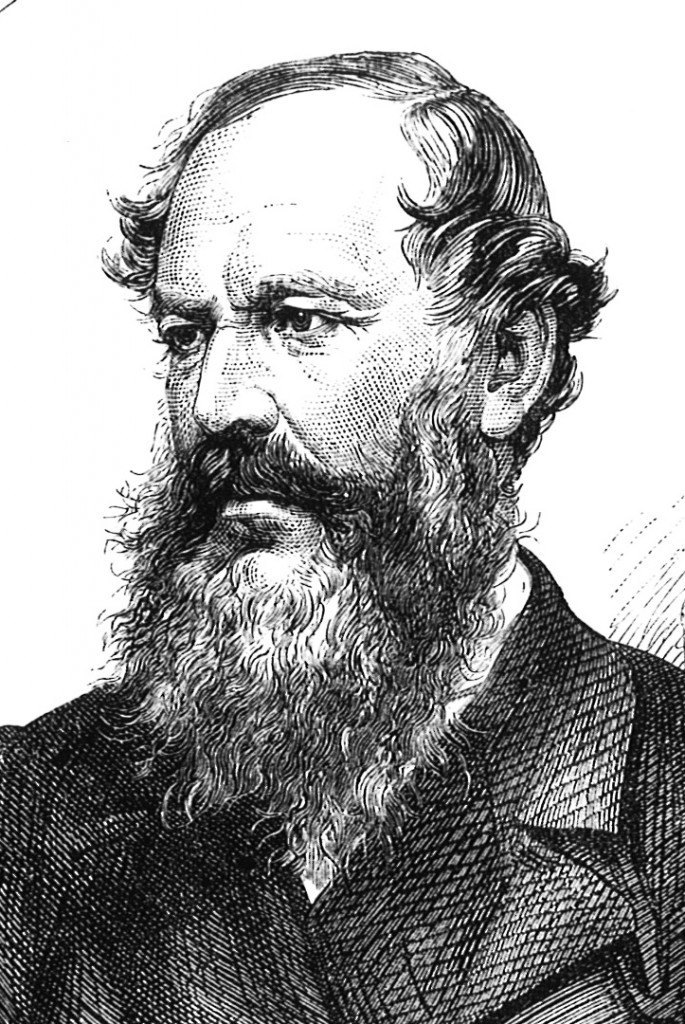
Works in the Public Domain
J.C. Ryle died in 1900, and his writings are in the public domain and not copyrighted. You are free to use any of his materials on this site without the need for permission.
- Expository Thoughts on Matthew (1856)
- Expository Thoughts on Mark, (1857)
- Expository Thoughts on Luke (1858)
- Coming Events And Present Duties, and Prophecy, (1867) Now published as Are You Ready for the End of Time?
- Expository Thoughts on John (1869)
- Shall We Know One Another, (1870)
- Christian Leaders of the Last Century, (1873)
- Knots Untied, (1877)
- Holiness: Its Nature, Hindrances, Difficulties, and Roots, (1877, enlarged 1879)
- Practical Religion: Being Plain Papers on the Daily Duties, Experience, Dangers, and Privileges of Professing Christians, (1878)
- Simplicity in Preaching, (1882)
- Upper Room: Being a Few Truths for the Times, (1887)
- The Duties of Parents (1888)
- Light From Old Times: or Protestant Facts And Men, (1890) (partially reprinted as Five English Reformers)